E-bok, Engelska, 2023
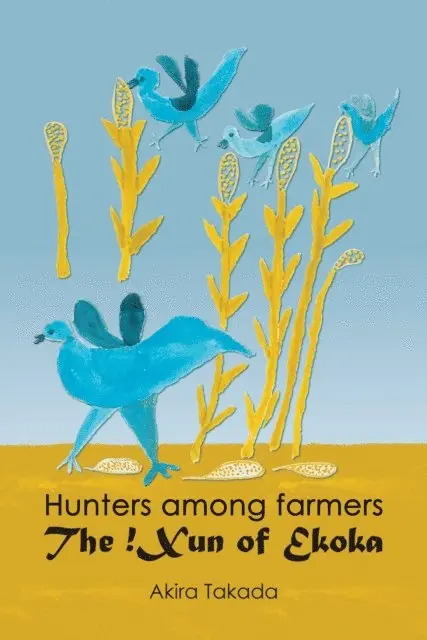
Hunters among Farmers
Av Akira Takada
489 kr
Läs direkt i Bokus Reader – eller ladda ned till din enhet (PDF kräver ofta zoom och scroll på små skärmar).
Beskrivning
Through moving life histories, Akira Takada gives the !Xun of north-central Namibia a voice in their own history. In contrast to othermarginalised San minorities, the !Xun foster co-operative relationshipswith their neighbours, the Ovawambo and with the state. In the face of radical social changes over the past century, they have maintained traditional hunting and gathering as a backstop but also sold their skills and labour, acquired their own farms and livestock, and enriched their child-rearing practices in changing ecological conditions. Centralto their identity and resilience are their kinship and naming practiceswhich preserve their ethnic cohesion while promoting relationships withother groups. Contributing to an established literature on the San, Takada’s book will allow detailed regional comparison on the !Kung-speaking groups of northern Namibia. Charming sketches from his notebooks give an intimate view of the anthropologist in the field.
Produktinformation
- Utgivningsdatum: 2023-08-29
- Språk: Engelska
- Filformat: PDF
- Kopieringsskydd: LCP
- ISBN: 9789991642680
- Förlag: University of Namibia Press
Utforska kategorier
Betyg & recensioner
0 recensioner
Inga recensioner tillgängliga.