Visar resultat för..."Anthropos"
Sökningen "Anthropos Oscar Bensow" gav inga träffar.206 kr
Skickas
242 kr
Skickas
Ernst Cassirers "Thomas Thorilds ställning i 1700-talets tankeliv" ger en livfull och perspektivrik bild av diktaren och filosofen Thomas Thorild. Boken skrevs under Ernst Cassirers tid i Sverige som flykting från nazitidens Tyskland. I ett efterord ger idéhistorikern Jonas Hansson en bakgrund till bokens tillkomst.Med imponerande lärdom och precision placerar Ernst Cassirer in Thomas Thorilds författarskap i en europeisk tankevärld och klarlägger dess filosofiska förutsättningar. Han kallar i sin bok Thomas Thorild ett av ”de märkvärdigaste och viktigaste fenomenen i svensk litteraturhistoria”: ”Att Thorilds stil besitter en sådan kraft beror helt enkelt på att hans ord, även om de ofta är skrivna med en översvallande lidelse, alltid utstrålar en fast och oföränderlig övertygelse. De är fyllda av ett äkta filosofiskt patos och bärs upp av ett äkta filosofiskt eros. Om stilen är människan, måste Thorild i någon mening vara ’filosof’, dock inte i den meningen att han är en strikt systematiker. Det är ytterst riskfyllt att räkna honom till en viss skola och sammanfatta honom under någon av de traditionella benämningarna som vi är vana vid från beskrivningen av filosofins historia. Thorilds individualitet trotsar alla sådana schematiska definitioner och bryter gång på gång igenom de barriärer som vi försöker bygga med hjälp av dem.” Ernst Cassirer (1874–1945) är mest känd för sitt trebandsverk "De symboliska formernas filosofi" (1923–1929). Han var professor i filosofi i Hamburg, emigrerade 1933 till England, där han undervisade i Oxford, och vidare till Sverige och Göteborg, där han var professor vid dåvarande Göteborgs Högskola. Sina sista år tillbringade han i USA och undervisade vid först Yale- och sedan Columbia-universitetet.
666 kr
Skickas
557 kr
Skickas
492 kr
Skickas
231 kr
Skickas
203 kr
Skickas
217 kr
Skickas
203 kr
Skickas
264 kr
Skickas
203 kr
Skickas
189 kr
Skickas
1 410 kr
Skickas inom 10-15 vardagar
371 kr
Skickas inom 5-8 vardagar
950 kr
Skickas inom 10-15 vardagar
1 108 kr
Läs direkt efter köp
456 kr
Skickas inom 10-15 vardagar
346 kr
Skickas inom 5-8 vardagar
194 kr
Skickas inom 5-8 vardagar
398 kr
Skickas inom 5-8 vardagar
223 kr
Skickas inom 5-8 vardagar
335 kr
Skickas inom 5-8 vardagar
280 kr
Skickas inom 5-8 vardagar
531 kr
Läs direkt efter köp
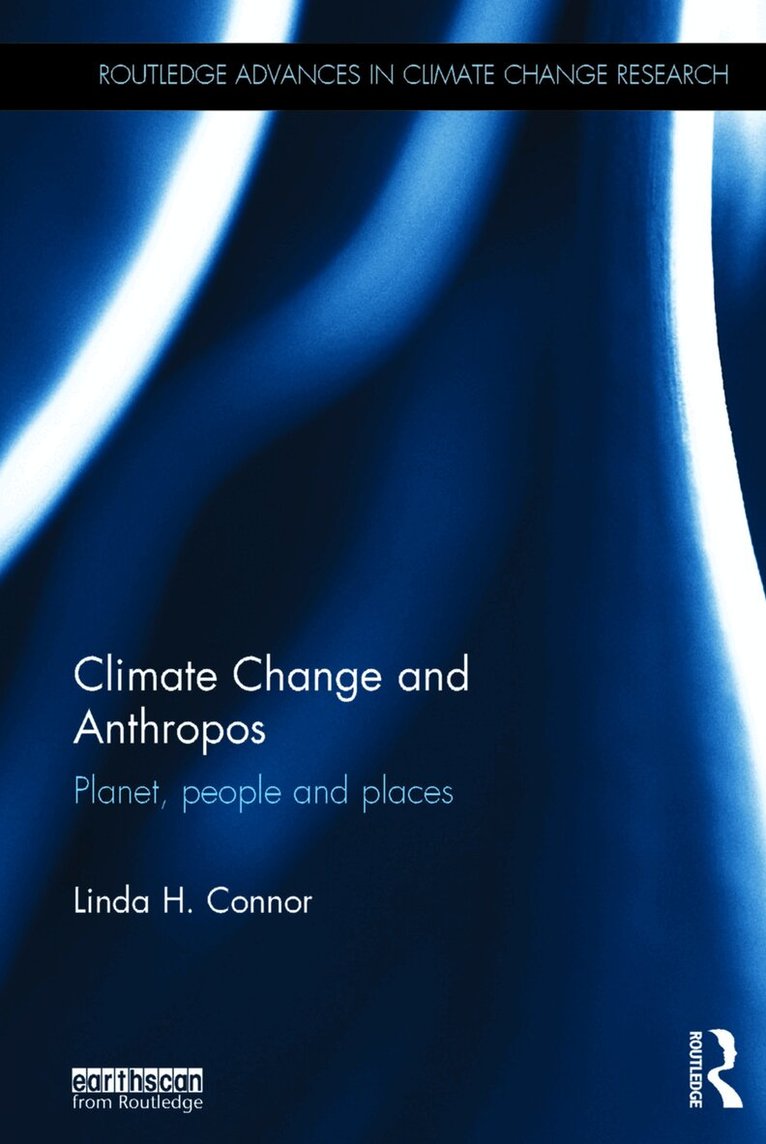
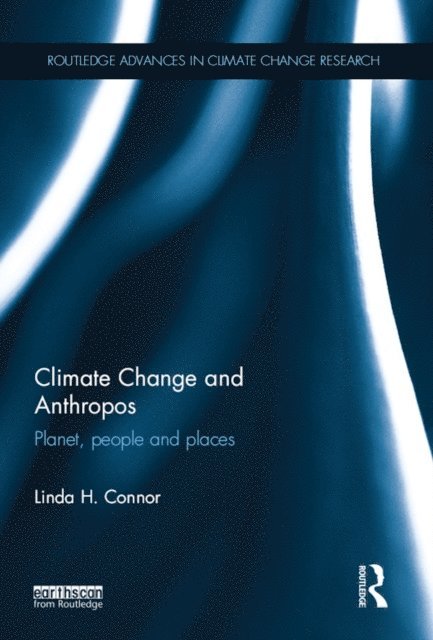
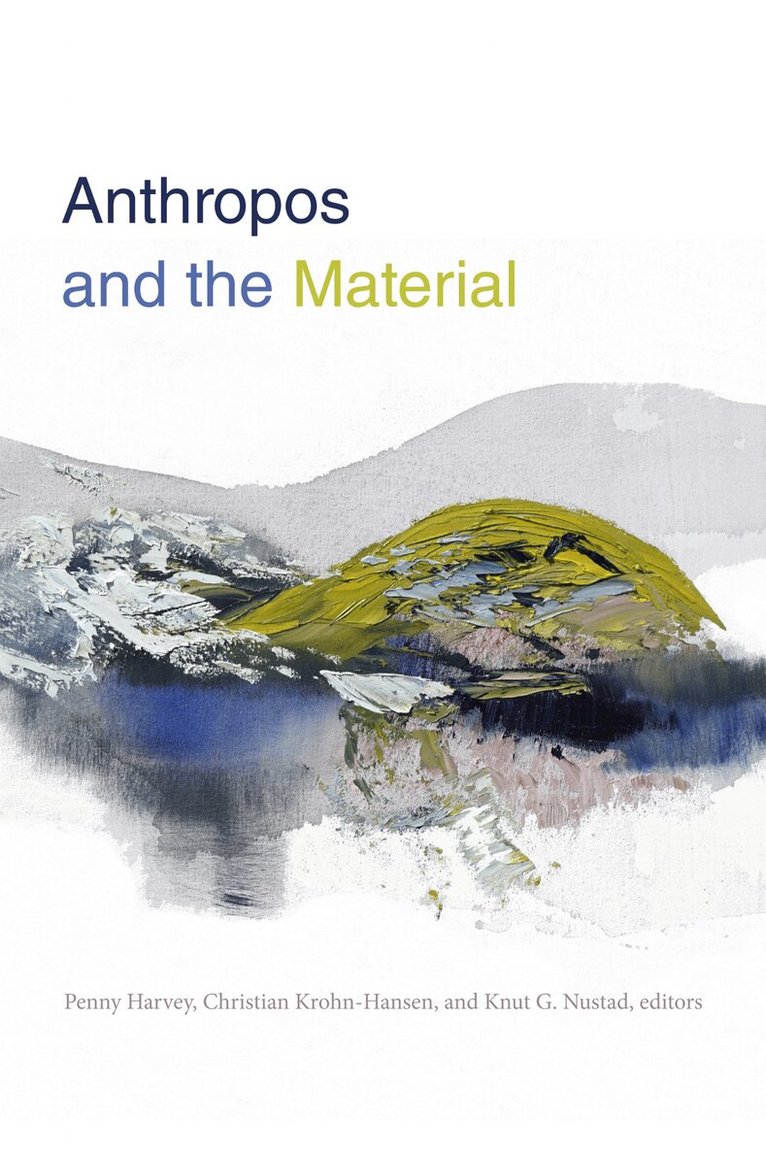
Anthropos, in the sense of species as well as cultures and ethics, locates humans as part of much larger orders of existence – fundamental when thinking about climate change. This book offers a new way of exploring the significance of locality and lives in the epoch of the Anthropocene, a time when humans confront the limits of our control over nature. Many scholars now write about the ethics, policies and politics of climate change, focussing on global processes and effects. The book’s innovative approach to cross-cultural comparison and a regionally based study explores people’s experiences of environmental change and the meaning of climate change for diverse human worlds in a changing biosphere.
The main study site is the Hunter Valley in southeast Australia: an ecological region defined by the Hunter River catchment; a dwelling place for many generations of people; and a key location for transnational corporations focussed on the mining, burning and export of black coal. Abundant fossil fuel reserves tie Hunter people and places to the Asia Pacific – the engine room of global economic growth in the twenty-first century and the largest user of the planet’s natural resources. The book analyses the nexus of place and perceptions, political economy and social organisation in situations where environmental changes are radically transforming collective worlds.
Based on an anthropological approach informed by other ways of thinking about environment-people relationships, this book analyses the social and cultural dimensions of climate change holistically. Each chapter links the large scales of species and planet with small places, commodity chains, local actions, myths and values, as well as the mingled strands of dystopian imaginings and strivings for recuperative renewal in an era of transition.
531 kr
Läs direkt efter köp
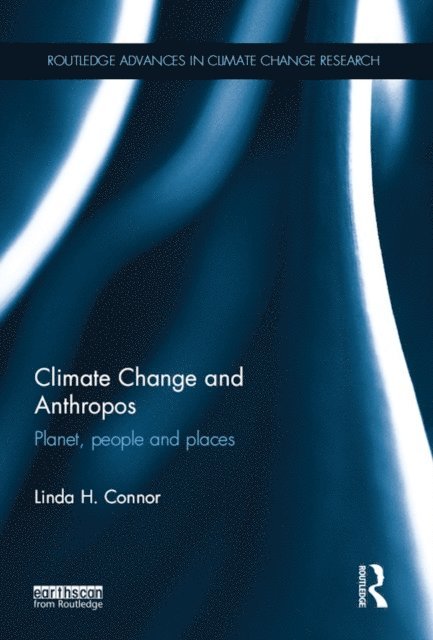
Anthropos, in the sense of species as well as cultures and ethics, locates humans as part of much larger orders of existence – fundamental when thinking about climate change. This book offers a new way of exploring the significance of locality and lives in the epoch of the Anthropocene, a time when humans confront the limits of our control over nature. Many scholars now write about the ethics, policies and politics of climate change, focussing on global processes and effects. The book’s innovative approach to cross-cultural comparison and a regionally based study explores people’s experiences of environmental change and the meaning of climate change for diverse human worlds in a changing biosphere.
The main study site is the Hunter Valley in southeast Australia: an ecological region defined by the Hunter River catchment; a dwelling place for many generations of people; and a key location for transnational corporations focussed on the mining, burning and export of black coal. Abundant fossil fuel reserves tie Hunter people and places to the Asia Pacific – the engine room of global economic growth in the twenty-first century and the largest user of the planet’s natural resources. The book analyses the nexus of place and perceptions, political economy and social organisation in situations where environmental changes are radically transforming collective worlds.
Based on an anthropological approach informed by other ways of thinking about environment-people relationships, this book analyses the social and cultural dimensions of climate change holistically. Each chapter links the large scales of species and planet with small places, commodity chains, local actions, myths and values, as well as the mingled strands of dystopian imaginings and strivings for recuperative renewal in an era of transition.
32 kr
Läs direkt efter köp
11 kr
Läs direkt efter köp
485 kr
Läs direkt efter köp
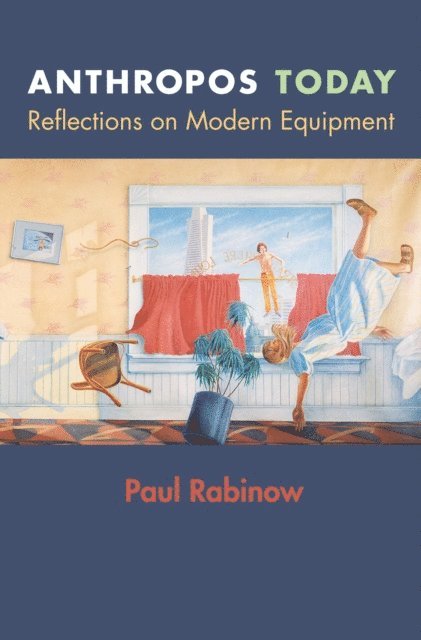
The discipline of anthropology is, at its best, characterized by turbulence, self-examination, and inventiveness. In recent decades, new thinking and practice within the field has certainly reflected this pattern, as shown for example by numerous fruitful ventures into the "politics and poetics" of anthropology. Surprisingly little attention, however, has been given to the simple insight that anthropology is composed of claims, whether tacit or explicit, about anthropos and about logos--and the myriad ways in which these two Greek nouns have been, might be, and should be, connected. Anthropos Today represents a pathbreaking effort to fill this gap. Paul Rabinow brings together years of distinguished work in this magisterial volume that seeks to reinvigorate the human sciences. Specifically, he assembles a set of conceptual tools--"modern equipment"--to assess how intellectual work is currently conducted and how it might change. Anthropos Today crystallizes Rabinow''s previous ethnographic inquiries into the production of truth about life in the world of biotechnology and genome mapping (and his invention of new ways of practicing this pursuit), and his findings on how new practices of life, labor, and language have emerged and been institutionalized. Here, Rabinow steps back from empirical research in order to reflect on the conceptual and ethical resources available today to conduct such inquiries. Drawing richly on Foucault and many other thinkers including Weber and Dewey, Rabinow concludes that a "contingent practice" must be developed that focuses on "events of problematization." Brilliantly synthesizing insights from American, French, and German traditions, he offers a lucid, deeply learned, original discussion of how one might best think about anthropos today.

258 kr
Skickas inom 5-8 vardagar
1 454 kr
Läs direkt efter köp