
Geoffrey Day - Böcker
Visar alla böcker från författaren Geoffrey Day. Handla med fri frakt och snabb leverans.
4 produkter
4 produkter
1 645 kr
Skickas inom 10-15 vardagar
Originally published in 1987, this title is a comprehensive study focused on experimental forms in eighteenth-century fiction. It suggests that the eighteenth-century novel is misread because it is judged with the templates of nineteenth and twentieth century versions of ‘the novel’ in mind, rather than as a standalone genre. Looking at works from well-known authors of the time this learned and lively book, gently but precisely undermines a basic category of modern literary understanding.

554 kr
Skickas inom 10-15 vardagar
Originally published in 1987, this title is a comprehensive study focused on experimental forms in eighteenth-century fiction. It suggests that the eighteenth-century novel is misread because it is judged with the templates of nineteenth and twentieth century versions of ‘the novel’ in mind, rather than as a standalone genre. Looking at works from well-known authors of the time this learned and lively book, gently but precisely undermines a basic category of modern literary understanding.

340 kr
Skickas inom 5-8 vardagar
- Nyhet
1 443 kr
Kommande
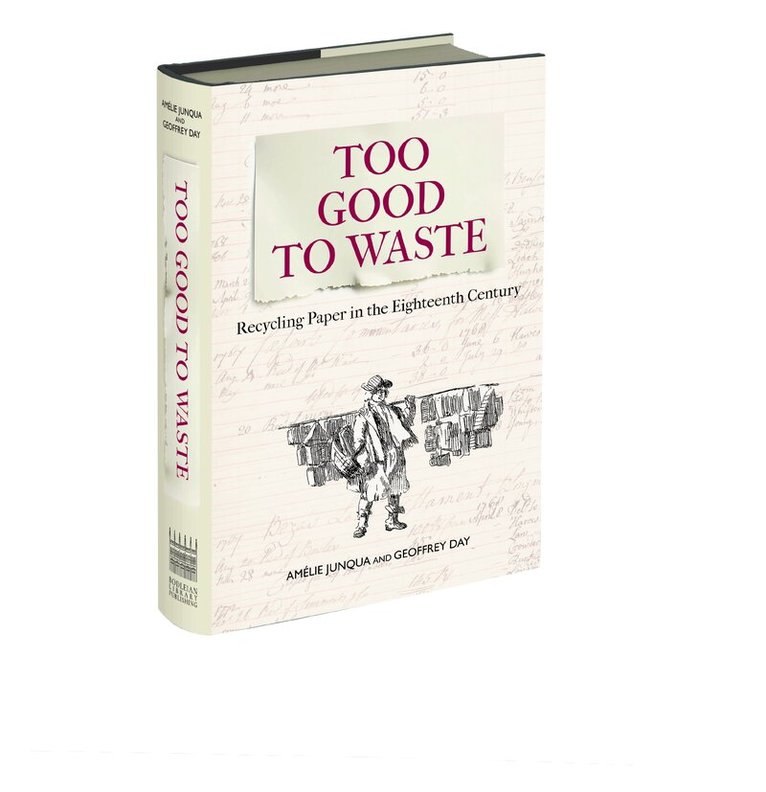
Paper was a precious commodity in the eighteenth century: every sheet was made by hand. There was therefore a significant market in recycling substandard paper from paper mills and discarded proofs and sheets from printers and booksellers for secondary use, alongside a black market in which stealing and receiving stolen paper took place on a vast scale. A single piece of paper could be termed ‘waste’ and yet sold for cash three times in succession, on each occasion performing a useful function. The end user would keep the newly purchased ‘waste’ or paper wrapping in a special drawer from which it would be taken for a myriad household purposes, including cooking, needlework, decoration and hygiene. Popular satirical prints depicted explicit paper uses, while creators of flamboyant papier mâché ceilings concealed the material by gilding it.With over 100 illustrations, and drawing on letters from a range of people from farmers to notable authors and members of the aristocracy, together with meticulous archival research, this book traces the extraordinary history of ingenious paper recycling in eighteenth-century England.