Amélie Junqua – författare
Visar alla böcker från författaren Amélie Junqua. Handla med fri frakt och snabb leverans.
5 produkter
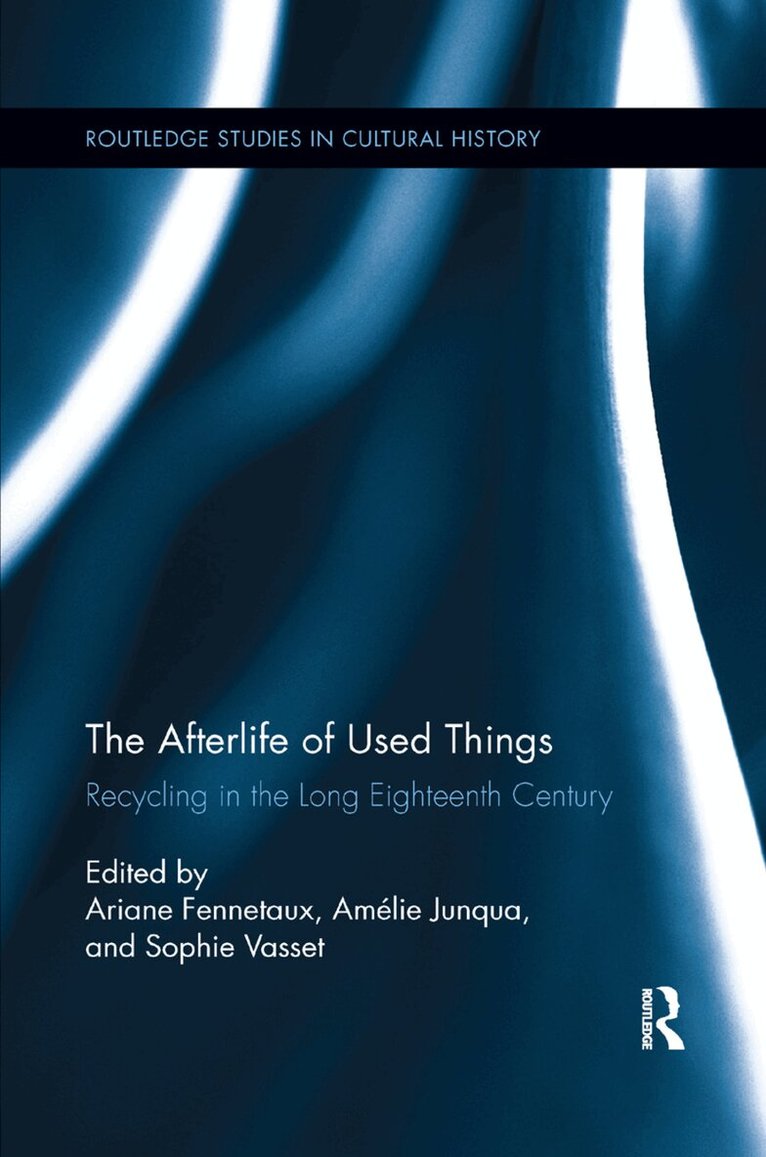
Afterlife of Used Things
Recycling in the Long Eighteenth Century
Av Ariane Fennetaux, Amélie Junqua m. fl.
Häftad, 2019
785 kr
Lägg i varukorg
Recycling is not a concept that is usually applied to the eighteenth century. “The environment” may not have existed as a notion then, yet practices of re-use and transformation obviously shaped the early-modern world. Still, this period of booming commerce and exchange was also marked by scarcity …
Afterlife of Used Things
Recycling in the Long Eighteenth Century
Av Ariane Fennetaux, Amélie Junqua m. fl.
Inbunden, 2014
2818 kr
Lägg i varukorg
Recycling is not a concept that is usually applied to the eighteenth century. “The environment” may not have existed as a notion then, yet practices of re-use and transformation obviously shaped the early-modern world. Still, this period of booming commerce and exchange was also marked by scarcity …
Afterlife of Used Things
Recycling in the Long Eighteenth Century
Av Sophie Vasset, Amelie Junqua m. fl.
E-bok, 2014
1036 kr
Lägg i varukorg
Recycling is not a concept that is usually applied to the eighteenth century. “The environment” may not have existed as a notion then, yet practices of re-use and transformation obviously shaped the early-modern world. Still, this period of booming commerce and exchange was also marked by scarcity …
Afterlife of Used Things
Recycling in the Long Eighteenth Century
Av Sophie Vasset, Amelie Junqua m. fl.
E-bok, 2014
1013 kr
Lägg i varukorg
Recycling is not a concept that is usually applied to the eighteenth century. “The environment” may not have existed as a notion then, yet practices of re-use and transformation obviously shaped the early-modern world. Still, this period of booming commerce and exchange was also marked by scarcity …
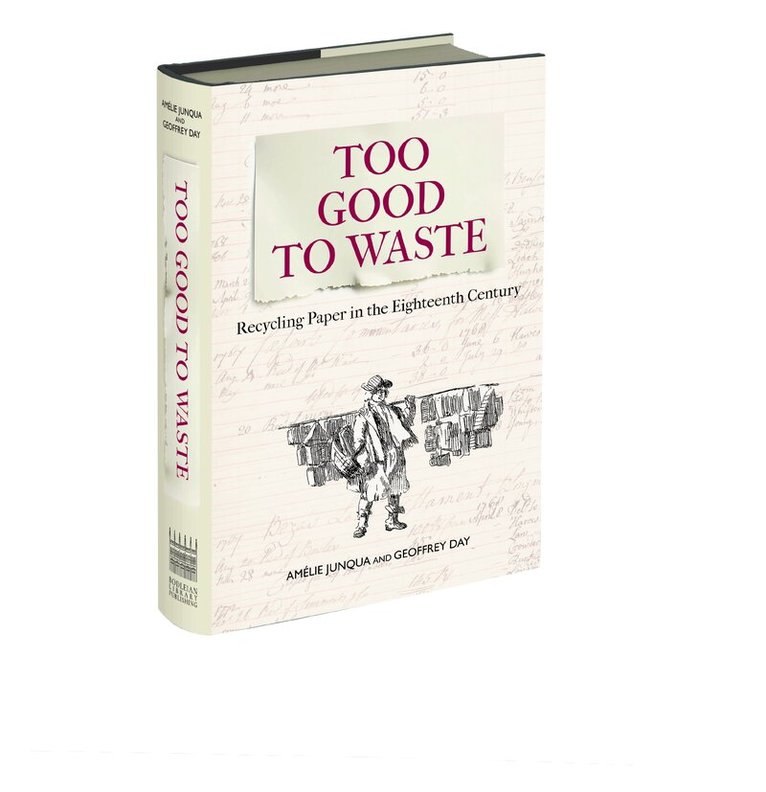
Too Good to Waste
Recycling Paper in the Eighteenth Century
Av Amélie Junqua, Geoffrey Day
Inbunden, 2026
1518 kr
Lägg i varukorg
'...Too Good to Waste is a delight of well-explained granularity. There are years of careful archival accumulation on show here, conveyed with an excited delight that means the book is a pleasure to read. Too Good to Waste is also a beautiful object - heavy in the hand, like something that will …