Ariane Fennetaux – författare
Visar alla böcker från författaren Ariane Fennetaux. Handla med fri frakt och snabb leverans.
6 produkter
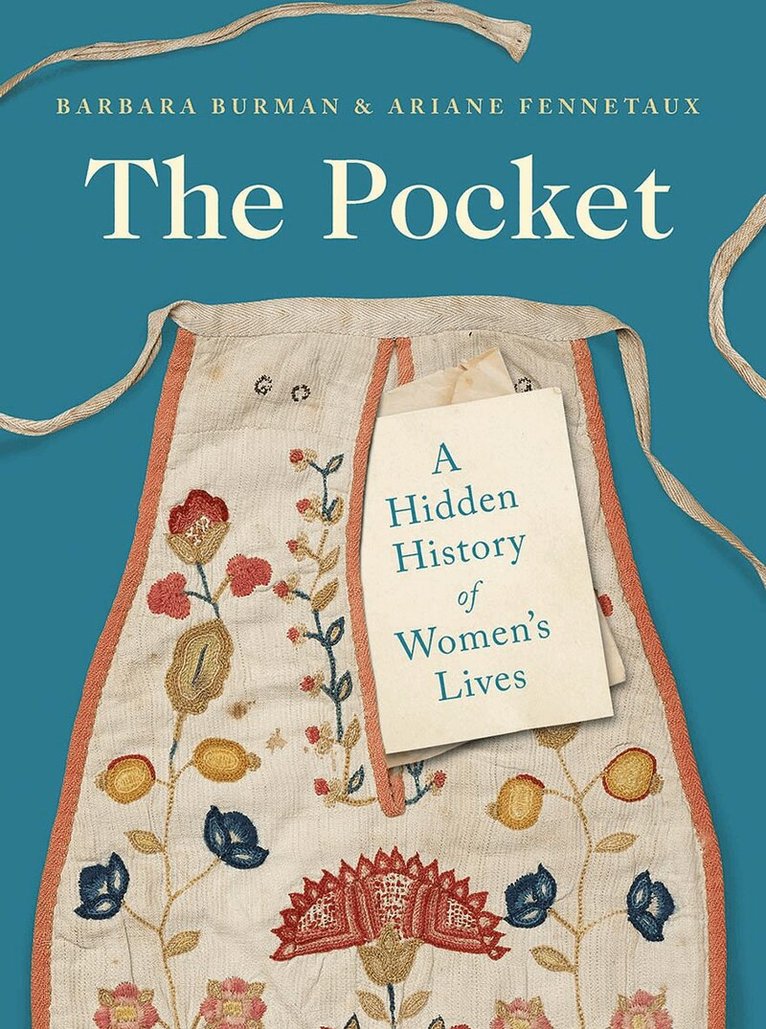
Pocket
A Hidden History of Women's Lives, 1660–1900
Av Barbara Burman, Ariane Fennetaux
Häftad, 2020
5,0 utav 5 stjärnor. Totalt antal röster: (1)
238 kr
Lägg i varukorg
A New York Times Best Art Book of 2019“A riveting book . . . few stones are left unturned.”—Roberta Smith’s “Top Art Books of 2019,” The New York TimesThis fascinating and enlightening study of the tie-on pocket combines materiality and gender to provide new insight into the social history of …
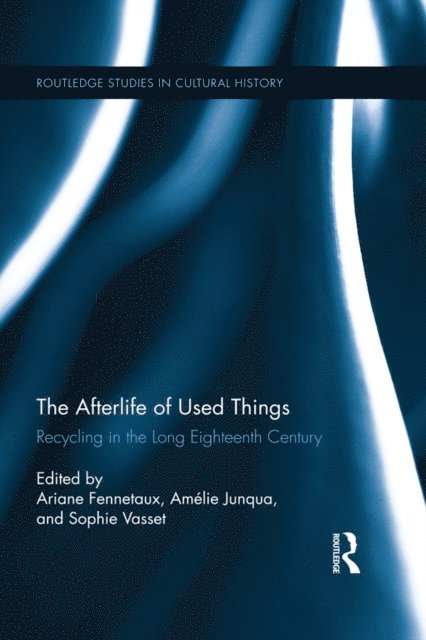
Afterlife of Used Things
Recycling in the Long Eighteenth Century
Av Ariane Fennetaux, Amélie Junqua m. fl.
Häftad, 2019
785 kr
Lägg i varukorg
Recycling is not a concept that is usually applied to the eighteenth century. “The environment” may not have existed as a notion then, yet practices of re-use and transformation obviously shaped the early-modern world. Still, this period of booming commerce and exchange was also marked by scarcity …
Afterlife of Used Things
Recycling in the Long Eighteenth Century
Av Ariane Fennetaux, Amélie Junqua m. fl.
Inbunden, 2014
2818 kr
Lägg i varukorg
Recycling is not a concept that is usually applied to the eighteenth century. “The environment” may not have existed as a notion then, yet practices of re-use and transformation obviously shaped the early-modern world. Still, this period of booming commerce and exchange was also marked by scarcity …
Afterlife of Used Things
Recycling in the Long Eighteenth Century
Av Sophie Vasset, Amelie Junqua m. fl.
E-bok, 2014
1036 kr
Lägg i varukorg
Recycling is not a concept that is usually applied to the eighteenth century. “The environment” may not have existed as a notion then, yet practices of re-use and transformation obviously shaped the early-modern world. Still, this period of booming commerce and exchange was also marked by scarcity …
Afterlife of Used Things
Recycling in the Long Eighteenth Century
Av Sophie Vasset, Amelie Junqua m. fl.
E-bok, 2014
1013 kr
Lägg i varukorg
Recycling is not a concept that is usually applied to the eighteenth century. “The environment” may not have existed as a notion then, yet practices of re-use and transformation obviously shaped the early-modern world. Still, this period of booming commerce and exchange was also marked by scarcity …
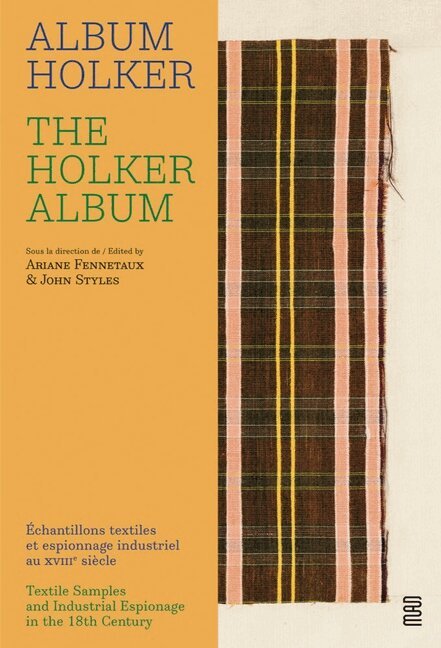
Holker Album
Textile Samples and Industrial Espionage in the 18th Century
Av Ariane Fennetaux, Ariane Fennetaux m. fl.
Inbunden, 2023
763 kr
Tillfälligt slut
In 1751, John Holker (1719-1786), an English textile manufacturer exiled in France, undertook an industrial espionage mission to England to collect samples of English textiles on behalf of the French king, Louis XV. On his return, the samples were assembled in a manuscript volume, which is now …