Barbara Burman - Böcker
Visar alla böcker från författaren Barbara Burman. Handla med fri frakt och snabb leverans.
6 produkter
6 produkter
261 kr
Skickas inom 7-10 vardagar
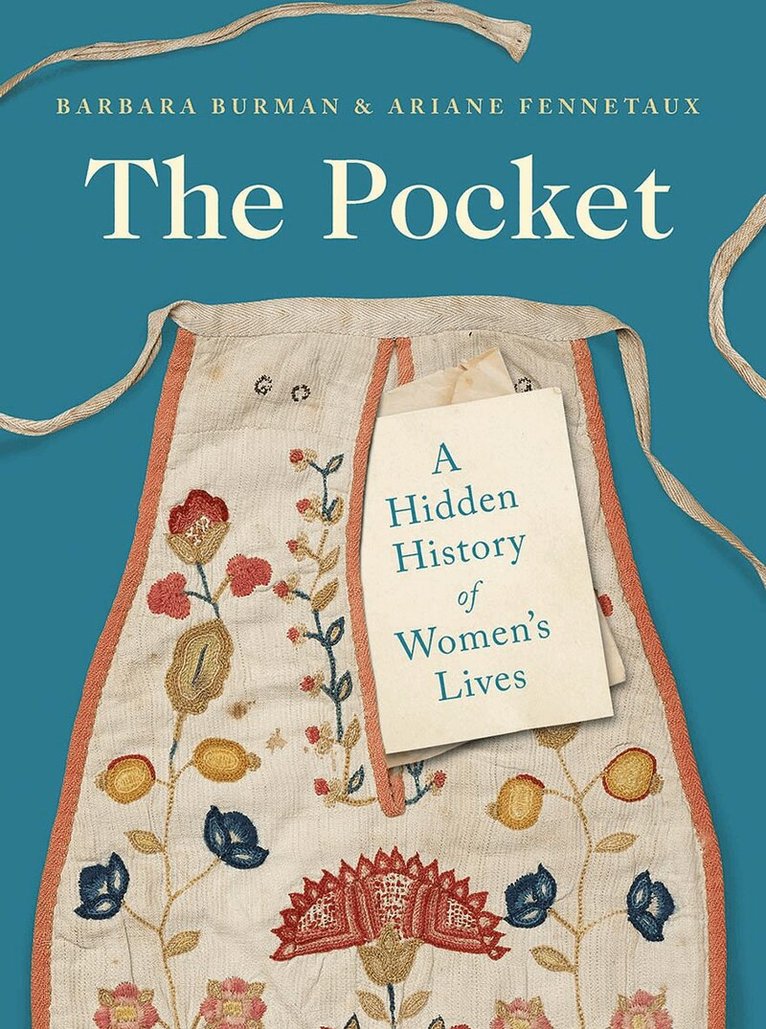
A New York Times Best Art Book of 2019“A riveting book . . . few stones are left unturned.”—Roberta Smith’s “Top Art Books of 2019,” The New York TimesThis fascinating and enlightening study of the tie-on pocket combines materiality and gender to provide new insight into the social history of women’s everyday lives—from duchesses and country gentry to prostitutes and washerwomen—and to explore their consumption practices, sociability, mobility, privacy, and identity. A wealth of evidence reveals unexpected facets of the past, bringing women’s stories into intimate focus. “What particularly interests Burman and Fennetaux is the way in which women of all classes have historically used these tie-on pockets as a supplementary body part to help them negotiate their way through a world that was not built to suit them.”—Kathryn Hughes, The Guardian “A brilliant book.”—Ulinka Rublack, Times Literary Supplement
332 kr
Skickas inom 7-10 vardagar
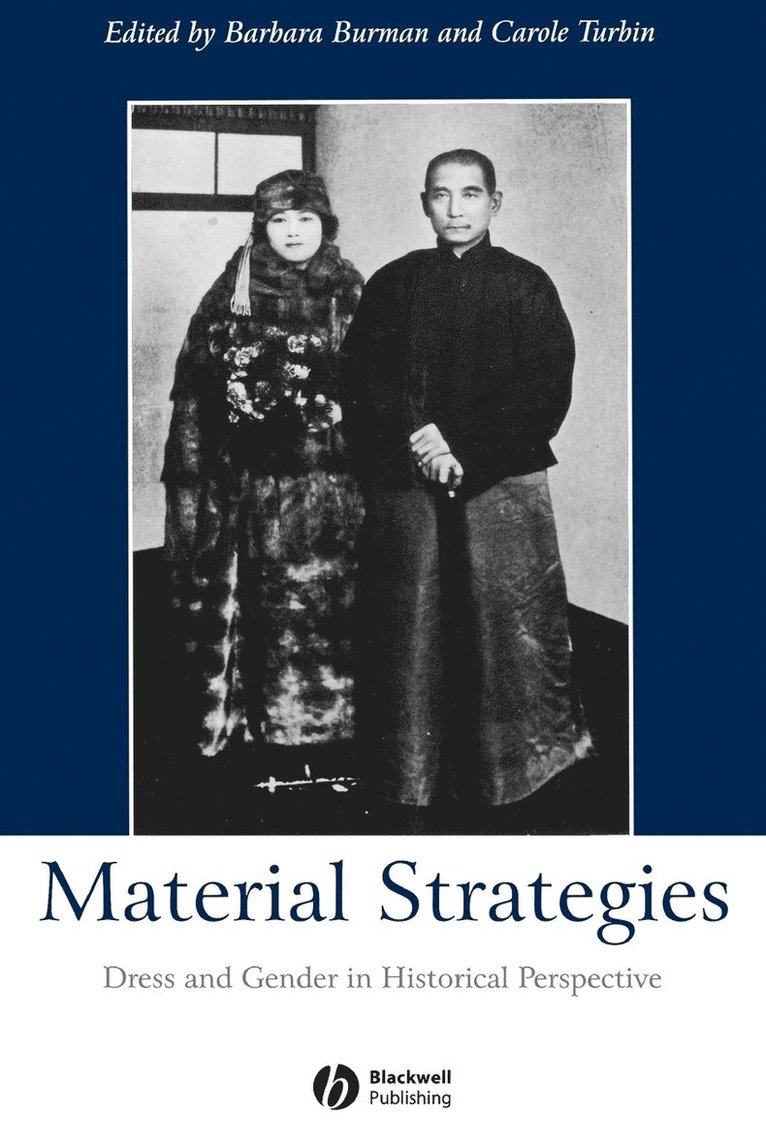
Material Strategies brings together scholars from different disciplines to explore what dress and textiles can tell us about gender history. Broad in scope – covers women, men, social groupings and nations from the sixteenth to the twentieth century.Rich in detail – incorporates illustrations that provide visual evidence for gendered strategies of dress.Combines perspectives from design and textile history, business history, cultural anthropology, social history, art history and cultural history.Considers 'material strategies' in relation to production and consumption, the public and the private, the body and sexuality, and national identity.Written in a jargon-free style, making it accessible to readers from a wide range of backgrounds.
301 kr
Tillfälligt slut
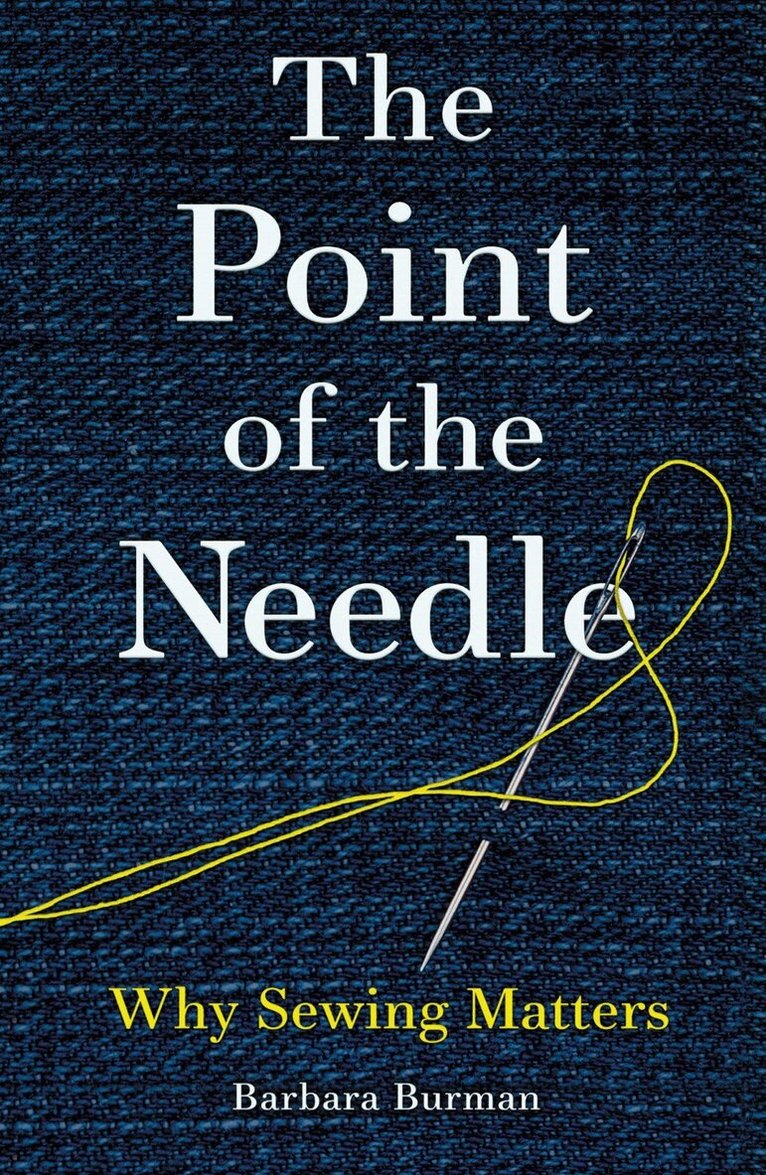
Tens of millions of people sew for necessity or pleasure every day, yet the craft is surprisingly under-appreciated. The Point of the Needle redresses the balance: this is a book that argues for sewing’s place in our lives. It celebrates not only sewing’s recent resurgence but sewists’ creativity, well-being and community. Barbara Burman chronicles new voices of people who sew today, by hand or machine, to explore what they sew, what motivates them, what they value and why they mend things, revealing insights into sewing’s more intimate stories. In our age of superfast fashion with its environmental and social injustices, this eloquent book makes a passionate case for identity, diversity, resilience and memory – what people create for themselves as they stitch and make.
121 kr
Skickas
Tens of millions of people sew for necessity or pleasure every day, yet the craft is surprisingly under-appreciated. Now available in paperback, The Point of the Needle redresses the balance: this is a book that argues for sewing’s place in our lives. It celebrates not only sewing’s recent resurgence but sewists’ creativity, well-being and community. Barbara Burman chronicles new voices of people who sew today, by hand or machine, to explore what they sew, what motivates them, what they value and why they mend things, revealing insights into sewing’s more intimate stories. In our age of superfast fashion with its environmental and social injustices, this eloquent book makes a passionate case for identity, diversity, resilience and memory – what people create for themselves as they stitch and make.
1 833 kr
Skickas inom 10-15 vardagar
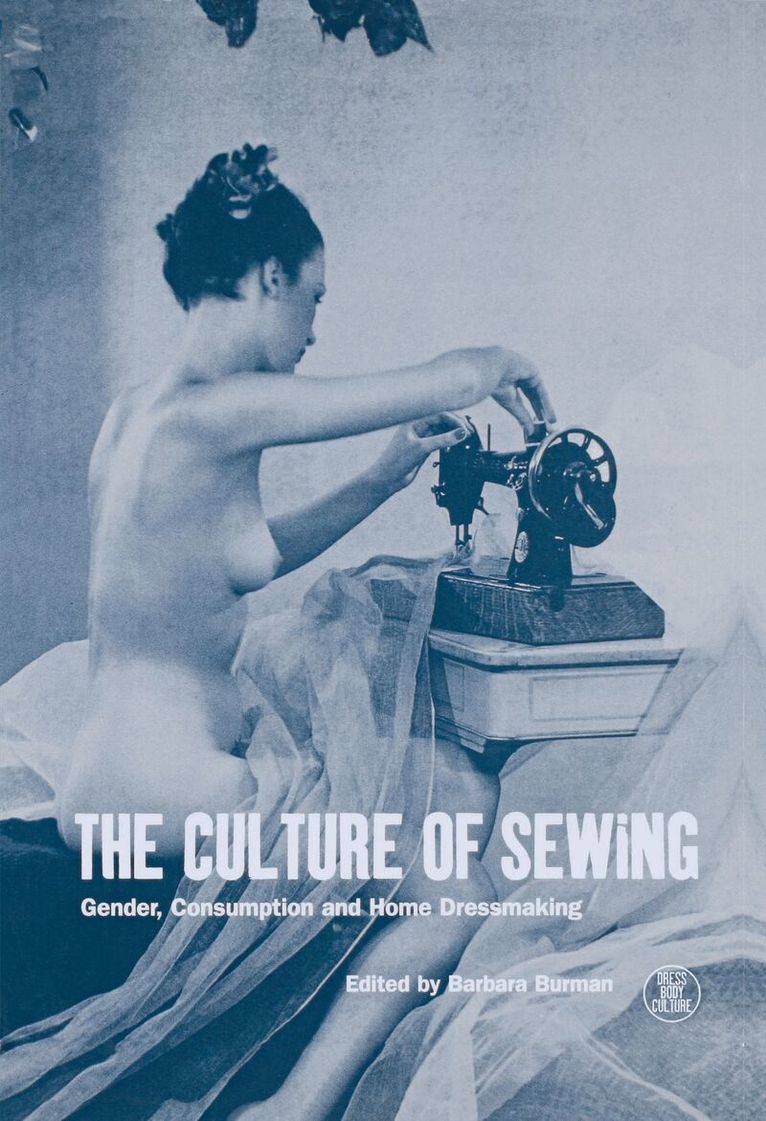
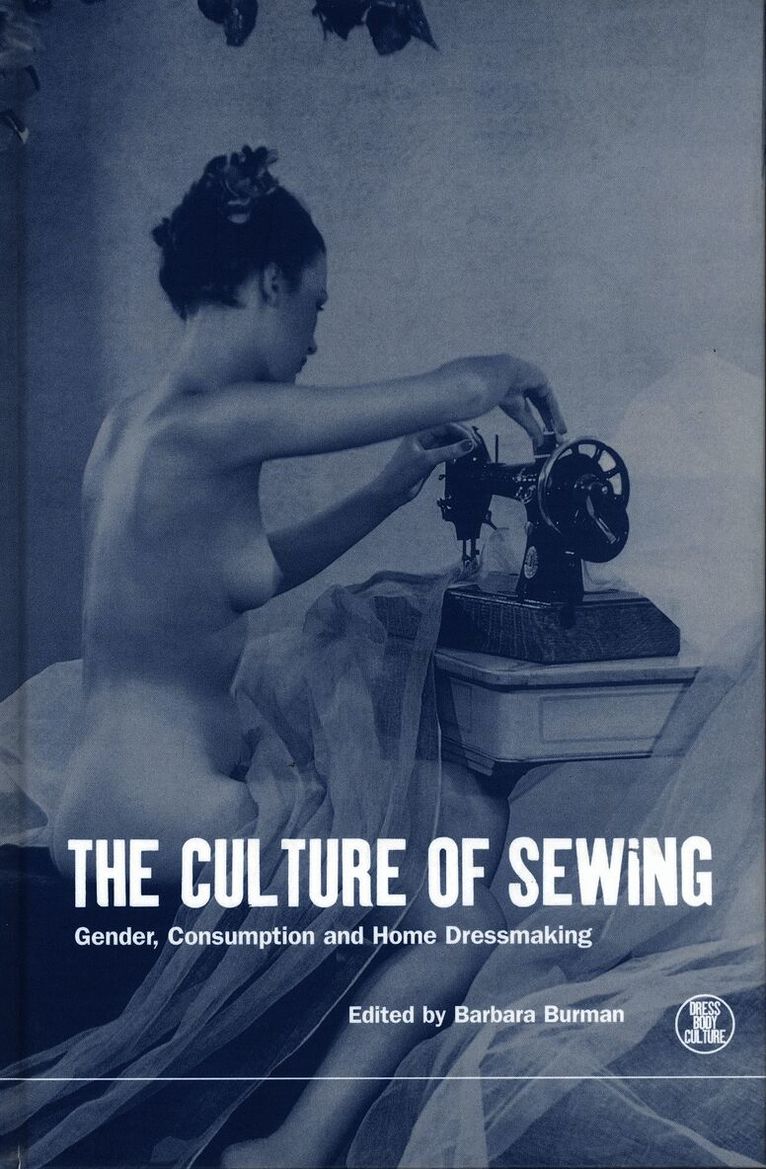
Throughout its long history, home dressmaking has been a formative experience in the lives of millions of women. In an age of relative affluence and mass production, it is easy to forget that just over a generation ago, young girls from middle- and working-class backgrounds were routinely taught to sew as a practical necessity. However, not only have the skills involved in home dressmaking been overlooked and marginalized due to their association with women and the home, but the impact home dressmaking had on women's lives and broader socioeconomic structures also has been largely ignored. This book is the first serious account of the significance of home dressmaking as a form of European and American material culture. Exploring themes from the last two hundred years to the present, including gender, technology, consumption and visual representation, contributors show how home dressmakers negotiated and experienced developments to meet a wide variety of needs and aspirations. Not merely passive consumers, home dressmakers have been active producers within family economies.They have been individuals with complex agendas expressed through their roles as wives, mothers and workers in their own right and shaped by ideologies of femininity and class. This book represents a vital contribution to women's studies, the history of fashion and dress, design history, material culture, sociology and anthropology.
474 kr
Skickas inom 10-15 vardagar
Throughout its long history, home dressmaking has been a formative experience in the lives of millions of women. In an age of relative affluence and mass production, it is easy to forget that just over a generation ago, young girls from middle- and working-class backgrounds were routinely taught to sew as a practical necessity. However, not only have the skills involved in home dressmaking been overlooked and marginalized due to their association with women and the home, but the impact home dressmaking had on women's lives and broader socioeconomic structures also has been largely ignored. This book is the first serious account of the significance of home dressmaking as a form of European and American material culture. Exploring themes from the last two hundred years to the present, including gender, technology, consumption and visual representation, contributors show how home dressmakers negotiated and experienced developments to meet a wide variety of needs and aspirations. Not merely passive consumers, home dressmakers have been active producers within family economies.They have been individuals with complex agendas expressed through their roles as wives, mothers and workers in their own right and shaped by ideologies of femininity and class.This book represents a vital contribution to women's studies, the history of fashion and dress, design history, material culture, sociology and anthropology.