
Philip R. Ashurst - Böcker
Visar alla böcker från författaren Philip R. Ashurst. Handla med fri frakt och snabb leverans.
10 produkter
10 produkter

852 kr
Skickas inom 10-15 vardagar

1 578 kr
Skickas inom 10-15 vardagar
This text covers the key issues of authentication in the major food commodity areas. In particular, it discusses the technical problems associated with detection of adulteration or fortification of food and beverages. It should be of interest to food scientists, technologists, food chemists, analytical chemists, quality assurance personnel and enforcement authorities in local and national government.

1 578 kr
Skickas inom 10-15 vardagar
Food authentication is an issue that has become increasingly important over recent years due in part to the legislative trend away from compositional legislation to label declaration. In the US and Europe working groups have been established to bring scientists, industry and the government together to exchange information about food authenticity. This book surveys the range of analytical methods applied to investigate and confirm authenticity or adulteration. Food manufacturers need to ensure that their products meet the demands of legislation in the countries where they are sold, where as governments need to ensure that tested and valid methods are available to meet the needs of industry and to protect the public from misleading or fradulent labelling. The book assesses the applicability of various methods according to the needs of these different groups. The text should be of interest to analytical chemists, quality assurance personnel, and enforcement officers in local and national governments.
1 578 kr
Skickas inom 10-15 vardagar
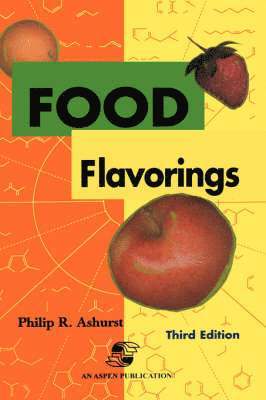
Food Flavorings, Third Edition, is written for scientists and technologists in the flavor and food industries and provides a comprehensive review of the natural sources of flavor ingredients and the formulation, manufacture, and application of food flavorings. New to this edition are chapters on pharmaceutical and tobacco flavorings.
1 578 kr
Skickas inom 10-15 vardagar
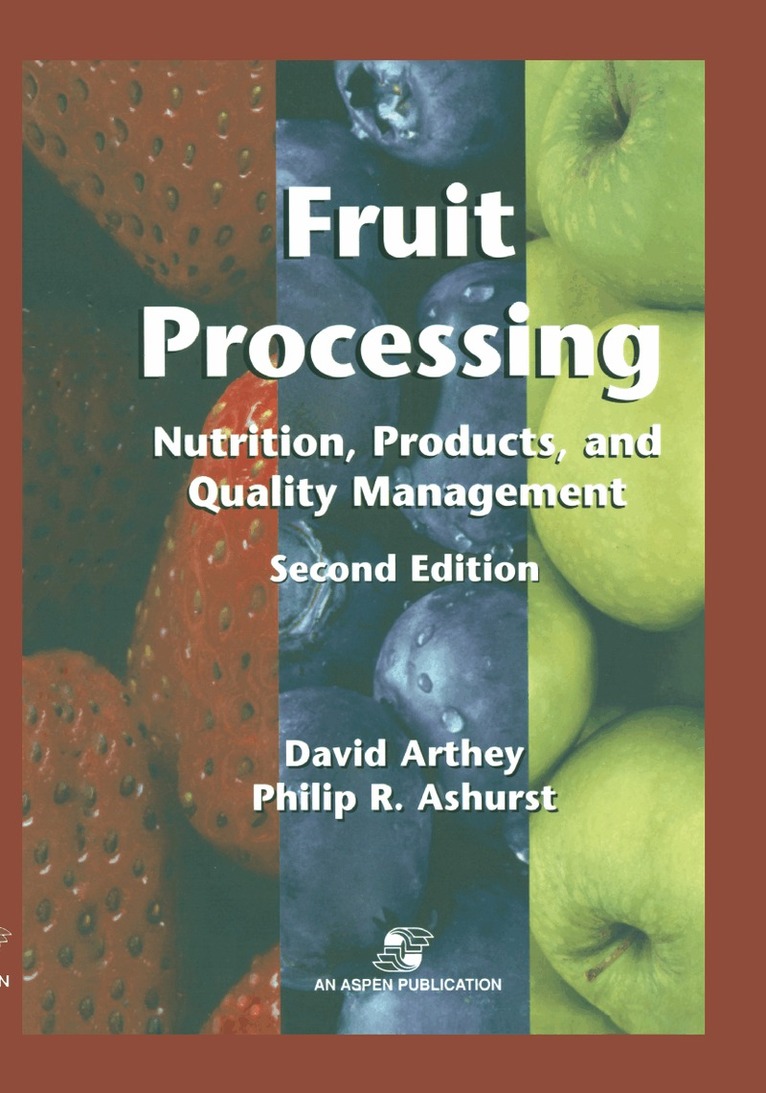
Consumption of food products based on or containing fruit is increasing as consumers in the developed world seek a diet which they perceive to be healthy. At the same time, developing countries are increasing their volumes of value-added fruit processing in order to earn important foreign currency. This book provides a concise, thorough and authoritative coverage of the technology of fruit processing from a worldwide perspective. Detailed coverage of the use of fruit by-products, environmental issues, quality assurance and hygiene reflect the importance of these topics. New chapters cover biochemistry and implications for processing, packaging, and quality management systems and HACCP. Food technologists, production managers and technical staff in the fruit processing industry and its equipment suppliers will find the book an important information source, while those in academic and research establishments will use it as a key reference.
2 428 kr
Skickas inom 7-10 vardagar
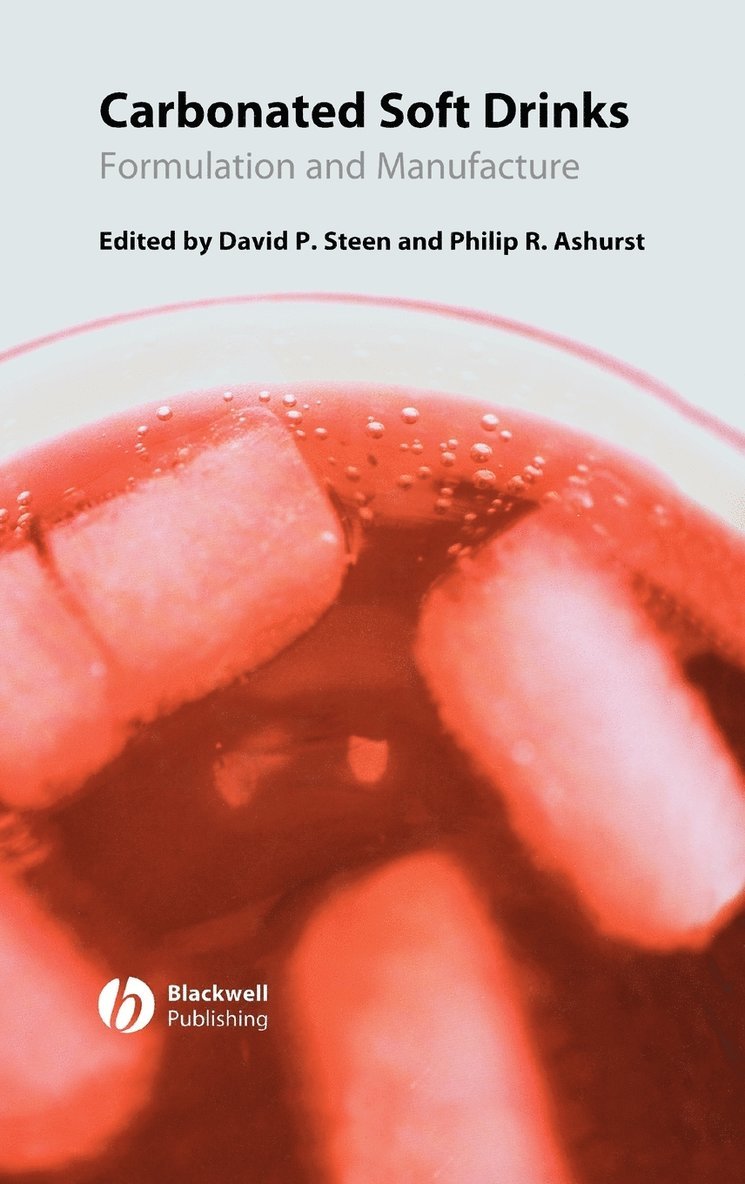
The market for carbonated beverages has grown dramatically over recent years in most countries, and this growth has required changes in the way factories are run. Like other food products, soft drinks are required to be produced under stringent hygiene conditions. Filling technology has progressed rapidly to meet the needs of manufacturers and consumers alike. Packaging choices have changed and there have been improvements in closure design. This book provides an overview of carbonated soft drinks production in the early part of the twenty first century, presenting the latest information on carbonation and filling methods. There are also chapters on bottle design, can making, general packaging considerations, production and distribution. A final chapter deals with quality assurance, and environmental and legislative issues. Detailed references provide opportunity for further reading in more specialised areas. The book is aimed at graduates in food science, chemistry, microbiology and engineering who are considering a career in the soft drinks industry, as well as technical staff already employed within the industry and associated suppliers.
906 kr
Skickas inom 10-15 vardagar
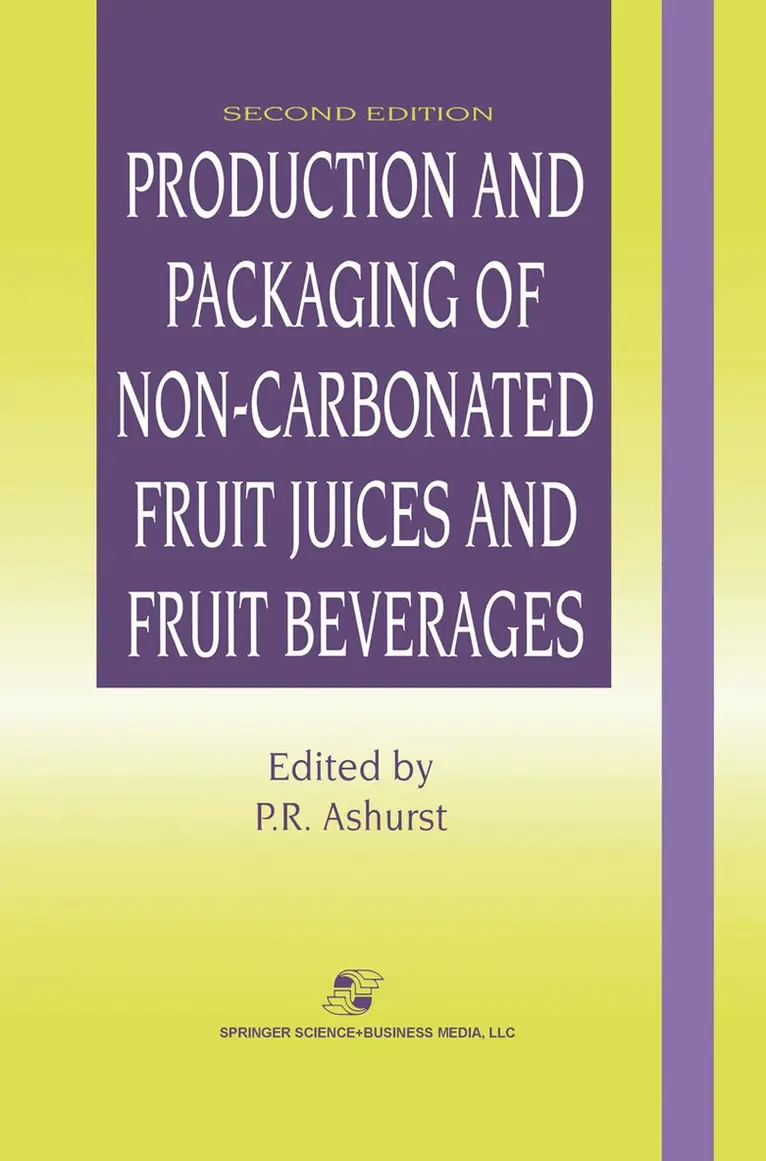
This book reviews the fruit juice and fruit beverage industry (including nectars) from grower to distributor, including fruit handling and processing, chemistry and characterization, analysis, quality control, nutritional value and packaging. Many changes have occurred in the fruit juice and beverage markets since the first edition of this book appeared, and these are reflected in a substantial revision of the original text, together with three new chapters. One of these covers the formulation and performance characteristics of sports drinks which have undergone rapid growth in recent years and now feature in beverage markets worldwide. The second new chapter on water and effluent treatment in juice processing addresses the concern of the beverage industry to obtain water of a suitable standard, despite the deterioration in water quality which has occurred in many countries. This chapter also covers the subject of effluent management and treatment.
1 811 kr
Skickas inom 7-10 vardagar
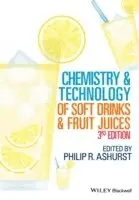
Soft drinks and fruit juices are produced in almost every country in the world and their availability is remarkable. From the largest cities to some of the remotest villages, soft drinks are available in a variety of flavours and packaging. Over the last decade, soft drinks and fruit juices have been the subject of criticism by the health community and there is considerable pressure on beverage manufacturers to reduce, or even remove, the sugar content of these products.Chemistry and Technology of Soft Drinks and Fruit Juices, Third Edition provides an overview of the chemistry and technology of soft drinks and fruit juices, covering ingredients, processing, microbiology, traceability and packaging as well as global market trends. This fully revised edition now includes chapters on topics that have become prominent in the industry since publication of the previous edition namely: water use and treatment, and microbiology technologies. The book is directed at graduates in food science, chemistry or microbiology entering production, quality control, new product development or marketing in the beverage industry or in companies supplying ingredients or packaging materials to the beverage industry.

536 kr
Skickas inom 10-15 vardagar
The flavour industry has become a vital element in the growth and success of food and beverage industries worldwide. The development of many new products is now directly related to the use of the appropriate flavouring which, among other benefits, has allowed the use of many novel raw materials. The phenomenal growth of specialised consumer products offering special tastes, nutritional benefits or 'convenience' almost always directly involves the use of a bespoke flavouring. With recent growth in worldwide concern for environmental issues has come a corresponding concern for the use of 'natural' ingredients in foods. The flavour industry has been closely involved, by offering many of its products as natural alternatives, although the vexed issue of what 'natural' means has promoted discussion and debate in many quarters. The European Flavouring Directive has attempted to incorporate a definition. This is discussed further in chapter 1. The work of the flavourist remains akin to that of the perfumer, despite inroads made by sophisticated analytical technology. For example, use of linked gas chromatography-mass spectrometry (GC-MS) instrumentation enables the skilled analyst to identify most components of a competitor's flavouring or the minor ingredients of a natural extract. Despite this, the industry remains a unique blend of art, science and technology in which the experience and knowledge of the flavourist is vital.

1 578 kr
Skickas inom 10-15 vardagar
The issue of food authenticity is not new. For centuries unscrupulous farmers and traders have attempted to 'extend', or othewise alter, their products to maximise revenues. In recent years the subject has reached new prominence and there even have been situations where food authenticity has featured as a newspaper headline in various countries. Food legislation covering the definition, and in some cases composition, of various commodities has been in place in developed countries for many years and paradoxically it is the legislative trend away from emphasis on composition and more on accurate and truthfullabeliing that has been one driving force for the authenticity issue. Another, and many would speculate as the more potent, driving force is the move towards fewer and larger supermarket chains in many countries. Such trading companies with their images of quality products, buying power and commercial standing, exercise considerable commercial power which has been claimed as a significant source of financial pressure on food prices and food commodity product quality. For whatever reason, recent food authenticity issues have become news and consumers, the media and enforcement authorities are showing more interest than ever before in the subject.