Aaron D. Purcell - Böcker
Visar alla böcker från författaren Aaron D. Purcell. Handla med fri frakt och snabb leverans.
8 produkter
8 produkter
301 kr
Skickas inom 3-6 vardagar
863 kr
Skickas inom 10-15 vardagar
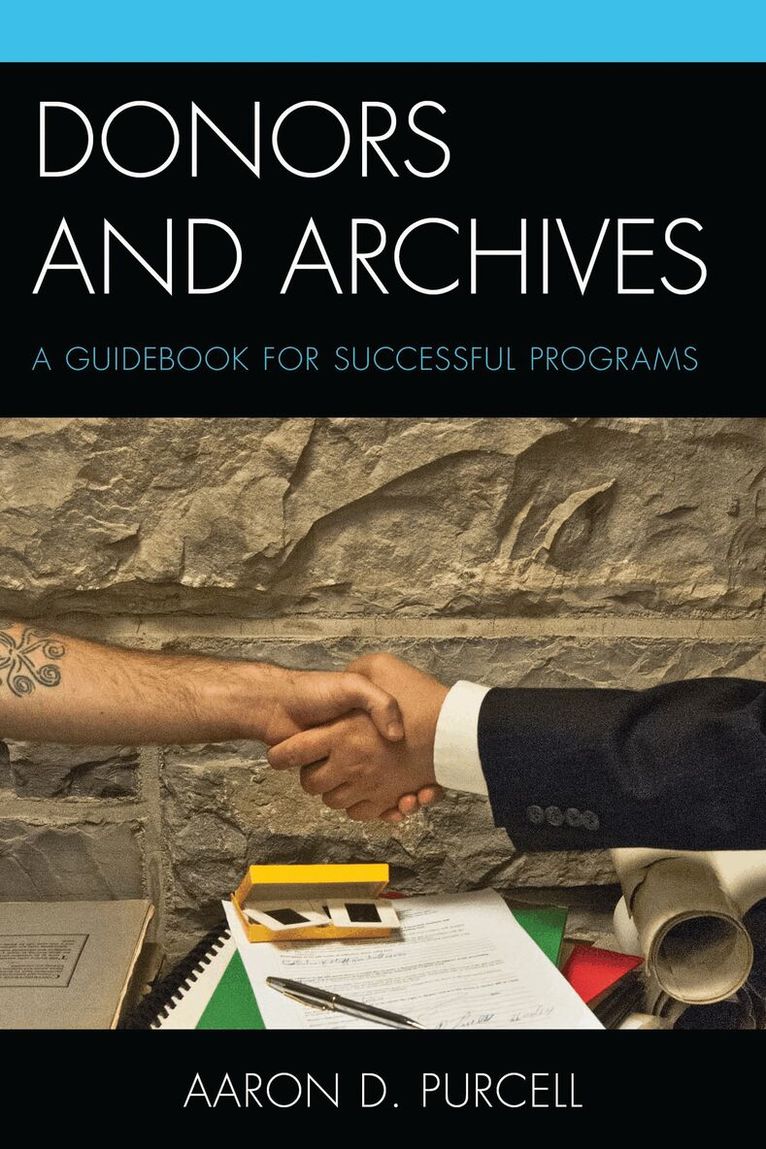
Donor work and fundraising is essential for any vibrant archival program. Without new collections and new funding, archives programs can stagnate, and their operations can become vulnerable to economic downturns. Archivists spend a lot of time managing collections, other archivists, and researchers in their reading rooms, but often not enough time considering the stuff that makes up their collections, where that stuff comes from, and how that stuff—and the sources of that stuff—can be valuable tools for advocacy, promotion, and fundraising for their archival programs. Donors and Archives: A Guidebook for Successful Programs reviews the complex landscape of donor work, archival donations, and institutional fundraising for today’s archivists. It provides practical approaches to enhance donor relations for all types of archival programs, such as academic, government, private, and corporate archives. The book covers the planning, the process, and the partners needed for successful donations and donor programs. Arranged into four sections, the book offers practical advice and best practices in a number of areas including: how donations work, who donates to archives, how to prepare for donors, how to evaluate and manage the stuff from potential donors, how to work with an institution’s development office, what are the obligations and expectations of archivists and donors, how to develop donor strategies, how to work with friends and supporters of the archives program, what happens after the donation is complete, and what is the overall value of donors to archival programs. Donors and Archives: A Guidebook for Successful Programs highlights the importance of development and fundraising for archives, while focusing on the donor and potential donor. Their interest, their support, their enthusiasm, and their stuff are vital to the success of archival programs. Archivists involved in donor work and fundraising will find the practical advice and best practices in this book applicable, replicable, timely, and valuable.
1 324 kr
Skickas inom 10-15 vardagar
Donor work and fundraising is essential for any vibrant archival program. Without new collections and new funding, archives programs can stagnate, and their operations can become vulnerable to economic downturns. Archivists spend a lot of time managing collections, other archivists, and researchers in their reading rooms, but often not enough time considering the stuff that makes up their collections, where that stuff comes from, and how that stuff—and the sources of that stuff—can be valuable tools for advocacy, promotion, and fundraising for their archival programs. Donors and Archives: A Guidebook for Successful Programs reviews the complex landscape of donor work, archival donations, and institutional fundraising for today’s archivists. It provides practical approaches to enhance donor relations for all types of archival programs, such as academic, government, private, and corporate archives. The book covers the planning, the process, and the partners needed for successful donations and donor programs. Arranged into four sections, the book offers practical advice and best practices in a number of areas including: how donations work, who donates to archives, how to prepare for donors, how to evaluate and manage the stuff from potential donors, how to work with an institution’s development office, what are the obligations and expectations of archivists and donors, how to develop donor strategies, how to work with friends and supporters of the archives program, what happens after the donation is complete, and what is the overall value of donors to archival programs. Donors and Archives: A Guidebook for Successful Programs highlights the importance of development and fundraising for archives, while focusing on the donor and potential donor. Their interest, their support, their enthusiasm, and their stuff are vital to the success of archival programs. Archivists involved in donor work and fundraising will find the practical advice and best practices in this book applicable, replicable, timely, and valuable.
1 427 kr
Skickas inom 10-15 vardagar
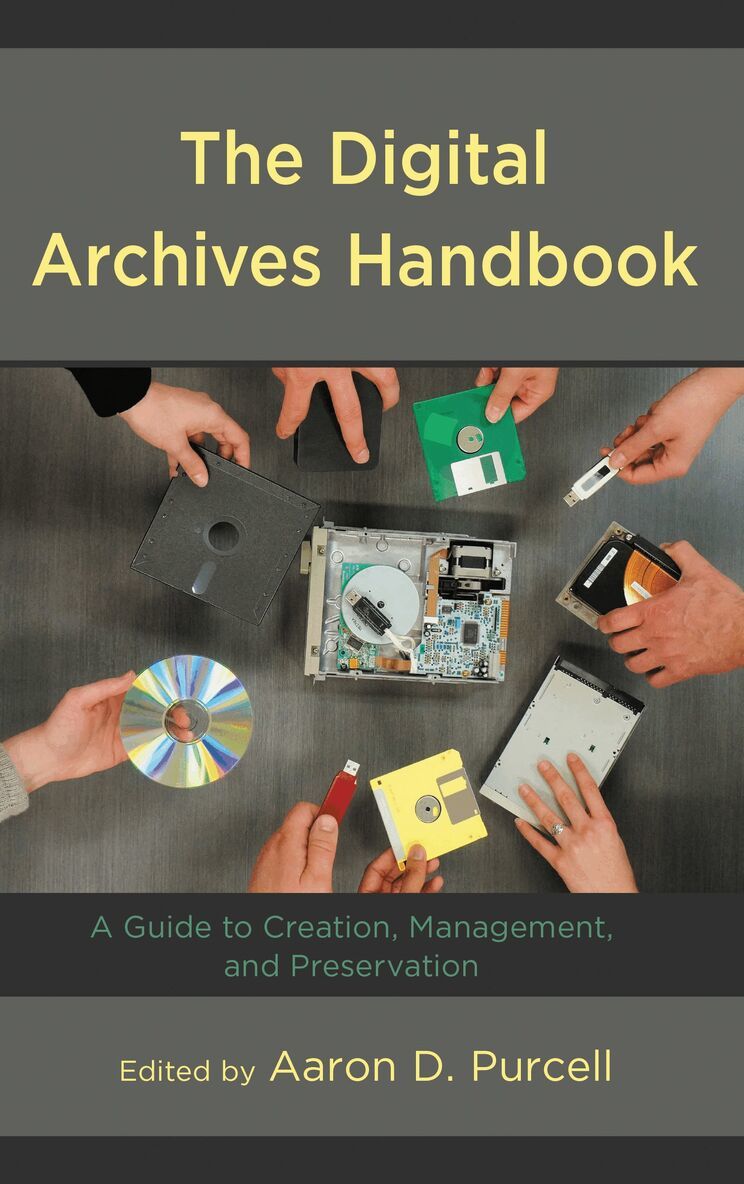
The Digital Archives Handbook provides archivists a roadmap to create and care for digital archives. Written by archival experts and practitioners, Purcell brings together theoretical and practical approaches to creating, managing, and preserving digital archives. The first section is focused on processes and practices, including chapters on acquisitions, appraisal, arrangement, description, delivery, preservation, forensics, curation, and intellectual property. The second section is focused on digital collections and specific environments where archivists are managing digital collections. These chapters review digital collections in categories including performing arts, oral history, architectural and design records, congressional collections, and email. The book discuss the core components of digital archives—the technological infrastructure that provides storage, access, and long-term preservation; the people or organizations that create or donate digital material to archives programs, as well as the researchers use them; and the digital collections themselves, full of significant research content in a variety of formats with a multitude of research possibilities. The chapters emphasize that the people and the collections that make up digital archives are just as important as the technology. Also highlighted are the importance of donors and creators of digital archives. Building digital archives parallels the cycle of donor work—planning, cultivation, and stewardship. During each stage, archivists work with donors to ensure that the digital collections will be arranged, described, preserved, and made accessible for years to come. Archivists must take proactive and informed actions to build valuable digital collections. Knowing where digital materials come from, how those materials were created, what materials are important, what formats or topical areas are included, and how to serve those collections to researchers in the long term is central to archival work. This handbook is designed to generate new discussions about how archivists of the twenty-first century can overcome current challenges and chart paths that anticipate, rather than merely react to, future donations of digital archives.
668 kr
Skickas inom 10-15 vardagar
The Digital Archives Handbook provides archivists a roadmap to create and care for digital archives. Written by archival experts and practitioners, Purcell brings together theoretical and practical approaches to creating, managing, and preserving digital archives. The first section is focused on processes and practices, including chapters on acquisitions, appraisal, arrangement, description, delivery, preservation, forensics, curation, and intellectual property. The second section is focused on digital collections and specific environments where archivists are managing digital collections. These chapters review digital collections in categories including performing arts, oral history, architectural and design records, congressional collections, and email. The book discuss the core components of digital archives—the technological infrastructure that provides storage, access, and long-term preservation; the people or organizations that create or donate digital material to archives programs, as well as the researchers use them; and the digital collections themselves, full of significant research content in a variety of formats with a multitude of research possibilities. The chapters emphasize that the people and the collections that make up digital archives are just as important as the technology. Also highlighted are the importance of donors and creators of digital archives. Building digital archives parallels the cycle of donor work—planning, cultivation, and stewardship. During each stage, archivists work with donors to ensure that the digital collections will be arranged, described, preserved, and made accessible for years to come. Archivists must take proactive and informed actions to build valuable digital collections. Knowing where digital materials come from, how those materials were created, what materials are important, what formats or topical areas are included, and how to serve those collections to researchers in the long term is central to archival work. This handbook is designed to generate new discussions about how archivists of the twenty-first century can overcome current challenges and chart paths that anticipate, rather than merely react to, future donations of digital archives.
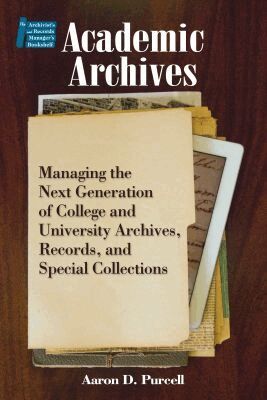
Academic Archives
Managing the New Generation of College and University Archives, Records and Special Collections
Häftad, Engelska, 2012
1 027 kr
Skickas inom 7-10 vardagar
Today, the field of academic archives is more expansive and complex than ever before. In addition to college and university archives, academic archives encompass records management programs, special collections departments, and other campus archival repositories. This new definition of academic archives programs has redefined the role, and training, of academic archivists. This book gives you the tools to fill that role, including collection strategies, a management plan for electronic records, and development strategies for starting a campus records management program, and an understanding of the emerging trends affecting all archivists. Academic Archives is designed to appeal to archivists of all ranks and experience, archivists working both inside and outside of academic libraries, archivists in training, other information professionals, library directors, and members of the academic community. If you want to start an archives program, update an existing archives program, begin a career in academic archives, or remain current on recent developments, you’ll find valuable advice in this timely addition to the Archivist’s and Records Manager’s Bookshelf Series.
317 kr
Skickas inom 7-10 vardagar
In this second volume of the Interpreting American History series, experts on the 1930s address the changing historical interpretations of a critical period in American history. Following a decade of prosperity, the Great Depression brought unemployment, economic ruin, poverty, and a sense of hopelessness to millions of Americans. President Franklin D. Roosevelt's New Deal programs aimed to bring relief, recovery, and reform to the masses. More than seventy-five years after Roosevelt took the oath as president, Americans are still debating what did and did not happen in the 1930s to help the nation recover from its worst economic depression. Proponents and detractors have cast the successes and failures of the New Deal in many lights. Historians have argued that the New Deal went too far, that it did not go far enough, that it created more problems than it solved, and even that its shaky foundations are the reason for the economic and social instability of the Great Recession of the early twenty-first century.The contributors to this volume explore how historians have judged the nature, effects, and outcomes of the New Deal. Arranged in three sections, the essays discuss Roosevelt's New Deal revolution, explore the groups on the fringes of the New Deal, and consider the legacies of 1930s reform. Chapters focus on specific areas of study, including politics, agriculture, the environment, labor, African Americans, the economy, social programs, the arts, mobilization for World War II, and memory. These fields represent today's emerging interpretations of one of the most significant decades of the twentieth century.Interpreting American History: The New Deal and the Great Depression introduces readers to this important period by examining the major historical debates that surround the 1930s, giving students a succinct and indispensable istoriographic overview.
541 kr
Skickas inom 10-15 vardagar
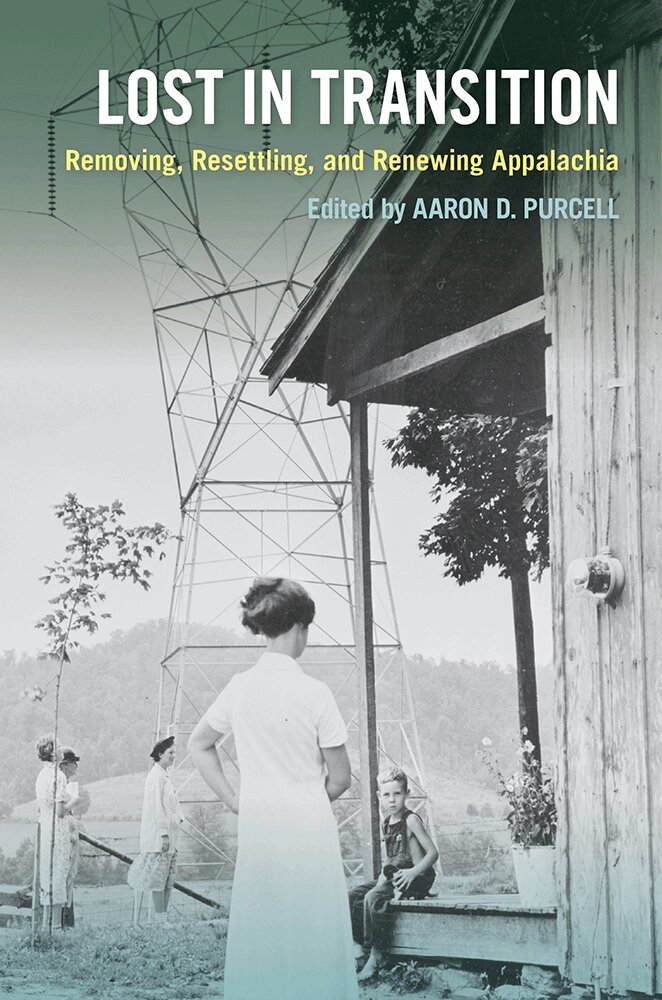
In Lost in Transition: Removing, Resettling, and Renewing Appalachia, Aaron D. Purcell presents a thematic and chronological exploration of twentieth-century removal and resettlement projects across southern Appalachia. The book shares complex stories of loss and recollection that have grown and evolved over time.This edited volume contains seven case studies of public land removal actions in Virginia, Kentucky, the Carolinas, and Tennessee from the 1930s through the 1960s. Some of the removals include the Tennessee Valley Authority and the Norris Basin, Shenandoah National Park and the New River, the Great Smoky Mountains National Park, and the Keowee-Toxaway Project in northwestern South Carolina. Each essay asks key questions: How did governmental entities throughout the twentieth century deal with land acquisition and removal of families and communities? What do the oral histories of the families and communities, particularly from different generations, tell us about the legacies of these removals? This collection reveals confrontations between past and present, federal agencies and citizens, and the original accounts of removal and resettlement and contemporary interpretations. The result is a blending of practical historical concerns with contemporary nostalgia and romanticism, which often deepen the complexity of Appalachian cultural life.Lost in Transition provides a nuanced and insightful study of removal and resettlement projects that applies critical analysis of fact, mythology, and storytelling. It illustrates the important role of place in southern Appalachian history. This collection is a helpful resource to anthropologists, folklorists, and Appalachian studies scholars, and a powerful volume of stories for all readers who reflect upon the importance of place and home.