Aaron Kushner - Böcker
Visar alla böcker från författaren . Handla med fri frakt och snabb leverans.
2 produkter
2 produkter
503 kr
Skickas inom 10-15 vardagar
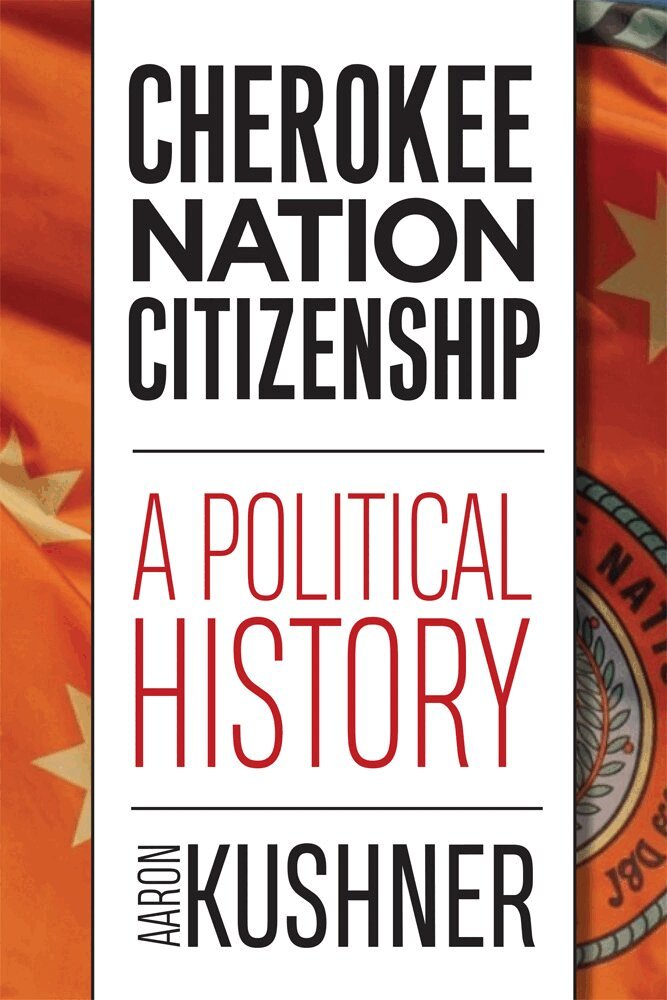
For the Cherokee Nation of Oklahoma, citizenship is an active way of life. In this, Aaron Kushner contends, it differs from the general American understanding of citizenship as a statement. Cherokee Nation Citizenship is Kushner’s exploration of legal citizenship in the Cherokee Nation, how the law has developed and changed over time, and what lessons this living idea and its history hold for Americans, Native and non-Native alike. The first political history of Cherokee Nation citizenship laws, Kushner’s book challenges American presumptions about Indigenous politics and historical development, even as it encourages a rethinking of what citizenship is and does.The Cherokee Nation’s understanding of citizenship is complex, encompassing legal entitlements and privileges but also notions of identity, belonging, and cultural practice. Kushner traces the evolution of this concept from 1710 to the birth of the Cherokee Republic with its first constitution in the early 1800s through the 2017 federal court decision that required the Cherokee Nation to extend full citizenship benefits to African American Freedmen. His account documents major shifts in the Cherokee Nation’s articulation of citizenship—changes introduced by the 1866 treaty that followed the Civil War, the allotment era of the late 1800s and early 1900s, and the Nation’s new constitution in the 1970s. The idea of Gadugi, which translates as “coordinated work for the common good,” is a foundational thread running through this history—an element that has helped the Cherokee Nation sustain itself, Kushner suggests, and that embodies a sense of responsibility and resilience that non-Native Americans can learn from.
1 142 kr
Skickas inom 10-15 vardagar
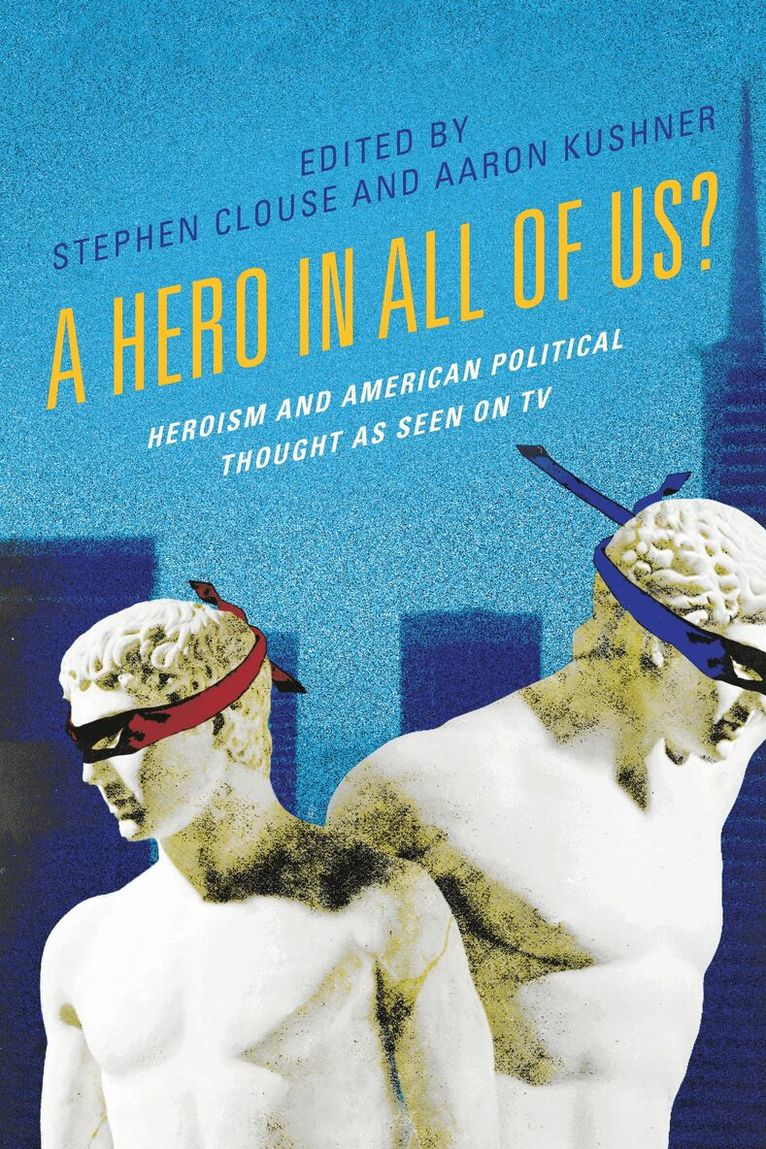
Is heroism possible for everyone? Should it be? What kinds of stories do we tell when we talk about heroes and what do these stories reveal about how we view ourselves? This book takes up these questions and more by reflecting on twenty-first century American television shows. Among the shows examined are Only Murders in the Building, Game of Thrones, The Good Lord Bird, The Boys, and Severance. What we find is an entertainment landscape unsure about what a hero is or even what qualifies as heroic. In a nation uncertain about heroism, we see a dramatic rise in the popularity of the anti-hero and even in worlds without heroes. This fragmented variety highlights how the American political mind is similarly fragmented in what it believes are its highest aspirations—and its deepest anxieties. It is this fragmentation that may help us understand why twenty-first century entertainment has elevated the heroic to the supernatural while simultaneously democratizing heroism to the point where anyone may become one. A Hero in All of Us?: Heroism and American Political Thought as Seen on TV explores this multifaceted landscape to better understand how Americans view their heroes and themselves.