Aaron S. Gross - Böcker
Visar alla böcker från författaren Aaron S. Gross. Handla med fri frakt och snabb leverans.
4 produkter
4 produkter
563 kr
Skickas inom 10-15 vardagar
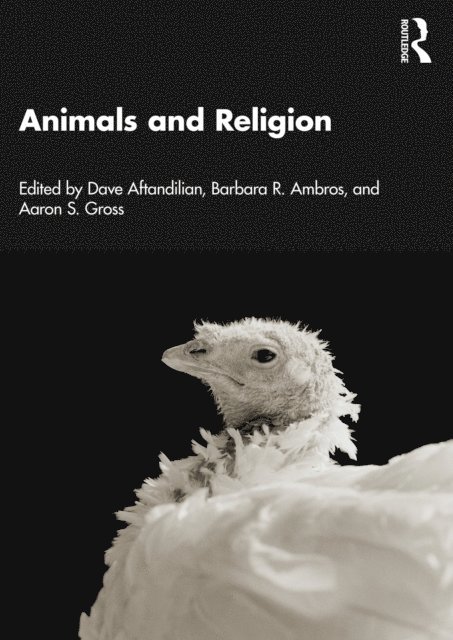
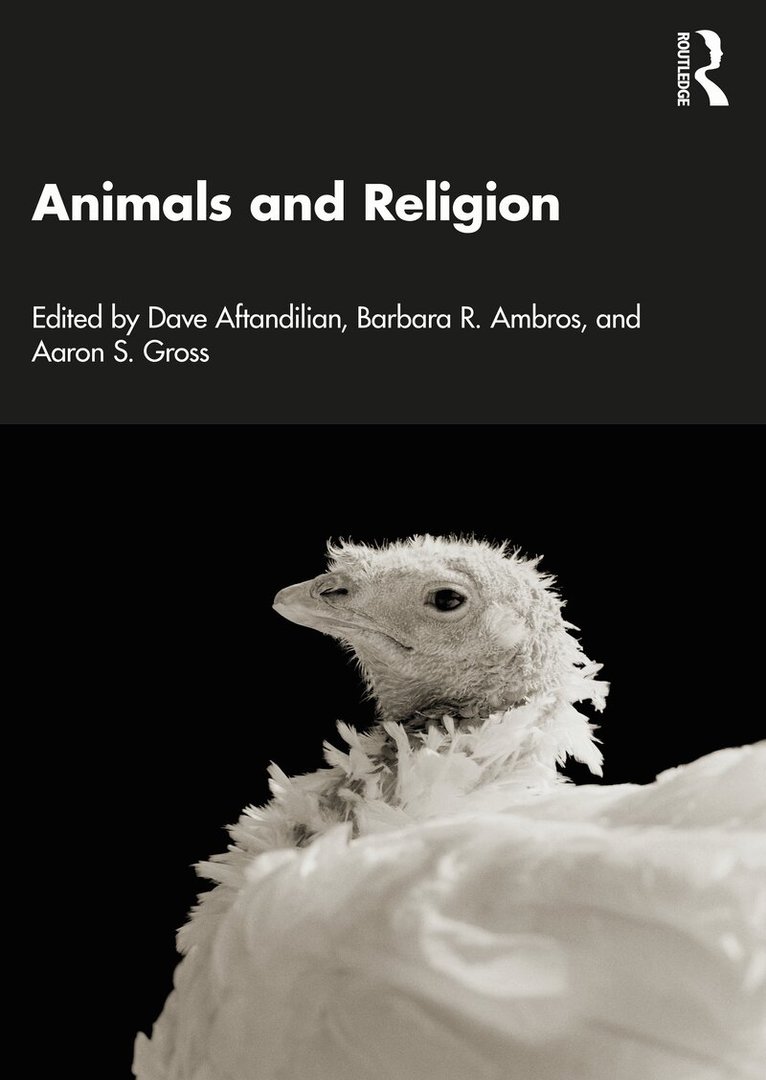
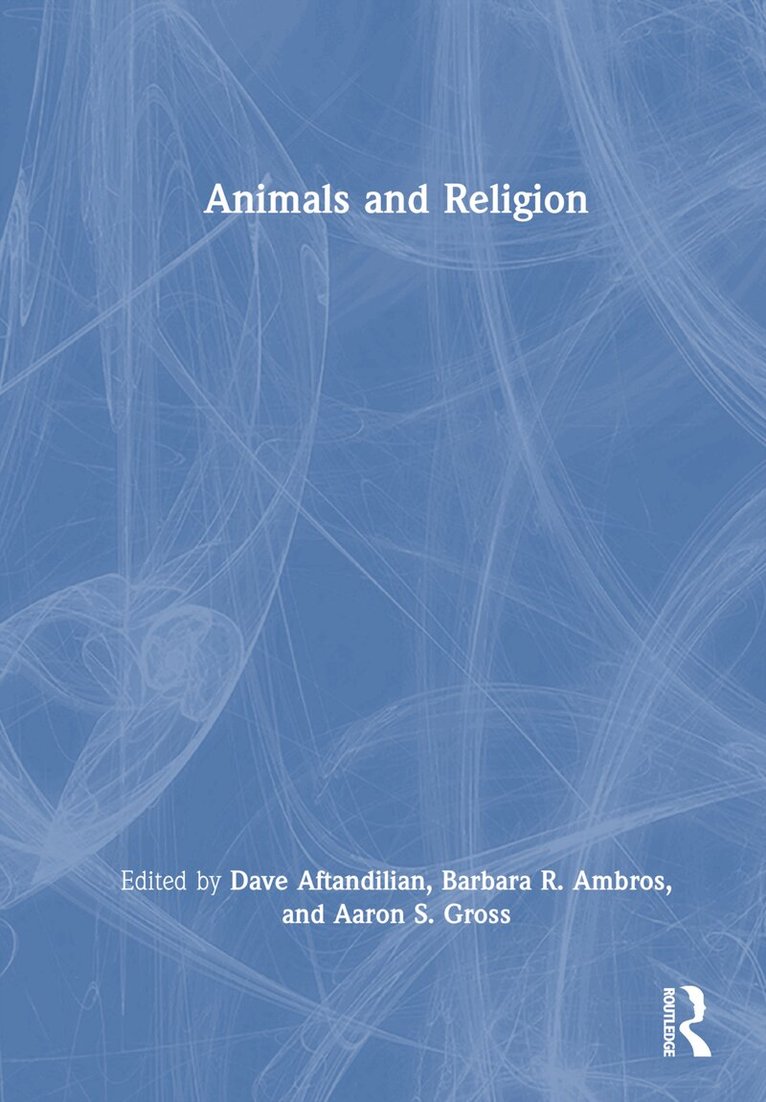
What do animals—other than human animals—have to do with religion? How do our religious ideas about animals affect the lives of real animals in the world? How can we deepen our understanding of both animals and religion by considering them together? Animals and Religion explores how animals have crucially shaped how we understand ourselves, the other living beings around us, and our relationships with them.Through incisive analyses of religious examples from around the world, the original contributions to this volume demonstrate how animals have played key roles in every known religious tradition, whether as sacred beings, symbols, objects of concern, fellow creatures, or religious teachers. And through our religious imagination, ethics, and practices, we have deeply impacted animal lives, whether by domesticating, sacrificing, dominating, eating, refraining from eating, blessing, rescuing, releasing, commemorating, or contemplating them. Drawing primarily on perspectives from religious studies and Christian theology, augmented by cutting-edge work in anthropology, biology, philosophy, and psychology, Animals and Religion offers the reader a richer understanding of who animals are and who we humans are. Do animals have emotions? Do they think or use language? Are they persons? How we answer questions like these affects diverse aspects of religion that shape not only how we relate to other animals, but also how we perceive and misperceive each other along axes of gender, race, and (dis)ability.Accessibly written and thoughtfully argued, Animals and Religion will interest anyone who wants to learn more about animals, religion, and what it means to be a human animal.
2 088 kr
Skickas inom 10-15 vardagar
What do animals—other than human animals—have to do with religion? How do our religious ideas about animals affect the lives of real animals in the world? How can we deepen our understanding of both animals and religion by considering them together? Animals and Religion explores how animals have crucially shaped how we understand ourselves, the other living beings around us, and our relationships with them.Through incisive analyses of religious examples from around the world, the original contributions to this volume demonstrate how animals have played key roles in every known religious tradition, whether as sacred beings, symbols, objects of concern, fellow creatures, or religious teachers. And through our religious imagination, ethics, and practices, we have deeply impacted animal lives, whether by domesticating, sacrificing, dominating, eating, refraining from eating, blessing, rescuing, releasing, commemorating, or contemplating them. Drawing primarily on perspectives from religious studies and Christian theology, augmented by cutting-edge work in anthropology, biology, philosophy, and psychology, Animals and Religion offers the reader a richer understanding of who animals are and who we humans are. Do animals have emotions? Do they think or use language? Are they persons? How we answer questions like these affects diverse aspects of religion that shape not only how we relate to other animals, but also how we perceive and misperceive each other along axes of gender, race, and (dis)ability.Accessibly written and thoughtfully argued, Animals and Religion will interest anyone who wants to learn more about animals, religion, and what it means to be a human animal.
319 kr
Skickas inom 7-10 vardagar
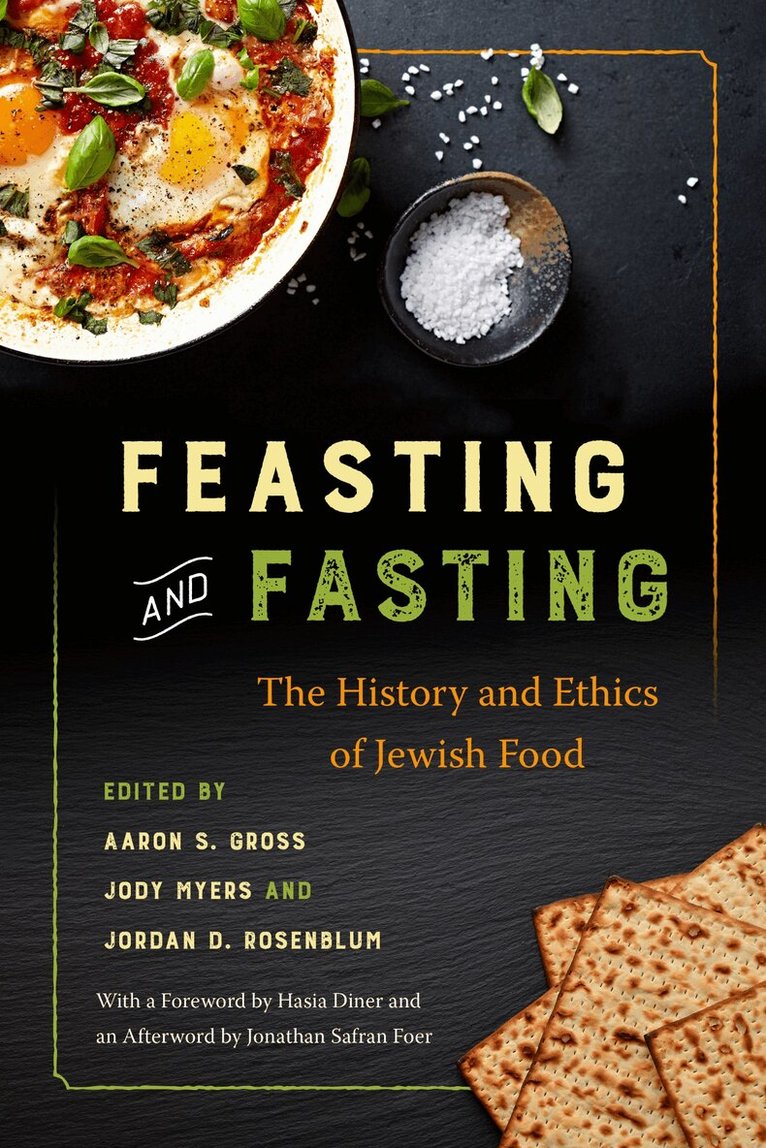
How Judaism and food are intertwined Judaism is a religion that is enthusiastic about food. Jewish holidays are inevitably celebrated through eating particular foods, or around fasting and then eating particular foods. Through fasting, feasting, dining, and noshing, food infuses the rich traditions of Judaism into daily life. What do the complicated laws of kosher food mean to Jews? How does food in Jewish bellies shape the hearts and minds of Jews? What does the Jewish relationship with food teach us about Christianity, Islam, and religion itself? Can food shape the future of Judaism? Feasting and Fasting explores questions like these to offer an expansive look at how Judaism and food have been intertwined, both historically and today. It also grapples with the charged ethical debates about how food choices reflect competing Jewish values about community, animals, the natural world and the very meaning of being human. Encompassing historical, ethnographic, and theoretical viewpoints, and including contributions dedicated to the religious dimensions of foods including garlic, Crisco, peanut oil, and wine, the volume advances the state of both Jewish studies and religious studies scholarship on food. Bookended with a foreword by the Jewish historian Hasia Diner and an epilogue by the novelist and food activist Jonathan Safran Foer, Feasting and Fasting provides a resource for anyone who hungers to understand how food and religion intersect.
1 037 kr
Skickas inom 10-15 vardagar
How Judaism and food are intertwined Judaism is a religion that is enthusiastic about food. Jewish holidays are inevitably celebrated through eating particular foods, or around fasting and then eating particular foods. Through fasting, feasting, dining, and noshing, food infuses the rich traditions of Judaism into daily life. What do the complicated laws of kosher food mean to Jews? How does food in Jewish bellies shape the hearts and minds of Jews? What does the Jewish relationship with food teach us about Christianity, Islam, and religion itself? Can food shape the future of Judaism? Feasting and Fasting explores questions like these to offer an expansive look at how Judaism and food have been intertwined, both historically and today. It also grapples with the charged ethical debates about how food choices reflect competing Jewish values about community, animals, the natural world and the very meaning of being human. Encompassing historical, ethnographic, and theoretical viewpoints, and including contributions dedicated to the religious dimensions of foods including garlic, Crisco, peanut oil, and wine, the volume advances the state of both Jewish studies and religious studies scholarship on food. Bookended with a foreword by the Jewish historian Hasia Diner and an epilogue by the novelist and food activist Jonathan Safran Foer, Feasting and Fasting provides a resource for anyone who hungers to understand how food and religion intersect.