
Adam Bezuijen – författare
Visar alla böcker från författaren . Handla med fri frakt och snabb leverans.
8 produkter
8 produkter
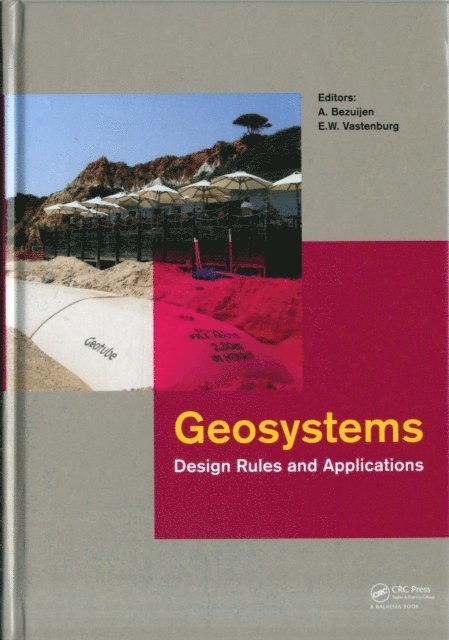
E-bok
PDF, Engelska, 20121 227 kr
Läs direkt efter köp
Geotextile encapsulated sand elements are three-dimensional systems manufactured from textile materials, non-woven materials or combinations of textile and non-woven materials that are filled with sand on-site. These systems are relatively new and the number of applications is growing in river and coastal engineering. Quite often Geosystems are men
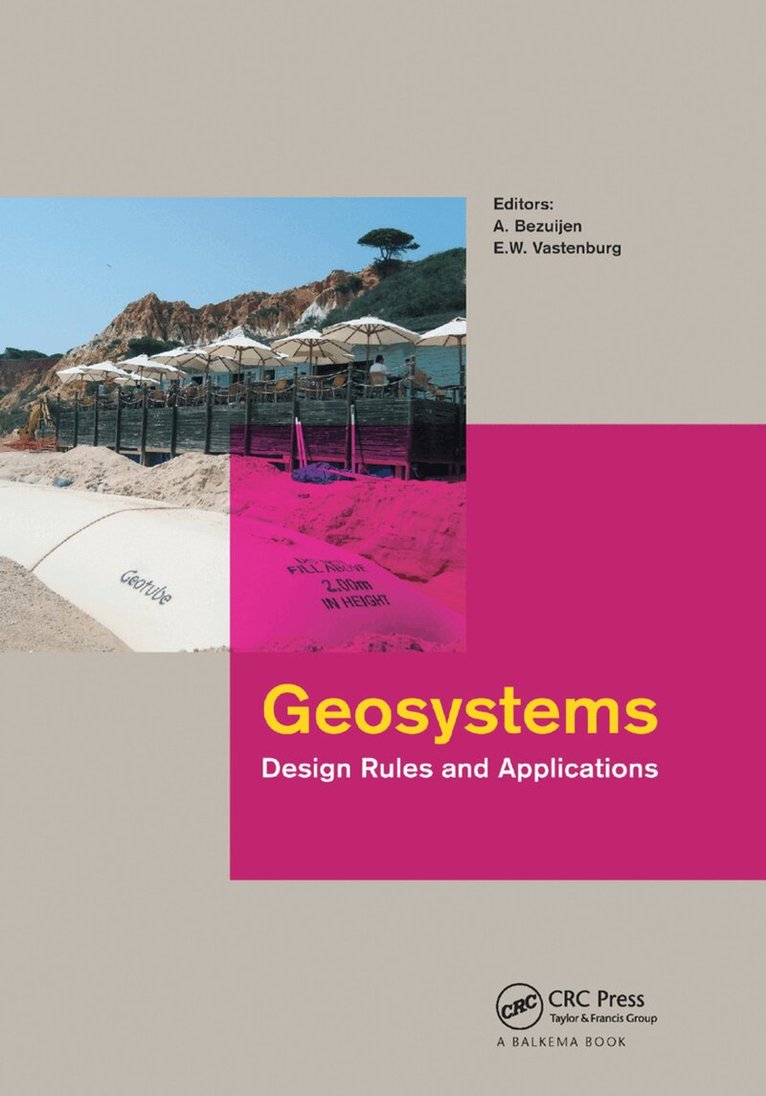
Häftad, Engelska, 2019
1 030 kr
Skickas inom 10-15 vardagar
Geotextile encapsulated sand elements are three-dimensional systems manufactured from textile materials, non-woven materials or combinations of textile and non-woven materials that are filled with sand on-site. These systems are relatively new and the number of applications is growing in river and coastal engineering. Quite often Geosystems are mentioned as a possible solution, but planners, designers and contractors feel rather hesitant about the application of geotextile encapsulated sand elements due to a lack of experience and adequate design rules.The use of geosystems has the advantage that local material can be applied and that no (expensive) quarry stone needs to be extracted and transported from the mountains to the site. Compared to traditional construction methods (with quarry stone) the application of geotextile sand filled elements may add considerable operational advantages to the execution of marine works and may offer attractive financial opportunities. In the application of geotextile encapsulated sand elements however, proper attention should be paid to the laying down of different responsibilities of the parties in the contract.In Geosystems. Design Rules and Applications four types of geotextile sand elements are distinguished, each with specific properties: geo-bags, geo-mattresses, geotextile tubes and geotextile containers. The focus is on the use of geosystems filled with sand as a construction in river and coastal engineering. Geosystems filled with sludge are not covered. The chapters “Introduction” and “General design aspects” are followed by four chapters of the same structure dealing with the various systems. Each of these four chapters starts with a general description and applications and ends with a calculation example. Design aspects are dealt with in the remaining paragraphs.Geosystems. Design Rules and Applications is based on research commissioned by the Dutch Rijkswa
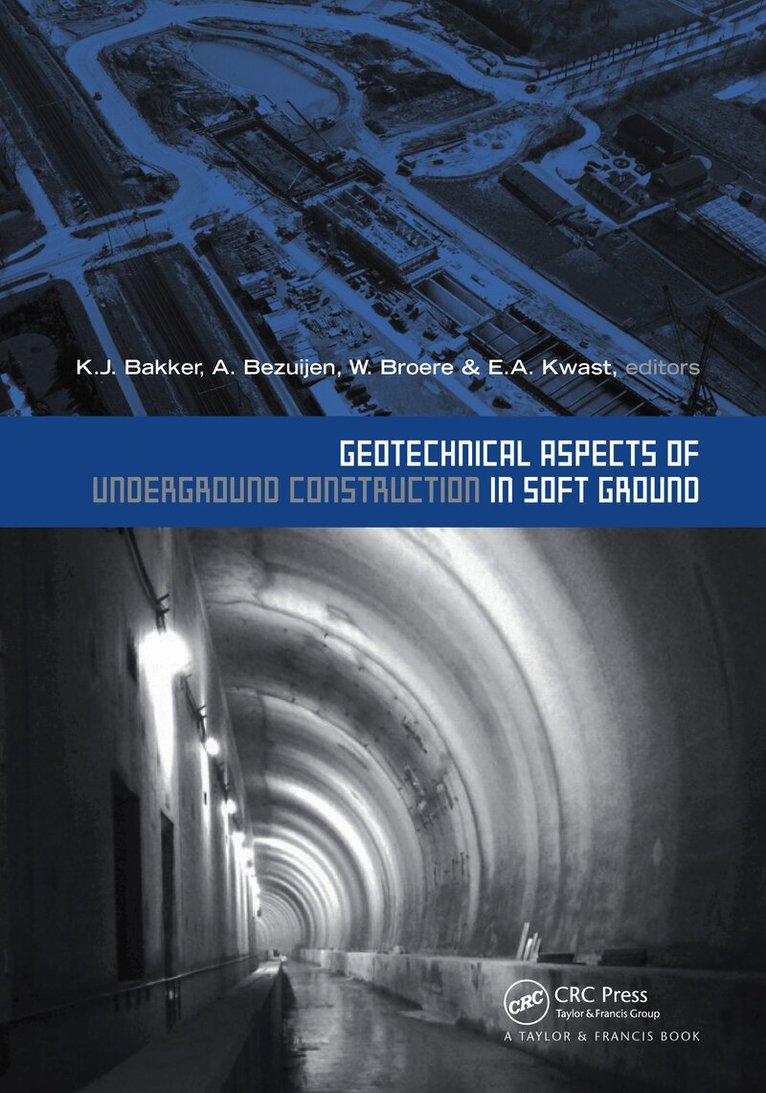
Inbunden, Engelska, 2005
6 316 kr
Skickas inom 10-15 vardagar
A valuable source of reference on the current practices of analysis, design and construction of tunnels and underground structures in soft ground. This collection of reviewed papers covers a wide range of tunnelling practice, from deep excavations in Singapore to the construction of a new metro line in Barcelona. The international scope of the contributors makes this a truly comprehensive collection of work on the geotechnical aspects of soft ground excavation.
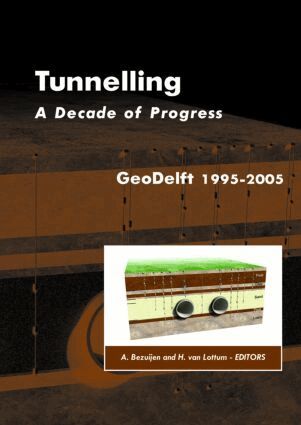
Inbunden, Engelska, 2005
1 465 kr
Skickas inom 10-15 vardagar
Following years of research, the first bored tunnel in soft soil in the Netherlands, the Tweede Heinenoord tunnel, was completed in 1998. Since then, Dutch engineers have increased their knowledge of soft soil tunnelling, with a significant and important part of this research being carried out by GeoDelft, the Dutch National Institute of Geo-Engineering. This book contains the most important publications by GeoDelft on the subject of soft soil tunnelling, focusing on the period from 1992 to the present, it is divided into four main headings: field measurements; grout behaviour; model testing; and numerical analysis. This impressive overview of the progress made in the Netherlands in soft soil tunnelling research over more than a decade is a valuable resource to those working in soft soil tunnelling worldwide.
Inbunden, Engelska, 2012
1 465 kr
Skickas inom 10-15 vardagar
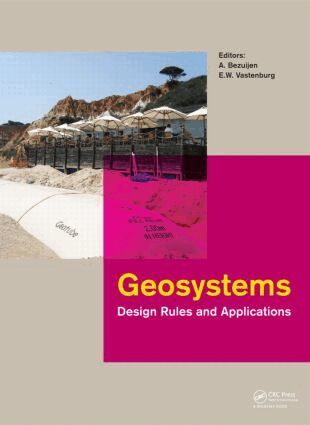
Geotextile encapsulated sand elements are three-dimensional systems manufactured from textile materials, non-woven materials or combinations of textile and non-woven materials that are filled with sand on-site. These systems are relatively new and the number of applications is growing in river and coastal engineering. Quite often Geosystems are mentioned as a possible solution, but planners, designers and contractors feel rather hesitant about the application of geotextile encapsulated sand elements due to a lack of experience and adequate design rules.The use of geosystems has the advantage that local material can be applied and that no (expensive) quarry stone needs to be extracted and transported from the mountains to the site. Compared to traditional construction methods (with quarry stone) the application of geotextile sand filled elements may add considerable operational advantages to the execution of marine works and may offer attractive financial opportunities. In the application of geotextile encapsulated sand elements however, proper attention should be paid to the laying down of different responsibilities of the parties in the contract.In Geosystems. Design Rules and Applications four types of geotextile sand elements are distinguished, each with specific properties: geo-bags, geo-mattresses, geotextile tubes and geotextile containers. The focus is on the use of geosystems filled with sand as a construction in river and coastal engineering. Geosystems filled with sludge are not covered. The chapters “Introduction” and “General design aspects” are followed by four chapters of the same structure dealing with the various systems. Each of these four chapters starts with a general description and applications and ends with a calculation example. Design aspects are dealt with in the remaining paragraphs.Geosystems. Design Rules and Applications is based on research commissioned by the Dutch Rijkswa
E-bok
PDF, Engelska, 20057 565 kr
Läs direkt efter köp
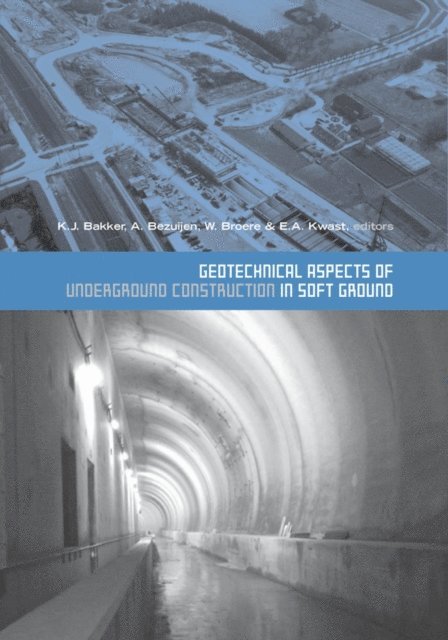
A valuable source of reference on the current practices of analysis, design and construction of tunnels and underground structures in soft ground. This collection of reviewed papers covers a wide range of tunnelling practice, from deep excavations in Singapore to the construction of a new metro line in Barcelona.
E-bok
Engelska, 20057 565 kr
Läs direkt efter köp
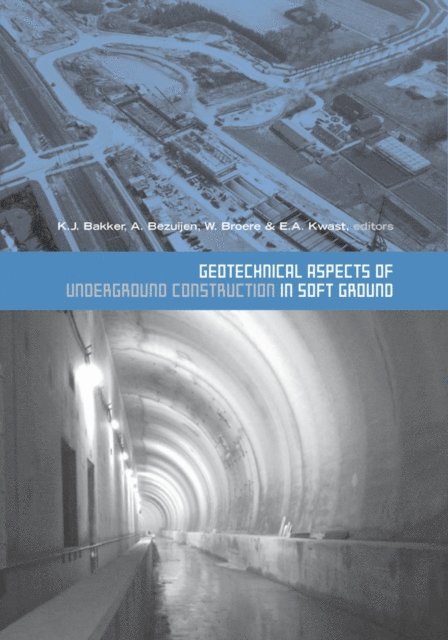
A valuable source of reference on the current practices of analysis, design and construction of tunnels and underground structures in soft ground. This collection of reviewed papers covers a wide range of tunnelling practice, from deep excavations in Singapore to the construction of a new metro line in Barcelona.
E-bok
Engelska, 20121 227 kr
Läs direkt efter köp
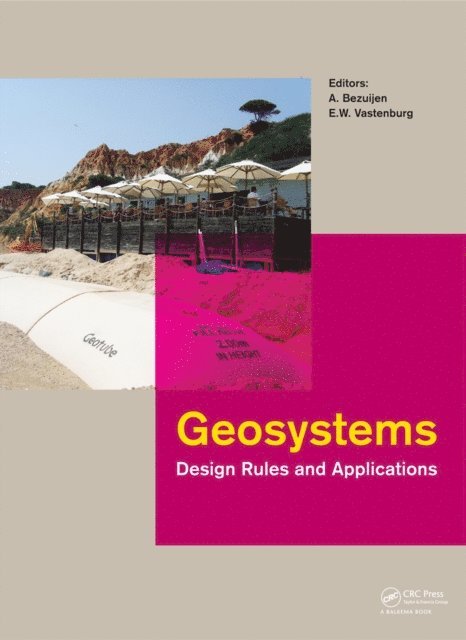
Geotextile encapsulated sand elements are three-dimensional systems manufactured from textile materials, non-woven materials or combinations of textile and non-woven materials that are filled with sand on-site. These systems are relatively new and the number of applications is growing in river and coastal engineering. Quite often Geosystems are men