Adam Hilton - Böcker
Visar alla böcker från författaren Adam Hilton. Handla med fri frakt och snabb leverans.
3 produkter
3 produkter
592 kr
Skickas inom 10-15 vardagar
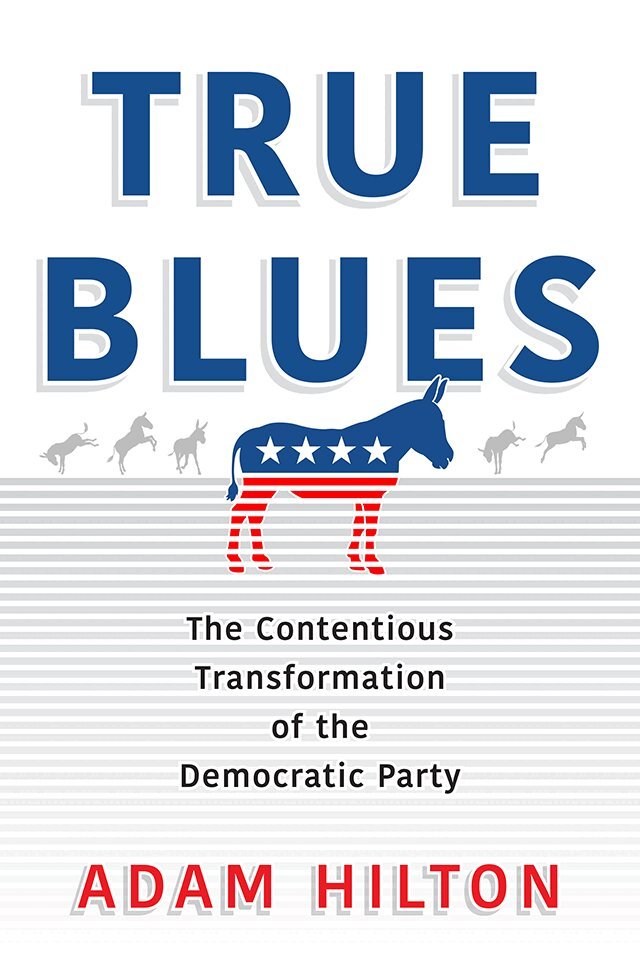
An examination of the transformation of the Democratic Party since the late 1960sWho governs political parties? Recent insurgent campaigns, such as those of Donald Trump and Bernie Sanders, have thrust this critical question to the center of political debate for casual observers and scholars alike. Yet the dynamics of modern party politics remain poorly understood. Assertions of either elite control or interest group dominance both fail to explain the Trump victory and the surprise of the Sanders insurgency and their subsequent reverberations through the American political landscape.In True Blues, Adam Hilton tackles the question of who governs parties by examining the transformation of the Democratic Party since the late 1960s. Reconceiving parties as "contentious institutions," Hilton argues that Democratic Party change was driven by recurrent conflicts between groups and officeholders to define and control party identity, program, and policy. The outcome of this prolonged struggle was a wholly new kind of party—an advocacy party—which institutionalized greater party dependence on outside groups for legitimacy and organizational support, while also, in turn, fostering greater group dependency on the presidency for the satisfaction of its symbolic and substantive demands. Consequently, while the long conflict between party reformers and counter-reformers successfully opened the Democratic Party to new voices and identities, it also facilitated the growth of presidential power, rising inequality, and deepening partisan polarization.Tracing the rise of the advocacy party from the fall of the New Deal order through the presidency of Barack Obama, True Blues explains how and why the Democratic Party has come to its current crossroads and suggests a bold new perspective for comprehending the dynamics driving American party politics more broadly.
309 kr
Skickas inom 7-10 vardagar
An examination of the transformation of the Democratic Party since the late 1960sWho governs political parties? Recent insurgent campaigns, such as those of Donald Trump and Bernie Sanders, have thrust this critical question to the center of political debate for casual observers and scholars alike. Yet the dynamics of modern party politics remain poorly understood. Assertions of either elite control or interest group dominance both fail to explain the Trump victory and the surprise of the Sanders insurgency and their subsequent reverberations through the American political landscape.In True Blues, Adam Hilton tackles the question of who governs parties by examining the transformation of the Democratic Party since the late 1960s. Reconceiving parties as "contentious institutions," Hilton argues that Democratic Party change was driven by recurrent conflicts between groups and officeholders to define and control party identity, program, and policy. The outcome of this prolonged struggle was a wholly new kind of party—an advocacy party—which institutionalized greater party dependence on outside groups for legitimacy and organizational support, while also, in turn, fostering greater group dependency on the presidency for the satisfaction of its symbolic and substantive demands. Consequently, while the long conflict between party reformers and counter-reformers successfully opened the Democratic Party to new voices and identities, it also facilitated the growth of presidential power, rising inequality, and deepening partisan polarization.Tracing the rise of the advocacy party from the fall of the New Deal order through the presidency of Barack Obama, True Blues explains how and why the Democratic Party has come to its current crossroads and suggests a bold new perspective for comprehending the dynamics driving American party politics more broadly.
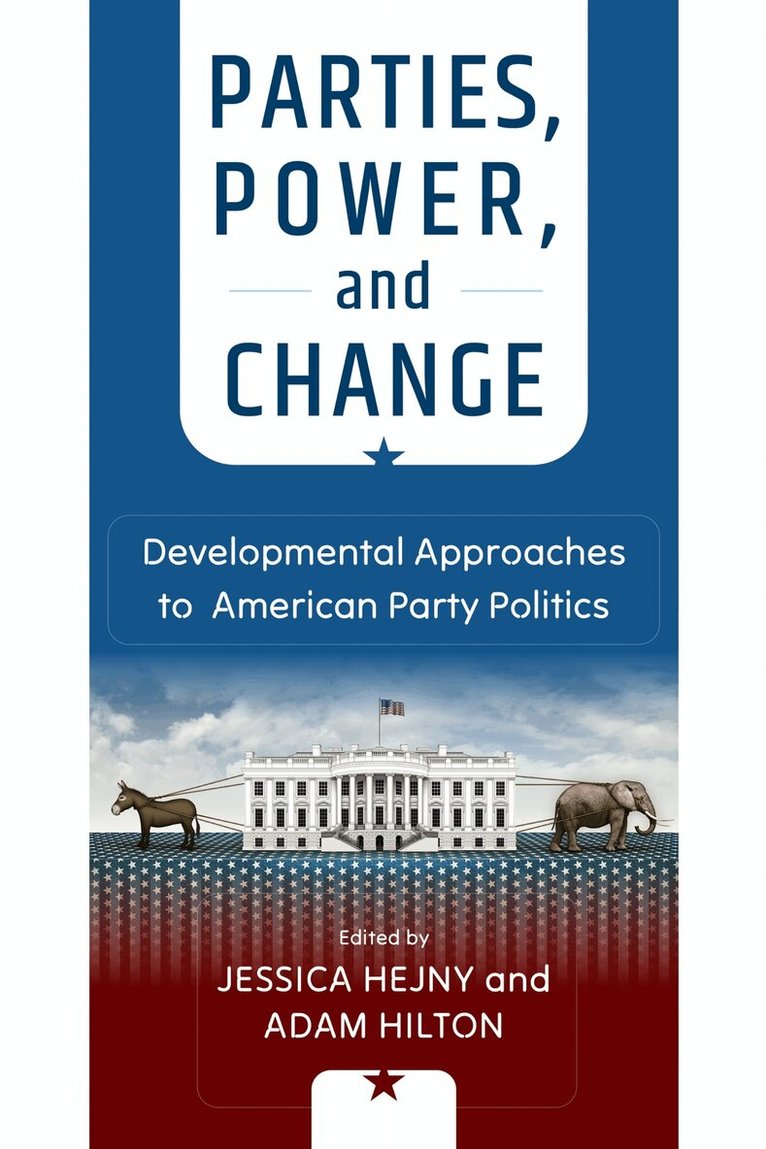
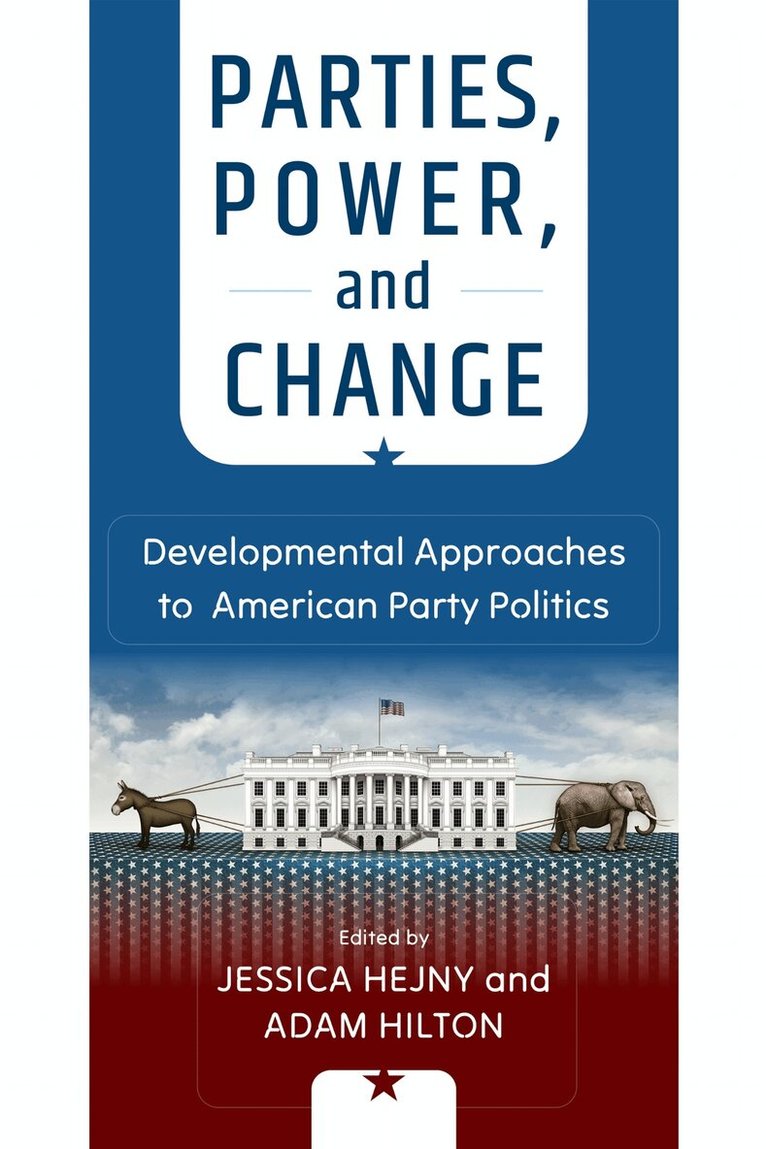
Parties, Power, and Change
Developmental Approaches to American Party Politics
Inbunden, Engelska, 2025
610 kr
Skickas inom 10-15 vardagar
How can citizens make sense of the complex mixture of durability and dynamism that animates American party politics? How should Americans understand—and come to terms with—contemporary partisan polarization and the democratic backsliding afflicting politics in the United States today? In this volume, contributors argue that the historical-institutionalist approach practiced by scholars of American Political Development (APD) offers enormous potential and can shed light on the paradoxical character of American party politics in general and the present conflicts plaguing the polity in particular.Parties, Power, and Change draws together a broad range of contributions from a new generation of historically oriented social scientists for the first time, and foregrounds political parties in the study of APD. By doing so, the volume highlights the ways in which party development has both been shaped by, and contributed to, changes in governing institutions and the democratic polity. The essays illuminate the developments that gave rise to salient features of the contemporary political landscape that occupy both academic and public discourse today, including shifts in ideology, group affiliations, and issue positions of the parties; changes in party structures; and partisan-driven democratic backsliding. Finally, this volume argues that, by viewing American politics through the lens of the historical development of party politics, readers can better understand the essential role that parties play in American history and see how parties can be mediating institutions that both sustain and undermine democracy.Contributors: Amel Ahmed, Gwendoline M. Alphonso, Julia Azari, Rachel M. Blum, Jeffrey D. Broxmeyer, Boris Heersink, Jessica Hejny, Adam Hilton, Daniel Klinghard, Didi Kuo, Matthew J. Lacombe, Verlan Lewis, Nicole Mellow, Sam Rosenfeld, Jeffrey S. Selinger, Daniel Schlozman.