
Adam Sowan – författare
Visar alla böcker från författaren . Handla med fri frakt och snabb leverans.
4 produkter
4 produkter
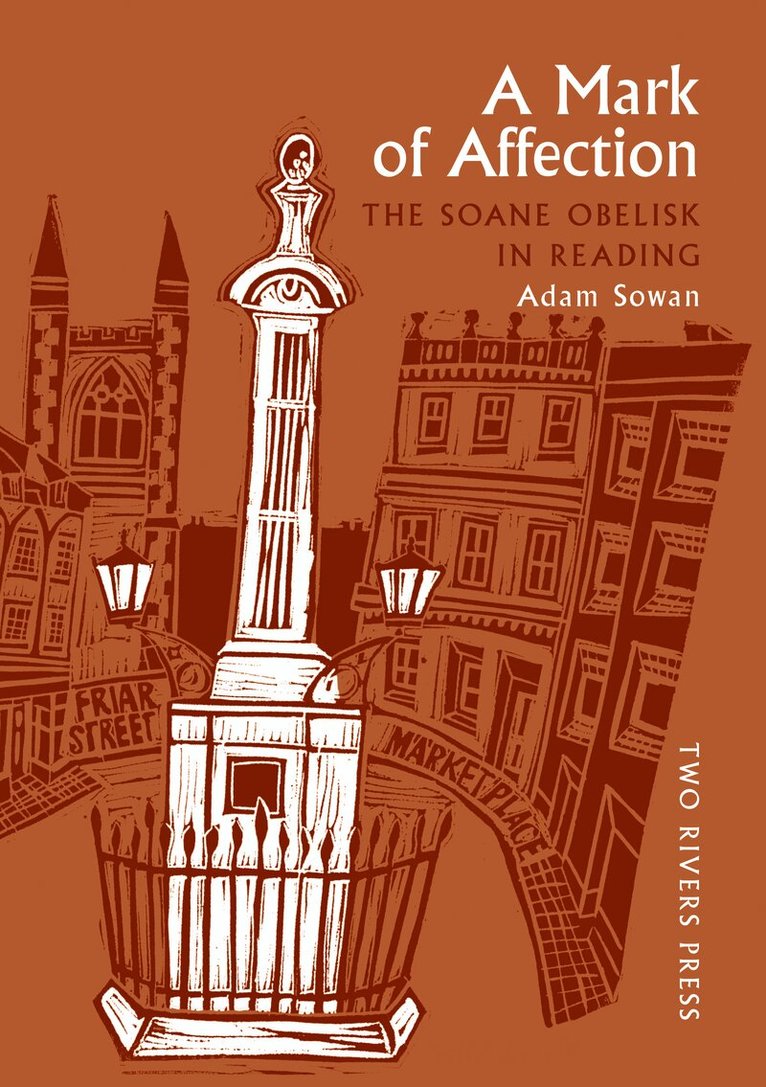
Häftad, Engelska, 2007
66 kr
Skickas
In the centre of Reading, stands a prominent stone obelisk supporting three bright lamps. It was built in 1804 at the expense of Edward Simeon, a director of the Bank of England, and designed by the great locally-born architect John Soane. It caused controversy and attracted criticism at first, and stood neglected and unlit in scruffy surroundings for many years, but after a full restoration it once again stands proudly and usefully in a worthy setting. Adam Sowan’s fifth local book traces the origins of the obelisk, the development of its design, and changes to its structure and surroundings over the last 200 years. It also chronicles Soane’s other Reading projects – some mooted, some built, some demolished and some mythical. The architect’s own drawings are complemented by newspaper photographs from the 19th and 20th centuries.
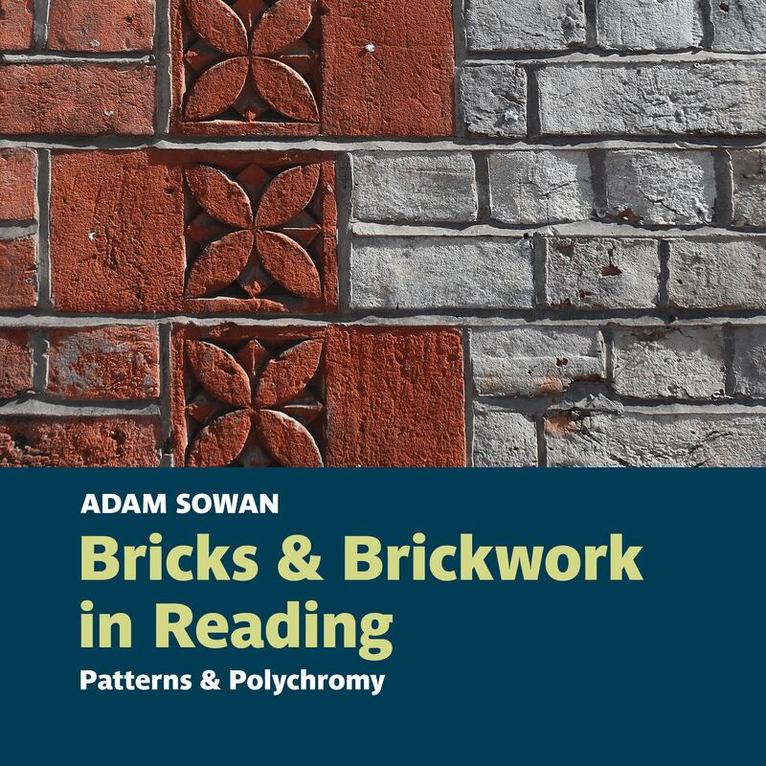
Häftad, Engelska, 2020
176 kr
Skickas
Brick features prominently in the towns of the Thames Valley, because the local geology provides little good building stone. Reading is particularly rewarding for the brick-fancier, thanks to the variety of colours available and the inventive patterns that Victorian bricklayers loved to make. Illustrated throughout with photographs of surviving examples, Reading Bricks and Brickwork revels in the delights of air bricks and crinkle-crankle walls, gets back to basics with bonding, tells the 100-year story of a successful Victorian brick maker and pays homage to Alfred Waterhouse. A walking tour gives the reader the opportunity to see the more notable examples of Reading's brickwork for themselves.
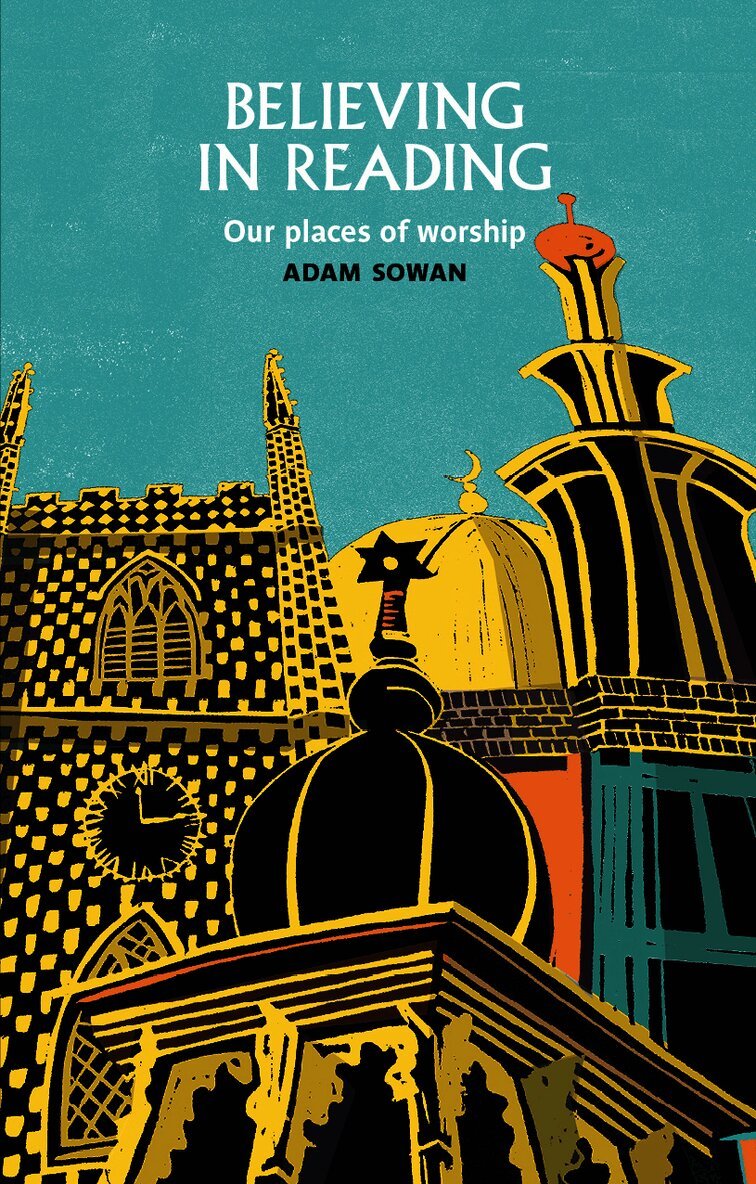
Häftad, Engelska, 2012
113 kr
Tillfälligt slut
Reading has many places of worship serving a number of faiths and sects. This book describes and tells the stories of ten of the more historically and architecturally interesting ones: the three parish churches founded in medieval times; Greyfriars, which was in secular use for many years; Roman Catholic St James's, Pugin's first ecclesiastical work; Victorian edifices serving a rapidly growing population; nonconformist and dissenting chapels; and the Friends' Meeting House, where both Huntley and Palmer are buried. Further chapters cover churches in the suburbs and the rise of other faiths, some of which worship in former Christian buildings. A variety of architectural styles are revealed, including medieval gothic, classical, neo-gothic and neo-Norman, Moorish-Byzantine, and Islamic. There is work by famous architects, including Waterhouse, Bodley and Comper. Inside the churches are some notable and curious fixtures and fittings: a rood screen from a cathedral in Birmingham, carved stonework from Reading Abbey, and a monument to a mathematician adorned with the five regular geometrical solids. Illustrated by Sally Castle with strikingly atmospheric linocut prints of the buildings and embellished with exquisite drawings by Martin Andrews, this book sheds new light on our often overlooked ecclesiastical heritage.
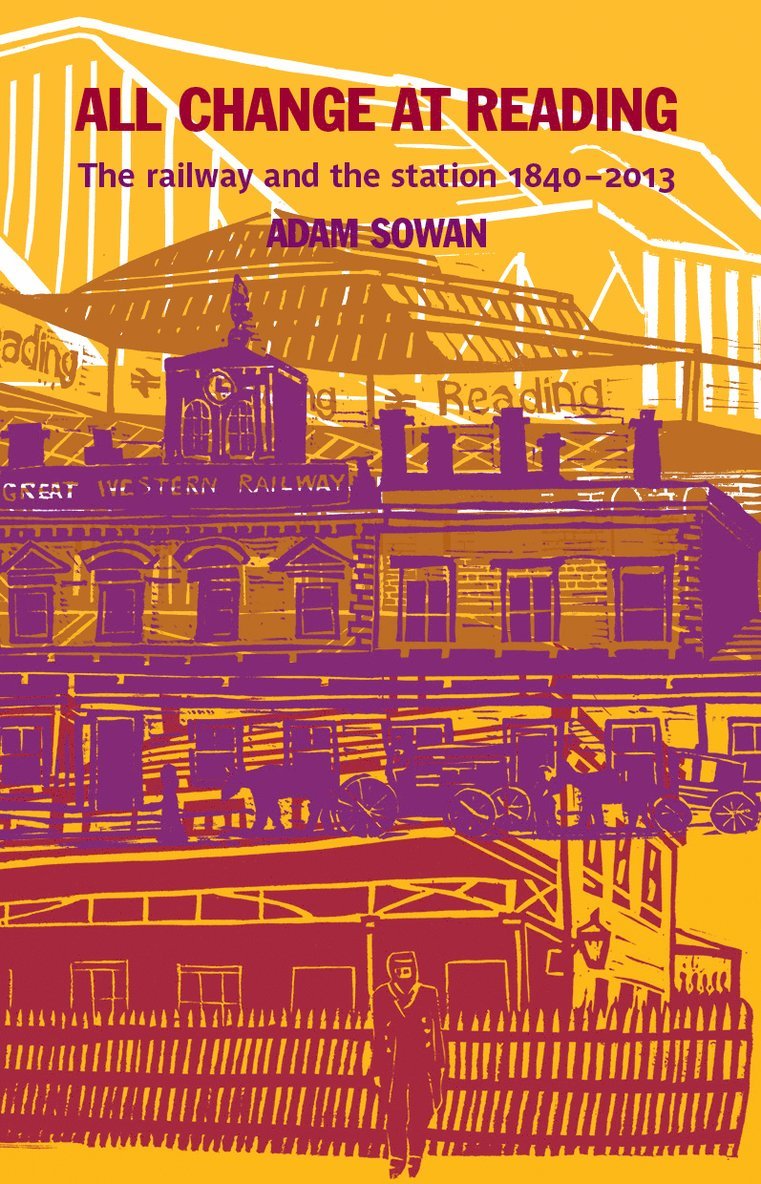
Häftad, Engelska, 2013
125 kr
Tillfälligt slut
Isambard Kingdom Brunel gave Reading an inconvenient station with but a single platform; after four major rebuilds it now has 15. This book documents 175 years of growth; the proliferation of branches and connections; the 'railway mania' of the 1840s; the 'battle of the gauges'; competition between the Great Western, South Western and South Eastern lines; increasing speeds; and the current transformation to a safe, flexible and efficient interchange. It looks forward to electrification and the possibility of through trains to Heathrow, the City, Essex, North Kent, and even mainland Europe.