Aditya Malik – författare
Visar alla böcker från författaren Aditya Malik. Handla med fri frakt och snabb leverans.
12 produkter
Tales of Justice and Rituals of Divine Embodiment
Oral Narratives from the Central Himalayas
Av Aditya Malik
E-bok, 2016
1595 kr
Lägg i varukorg
Based on extensive ethnographic fieldwork conducted in the Central Himalayan region of Kumaon, Tales of Justice and Rituals of Divine Embodiment draws on oral and written narratives, stories, testimonies, and rituals told and performed in relation to the "God of Justice," Goludev, and other …
Nectar Gaze and Poison Breath
An Analysis and Translation of the Rajasthani Oral Narrative of Devnarayan
Av Aditya Malik
Inbunden, 2005
2948 kr
Lägg i varukorg
This book offers a detailed study of the Devnarayan ki par, along with the first English translation of this well-known Rajasthani oral narrative. The tale of the god Devnarayan is performed by itinerant singer-priests during night-wakes in front of a very large painted scroll depicting characters …
Nectar Gaze and Poison Breath
An Analysis and Translation of the Rajasthani Oral Narrative of Devn-ar-aya?
Av Aditya Malik
E-bok, 2005
1283 kr
Lägg i varukorg
This book offers a detailed study of the oral narrative of Shri Devnarayan along with the first English translation of this popular Rajasthani folk narrative. The narrative extolling the deeds of Lord Devnarayan is performed by itinerant singers during all night vigils in front of a 9-meter long, …
Tales of Justice and Rituals of Divine Embodiment
Oral Narratives from the Central Himalayas
Av Aditya Malik
Inbunden, 2016
2444 kr
Lägg i varukorg
Based on extensive ethnographic fieldwork conducted in the Central Himalayan region of Kumaon, Tales of Justice and Rituals of Divine Embodiment from the Central Himalayas explores ideas of justice by drawing on oral and written narratives, stories, testimonies, and rituals told and performed in …
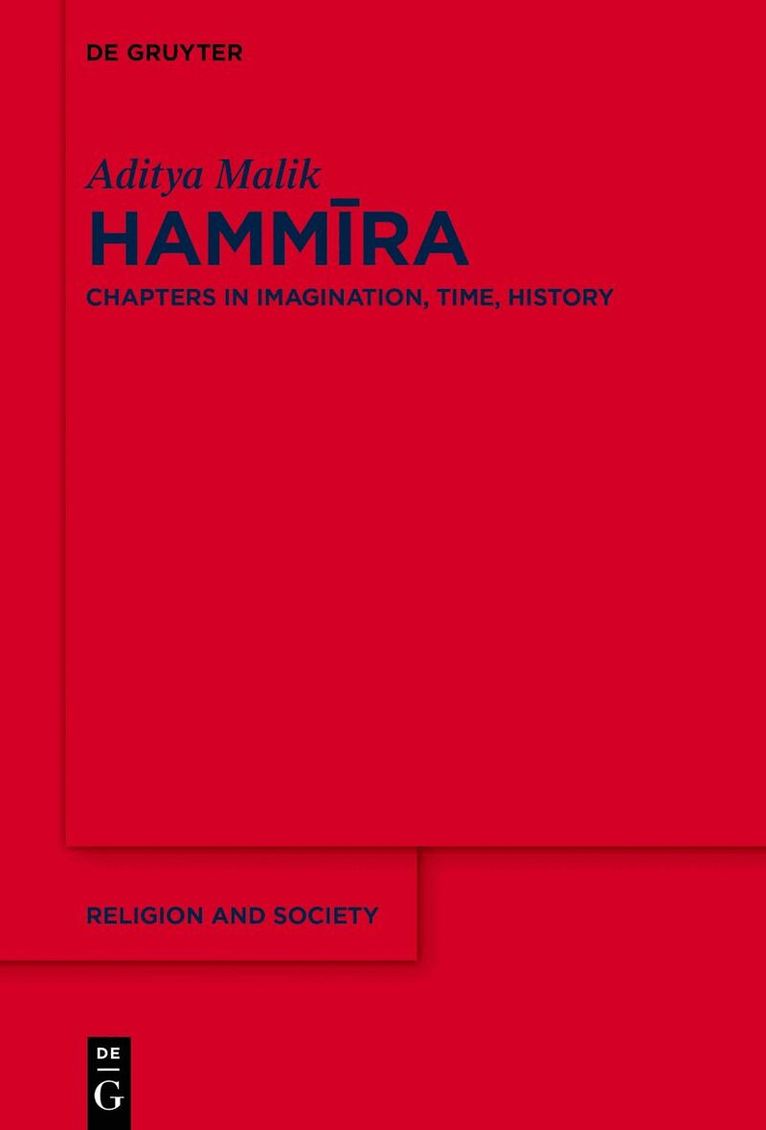
Hammīra
Chapters in Imagination, Time, History
Av Aditya Malik
Inbunden, 2021
1701 kr
Lägg i varukorg
This book is about the legendary Rajput chieftain Hammira Chauhan, the king of the impregnable fortress of Ranthambore in southern Rajasthan who died in 1301 CE after a monumental battle against Alauddin Khalji, the sultan of Delhi. This singular event reverberates through time to the point of …
Hammira
Chapters in Imagination, Time, History
Av Aditya Malik
E-bok, 2021
1732 kr
Lägg i varukorg
This book is about the legendary Rajput chieftain Hammira Chauhan, the king of the impregnable fortress of Ranthambore in southern Rajasthan who died in 1301 CE after a monumental battle against Alauddin Khalji, the sultan of Delhi. This singular event reverberates through time to the point of …
Hammira
Chapters in Imagination, Time, History
Av Aditya Malik
E-bok, 2021
1770 kr
Lägg i varukorg
This book is about the legendary Rajput chieftain Hammira Chauhan, the king of the impregnable fortress of Ranthambore in southern Rajasthan who died in 1301 CE after a monumental battle against Alauddin Khalji, the sultan of Delhi. This singular event reverberates through time to the point of …
Hammīra
Chapters in Imagination, Time, History
Av Aditya Malik
Häftad, 2023
250 kr
Lägg i varukorg
This book is about the legendary Rajput chieftain Hammira Chauhan, the king of the impregnable fortress of Ranthambore in southern Rajasthan who died in 1301 CE after a monumental battle against Alauddin Khalji, the sultan of Delhi. This singular event reverberates through time to the point of …
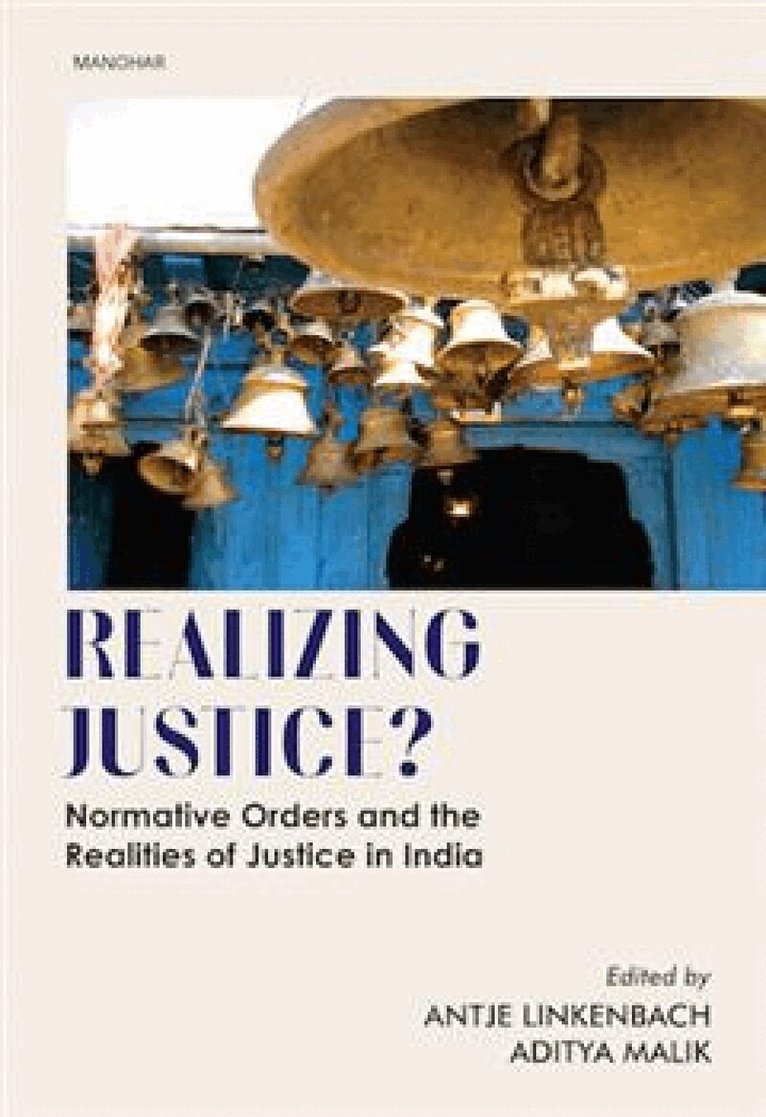
Realizing Justice?
Normative Orders and the Realities of Justice in India
Av Antje Linkenbach, Aditya Malik
Inbunden, 2024
936 kr
Lägg i varukorg
How is justice conceptualized? Does it appear as a distinct, guiding normative principle in Indian intellectual traditions? How does it relate to other concepts like equality, and responsibility? What are the ground realities of justice in India? Are there competing normative orders? Are there …
King of Hunters, Warriors, and Shepherds
Essays on Khandoba
Av Günther-Dietz Sontheimer, Anne Feldhaus m. fl.
Inbunden, 2026
1130 kr
Tillfälligt slut
When Günther-Dietz Sontheimer died in 1992, he left unfulfilled his wish to write a history of the Maharashtrian deity Khandoba. The volume brings together Sontheimer’s English-language articles on Khandoba and the equivalent gods Mallanna in Andhra Pradesh and Mailara in Karnataka. Taken together, …
Flags of Fame
Studies in South Asian Folk Culture
Inbunden, 2026
1242 kr
Tillfälligt slut
This volume contains fifteen articles by eminent Indian and European scholars describing and analyzing various aspects of folk culture in South Asia. The principal emphasis is on folk religion, including both ritual performances and oral texts.The articles cover a wide spectrum of regional …