Adrian Brisku – författare
Visar alla böcker från författaren Adrian Brisku. Handla med fri frakt och snabb leverans.
12 produkter
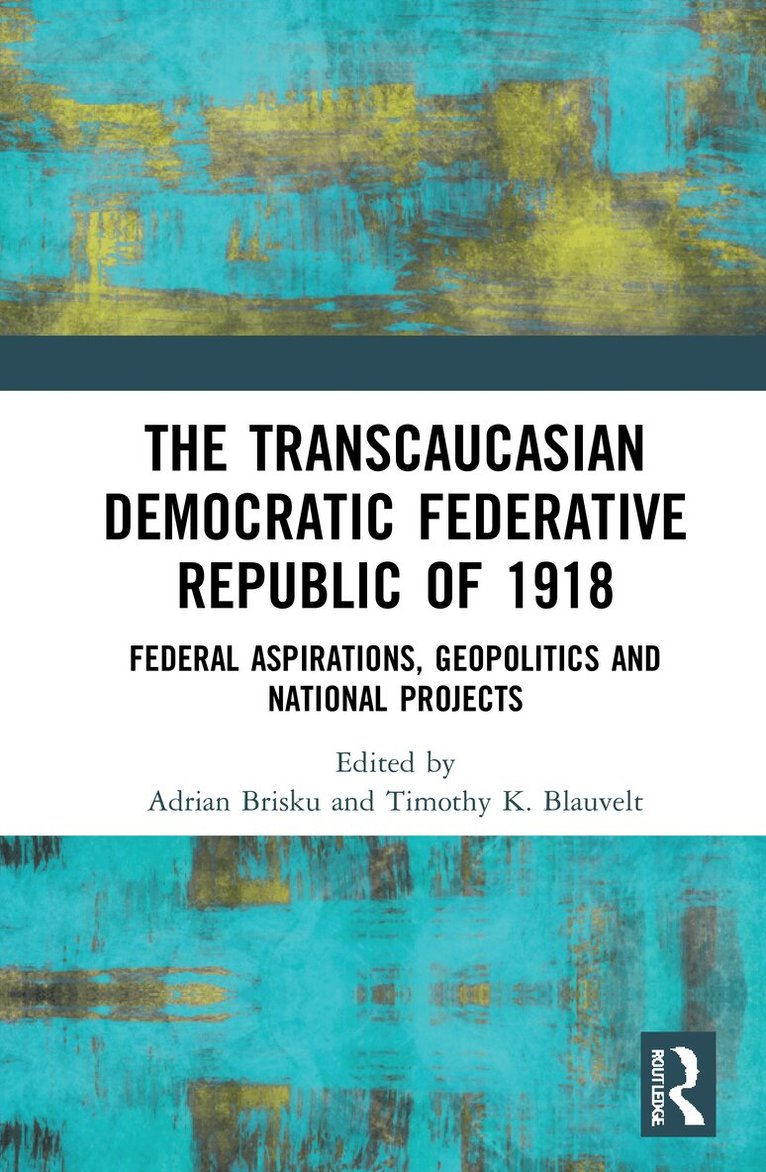
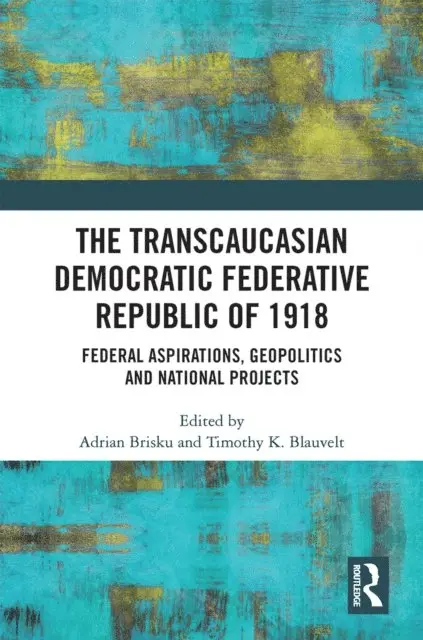
Transcaucasian Democratic Federative Republic of 1918
Federal Aspirations, Geopolitics and National Projects
Av Adrian Brisku, Timothy K. Blauvelt
Inbunden, 2021
2515 kr
Lägg i varukorg
The Transcaucasian Democratic Federative Republic (TDFR) was a unique, bottom-up, and a fleeting display of political unity and federalism among the main Armenian, Azerbaijani and Georgian political factions between 22 April 1918, when it declared its independence, and 26 May 1918, when it was …
Transcaucasian Democratic Federative Republic of 1918
Federal Aspirations, Geopolitics and National Projects
Av Adrian Brisku, Timothy K. Blauvelt
Häftad, 2023
692 kr
Lägg i varukorg
The Transcaucasian Democratic Federative Republic (TDFR) was a unique, bottom-up, and a fleeting display of political unity and federalism among the main Armenian, Azerbaijani and Georgian political factions between 22 April 1918, when it declared its independence, and 26 May 1918, when it was …
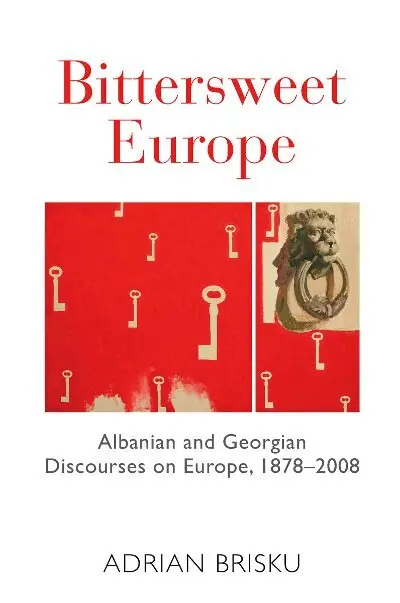
Bittersweet Europe
Albanian and Georgian Discourses on Europe, 1878-2008
Inbunden, 2013
1979 kr
Lägg i varukorg
From the late nineteenth century to the post-communist period, Albanian and Georgian political and intellectual elites have attributed hopes to “Europe,” yet have also exhibited ambivalent attitudes that do not appear likely to vanish any time soon. Albanians and Georgians have evoked, experienced, …
Bittersweet Europe
Albanian and Georgian Discourses on Europe, 1878-2008
E-bok, 2013
335 kr
Lägg i varukorg
From the late nineteenth century to the post-communist period, Albanian and Georgian political and intellectual elites have attributed hopes to “Europe,” yet have also exhibited ambivalent attitudes that do not appear likely to vanish any time soon. Albanians and Georgians have evoked, experienced, …
Transcaucasian Democratic Federative Republic of 1918
Federal Aspirations, Geopolitics and National Projects
Av Timothy K. Blauvelt, Adrian Brisku
E-bok, 2021
788 kr
Lägg i varukorg
The Transcaucasian Democratic Federative Republic (TDFR) was a unique, bottom-up, and a fleeting display of political unity and federalism among the main Armenian, Azerbaijani and Georgian political factions between 22 April 1918, when it declared its independence, and 26 May 1918, when it was …
Transcaucasian Democratic Federative Republic of 1918
Federal Aspirations, Geopolitics and National Projects
Av Timothy K. Blauvelt, Adrian Brisku
E-bok, 2021
788 kr
Lägg i varukorg
The Transcaucasian Democratic Federative Republic (TDFR) was a unique, bottom-up, and a fleeting display of political unity and federalism among the main Armenian, Azerbaijani and Georgian political factions between 22 April 1918, when it declared its independence, and 26 May 1918, when it was …
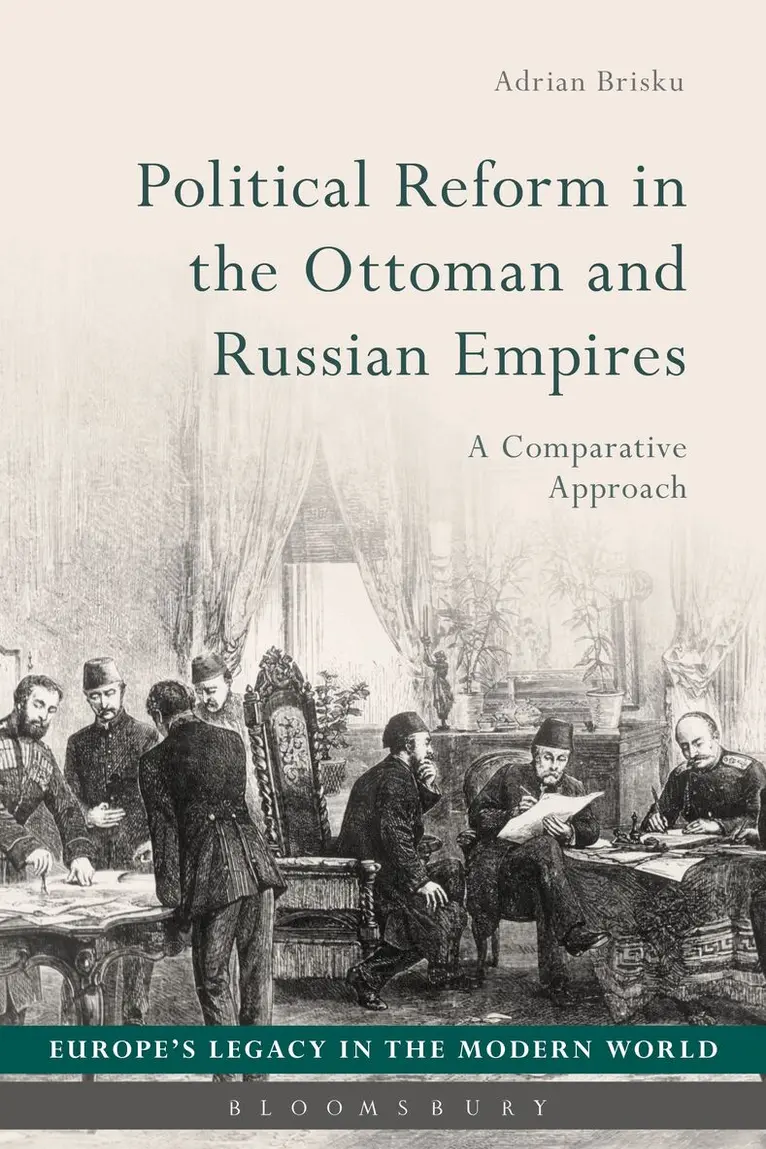
Political Reform in the Ottoman and Russian Empires
A Comparative Approach
Av Adrian Brisku, Martti Koskenniemi
Häftad, 2019
517 kr
Lägg i varukorg
Throughout the ‘long 19th century’, the Ottoman and Russian empires shared a goal of destroying one another. Yet, they also shared a similar vision for imperial state renewal, with the goal of avoiding revolution, decline and isolation within Europe. Adrian Brisku explores how this path of renewal …
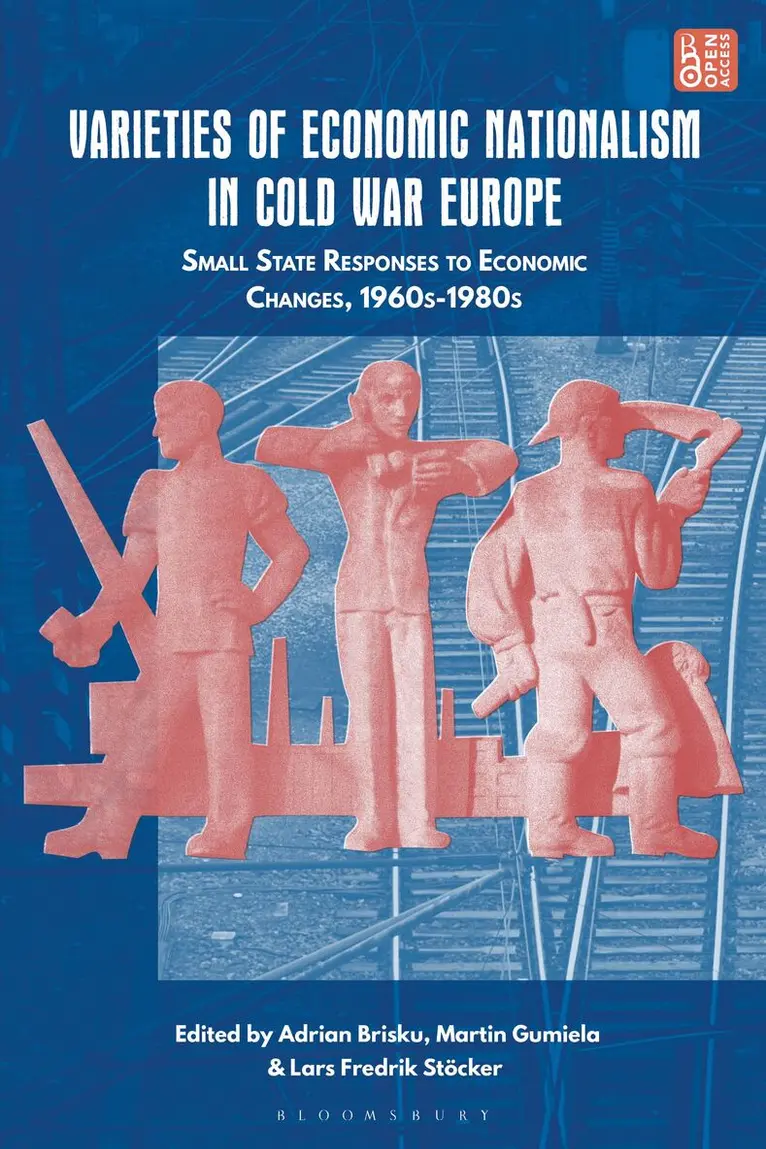
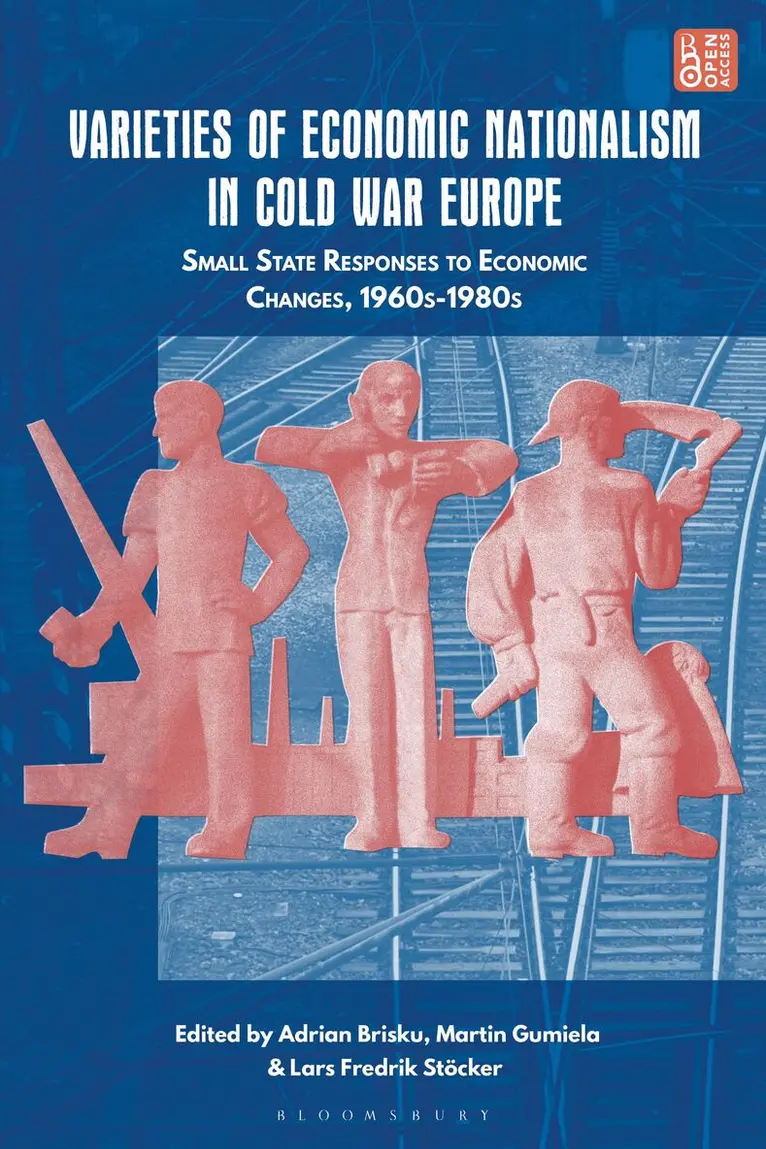
Varieties of Economic Nationalism in Cold War Europe
Small State Responses to Economic Changes, 1960s-1980s
Av Adrian Brisku, Lars Fredrik Stöcker m. fl.
Häftad, 2026
430 kr
Lägg i varukorg
Investigating the trajectories of economic nationalisms in Cold War Europe, this open access book explores the scope and limits of small (nation-)state actors pursuing and defending national economic interests in a globalizing world. In so doing, it contributes a new perspective in the economic …
Varieties of Economic Nationalism in Cold War Europe
Small State Responses to Economic Changes, 1960s-1980s
Av Adrian Brisku, Lars Fredrik Stöcker m. fl.
Inbunden, 2025
1246 kr
Lägg i varukorg
Investigating the trajectories of economic nationalisms in Cold War Europe, this open access book explores the scope and limits of small (nation-)state actors pursuing and defending national economic interests in a globalizing world. In so doing, it contributes a new perspective in the economic …
Political Reform in the Ottoman and Russian Empires
A Comparative Approach
E-bok, 2017
562 kr
Lägg i varukorg
Throughout the ''long 19th century'', the Ottoman and Russian empires shared a goal of destroying one another. Yet, they also shared a similar vision for imperial state renewal, with the goal of avoiding revolution, decline and isolation within Europe. Adrian Brisku explores how this path of …
Political Reform in the Ottoman and Russian Empires
A Comparative Approach
E-bok, 2017
562 kr
Lägg i varukorg
Throughout the ''long 19th century'', the Ottoman and Russian empires shared a goal of destroying one another. Yet, they also shared a similar vision for imperial state renewal, with the goal of avoiding revolution, decline and isolation within Europe. Adrian Brisku explores how this path of …
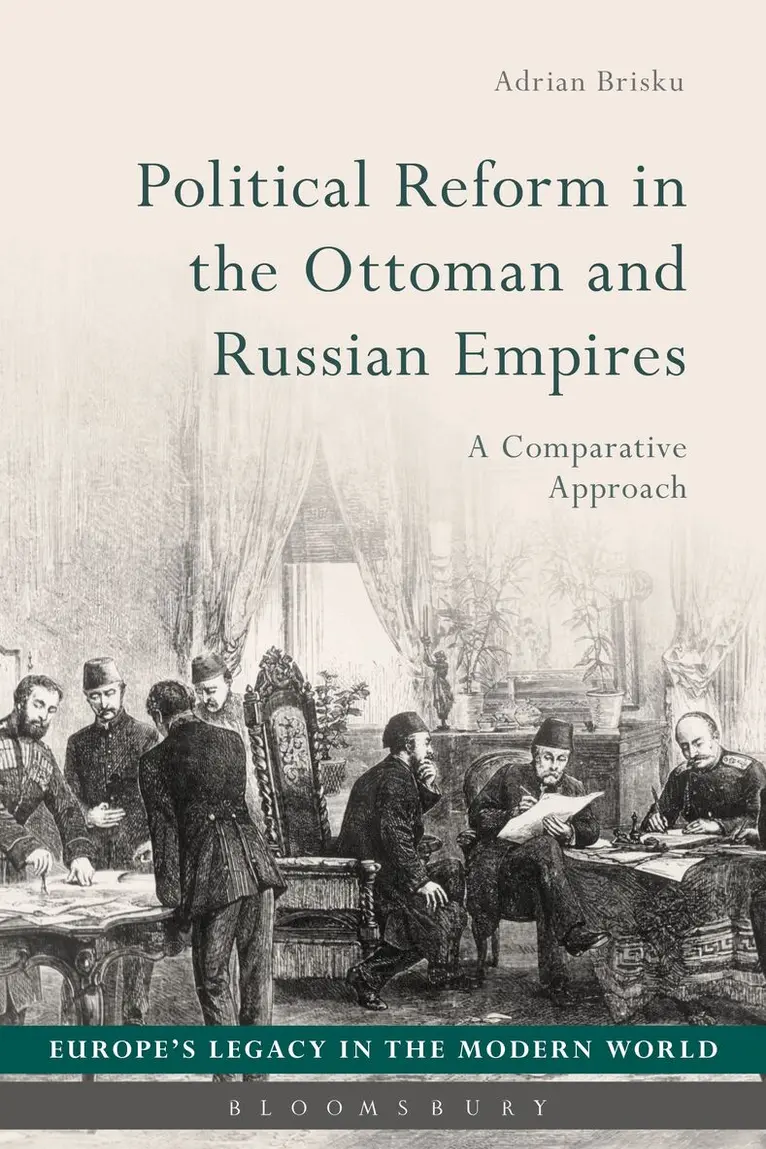
Political Reform in the Ottoman and Russian Empires
A Comparative Approach
Av Adrian Brisku, Martti Koskenniemi
Inbunden, 2017
1902 kr
Lägg i varukorg
Throughout the ‘long 19th century’, the Ottoman and Russian empires shared a goal of destroying one another. Yet, they also shared a similar vision for imperial state renewal, with the goal of avoiding revolution, decline and isolation within Europe. Adrian Brisku explores how this path of renewal …