Adrian Eley - Böcker
Visar alla böcker från författaren Adrian Eley. Handla med fri frakt och snabb leverans.
4 produkter
4 produkter
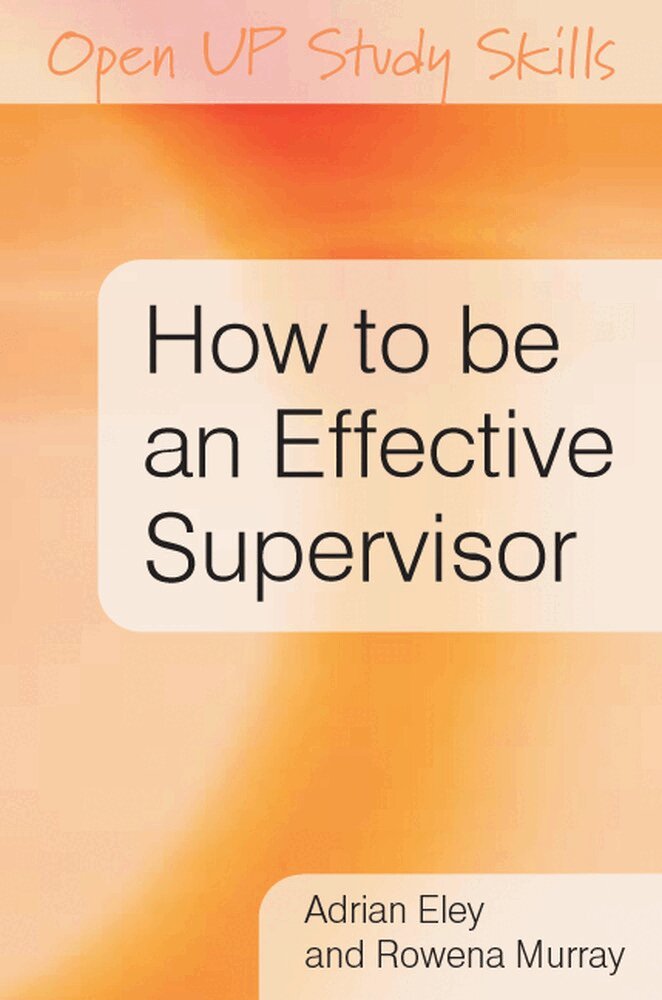
How to be an Effective Supervisor: Best Practice in Research Student Supervision
Häftad, Engelska, 2009
337 kr
Skickas inom 3-6 vardagar
This timely new book is based on the precepts of the Quality Assurance Agency's recent Code of Practice for the management of Postgraduate Research Programmes. It presents practical information on the QAA Code of Practice, to serve both as a ready reference source for supervisors and as a manual for research supervisor training.
Examples of problems and suggested solutions, reflecting both supervisor and student perspectives, guide supervisors through issues they may face. There are also recommendations for further reading. Key areas the book explores include:
Selection and admission of students Supervision arrangements Training in research and generic skills Monitoring and review arrangements Feedback Examination practice Complaints and appeals procedures How to be an Effective Supervisor is essential reading for all postgraduate research supervisors including those involved in supervising Professional Doctorates and Masters degrees, plus Graduate Deans and Associate Deans, together with programme managers and postgraduate administrative staff. Case studies also make this a key text for supervisor development programmes.1 095 kr
Skickas inom 10-15 vardagar
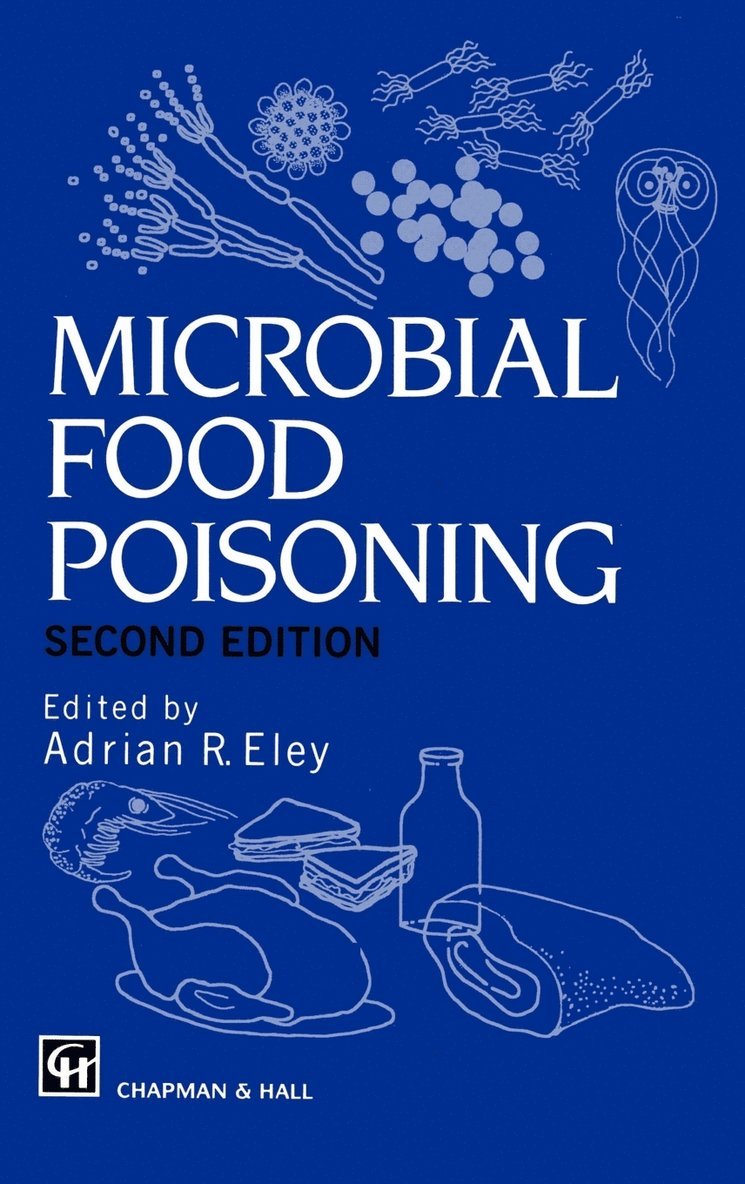
The incidence of food poisoning continues to rise and now there is even greater interest in the subject of microbial food poisoning and food safety, than when the first edition of this popular book was published. As in the first edition of his book, Adrian Eley summarizes information on the principal agents that cause food poisoning and emphasizes their mode of action. Also discussed in chapters written by specially selected expert in the area are epidemilogical features of food poisoning, microbiological control of food production, mycoticoxic fungi and food safety legislation. Each chapter has been comprehensively updated to include any changes in for example laboratory practice, legislation, etc. Also included in this edition is a new chapter on food hygiene. Microbial Food Poisoning, Second Edition, appeals to students studying a wide range of courses, including medical microbiology, food science, and technology, nutrition, general microbiology and environmental health. This book will also be of use to professionals in a range of disciplines including food science, medicine, health sciences and environmental and public health.
415 kr
Skickas inom 10-15 vardagar
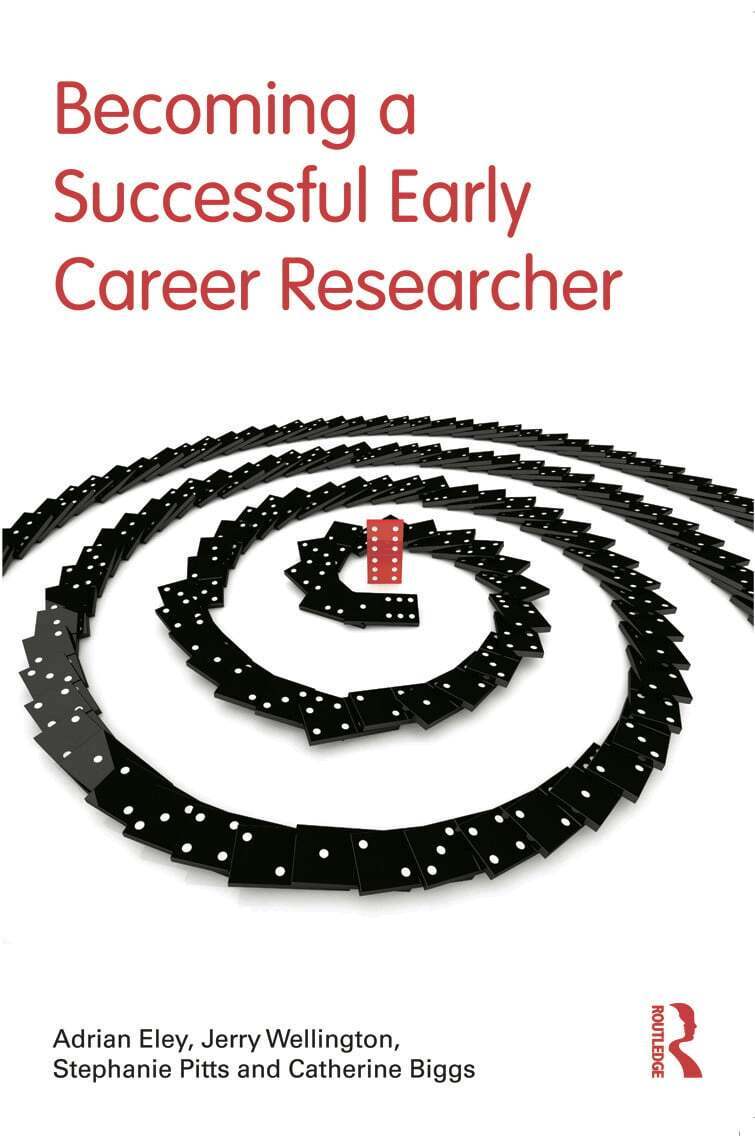
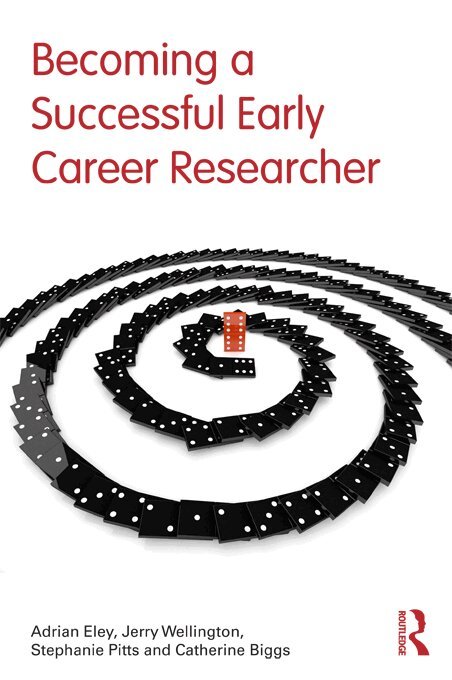
Not that long ago there were fairly clear divisions between researchers at different stages throughout their career, starting with doctoral students then progressing to postdoctoral workers and finishing with academic staff. However, more recently the term Early Career Researcher (ECR) has been introduced partly as a response to their growing importance which has been reflected by their increased respect and status shown by national, international and funding bodies. There are several common features of an ECR’s job including the need to establish a professional identity and develop into an independent researcher, competing for grants and increasing one’s output of research publications; this book offers proven practical advice to help ECRs kick-start a successful academic career.With advice on:Choosing research topicsMaking best use of a Research Supervisor/MentorDeveloping your research writingGetting published: journals and booksWriting a research grant/fellowshipBecoming a supervisorBecoming a teacher, andDeveloping your career This guide will help academics at the start of their career no matter what discipline they are engaged in… Arts, Humanities, Sciences or Social Sciences. For example, in sciences and engineering, ECRs are commonly part of a large research team and often have to work in collaborative groups; requiring strong interpersonal skills but can lead to tension in the interaction with one’s supervisor or mentor. In contrast, in the arts and humanities and perhaps the social sciences, an ECR is more likely to be an independent scholar with a requirement to work alone, leading to a different type of relationship (but not necessarily any less stressful) with one’s supervisor or mentor.Using case studies from across the subject areas to illustrate key points and give suitable examples this vital guide will help all early career academics.
1 834 kr
Skickas inom 10-15 vardagar
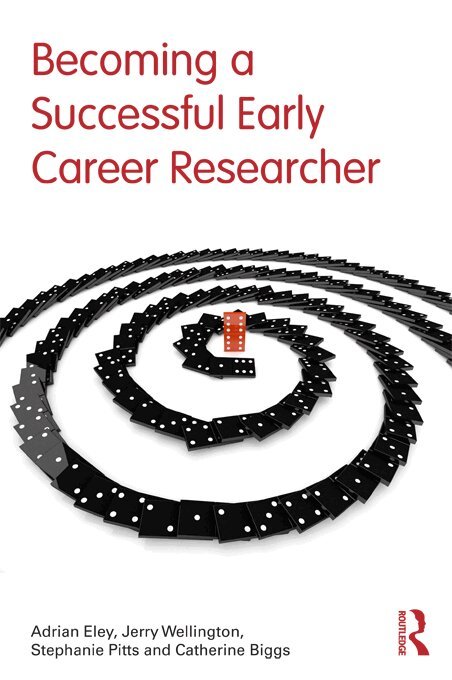
Not that long ago there were fairly clear divisions between researchers at different stages throughout their career, starting with doctoral students then progressing to postdoctoral workers and finishing with academic staff. However, more recently the term Early Career Researcher (ECR) has been introduced partly as a response to their growing importance which has been reflected by their increased respect and status shown by national, international and funding bodies. There are several common features of an ECR’s job including the need to establish a professional identity and develop into an independent researcher, competing for grants and increasing one’s output of research publications; this book offers proven practical advice to help ECRs kick-start a successful academic career.With advice on:Choosing research topicsMaking best use of a Research Supervisor/MentorDeveloping your research writingGetting published: journals and booksWriting a research grant/fellowshipBecoming a supervisorBecoming a teacher, andDeveloping your career This guide will help academics at the start of their career no matter what discipline they are engaged in… Arts, Humanities, Sciences or Social Sciences. For example, in sciences and engineering, ECRs are commonly part of a large research team and often have to work in collaborative groups; requiring strong interpersonal skills but can lead to tension in the interaction with one’s supervisor or mentor. In contrast, in the arts and humanities and perhaps the social sciences, an ECR is more likely to be an independent scholar with a requirement to work alone, leading to a different type of relationship (but not necessarily any less stressful) with one’s supervisor or mentor.Using case studies from across the subject areas to illustrate key points and give suitable examples this vital guide will help all early career academics.