Adrian Jobson – författare
Visar alla böcker från författaren Adrian Jobson. Handla med fri frakt och snabb leverans.
4 produkter
4 produkter
1 448 kr
Skickas inom 7-10 vardagar
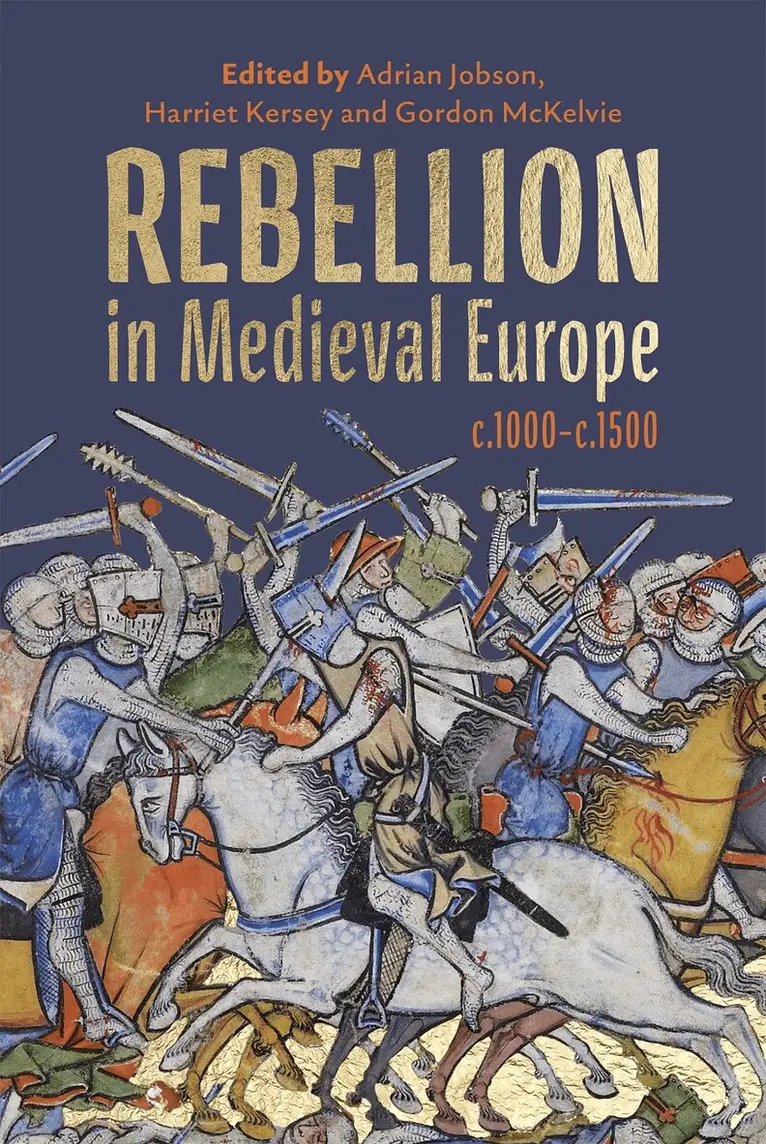
Essays exploring the dynamics of rebellion across Europe - from Sweden and Slovakia to the Iberian Peninsula and Hungary - over five centuries.Rebellion was a fundamental part of the political ecosystem of the Middle Ages. Medieval Europe witnessed numerous instances of noble rebellion, popular protest and communal resistance against political authority. However, most scholarship has focused on the causes and/or life cycle of the most famous individual movements, such as the Barons' War in England, the Hussites in Bohemia and the Burgundian-Armagnac conflict in France, and there has been relatively little comparative analysis of political protest across both time and "national" borders. Where it exists, it tends to favour a thematic approach and be narrowly focused in terms of geographical coverage. Conversely, this book breaks new ground in its wide geographical and chronological range, from twelfth-century Sicily to late fifteenth-century Ireland, exploring the various forms that active resistance could take. Its essays offer fresh perspectives on rebellion: as a political act, its theoretical justifications, the role of language and propaganda, the royal counter-responses that it provoked, and its ramifications, both personal and communal. Together they shine a new light on the complex interrelationship between legal authority, violence and politics, and significantly enhance our understanding of rebellion during this period.
1 088 kr
Skickas inom 10-15 vardagar
Papers on aspects of the growth of royal government during the century.The size and jurisdiction of English royal government underwent sustained development in the thirteenth century, an understanding of which is crucial to a balanced view of medieval English society. The papers here follow three central themes: the development of central government, law and justice, and the crown and the localities. Examined within this framework are bureaucracy and enrolment under John and his contemporaries; the Royal Chancery; the adaptation of the Exchequer in response to the rapidly changing demands of the crown; the introduction of a licensing system for mortmain alienations; the administration of local justice; women as sheriffs; and a Nottinghamshire study examining the tensions between the role of the king as manorial lord and as monarch. Contributors: NICK BARRATT, PAUL R. BRAND, DAVID CARPENTER, DAVID CROOK, ANTHONY MUSSON, NICHOLAS C. VINCENT, LOUISE WILKINSON
1 198 kr
Skickas inom 7-10 vardagar
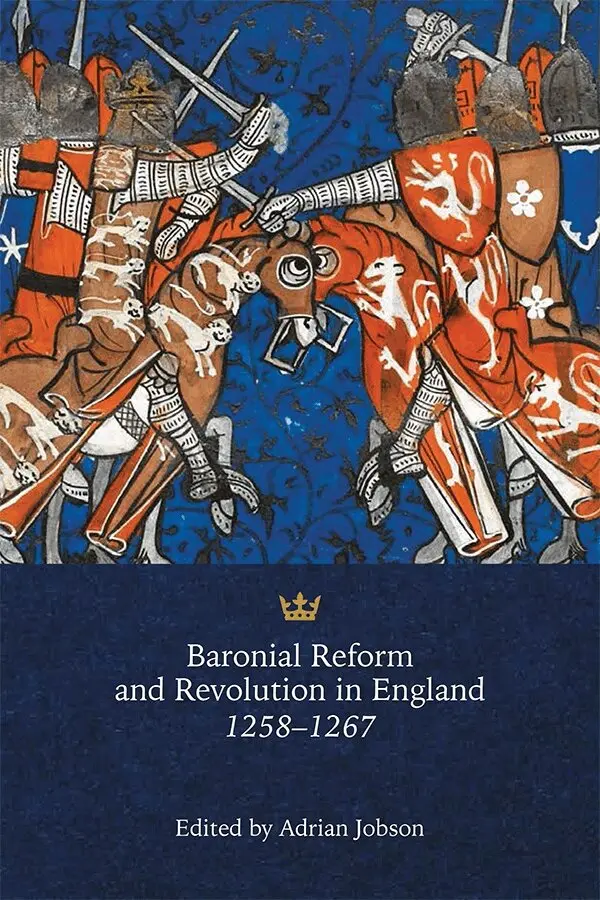
New investigations into a pivotal era of the thirteenth century.The years between 1258 and 67 comprise one of the most influential periods in the Middle Ages in England. This turbulent decade witnessed a bitter power struggle between King Henry III and his barons over who should control the government of the realm. Before England eventually descended into civil war, a significant proportion of the baronage had attempted to transform its governance by imposing on the crown a programme of legislative and administrative reform far more radical and wide-ranging than Magna Carta in 1215. Constituting a critical stage in the development of parliament, the reformist movement would remain unsurpassed in its radicalism until the upheavals of the seventeenth century. Simon de Montfort, the baronial champion, became the first leader of a political movement to seize power and govern in the king's name.The essays collected here offer the most recent research into and ideas onthis pivotal period. Several contributions focus upon the roles played in the political struggle by particular sections of thirteenth-century society, including the Midland knights and their political allegiances, aristocratic women, and the merchant elite in London. The events themselves constitute the second major theme of this volume, with subjects such as the secret revolution of 1258, Henry III's recovery of power in 1261, and the little studied maritime theatre during the civil wars of 1263-7 being considered. Adrian Jobson is an Associate Lecturer at Canterbury Christ Church University. Contributors: Sophie Ambler, Nick Barratt, David Carpenter, PeterCoss, Mario Fernandes, Andrew H. Hershey, Adrian Jobson, Lars Kjær, John A. McEwan, Tony Moore, Fergus Oakes, H.W. Ridgeway, Christopher David Tilley, Benjamin L. Wild, Louise J. Wilkinson.
1 039 kr
Skickas inom 10-15 vardagar
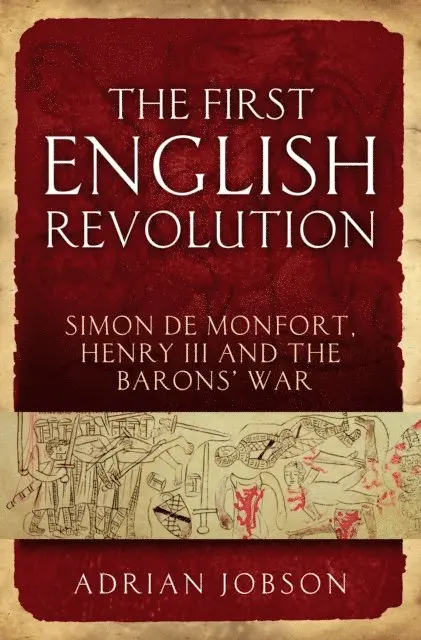
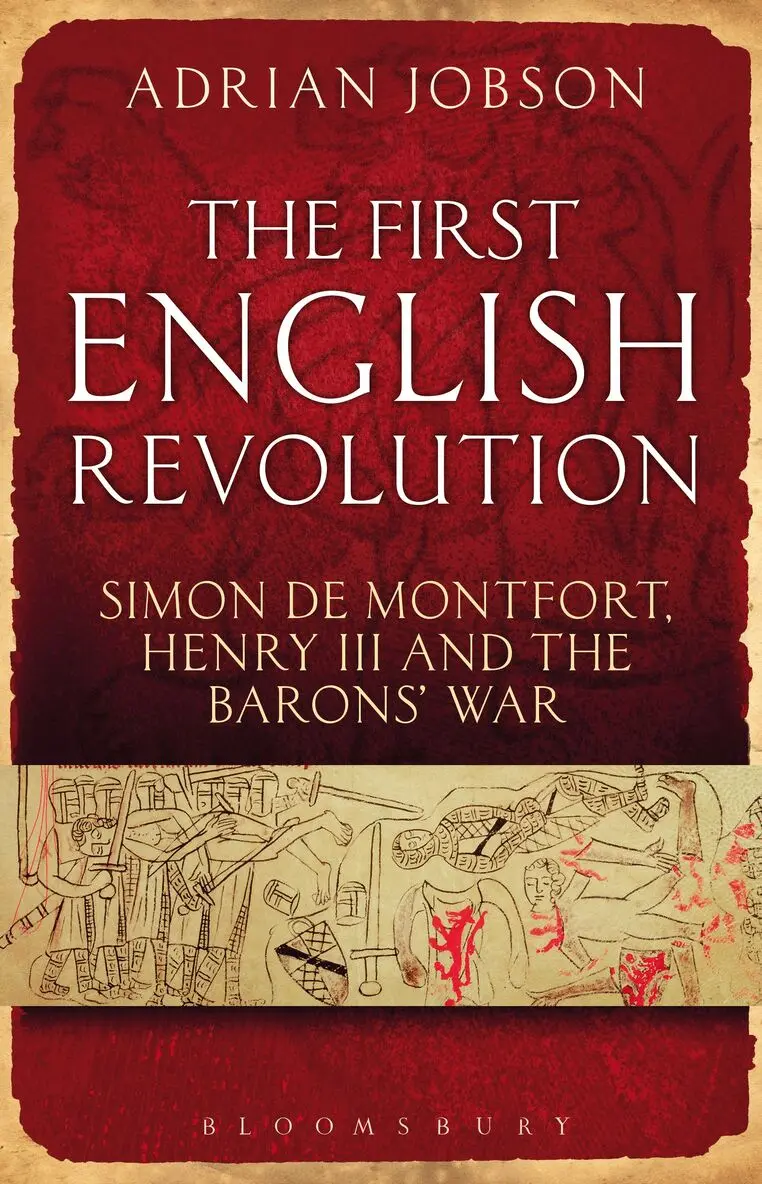
Simon de Montfort, the leader of the English barons, was the first leader of a political movement to seize power from a reigning monarch. The charismatic de Montfort and his forces had captured most of south-eastern England by 1263 and at the battle of Lewes in 1264 King Henry III was defeated and taken prisoner. De Montfort became de facto ruler of England and the short period which followed was the closest England was to come to complete abolition of the monarchy until Oliver Cromwell's Commonwealth. The Parliament of 1265 - known as De Montfort's Parliament - was the first English parliament to have elected representatives. Only fifteen months later de Montfort's gains were reversed when Prince Edward escaped captivity and defeated the rebels at the Battle of Evesham. Simon de Montfort was killed. Following this victory savage retribution was exacted on the rebels and authority was restored to Henry III. Adrian Jobson captures the intensity of de Montfort's radical crusade through these most revolutionary years in English history in this spirited and dramatic narrative.