Aharon Barak – författare
Visar alla böcker från författaren Aharon Barak. Handla med fri frakt och snabb leverans.
19 produkter
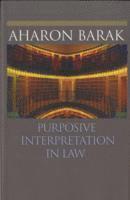
Purposive Interpretation in Law
Av Aharon Barak
Häftad, 2007
441 kr
Lägg i varukorg
This book presents a comprehensive theory of legal interpretation, by a leading judge and legal theorist. Currently, legal philosophers and jurists apply different theories of interpretation to constitutions, statutes, rules, wills, and contracts. Aharon Barak argues that an alternative …
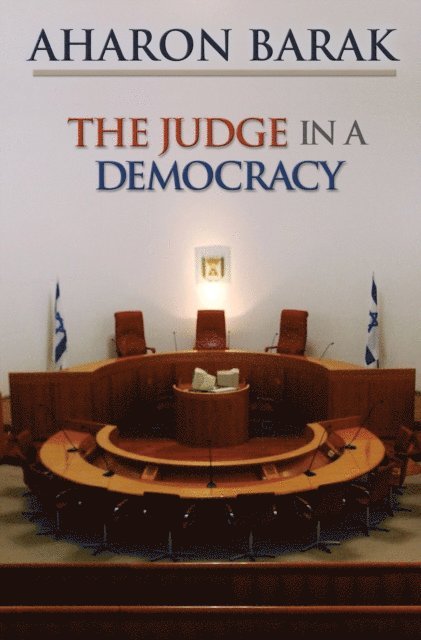
Judge in a Democracy
Av Aharon Barak
Häftad, 2008
525 kr
Lägg i varukorg
Whether examining election outcomes, the legal status of terrorism suspects, or if (or how) people can be sentenced to death, a judge in a modern democracy assumes a role that raises some of the most contentious political issues of our day. But do judges even have a role beyond deciding the …
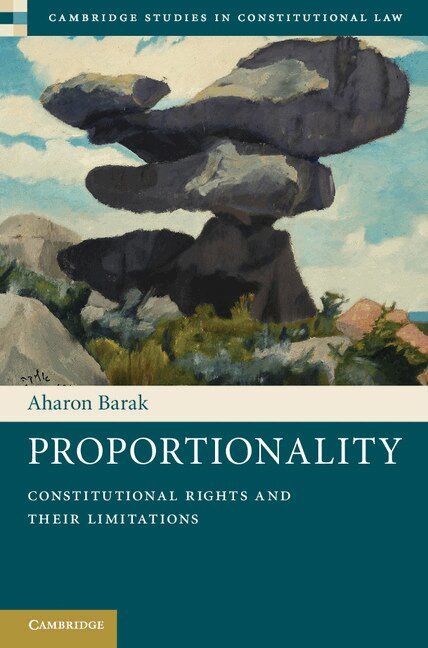
Proportionality
Constitutional Rights and their Limitations
Av Aharon Barak
Inbunden, 2012
1528 kr
Lägg i varukorg
Having identified proportionality as the main tool for limiting constitutional rights, Aharon Barak explores its four components (proper purpose, rational connection, necessity and proportionality stricto sensu) and discusses the relationships between proportionality and reasonableness and between …
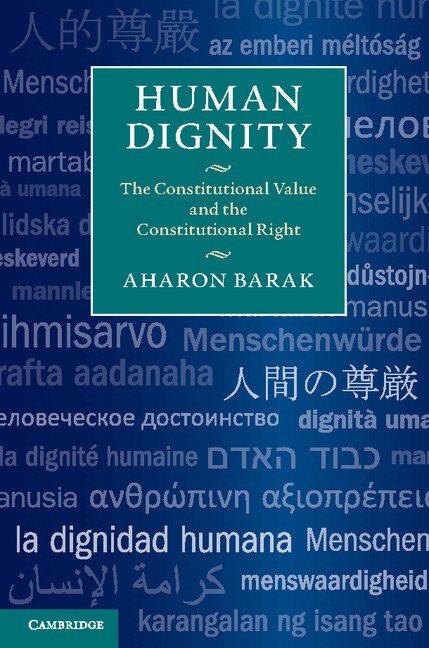
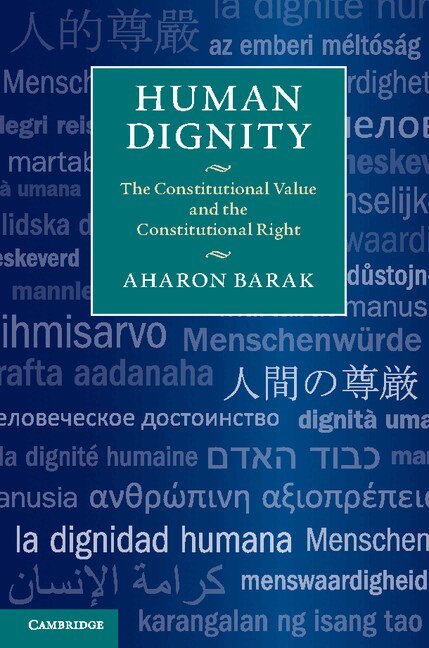
Human Dignity
The Constitutional Value and the Constitutional Right
Av Aharon Barak
Inbunden, 2015
1231 kr
Lägg i varukorg
Human dignity is now a central feature of many modern constitutions and international documents. As a constitutional value, human dignity involves a person's free will, autonomy, and ability to write a life story within the framework of society. As a constitutional right, it gives full expression …
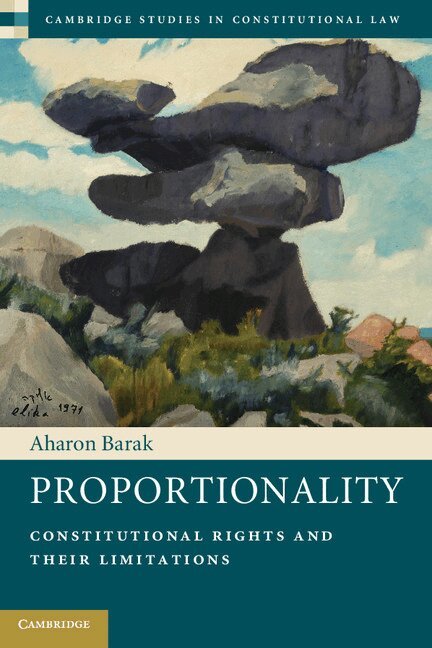
Proportionality
Constitutional Rights and their Limitations
Av Aharon Barak
Häftad, 2012
823 kr
Lägg i varukorg
Having identified proportionality as the main tool for limiting constitutional rights, Aharon Barak explores its four components (proper purpose, rational connection, necessity and proportionality stricto sensu) and discusses the relationships between proportionality and reasonableness and between …
Human Dignity
The Constitutional Value and the Constitutional Right
Av Aharon Barak
Häftad, 2015
643 kr
Lägg i varukorg
Human dignity is now a central feature of many modern constitutions and international documents. As a constitutional value, human dignity involves a person's free will, autonomy, and ability to write a life story within the framework of society. As a constitutional right, it gives full expression …
Human Dignity
The Constitutional Value and the Constitutional Right
Av Aharon Barak
E-bok, 2015
630 kr
Lägg i varukorg
Human dignity is now a central feature of many modern constitutions and international documents. As a constitutional value, human dignity involves a person''s free will, autonomy, and ability to write a life story within the framework of society. As a constitutional right, it gives full expression …
Human Dignity
The Constitutional Value and the Constitutional Right
Av Aharon Barak
E-bok, 2015
617 kr
Lägg i varukorg
Human dignity is now a central feature of many modern constitutions and international documents. As a constitutional value, human dignity involves a person''s free will, autonomy, and ability to write a life story within the framework of society. As a constitutional right, it gives full expression …
Judge in a Democracy
Av Aharon Barak
E-bok, 2009
450 kr
Lägg i varukorg
Whether examining election outcomes, the legal status of terrorism suspects, or if (or how) people can be sentenced to death, a judge in a modern democracy assumes a role that raises some of the most contentious political issues of our day. But do judges even have a role beyond deciding the …
Purposive Interpretation in Law
Av Aharon Barak
E-bok, 2011
591 kr
Lägg i varukorg
This book presents a comprehensive theory of legal interpretation, by a leading judge and legal theorist. Currently, legal philosophers and jurists apply different theories of interpretation to constitutions, statutes, rules, wills, and contracts. Aharon Barak argues that an alternative …
Israeli Constitutional Law in the Making
Av Gideon Sapir, Daphne Barak-Erez m. fl.
E-bok, 2013
2437 kr
Lägg i varukorg
In the domain of comparative constitutionalism, Israeli constitutional law is a fascinating case study constituted of many dilemmas. It is moving from the old British tradition of an unwritten constitution and no judicial review of legislation to fully-fledged constitutionalism endorsing judicial …
Israeli Constitutional Law in the Making
Av Gideon Sapir, Daphne Barak-Erez m. fl.
E-bok, 2014
2437 kr
Lägg i varukorg
In the domain of comparative constitutionalism, Israeli constitutional law is a fascinating case study constituted of many dilemmas. It is moving from the old British tradition of an unwritten constitution and no judicial review of legislation to fully-fledged constitutionalism endorsing judicial …
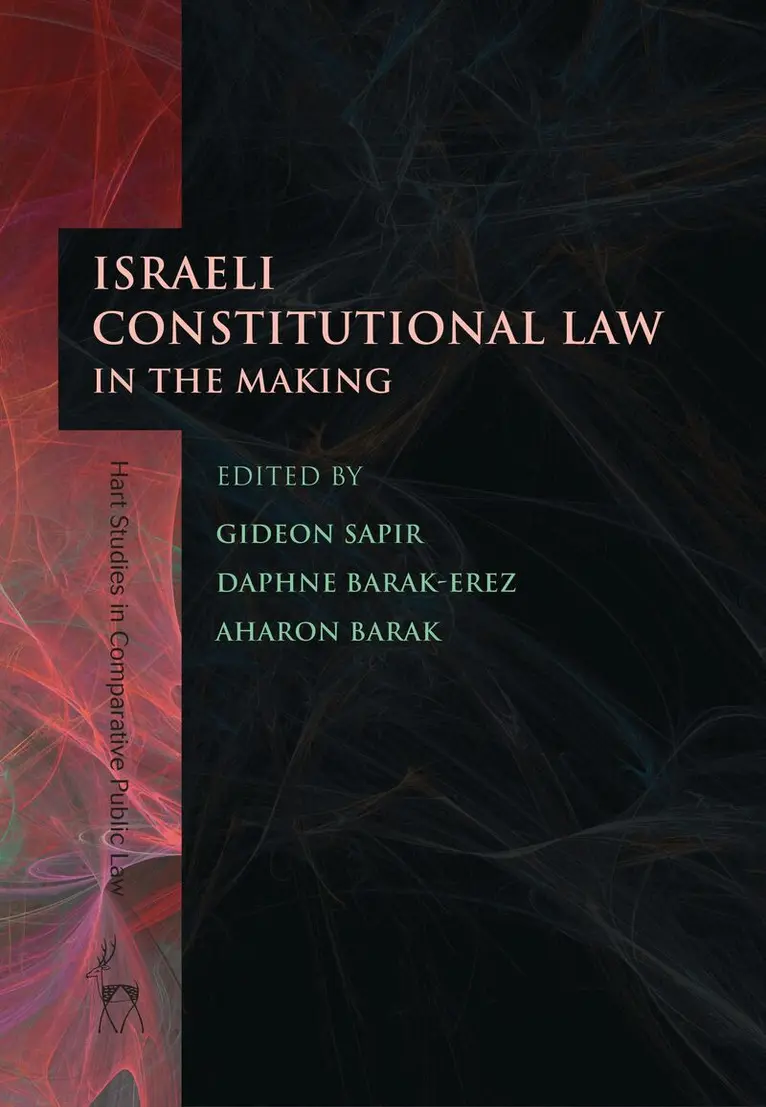
Israeli Constitutional Law in the Making
Av Gideon Sapir, Daphne Barak-Erez m. fl.
Inbunden, 2013
2223 kr
Lägg i varukorg
In the domain of comparative constitutionalism, Israeli constitutional law is a fascinating case study constituted of many dilemmas. It is moving from the old British tradition of an unwritten constitution and no judicial review of legislation to fully-fledged constitutionalism endorsing judicial …
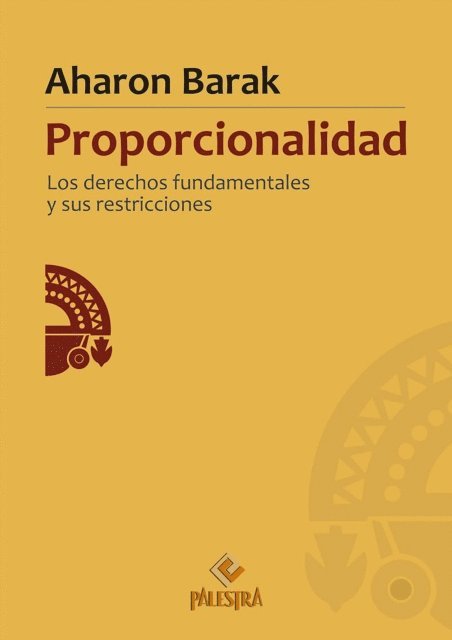
Proporcionalidad
Los derechos fundamentales y sus restricciones
Av Aharon Barak
E-bok, 2017
305 kr
Lägg i varukorg
"El libro de Aharon Barak, Proporcionalidad. Los derechos fundamentales y sus restricciones, es único y genial. Es único porque compenetra un conocimiento práctico y real con un análisis científico profundo y sofisticado. Es genial porque logra dicha compenetración en el nivel más elevado. En …
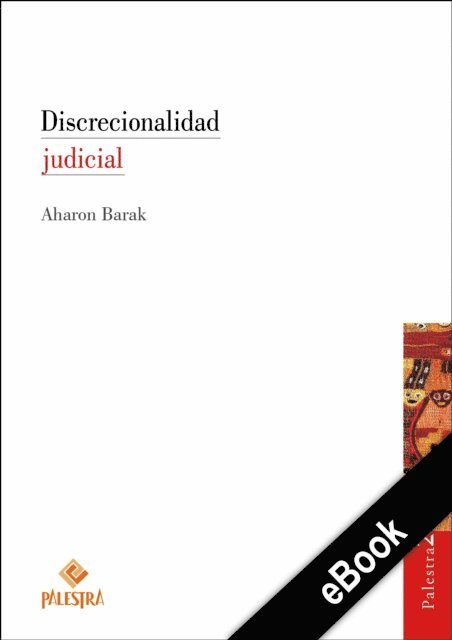
Discrecionalidad judicial
Av Aharon Barak
E-bok, 2021
199 kr
Lägg i varukorg
¿Cómo se ejerce la discrecionalidad judicial en los casos difíciles? La tesis de este libro es que la discrecionalidad judicial no es absoluta, sino limitada. Sus limitaciones surgen principalmente del sistema normativo general, de los problemas institucionales del Poder Judicial y de la compleja …
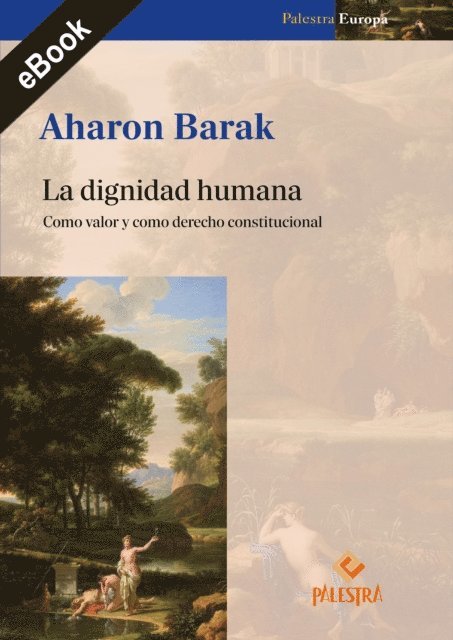
La dignidad humana
Como valor y como derecho constitucional
Av Aharon Barak
E-bok, 2024
239 kr
Lägg i varukorg
La dignidad humana es el valor máximo en las constituciones democráticas. Como valor constitucional, la dignidad humana está en la base de la libertad, la autonomía y la capacidad de cada persona para definir su propio destino. Como derecho constitucional, se expande a todos los demás derechos y …
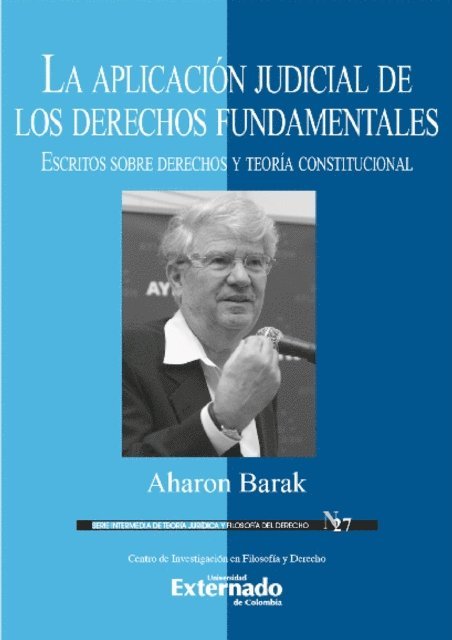
La aplicacion judicial de los derechos fundamentales
Escritos sobre derechos fundamentales y teoría constitucional
Av Aharon Barak
E-bok, 2020
147 kr
Lägg i varukorg
Los ensayos que componen este libro contienen las piezas más importantes de la obra de Aharon Barak. En ellos el autor aborda los temas más difíciles atinentes a la aplicación de los derechos fundamentales por parte del juez constitucional, la función de los jueces es una democracia, la naturaleza …
Jewish State
75 Perspectives
Av Yedidia Z. Stern, Jehuda Reinharz m. fl.
E-bok, 2024
2541 kr
Lägg i varukorg
Israel is a “Jewish state.” What is the meaning of this and how does it align with the democratic nature of the country? These are the questions at the core of a contentious debate that has been raging since the establishment of the state. This volume includes 75 essays on the question of Jewish — …
Jewish State
75 Perspectives
Av Aharon Barak, Jehuda Reinharz m. fl.
Häftad, 2024
603 kr
Lägg i varukorg
Israel is a “Jewish state.” What is the meaning of this and how does it align with the democratic nature of the country? These are the questions at the core of a contentious debate that has been raging since the establishment of the state. This volume includes 75 essays on the question of Jewish — …