Ailbhe O'Loughlin – författare
Visar alla böcker från författaren Ailbhe O'Loughlin. Handla med fri frakt och snabb leverans.
7 produkter
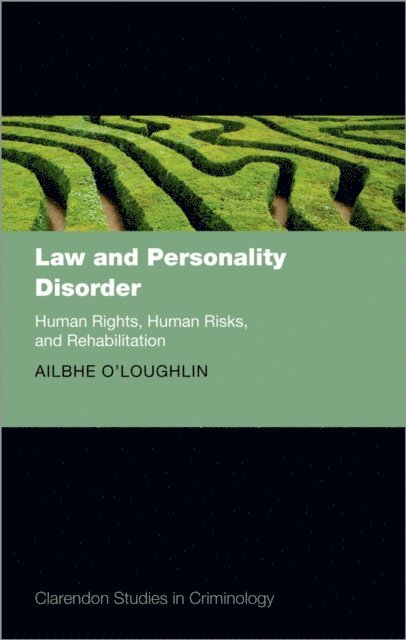
Law and Personality Disorder
Human Rights, Human Risks, and Rehabilitation
E-bok, 2024
1265 kr
Lägg i varukorg
In 1999, policymakers in England and Wales advanced controversial proposals for the preventive detention of a group they termed ''dangerous people with severe personality disorders''. Against a background of uncertain scientific knowledge, legal and policy actors have long faced challenges in …
Law and Personality Disorder
Human Rights, Human Risks, and Rehabilitation
E-bok, 2025
1265 kr
Lägg i varukorg
In 1999, policymakers in England and Wales advanced controversial proposals for the preventive detention of a group they termed ''dangerous people with severe personality disorders''. Against a background of uncertain scientific knowledge, legal and policy actors have long faced challenges in …
Law and Personality Disorder
Human Rights, Human Risks, and Rehabilitation
Inbunden, 2024
1253 kr
Lägg i varukorg
In 1999, policymakers in England and Wales advanced controversial proposals for the preventive detention of a group they termed 'dangerous people with severe personality disorders'. Against a background of uncertain scientific knowledge, legal and policy actors have long faced challenges in …
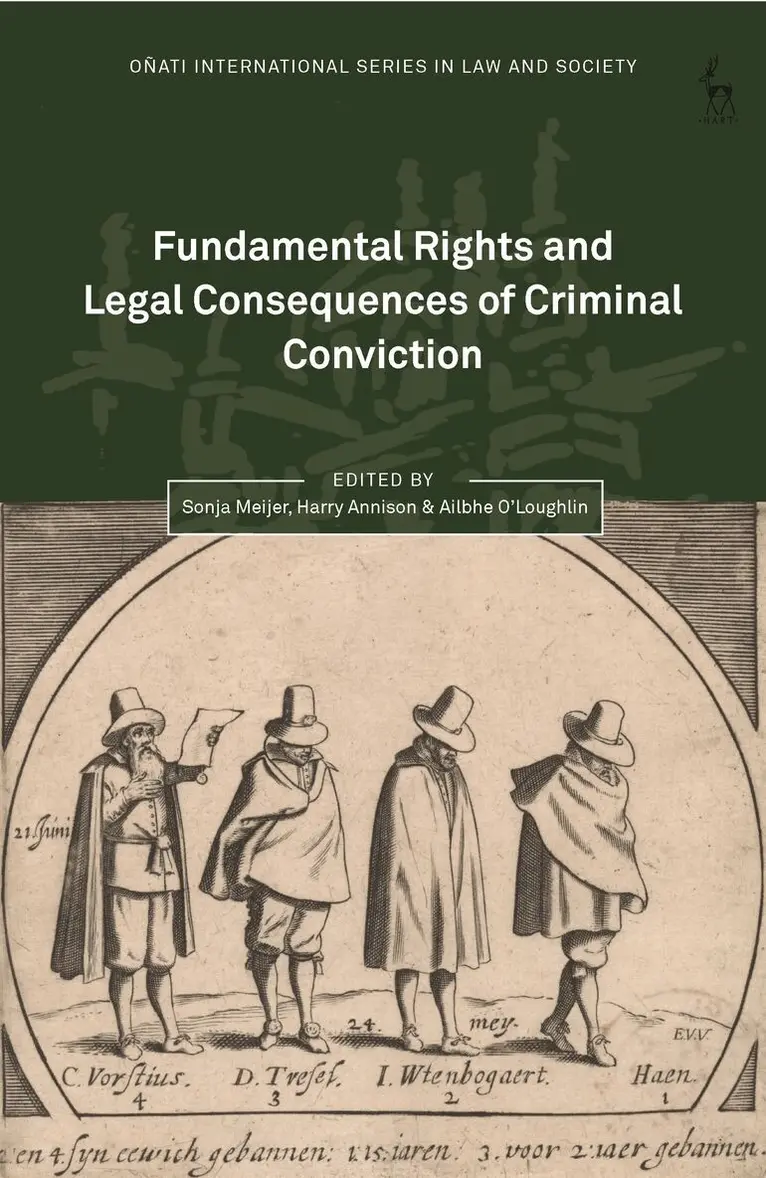
Fundamental Rights and Legal Consequences of Criminal Conviction
Av Sonja Meijer, Harry Annison m. fl.
Inbunden, 2019
1175 kr
Lägg i varukorg
The legal position of convicted offenders is complex, as are the social consequences that can result from a criminal conviction. After they have served their sentences, custodial or not, convicted offenders often continue to be subject to numerous restrictions, in many cases indefinitely, due to …
Fundamental Rights and Legal Consequences of Criminal Conviction
Av Sonja Meijer, Harry Annison m. fl.
E-bok, 2019
516 kr
Lägg i varukorg
The legal position of convicted offenders is complex, as are the social consequences that can result from a criminal conviction. After they have served their sentences, custodial or not, convicted offenders often continue to be subject to numerous restrictions, in many cases indefinitely, due to …
Fundamental Rights and Legal Consequences of Criminal Conviction
Av Sonja Meijer, Harry Annison m. fl.
E-bok, 2019
516 kr
Lägg i varukorg
The legal position of convicted offenders is complex, as are the social consequences that can result from a criminal conviction. After they have served their sentences, custodial or not, convicted offenders often continue to be subject to numerous restrictions, in many cases indefinitely, due to …
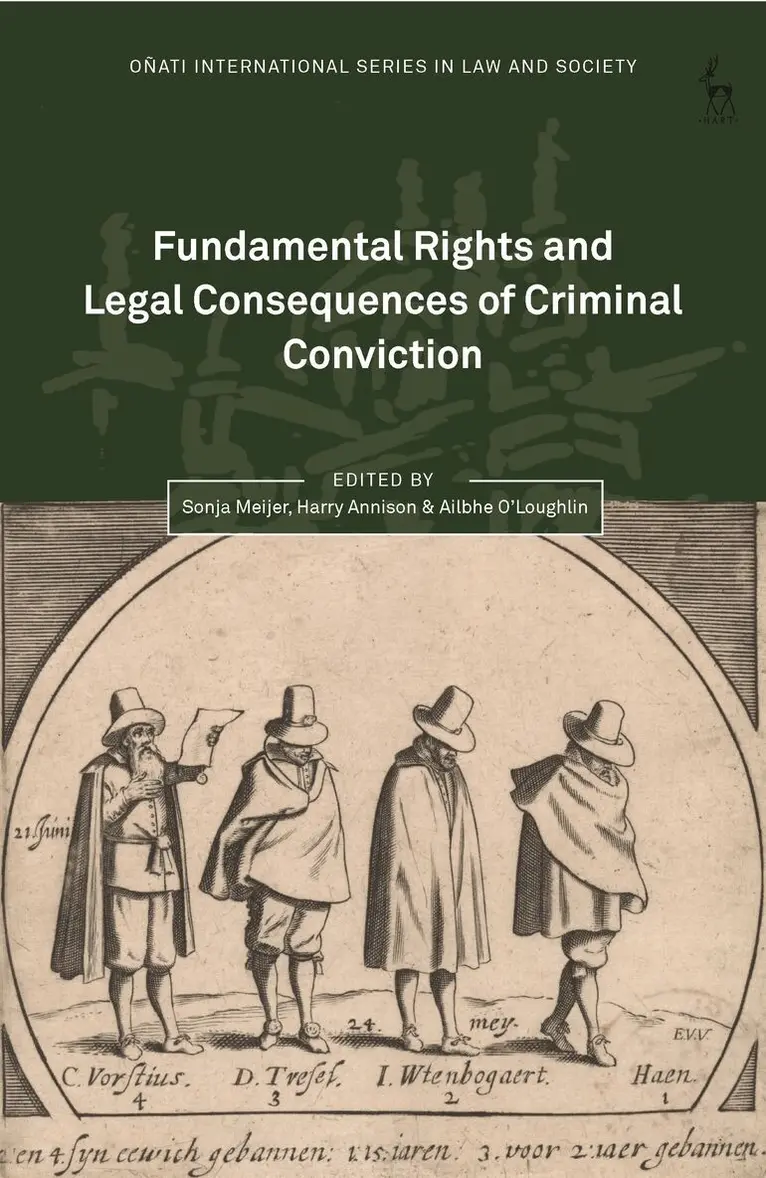
Fundamental Rights and Legal Consequences of Criminal Conviction
Av Sonja Meijer, Harry Annison m. fl.
Häftad, 2021
474 kr
Lägg i varukorg
The legal position of convicted offenders is complex, as are the social consequences that can result from a criminal conviction. After they have served their sentences, custodial or not, convicted offenders often continue to be subject to numerous restrictions, in many cases indefinitely, due to …