Ailén Cruz – författare
Visar alla böcker från författaren Ailén Cruz. Handla med fri frakt och snabb leverans.
5 produkter
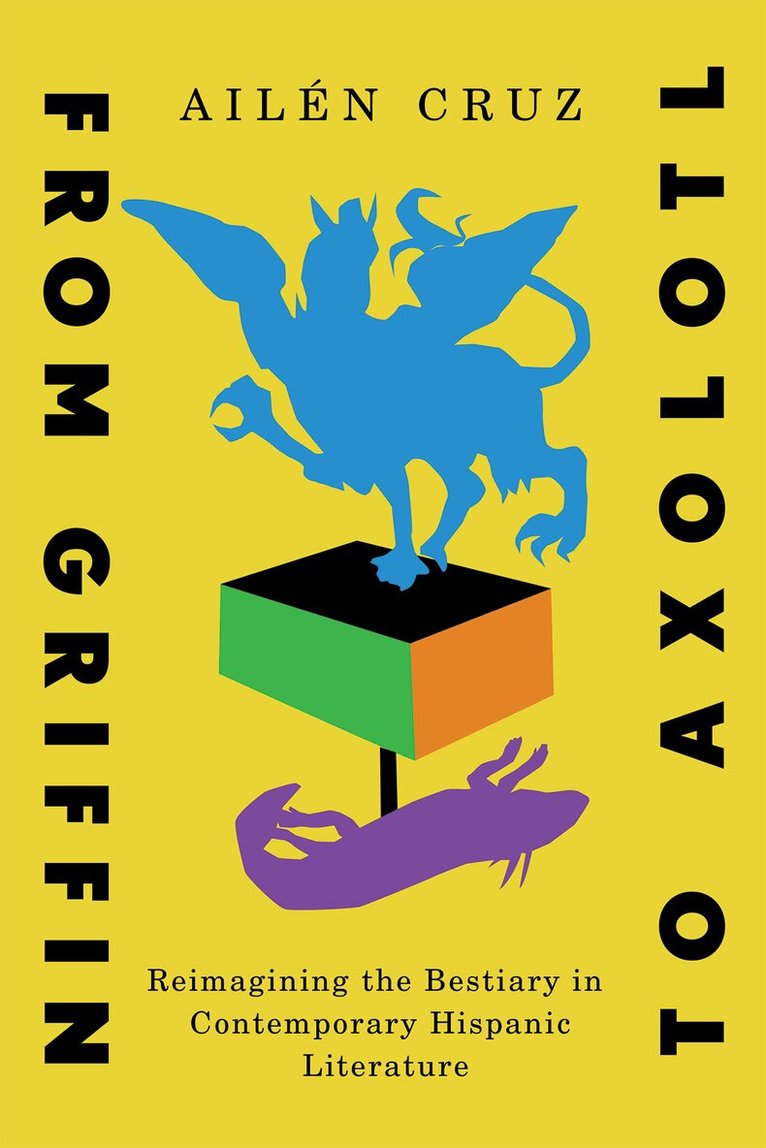
From Griffin to Axolotl
Reimagining the Bestiary in Contemporary Hispanic Literature
Av Ailén Cruz
Häftad, 2025
444 kr
Lägg i varukorg
The fox is cunning, the lion is brave. These familiar ideas span back to the medieval bestiary – short, animal-centred texts, often illustrated, used to disseminate Christian teachings in medieval society. Translated into dozens of languages, bestiaries were wildly popular until the twelfth …
From Griffin to Axolotl
Reimagining the Bestiary in Contemporary Hispanic Literature
Av Ailen Cruz
E-bok, 2025
459 kr
Lägg i varukorg
The fox is cunning, the lion is brave. These familiar ideas span back to the medieval bestiary – short, animal-centred texts, often illustrated, used to disseminate Christian teachings in medieval society. Translated into dozens of languages, bestiaries were wildly popular until the twelfth …
From Griffin to Axolotl
Reimagining the Bestiary in Contemporary Hispanic Literature
Av Ailen Cruz
E-bok, 2025
459 kr
Lägg i varukorg
The fox is cunning, the lion is brave. These familiar ideas span back to the medieval bestiary – short, animal-centred texts, often illustrated, used to disseminate Christian teachings in medieval society. Translated into dozens of languages, bestiaries were wildly popular until the twelfth …
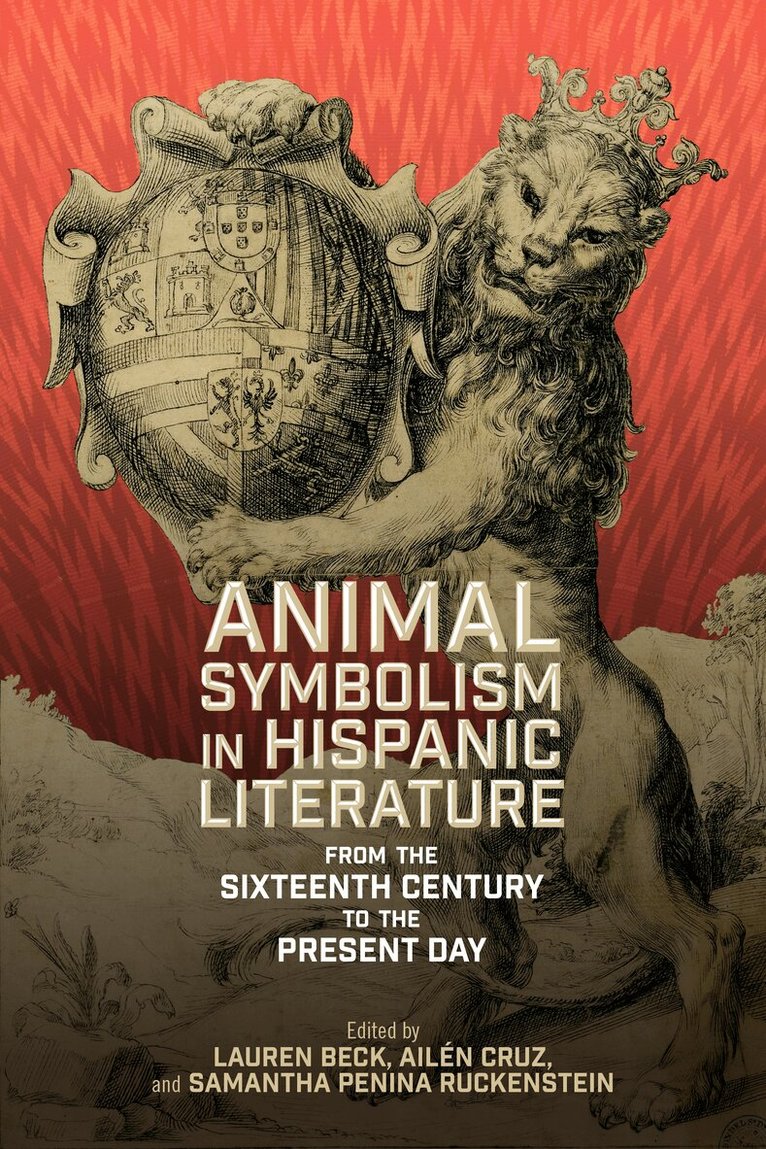
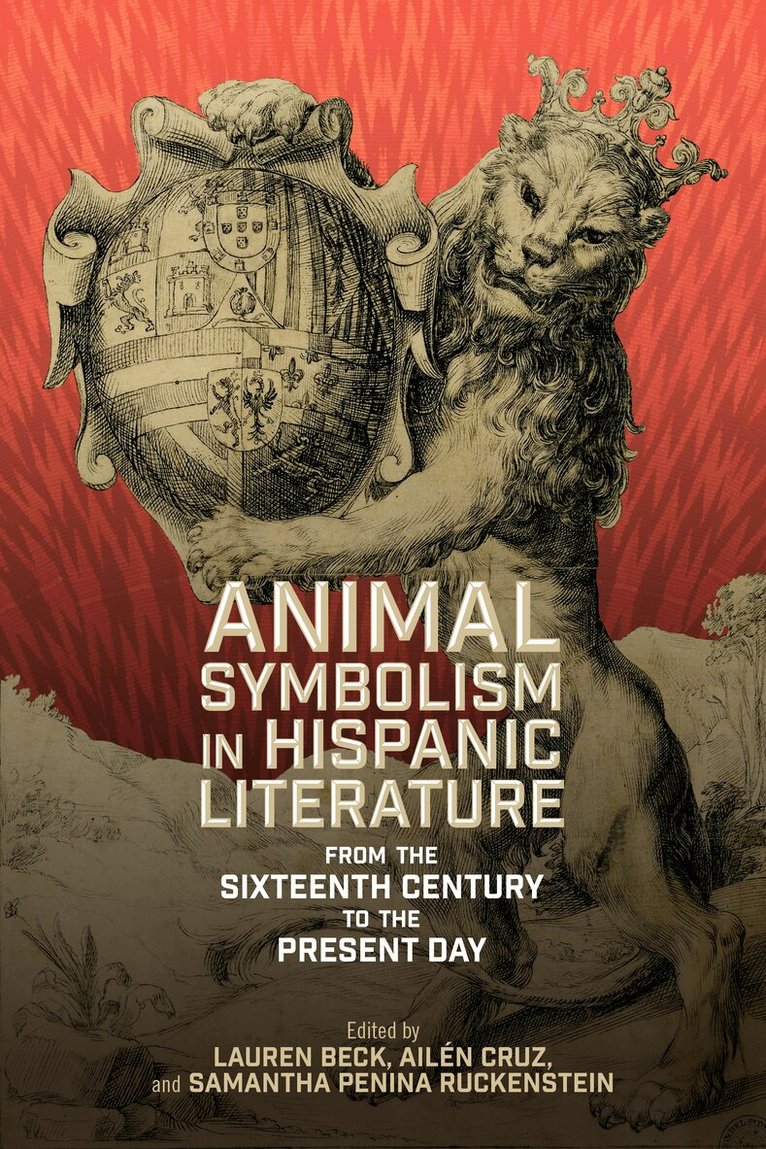
Animal Symbolism in Hispanic Literature
From the Sixteenth Century to the Present Day
Av Lauren Beck, Ailén Cruz m. fl.
Inbunden, 2026
1423 kr
Lägg i varukorg
Whether unicorns, phoenix, and chimera, or axolotl, jaguars, and giant snakes, animals have often had the human experience grafted onto them, in a conscious or unconscious reflection of a society's beliefs, ambitions, and inequalities.This volume seeks to explore different representations of real …
Animal Symbolism in Hispanic Literature
From the Sixteenth Century to the Present Day
Av Lauren Beck, Ailén Cruz m. fl.
Häftad, 2026
346 kr
Lägg i varukorg
Whether unicorns, phoenix, and chimera, or axolotl, jaguars, and giant snakes, animals have often had the human experience grafted onto them, in a conscious or unconscious reflection of a society's beliefs, ambitions, and inequalities.This volume seeks to explore different representations of real …