Aisha M. Beliso-De Jesús - Böcker
Visar alla böcker från författaren Aisha M. Beliso-De Jesús. Handla med fri frakt och snabb leverans.
4 produkter
4 produkter
816 kr
Skickas inom 7-10 vardagar
An anthology of original essays that examine white supremacy around the globe through the lens of anthropologyWhite supremacy, an entrenched global system that emerged alongside European colonialism, is based on presumed biological and cultural differences, racist practices, the hypervaluation of whiteness, and the devaluation of nonwhites. Anthropology has been shaped by—and has helped to shape—white supremacy, yet the discipline also offers powerful tools for understanding this system at a global scale. The Anthropology of White Supremacy gathers original essays from a diverse, international group of anthropologists to explore how this phenomenon works both within anthropology and in cultural and political structures around the world.The book features historical and ethnographic analysis about Brazil, Iceland, Japan, Mexico, Nigeria, Palestine, Senegal, South Africa, and the United States, and addresses the ways white supremacy impacts a broad range of issues, including finance, advertising and media representations, militarism, police training, migration, and development.The Anthropology of White Supremacy demonstrates not only how anthropology can help us to better comprehend white supremacy, but also how the discipline can help us begin to dismantle it.The contributors include Omolade Adunbi, Samar Al-Bulushi, Aisha M. Beliso-De Jesús, Michael L. Blakey, Mitzi Uehara Carter, Subhadra Mitra Channa, Celina de Sá, Vanessa Díaz, Britt Halvorson, Faye V. Harrison, Sarah Ihmoud, Anthony R. Jerry, Darryl Li, Kristín Loftsdóttir, Christopher A. Loperena, Keisha-Khan Y. Perry, Jemima Pierre, Jean Muteba Rahier, Laurence Ralph, Renya K. Ramirez, Junaid Rana, Joshua Reno, Rhea Rahman, Jonathan Rosa, Shalini Shankar, Shannon Speed, and Maria Dyveke Styve.
250 kr
Skickas inom 7-10 vardagar
An anthology of original essays that examine white supremacy around the globe through the lens of anthropologyWhite supremacy, an entrenched global system that emerged alongside European colonialism, is based on presumed biological and cultural differences, racist practices, the hypervaluation of whiteness, and the devaluation of nonwhites. Anthropology has been shaped by—and has helped to shape—white supremacy, yet the discipline also offers powerful tools for understanding this system at a global scale. The Anthropology of White Supremacy gathers original essays from a diverse, international group of anthropologists to explore how this phenomenon works both within anthropology and in cultural and political structures around the world.The book features historical and ethnographic analysis about Brazil, Iceland, Japan, Mexico, Nigeria, Palestine, Senegal, South Africa, and the United States, and addresses the ways white supremacy impacts a broad range of issues, including finance, advertising and media representations, militarism, police training, migration, and development.The Anthropology of White Supremacy demonstrates not only how anthropology can help us to better comprehend white supremacy, but also how the discipline can help us begin to dismantle it.The contributors include Omolade Adunbi, Samar Al-Bulushi, Aisha M. Beliso-De Jesús, Michael L. Blakey, Mitzi Uehara Carter, Subhadra Mitra Channa, Celina de Sá, Vanessa Díaz, Britt Halvorson, Faye V. Harrison, Sarah Ihmoud, Anthony R. Jerry, Darryl Li, Kristín Loftsdóttir, Christopher A. Loperena, Keisha-Khan Y. Perry, Jemima Pierre, Jean Muteba Rahier, Laurence Ralph, Renya K. Ramirez, Junaid Rana, Joshua Reno, Rhea Rahman, Jonathan Rosa, Shalini Shankar, Shannon Speed, and Maria Dyveke Styve.
1 169 kr
Skickas inom 7-10 vardagar
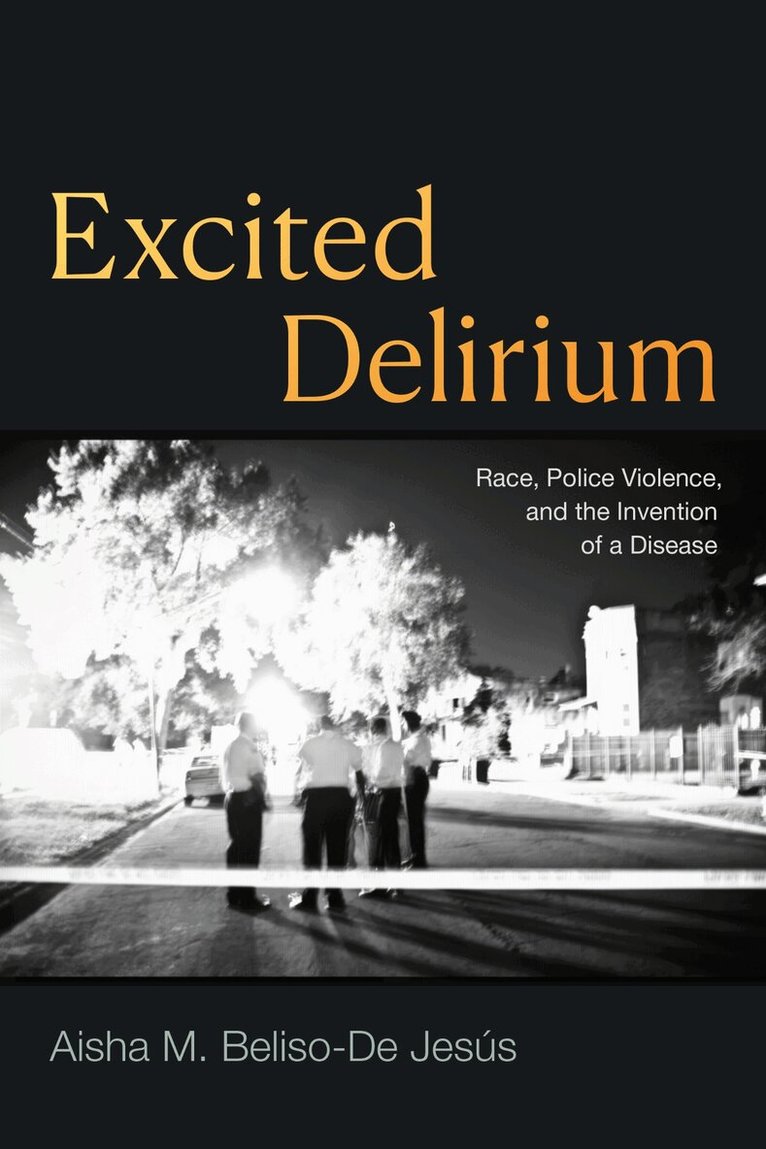
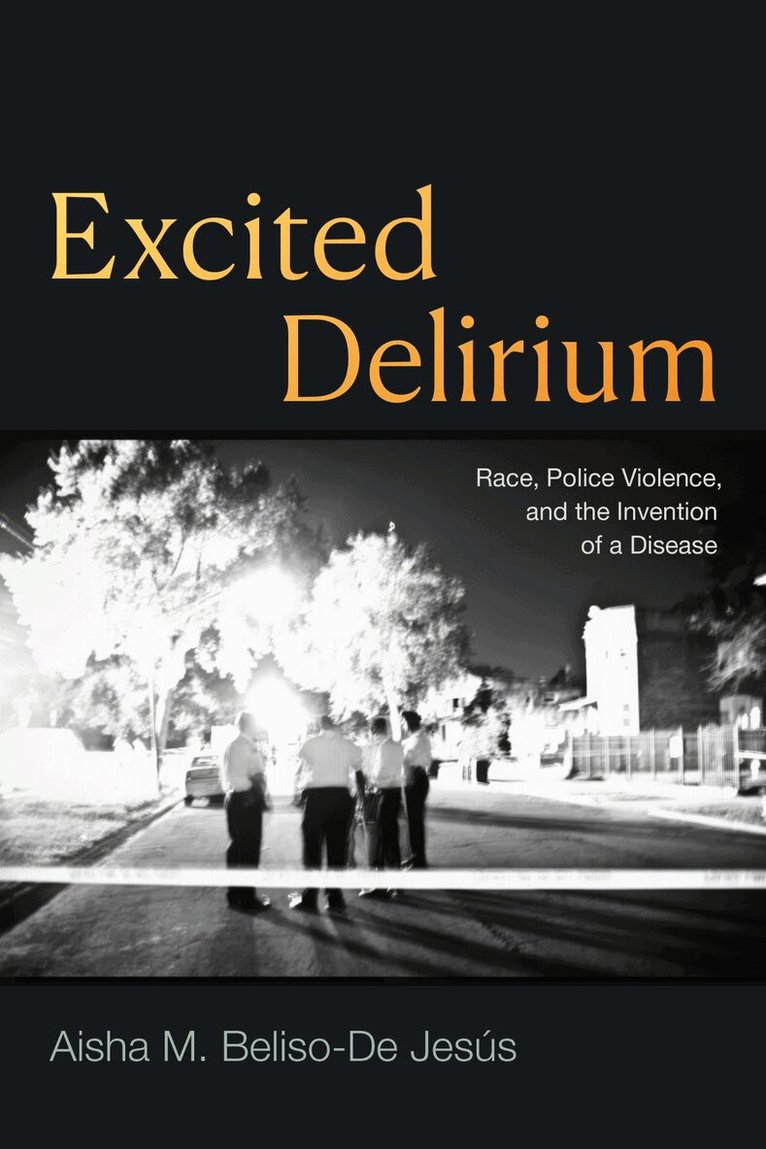
In 1980, Charles Wetli---a Miami-based medical examiner and self-proclaimed “cult expert” of Afro-Caribbean religions---identified what he called “excited delirium syndrome.” Soon, medical examiners began using the syndrome regularly to describe the deaths of Black men and women during interactions with police. Police and medical examiners claimed that Black people with so-called excited delirium exhibited superhuman strength induced from narcotics abuse. It was fatal heart failure that killed them, examiners said, not forceful police restraints. In Excited Delirium, Aisha M. Beliso-De JesÚs examines this fabricated medical diagnosis and its use to justify and erase police violence against Black and Brown communities. Exposing excited delirium syndrome’s flawed diagnostic criteria, she outlines its inextricable ties to the criminalization of Afro-LatinÉ religions. Beliso-De JesÚs demonstrates that it is yet a further example of the systemic racism that pervades law enforcement in which the culpability for state violence is shifted from the state onto its victims. In so doing, she furthers understanding of the complex layers of medicalized state-sanctioned violence against people of color in the United States.
304 kr
Skickas inom 7-10 vardagar
In 1980, Charles Wetli---a Miami-based medical examiner and self-proclaimed “cult expert” of Afro-Caribbean religions---identified what he called “excited delirium syndrome.” Soon, medical examiners began using the syndrome regularly to describe the deaths of Black men and women during interactions with police. Police and medical examiners claimed that Black people with so-called excited delirium exhibited superhuman strength induced from narcotics abuse. It was fatal heart failure that killed them, examiners said, not forceful police restraints. In Excited Delirium, Aisha M. Beliso-De JesÚs examines this fabricated medical diagnosis and its use to justify and erase police violence against Black and Brown communities. Exposing excited delirium syndrome’s flawed diagnostic criteria, she outlines its inextricable ties to the criminalization of Afro-LatinÉ religions. Beliso-De JesÚs demonstrates that it is yet a further example of the systemic racism that pervades law enforcement in which the culpability for state violence is shifted from the state onto its victims. In so doing, she furthers understanding of the complex layers of medicalized state-sanctioned violence against people of color in the United States.