Akel Ismail Kahera - Böcker
Visar alla böcker från författaren Akel Ismail Kahera. Handla med fri frakt och snabb leverans.
6 produkter
6 produkter
210 kr
Skickas inom 7-10 vardagar
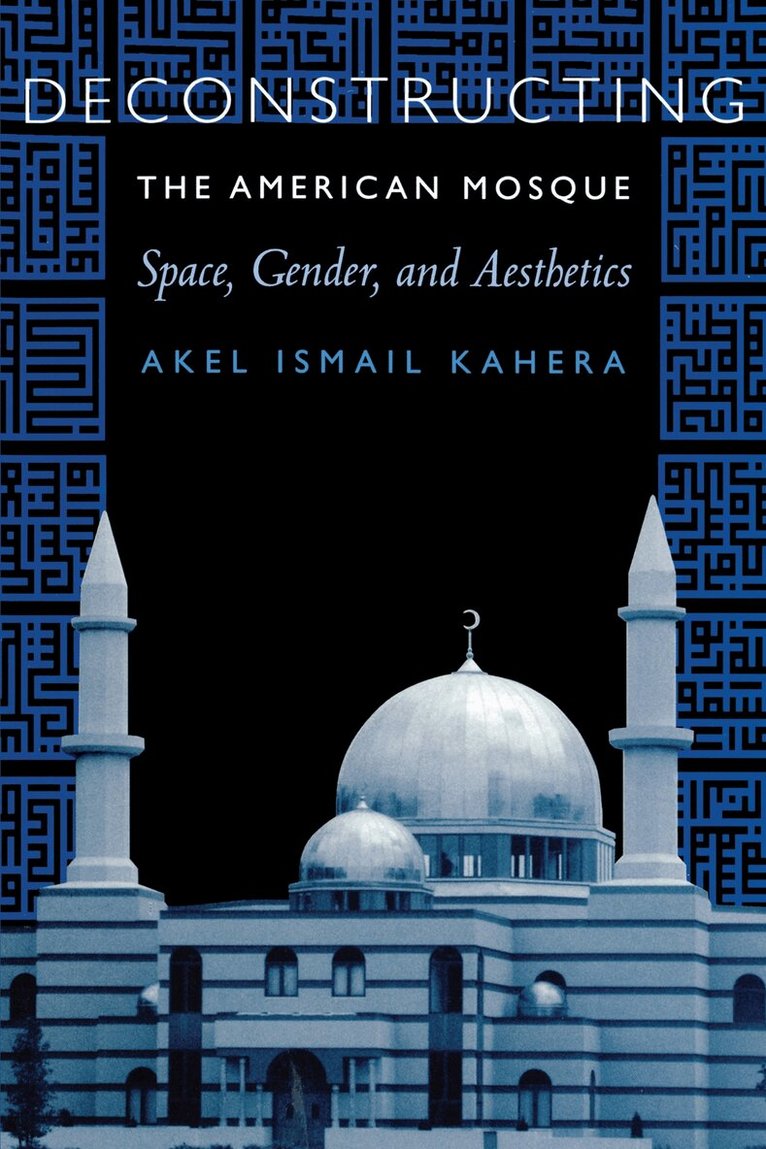
From the avant-garde design of the Islamic Cultural Center in New York City to the simplicity of the Dar al-Islam Mosque in Abiquiu, New Mexico, the American mosque takes many forms of visual and architectural expression. The absence of a single, authoritative model and the plurality of design nuances reflect the heterogeneity of the American Muslim community itself, which embodies a whole spectrum of ethnic origins, traditions, and religious practices. In this book, Akel Ismail Kahera explores the history and theory of Muslim religious aesthetics in the United States since 1950. Using a notion of deconstruction based on the concepts of "jamal" (beauty), "subject," and "object" found in the writings of Ibn Arabi (d. 1240), he interprets the forms and meanings of several American mosques from across the country. His analysis contributes to three debates within the formulation of a Muslim aesthetics in North America-first, over the meaning, purpose, and function of visual religious expression; second, over the spatial and visual affinities between American and non-American mosques, including the Prophet's mosque at Madinah, Arabia; and third, over the relevance of culture, place, and identity to the making of contemporary religious expression in North America.
1 367 kr
Skickas inom 5-8 vardagar
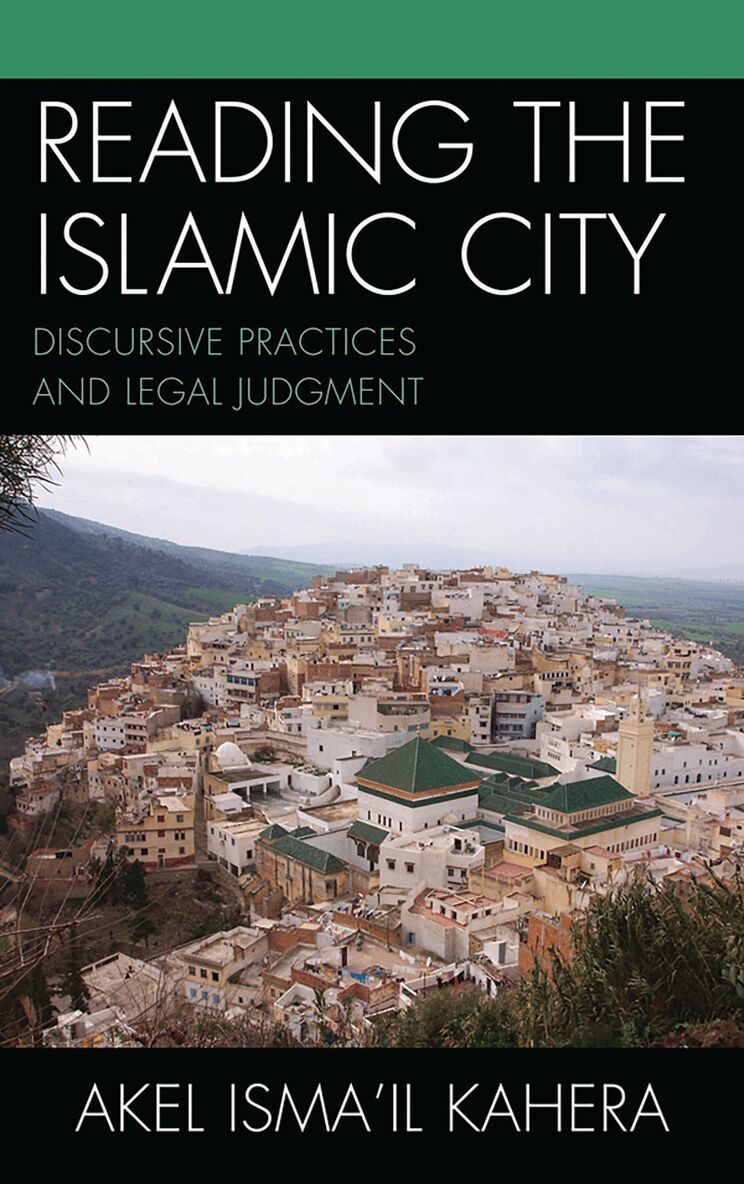
Reading the Islamic City offers insights into the implications the practices of the Maliki school of Islamic law have for the inhabitants of the Islamic city, the madinah. The problematic term madinah fundamentally indicates a phenomenon of building, dwelling, and urban settlement patterns that evolved after the 7th century CE in the Maghrib (North Africa) and al-Andalusia (Spain). Madinah involves multiple contexts that have socio-religious functions and symbolic connotations related to the faith and practice of Islam, and can be viewed in terms of a number of critiques such as everyday lives, boundaries, utopias, and dystopias. The book considers Foucault’s power/knowledge matrix as it applies to an erudite cadre of scholars and legal judgments in the realm of architecture and urbanism. It acknowledges the specificity of power/knowledge insofar as it provides a dominant framework to tackle property rights, custom, noise, privacy, and a host of other subjects. Scholars of urban studies, religion, history, and geography will greatly benefit from this vivid analysis of the relevance of the juridico-discursive practice of Maliki Law in a set of productive or formative discourses in the Islamic city.
1 142 kr
Skickas inom 10-15 vardagar
Hermeneutics of the Cave: Islam, Ontology and the Recovery of Meaning proposes an intellectual focus on the Qur’anic recovery of meaning. Akel Ismail Kahera contends that the Qur'anic exegesis must be recognized if we are to understand its clear representation of the ontological situation, the primordial self, and the life universe from Islam’s exegetical standpoint. When the Qur’anic evidence is examined in the chapters of this volume, three discourses—allegory, eschatology, and exegesis—provide a critical review of the hermeneutic analysis of being, the importance of belief, and divine knowledge. The chapters move beyond the Socratic arguments and Plato’s cave allegory to discuss ontology and the recovery of meaning. What is being argued is a polysemic expansion of Plato’s allegorical framework of self as derived from the experience of the Socratic discourse—the drama and experience of the divided line, as well as the insoluble conversation on these philosophic frameworks that are still relevant today.
1 343 kr
Skickas inom 10-15 vardagar
To tackle the paucity of adequate housing in the Muslim World, Strategic Rebuilding and Affordable Housing in the Muslim World brings together a cohort of essays that deal with the the latest approaches, policy discussions, attendant research methodologies and recommendations. The volume’s multidisciplinary contributors— academics, practitioners, architects, planners, researchers, urbanists, economists—offer valuable insights and critical analysis on strategic rebuilding of affordable and adequate housing, as well as the continuous improvement of living conditions. Each chapter broadens our understanding of the ‘house’ as a source of stability and security for individuals or families because one’s house is the center of emotional life, with its ability to provide serenity, safety, and self-worth. Therefore, weaving the many aspects of this argument together the contributors of this volume purport a point of view that is carefully well-thought-out to expand the focus from just addressing individual and family needs to looking at the wider community benefits. Furthermore, adequate housing will increasingly become the focus of re-settlement, urban renewal and re-investment, primarily to deal with the homeless conditions that already exist—the influx of refugees and internally displaced people (IDP’s) as the result of natural disasters (earthquakes and floods) and the collateral damage caused by war.
1 209 kr
Skickas inom 10-15 vardagar
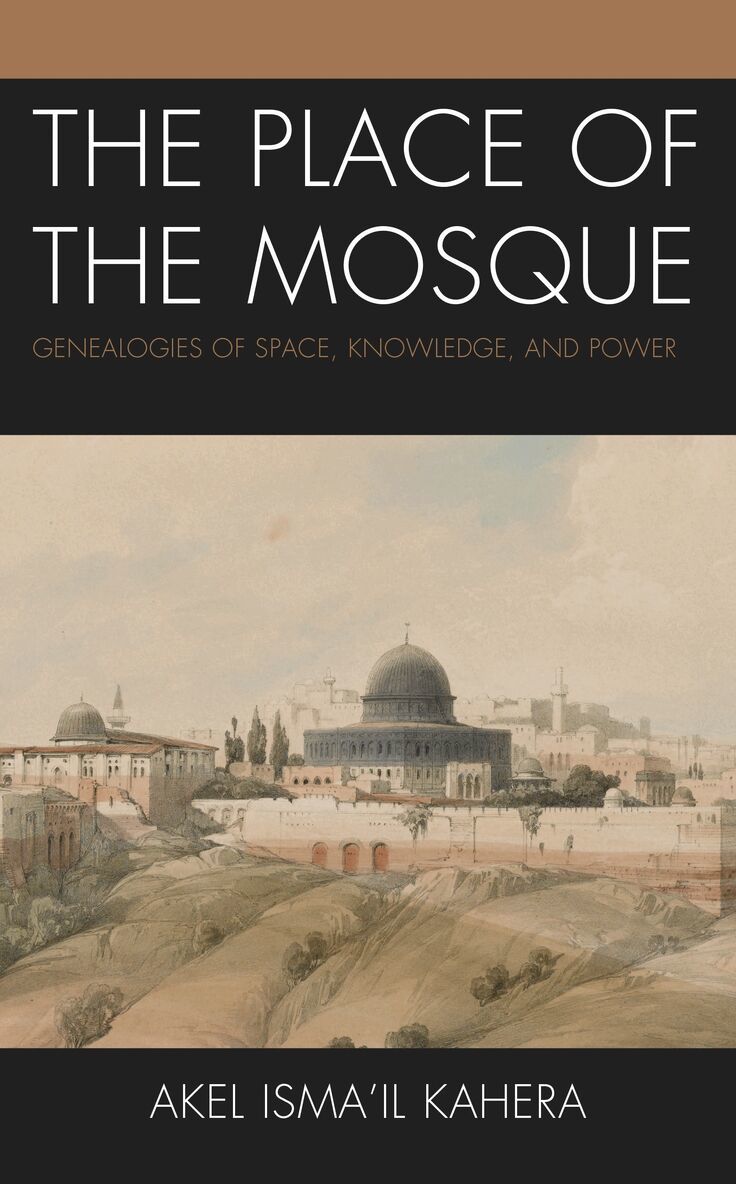
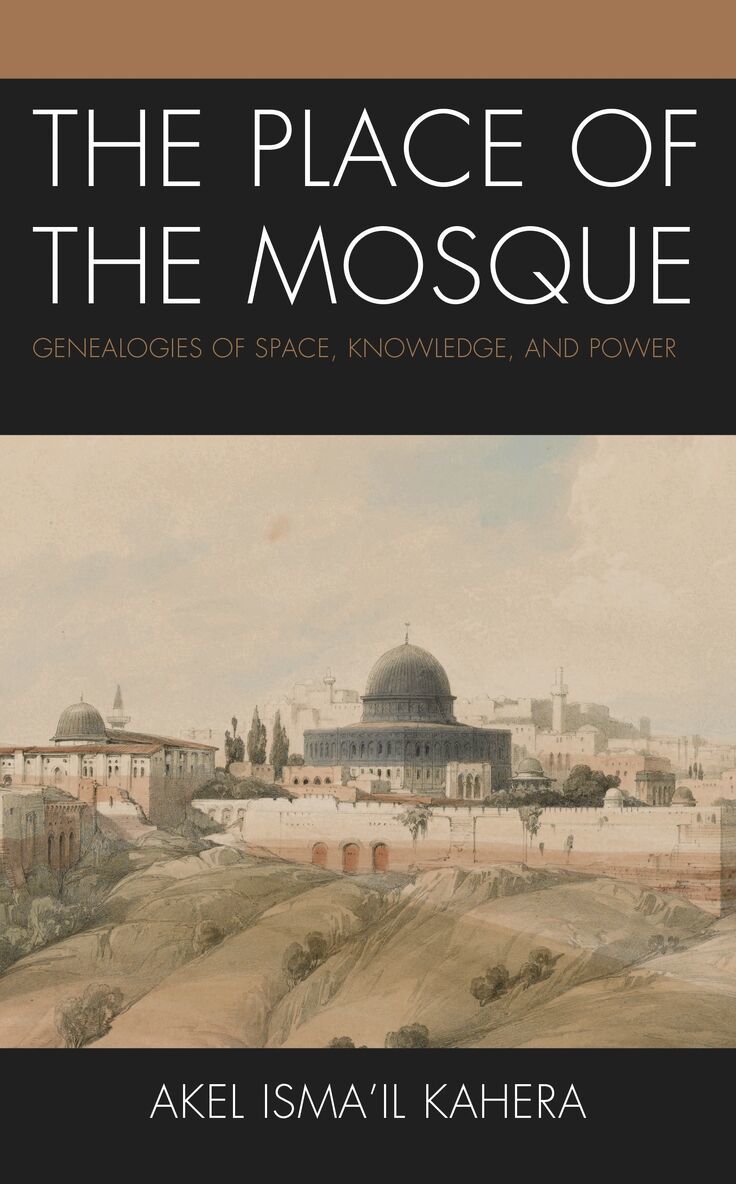
The Place of the Mosque: Genealogies of Space, Knowledge, and Power extends Foucault’s analysis, Of Other Spaces, and the “ideological conflicts which underlie the controversies of our day [and] take place between pious descendants of time and tenacious inhabitants of space.” This book uses Foucault’s framework to illuminate how mosques have been threatened in the past, from the Cordóba Mosque in the eighth century, to the development of Moorish aesthetics in the United States in the nineteenth century, to the clashes surrounding the building of mosques in the West in the twentieth and twenty-first centuries. Akel Kahera uses Foucault’s genealogy to elaborate on and study the subjects that are caught in the emergence of a battle—the social and political will to power, the networks of power, and the rituals of power—within the interstitial space. In going beyond individual buildings to broader geographical and genealogical dimensions of the power struggles, The Place of the Mosque reconciles the public space experience, governmentality, and micro powers, paving the way for a new philosophical language. Expanding architectural and urban regional approaches, Kahera shows the biopolitical significance of the problem of space.
434 kr
Skickas inom 10-15 vardagar
The Place of the Mosque: Genealogies of Space, Knowledge, and Power extends Foucault’s analysis, Of Other Spaces, and the “ideological conflicts which underlie the controversies of our day [and] take place between pious descendants of time and tenacious inhabitants of space.” This book uses Foucault’s framework to illuminate how mosques have been threatened in the past, from the Cordóba Mosque in the eighth century, to the development of Moorish aesthetics in the United States in the nineteenth century, to the clashes surrounding the building of mosques in the West in the twentieth and twenty-first centuries. Akel Kahera uses Foucault’s genealogy to elaborate on and study the subjects that are caught in the emergence of a battle—the social and political will to power, the networks of power, and the rituals of power—within the interstitial space. In going beyond individual buildings to broader geographical and genealogical dimensions of the power struggles, The Place of the Mosque reconciles the public space experience, governmentality, and micro powers, paving the way for a new philosophical language. Expanding architectural and urban regional approaches, Kahera shows the biopolitical significance of the problem of space.