Akiko Hashimoto - Böcker
Visar alla böcker från författaren Akiko Hashimoto. Handla med fri frakt och snabb leverans.
5 produkter
5 produkter
2 169 kr
Skickas inom 5-8 vardagar
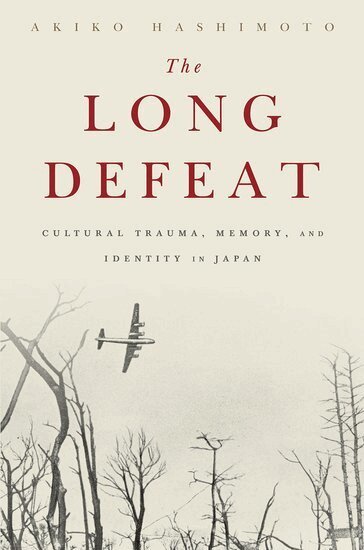
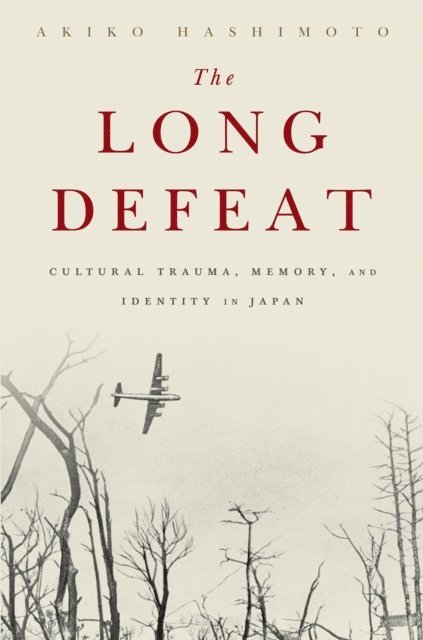
This book explores the stakes of war memory in Japan after its defeat in World War II, showing how and why defeat has become an indelible part of national collective life, especially in recent decades. It probes into the heart of the divisive war memories that lie at the root of current disputes over revising Japan's pacifist constitution, remilitarization, and the escalating frictions in East Asia that have come to be known collectively as Japan's "history problem." Examining Japan's culture of defeat up to the present day, the book illuminates how memories of national trauma remain relevant to culture and society long after the event, and why the memories of difficult experiences endure, and even intensify, despite people's impulse to avoid remembering a dreadful past and to move on. These memories have endured in Japan for many reasons: the nation's trajectory changed profoundly after its surrender of sovereignty in 1945; collective life had to be regenerated from the catastrophic national fall; and it faced the predicament of living with a discredited, tainted past. This book shows that the culture of defeat in Japan has mobilized new and continually revised narratives to explain grievous national failures, mourn the dead, redirect blame, and recover from the burdens of stigma and guilt. The task of making a coherent story of defeat is at the same time a project of repairing the moral backbone of a broken society. Drawing on ethnographic observations and personal interviews as well as testimonial and other popular memory data since the 1980s, the book identifies three preoccupations - national belonging, healing, and justice - in Japan's discourses of defeat. It traces the key memory narratives, and identifies their crucial roles in assessing Japan's choices - nationalism, pacifism, or reconciliationism - for addressing the escalating national and international tensions it faces today.
437 kr
Skickas inom 5-8 vardagar
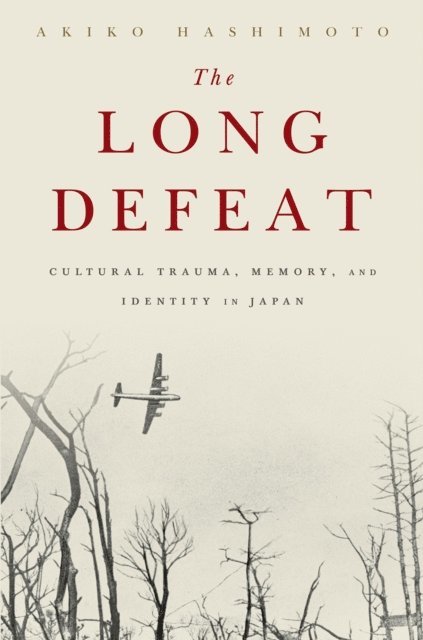
This book explores the stakes of war memory in Japan after its defeat in World War II, showing how and why defeat has become an indelible part of national collective life, especially in recent decades. It probes into the heart of the divisive war memories that lie at the root of current disputes over revising Japan's pacifist constitution, remilitarization, and the escalating frictions in East Asia that have come to be known collectively as Japan's "history problem." Examining Japan's culture of defeat up to the present day, the book illuminates how memories of national trauma remain relevant to culture and society long after the event, and why the memories of difficult experiences endure, and even intensify, despite people's impulse to avoid remembering a dreadful past and to move on. These memories have endured in Japan for many reasons: the nation's trajectory changed profoundly after its surrender of sovereignty in 1945; collective life had to be regenerated from the catastrophic national fall; and it faced the predicament of living with a discredited, tainted past. This book shows that the culture of defeat in Japan has mobilized new and continually revised narratives to explain grievous national failures, mourn the dead, redirect blame, and recover from the burdens of stigma and guilt. The task of making a coherent story of defeat is at the same time a project of repairing the moral backbone of a broken society. Drawing on ethnographic observations and personal interviews as well as testimonial and other popular memory data since the 1980s, the book identifies three preoccupations - national belonging, healing, and justice - in Japan's discourses of defeat. It traces the key memory narratives, and identifies their crucial roles in assessing Japan's choices - nationalism, pacifism, or reconciliationism - for addressing the escalating national and international tensions it faces today.
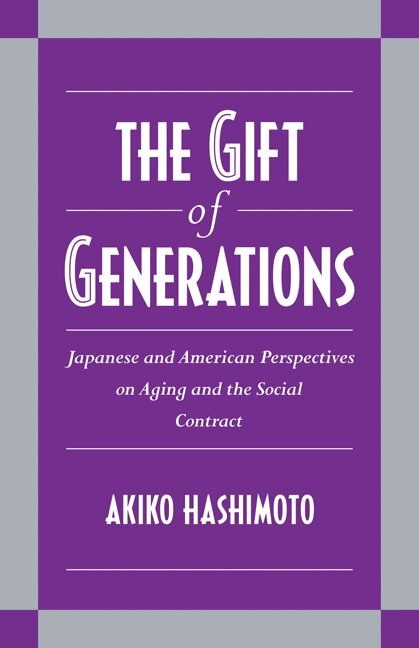
The Gift of Generations
Japanese and American Perspectives on Aging and the Social Contract
Häftad, Engelska, 1996
507 kr
Skickas inom 7-10 vardagar
Modern societies today contend with population dynamics that have never before existed. As the number of older people grows, these countries must determine how best to provide for the needs of this population. The constraints are real: fiscal and material resources are finite and must be shared in a way that is perceived as just. As such, societies confront the fundamental question of who gets what, how, and why, and ultimately must reappraise the principles determining why some people are considered more worthy of help than others. This study systematically explores the Japanese and American answers to this fundamental question. This is the only US-Japan comparative work of its kind, utilizing systematically comparable data from both countries. It also draws on interview material that presents the choices, disappointments, and satisfactions of old age in the individual's own words.
801 kr
Tillfälligt slut
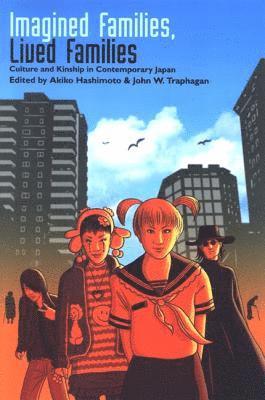
An interdisciplinary look at the dramatic changes in the contemporary Japanese family, including both empirical data and analyses of popular culture.The Japanese family is at a crossroads of demographic change and altered cultural values. While the population of children has been shrinking and that of elders rising, attitudes about rights and responsibilities within the family have changed significantly. The realities of life in postmodern society have shaped both the imagined family of popular culture and the lived experience of Japanese family members. Imagined Families, Lived Families takes an interdisciplinary approach toward these dramatic changes by looking at the Japanese family from a variety of perspectives, including media studies, anthropology, sociology, literature, and popular culture. The contributors look at representations of family in manga and anime, outsider families and families that must contend with state prosecution of political activists, the stereotype of the absolute Japanese father, and old age and end-of-life decisions in a rapidly aging society with changing family configurations.
376 kr
Tillfälligt slut
An interdisciplinary look at the dramatic changes in the contemporary Japanese family, including both empirical data and analyses of popular culture.The Japanese family is at a crossroads of demographic change and altered cultural values. While the population of children has been shrinking and that of elders rising, attitudes about rights and responsibilities within the family have changed significantly. The realities of life in postmodern society have shaped both the imagined family of popular culture and the lived experience of Japanese family members. Imagined Families, Lived Families takes an interdisciplinary approach toward these dramatic changes by looking at the Japanese family from a variety of perspectives, including media studies, anthropology, sociology, literature, and popular culture. The contributors look at representations of family in manga and anime, outsider families and families that must contend with state prosecution of political activists, the stereotype of the absolute Japanese father, and old age and end-of-life decisions in a rapidly aging society with changing family configurations.