A.L. Beier – författare
Visar alla böcker från författaren A.L. Beier. Handla med fri frakt och snabb leverans.
12 produkter
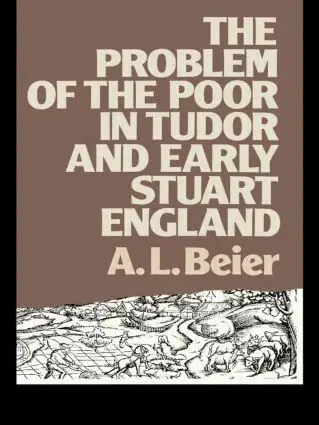
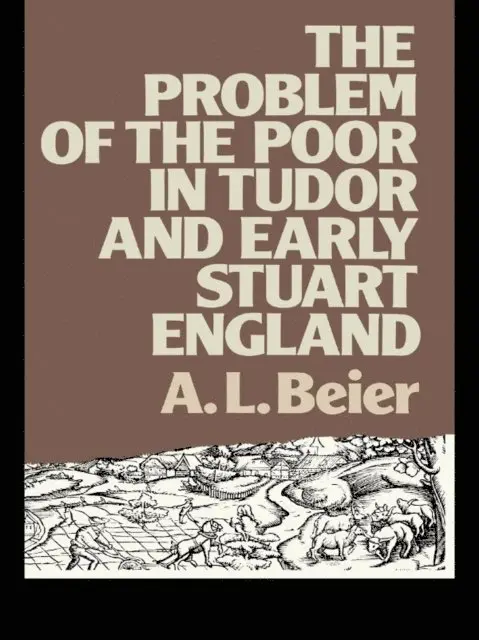
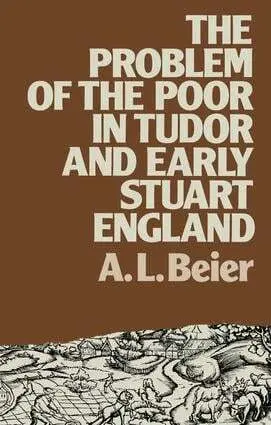
Problem of the Poor in Tudor and Early Stuart England
Av A.L. Beier
Häftad, 1983
706 kr
Lägg i varukorg
This pamphlet examines recent research into the poor laws of Tudor and Stuart England. Dr Beier asks the question ‘who were the poor?’ and in answering it places the ‘problem of the poor’ in its historical context, examining it in relation to medieval provisions for dealing with poverty. He shows …
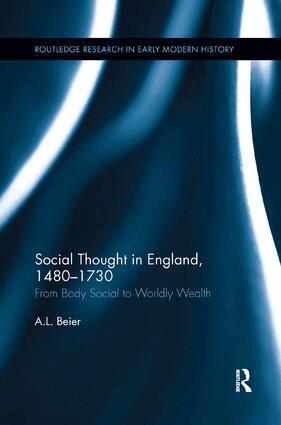
Social Thought in England, 1480-1730
From Body Social to Worldly Wealth
Av A.L. Beier
Häftad, 2017
848 kr
Lägg i varukorg
Authorities ranging from philosophers to politicians nowadays question the existence of concepts of society, whether in the present or the past. This book argues that social concepts most definitely existed in late medieval and early modern England, laying the foundations for modern models of …
Masterless Men
The Vagrancy Problem in England 1560–1640
Av A.L. Beier
E-bok, 2023
571 kr
Lägg i varukorg
Masterless Men (1985) examines the nature of vagrancy in Tudor and Stuart England, an issue that many contemporary authorities regarded as their most serious social problems. It looks at why vagrancy was felt to be such a threat to the stability of the country, and the steps the authorities took to …
Masterless Men
The Vagrancy Problem in England 1560–1640
Av A.L. Beier
E-bok, 2023
559 kr
Lägg i varukorg
Masterless Men (1985) examines the nature of vagrancy in Tudor and Stuart England, an issue that many contemporary authorities regarded as their most serious social problems. It looks at why vagrancy was felt to be such a threat to the stability of the country, and the steps the authorities took to …
Masterless Men
The Vagrancy Problem in England 1560–1640
Av A.L. Beier
Inbunden, 2023
1885 kr
Lägg i varukorg
Masterless Men (1985) examines the nature of vagrancy in Tudor and Stuart England, an issue that many contemporary authorities regarded as their most serious social problems. It looks at why vagrancy was felt to be such a threat to the stability of the country, and the steps the authorities took to …
Masterless Men
The Vagrancy Problem in England 1560–1640
Av A.L. Beier
Häftad, 2025
488 kr
Lägg i varukorg
Masterless Men (1985) examines the nature of vagrancy in Tudor and Stuart England, an issue that many contemporary authorities regarded as their most serious social problems. It looks at why vagrancy was felt to be such a threat to the stability of the country, and the steps the authorities took to …
Problem of the Poor in Tudor and Early Stuart England
Av A.L. Beier
E-bok, 2003
767 kr
Lägg i varukorg
This pamphlet examines recent research into the poor laws of Tudor and Stuart England. Dr Beier asks the question ‘who were the poor?’ and in answering it places the ‘problem of the poor’ in its historical context, examining it in relation to medieval provisions for dealing with poverty. He …
Problem of the Poor in Tudor and Early Stuart England
Av A.L. Beier
E-bok, 2003
767 kr
Lägg i varukorg
This pamphlet examines recent research into the poor laws of Tudor and Stuart England. Dr Beier asks the question ‘who were the poor?’ and in answering it places the ‘problem of the poor’ in its historical context, examining it in relation to medieval provisions for dealing with poverty. He …
Problem of the Poor in Tudor and Early Stuart England
Av A.L. Beier
Inbunden, 2016
2590 kr
Lägg i varukorg
This pamphlet examines recent research into the poor laws of Tudor and Stuart England. Dr Beier asks the question ‘who were the poor?’ and in answering it places the ‘problem of the poor’ in its historical context, examining it in relation to medieval provisions for dealing with poverty. He shows …
Social Thought in England, 1480-1730
From Body Social to Worldly Wealth
Av A.L. Beier
Inbunden, 2016
2590 kr
Lägg i varukorg
Authorities ranging from philosophers to politicians nowadays question the existence of concepts of society, whether in the present or the past. This book argues that social concepts most definitely existed in late medieval and early modern England, laying the foundations for modern models of …
Social Thought in England, 1480-1730
From Body Social to Worldly Wealth
Av A.L. Beier
E-bok, 2016
999 kr
Lägg i varukorg
Authorities ranging from philosophers to politicians nowadays question the existence of concepts of society, whether in the present or the past. This book argues that social concepts most definitely existed in late medieval and early modern England, laying the foundations for modern models of …
Social Thought in England, 1480-1730
From Body Social to Worldly Wealth
Av A.L. Beier
E-bok, 2016
977 kr
Lägg i varukorg
Authorities ranging from philosophers to politicians nowadays question the existence of concepts of society, whether in the present or the past. This book argues that social concepts most definitely existed in late medieval and early modern England, laying the foundations for modern models of …