Aldo Stella – författare
Visar alla böcker från författaren Aldo Stella. Handla med fri frakt och snabb leverans.
5 produkter
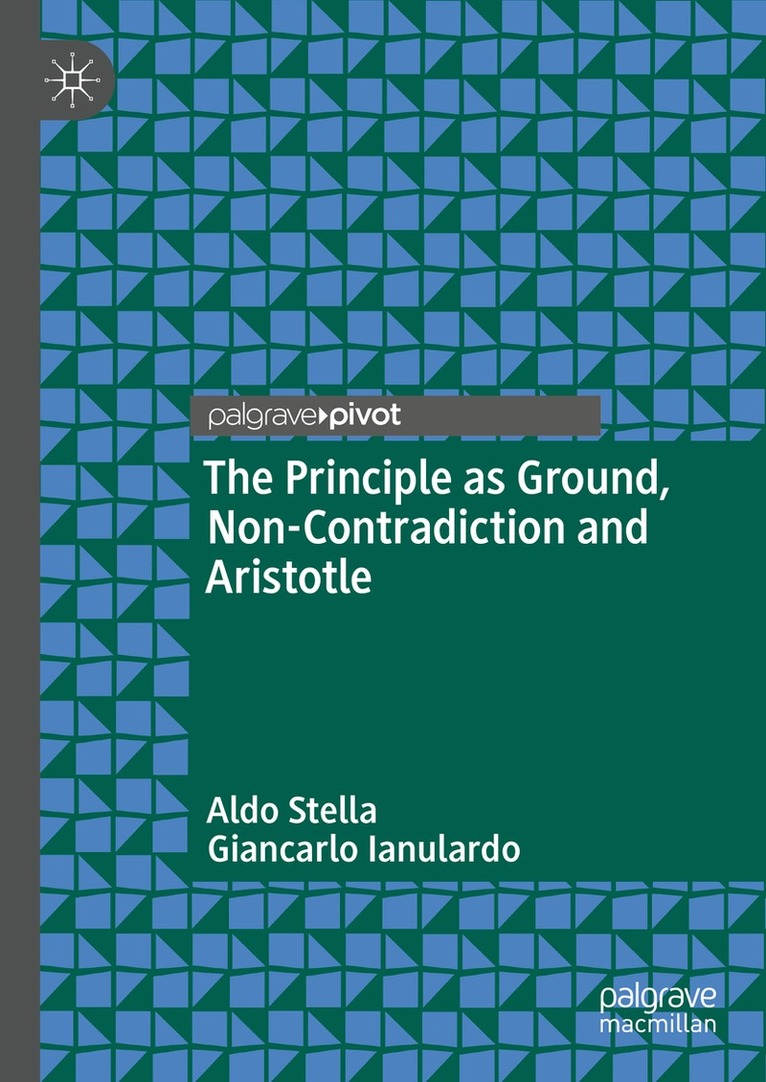
Principle as Ground, Non-Contradiction and Aristotle
Av Aldo Stella, Giancarlo Ianulardo
Inbunden, 2024
498 kr
Kommande
Numerous thinkers have considered the Principle of Non-Contradiction, but none has clearly identified its inherent limitation: that it is itself only a formal principle.This book shows that negation plays a fundamental role both in the constitution of the principle and in the affirmation of its …
Principle as Ground, Non-Contradiction and Aristotle
Av Giancarlo Ianulardo, Aldo Stella
E-bok, 2024
652 kr
Lägg i varukorg
Numerous thinkers have considered the Principle of Non-Contradiction, but none has clearly identified its inherent limitation: that it is itself only a formal principle. This book shows that negation plays a fundamental role both in the constitution of the principle and in the affirmation of its …
Principle as Ground, Non-Contradiction and Aristotle
Av Aldo Stella, Giancarlo Ianulardo
Häftad, 2025
498 kr
Lägg i varukorg
Numerous thinkers have considered the Principle of Non-Contradiction, but none has clearly identified its inherent limitation: that it is itself only a formal principle.This book shows that negation plays a fundamental role both in the constitution of the principle and in the affirmation of its …
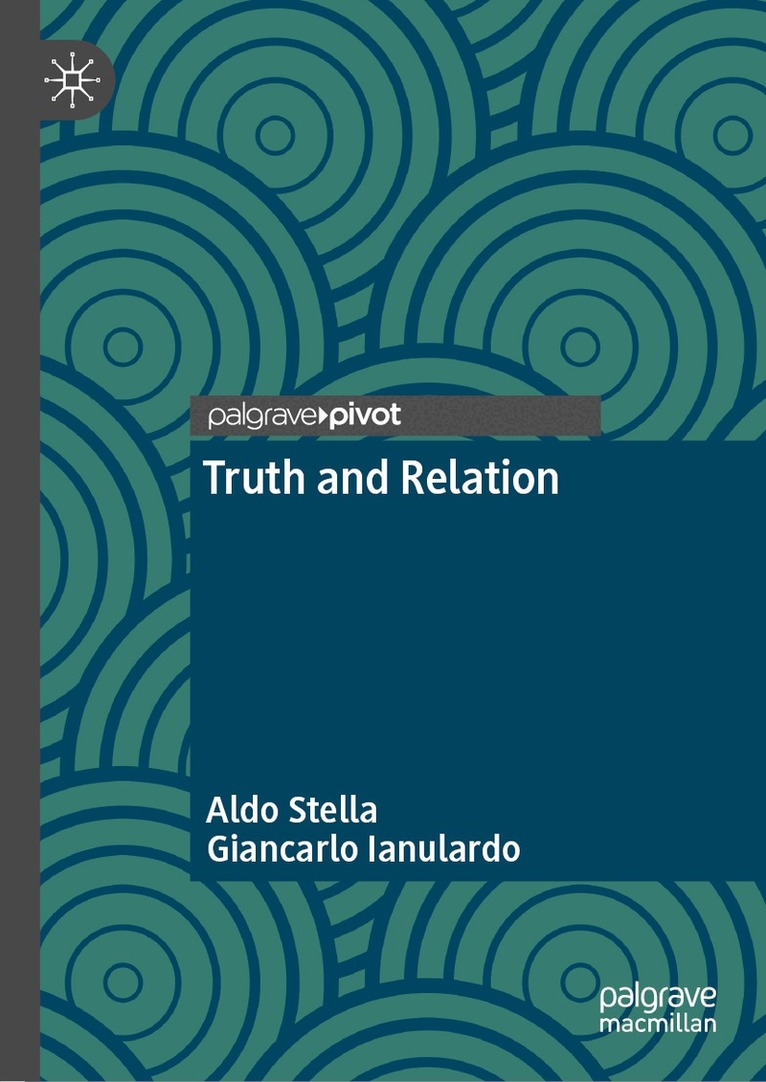
Truth and Relation
Av Aldo Stella, Giancarlo Ianulardo
Inbunden, 2026
443 kr
Lägg i varukorg
This book explores two fundamental concepts in philosophy: truth and relation. These concepts indicate the unconditioned condition and the empirical-formal universe that truth unilaterally conditions, respectively. Indeed, truth conditions the empirical-formal universe without being conditioned by …
Truth and Relation
Av Giancarlo Ianulardo, Aldo Stella
E-bok, 2026
571 kr
Lägg i varukorg
This book explores two fundamental concepts in philosophy: truth and relation. These concepts indicate the unconditioned condition and the empirical-formal universe that truth unilaterally conditions, respectively. Indeed, truth conditions the empirical-formal universe without being conditioned by …