Alex Gibson - Böcker
Visar alla böcker från författaren Alex Gibson. Handla med fri frakt och snabb leverans.
10 produkter
10 produkter
1 052 kr
Skickas inom 5-8 vardagar
893 kr
Skickas inom 5-8 vardagar
1 203 kr
Kommande
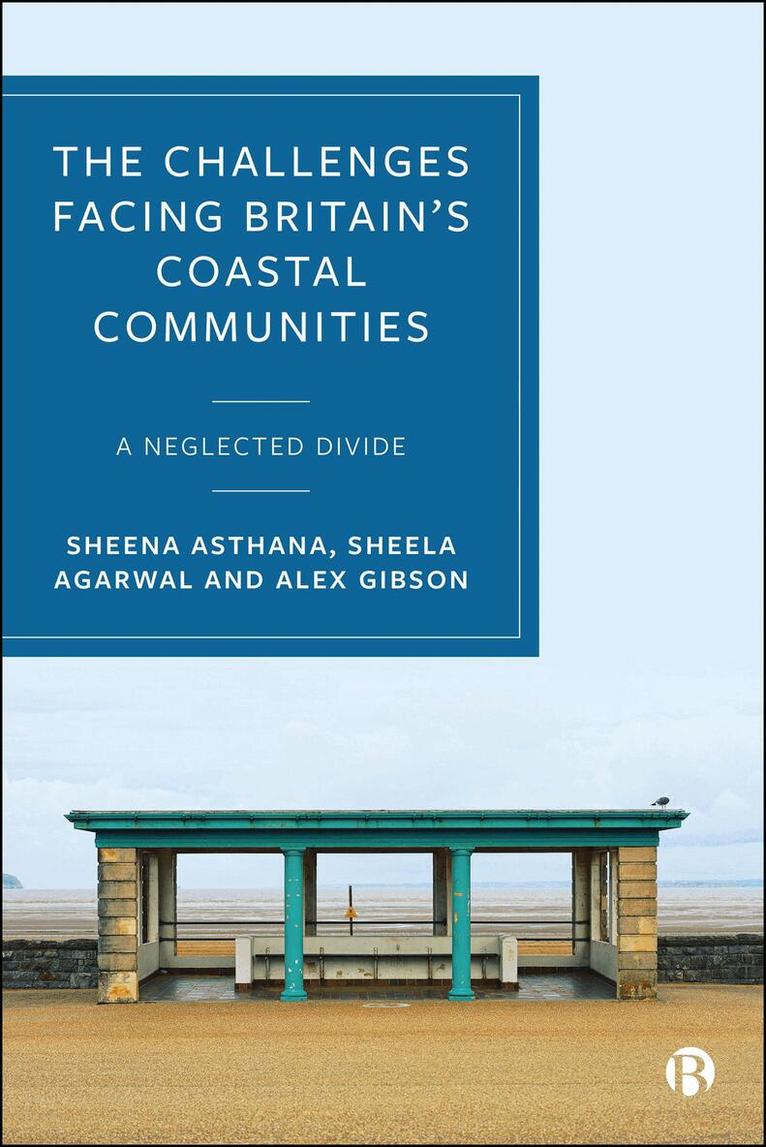
Much has been said about the concept of the ‘left-behind’ in modern Britain and the role that this played in Brexit, but why have the many problems facing coastal communities been overlooked by the media and national policy? With evidence that coastal areas have generally borne the brunt of deprivation and may be the last to recover from the current economic downturn, the need for a sustainable model of coastal regeneration has never been greater. This book explains the factors behind the decline of coastal areas, provides new data on the ways this has manifested with respect to economic, social, health and education outcomes and suggests how policy reform can create dynamic, thriving coastal communities.
830 kr
Skickas
Funerary and related cups of the British Bronze Age presents the first national corpus and study of these often highly decorated items. Cups are the least studied of all Bronze Age funerary ceramics and their interpretations are still based on antiquarian speculation. They are clearly ‘Urnes of no small Variety’ and previous attempts at classification have largely failed due to this variation. Their potential uses, technologies and associations are examined and many myths, such as their association with children and their role in accompanying other ceramics such as Collared Urns and Food Vessels are examined and questioned. Cups appear to have been grave goods in their own right and the term ‘accessory vessel’ is rejected. The book contains a fully referenced and illustrated national corpus that will form the basis for future studies.
542 kr
Skickas inom 5-8 vardagar
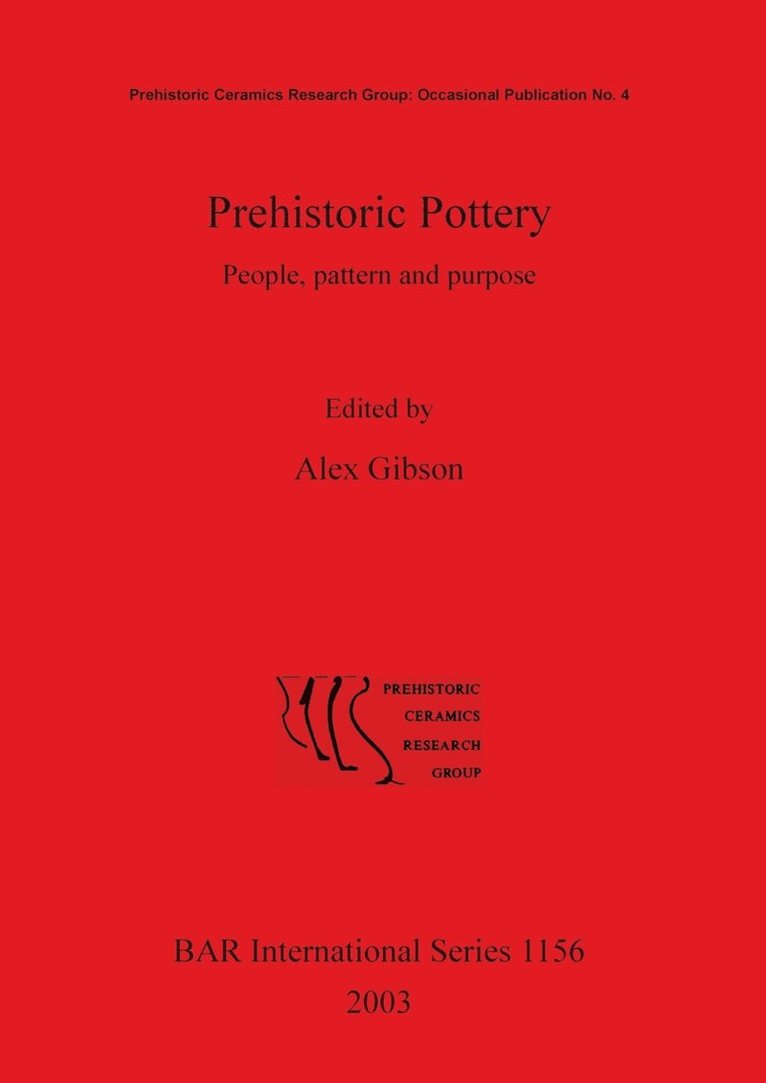
Prehistoric Pottery
People pattern and purpose. Prehistoric Pottery Research Group: Occasional Publication No. 4
Häftad, Engelska, 2003
972 kr
Skickas inom 5-8 vardagar
526 kr
Skickas inom 5-8 vardagar
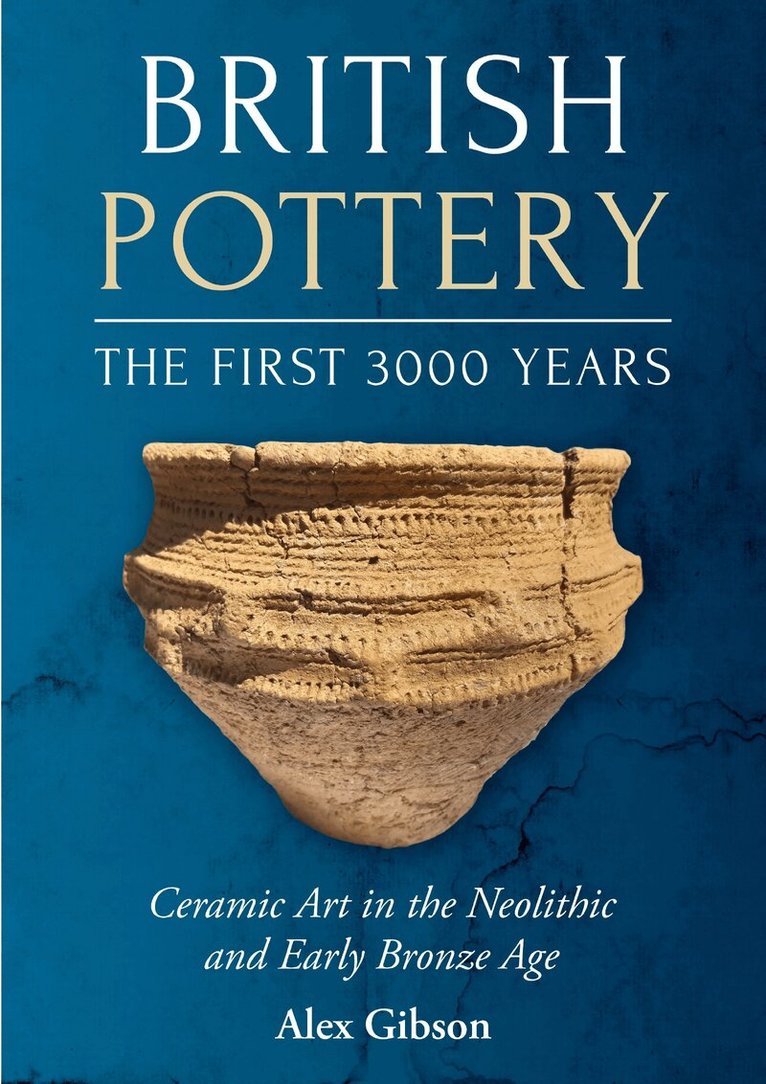
British Pottery: The First 3000 Years
Ceramic Art in the Neolithic and Early Bronze Age
Häftad, Engelska, 2024
549 kr
Skickas
Pottery was at the heart of the ‘Neolithic package’ appearing in Britain with the first farmers around 4000 BC. It arrived as a mature technology and was essential to the new, largely sedentary, lifestyle and economy. It transformed storage and cooking practices, and the earliest ceramics seem to have been essential equipment in the new practice of dairying. The pottery changed over time and, as a result, ceramics have been fundamental to the construction of relative chronologies since the early days of modern archaeology. Even with the development of absolute dating techniques, the role of pottery as a dating tool has not diminished but instead has become refined and more accurate.But pottery is not just a tool for dating the past – it also represents a facet of prehistoric art and expression. Starting simply, ceramics became arguably the main medium for display, with often complex designs. Simple techniques, motifs and panels are combined to create highly decorated vessels, often of great individuality. The use of inlays, pastes and slips added contrasting colours to these vibrant designs.By the end of the Neolithic, ceramics became one of the major grave goods of British prehistory, acting as accompaniments to those that warranted formal burial whether by inhumation or cremation. This practice continued throughout the Early Bronze Age to the extents that, lacking contemporary domestic sites, most of the corpora of Early Bronze Age ceramics are largely sepulchral in context. As we increasingly realise that burial rituals may have been varied and complex, so the roles of these ceramics are becoming all the more questioned.This book traces the 3000 years of ceramic use and development in Britain, charting the changing forms and decorative techniques and the differing and changing roles that pottery played within its contemporary society.
873 kr
Skickas inom 3-6 vardagar
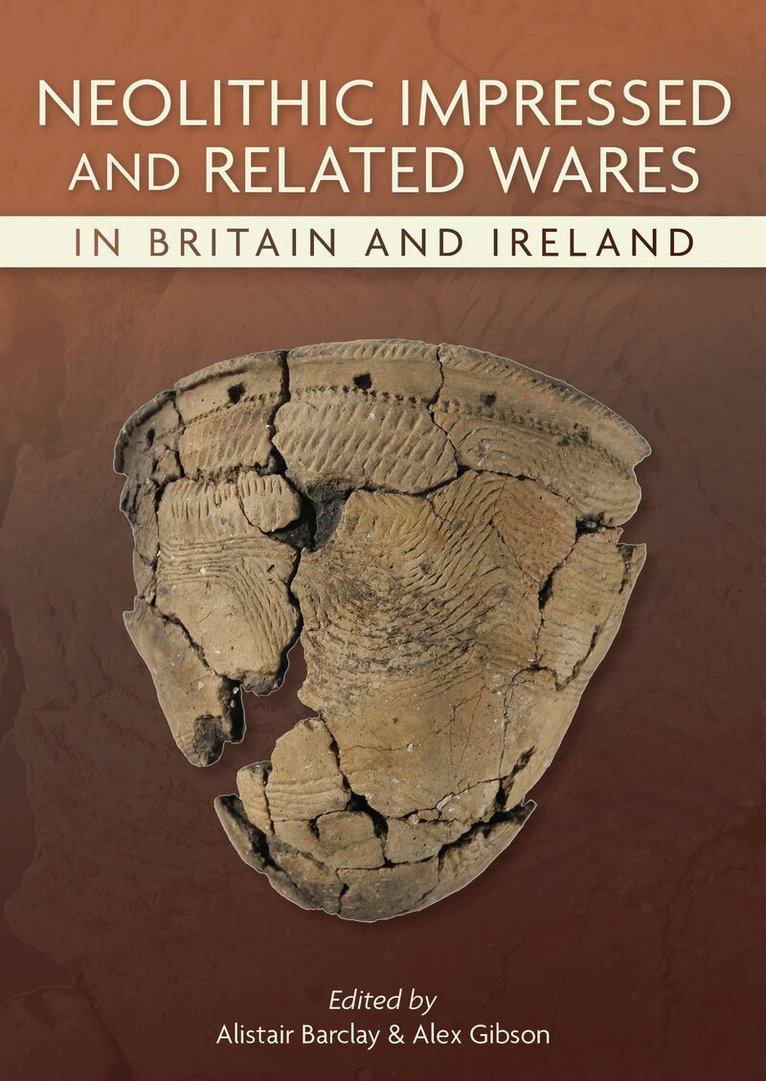
This next in the successful Neolithic Studies Group Seminar Papers series arises from the day conference held in November 2024. Following on from 2023’s Revisiting Grooved Ware volume, it aims to provide an up-to-date analysis and synthesis of Middle Neolithic (3600–2900 BC) pottery in Britain and Ireland that falls under the umbrella term of Impressed Ware. The pottery represents the final expression of Early Neolithic carinated bowls, which have evolved into highly decorated vessels using a variety of fibre, animal bone, and fingernail/tip impressions to form their distinctive and extensive decoration. The pottery is spread widely over Britain and Ireland with marked regionality as well as a contrasting degree of uniformity. This has never before been studied in detail so this book will provide the first wide overview of Impressed Wares of both Britain and Ireland, looking not just at regionality but also dating. Radiocarbon dates are currently largely restricted to individual site assemblages but this book will bring together regional dates to present a national overview. Following the format of the Grooved Ware volume, this will be presented as a series of regional syntheses, written by acknowledged experts in their field, with a final chapter to draw together the first truly national consideration of this important ceramic tradition, examining not just its origins, its regional nuances of style but also its much debated legacy.
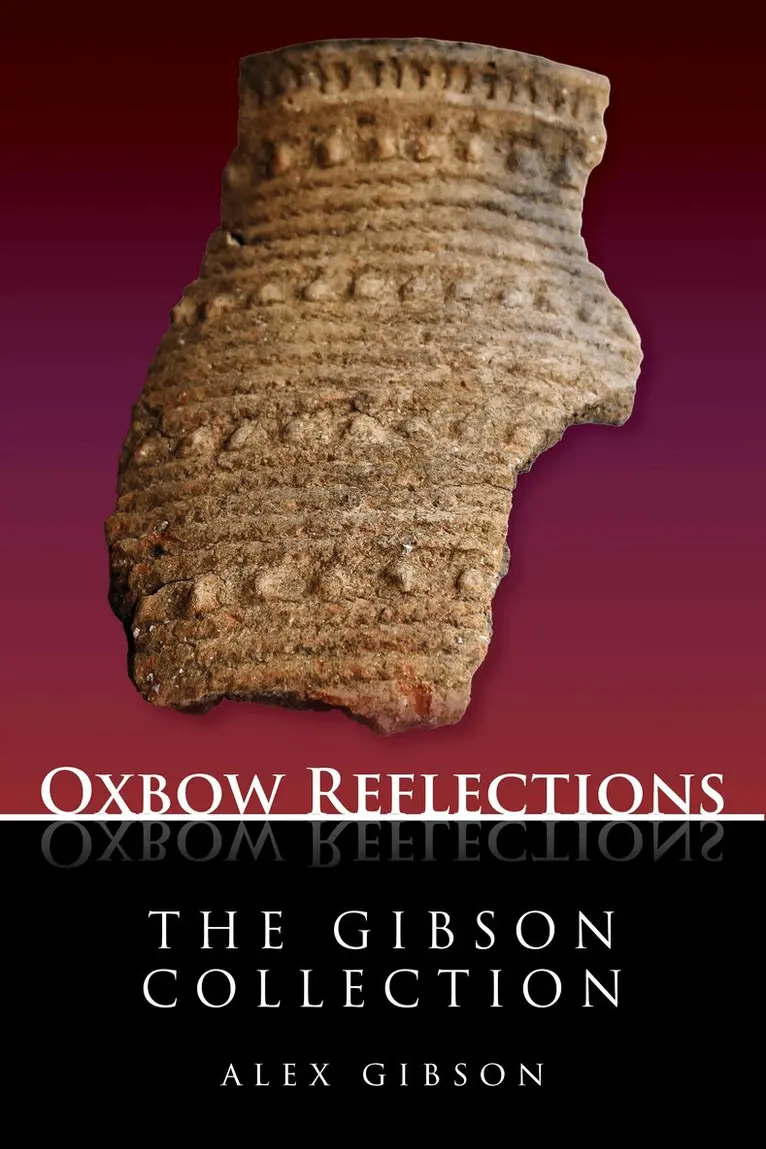
Gibson Collection
Key Papers by Prehistorian Alex Gibson on Neolithic Pottery and Domestic Settlement
Häftad, Engelska, 2026
489 kr
Kommande
This next title in our new Reflections series celebrates the academic career of leading British prehistorian Alex Gibson as seen through his many contributions to collected works and monographs published by Oxbow Books. In collaboration with the author, we have selected papers that reflect some of the major themes that have been the subject of his long-term research. Alex has devoted decades of research to the analysis and understanding of prehistoric pottery, especially Neolithic and Beaker ceramics. He is particularly concerned to look beyond the pots themselves to examine all aspects of production, distribution, chronology and depositional contexts of recovery, taking an holistic approach to interpretation of both the functional and social role of early ceramics and their relationships with settlement, funerary and ceremonial structures and events. Chapters also explore Alex’s major contributions to the study of Neolithic barrows, timber circles and palisaded enclosures and the ever-elusive evidence for Beaker associated settlement. In these papers we see demonstrated the breadth and development of some of Alex’s key interests and most influential ideas that continue to inspire scholars and underpin our understanding of material culture in prehistory. Includes an introduction by the author.