Alistair Barclay – författare
Visar alla böcker från författaren Alistair Barclay. Handla med fri frakt och snabb leverans.
7 produkter
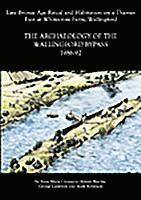
Archaeology of the Wallingford Bypass, 1986-92
Late Bronze Age Ritual and Habitation on a Thames Eyot at Whitecross Farm, Wallingford
Av Anne Marie Cromarty, Alistair Barclay m. fl.
Inbunden, 2006
431 kr
Lägg i varukorg
The site at Whitecross Farm, including timber structures located on the edge of the eyot, and a substantial midden and occupation deposit has been securely radiocarbon-dated to the late Bronze Age. The late Bronze Age artefact assemblages are suggestive of a high-status site, with a range of …
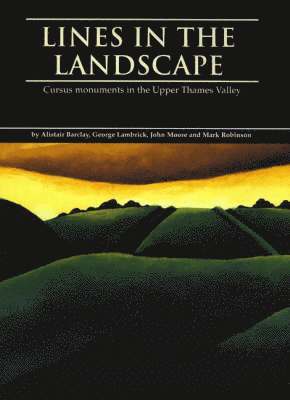
Lines in the Landscape
Cursus monuments in the Upper Thames Valley
Av Alistair Barclay, George Lambrick m. fl.
Inbunden, 2003
391 kr
Lägg i varukorg
The Upper Thames Valley is an important area for prehistoric monuments and has one of the highest concentrations of cursuses, distinctive linear or elongated earthworks, in Britain. In the 1980s the Oxford Archaeological Unit along with the Abingdon Area Archaeological and Historical Society had …
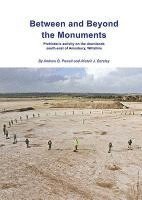
Between and Beyond the Monuments
Prehistoric activity on the downlands south-east of Amesbury.
Av Andrew Powell, Alistair Barclay
Inbunden, 2022
598 kr
Kommande
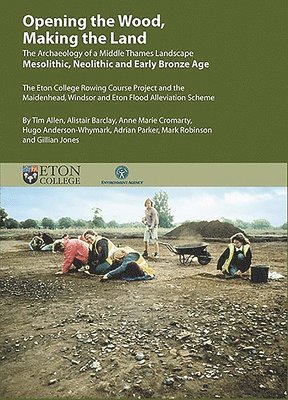
Opening the Wood, Making the Land
Av Tim Allen, Alistair Barclay m. fl.
Häftad, 2013
558 kr
Lägg i varukorg
Excavations at the Eton Rowing Course and along the Maidenhead, Windsor and Eton Flood Alleviation Channel revealed extensive evidence for occupation in an evolving landscape of floodplains and gravel terraces set amidst the shifting channels of the Thames.The most significant evidence was a series …
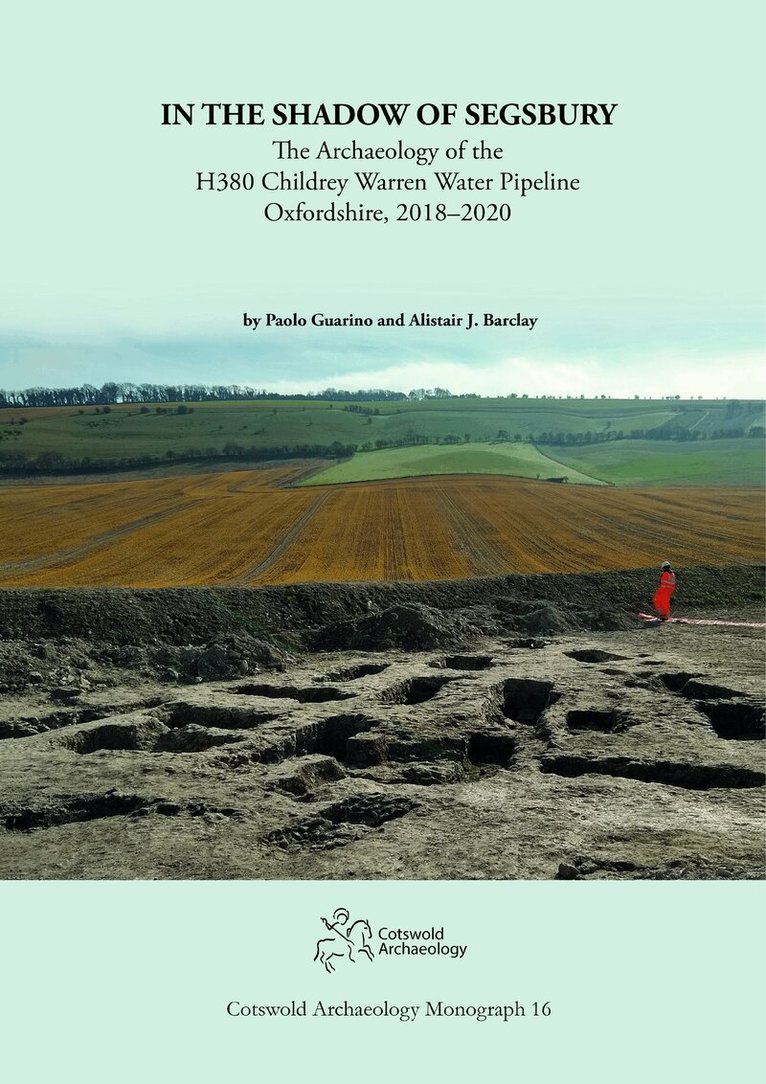
In the Shadow of Segsbury
The Archaeology of the H380 Childrey Warren Water Pipeline Oxfordshire, 2018–2020
Av Paolo Guarino, Alistair Barclay
Häftad, 2023
401 kr
Tillfälligt slut
Extensively illustrated report on an excavation in Oxfordshire near the Iron Age hillfort at Segsbury. Ephemeral traces of Mesolithic and Neolithic activity, including a possible Neolithic timber structure, were found. The remains of a probable Late Bronze Age pit alignment were also found. Small …
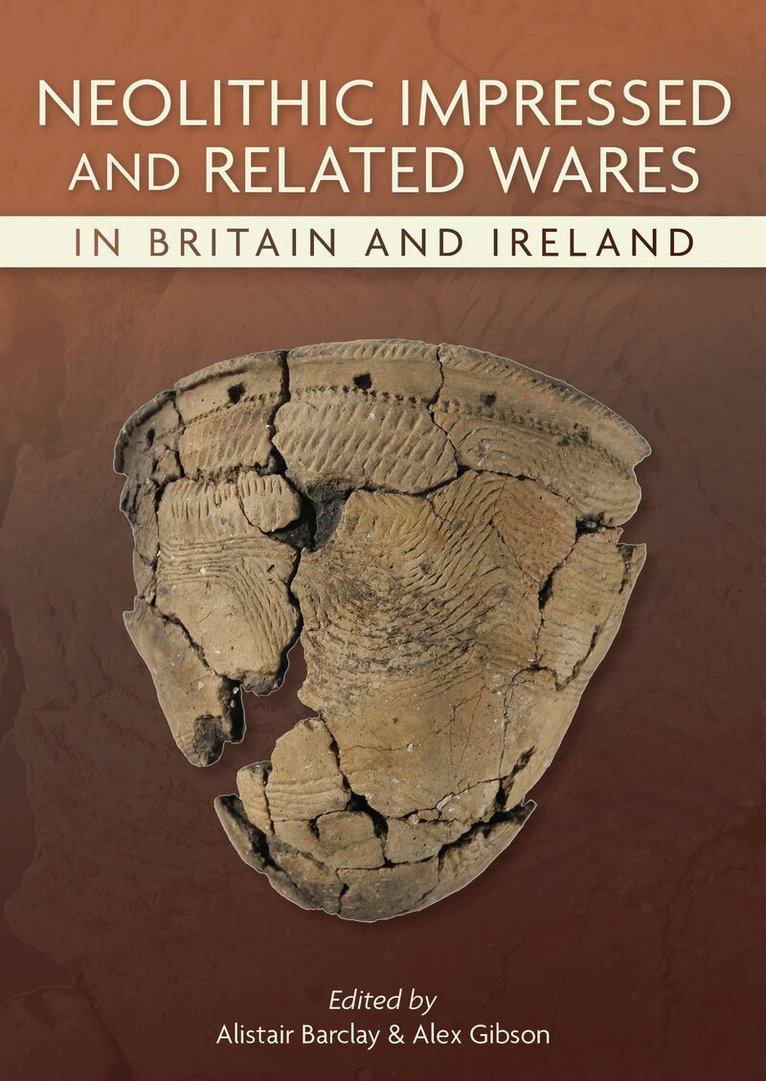
Neolithic Impressed and Related Wares in Britain and Ireland
Av Alistair Barclay, Alex Gibson
Häftad, 2025
912 kr
Tillfälligt slut
This next in the successful Neolithic Studies Group Seminar Papers series arises from the day conference held in November 2024. Following on from 2023’s Revisiting Grooved Ware volume, it aims to provide an up-to-date analysis and synthesis of Middle Neolithic (3600–2900 BC) pottery in Britain and …