Alexa S. Dietrich - Böcker
Visar alla böcker från författaren Alexa S. Dietrich. Handla med fri frakt och snabb leverans.
3 produkter
3 produkter
401 kr
Skickas inom 7-10 vardagar
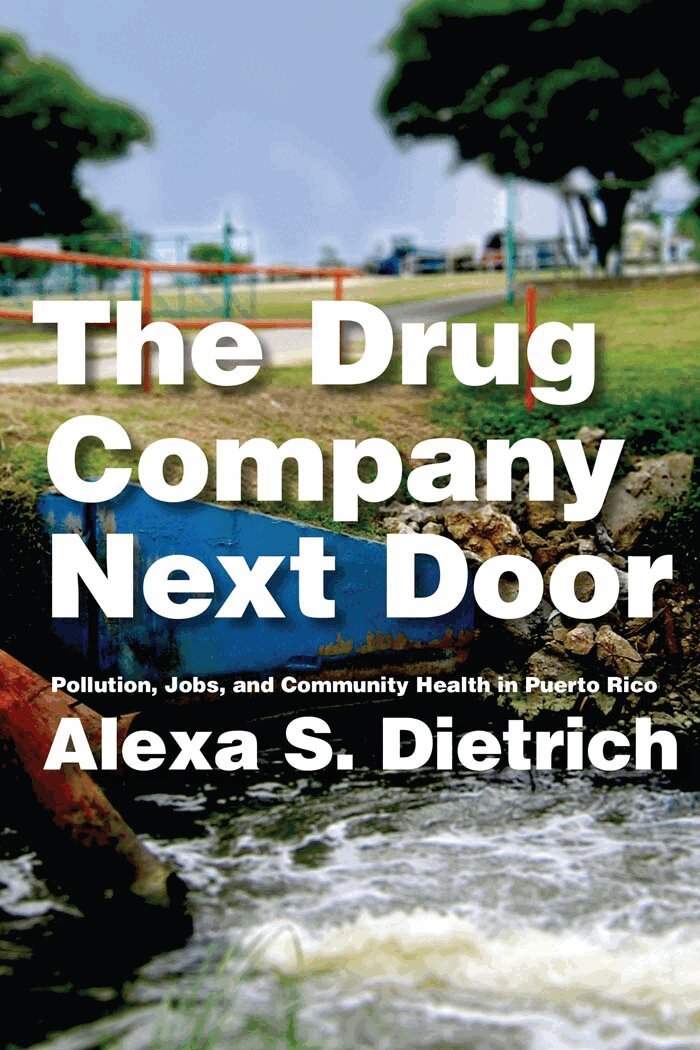
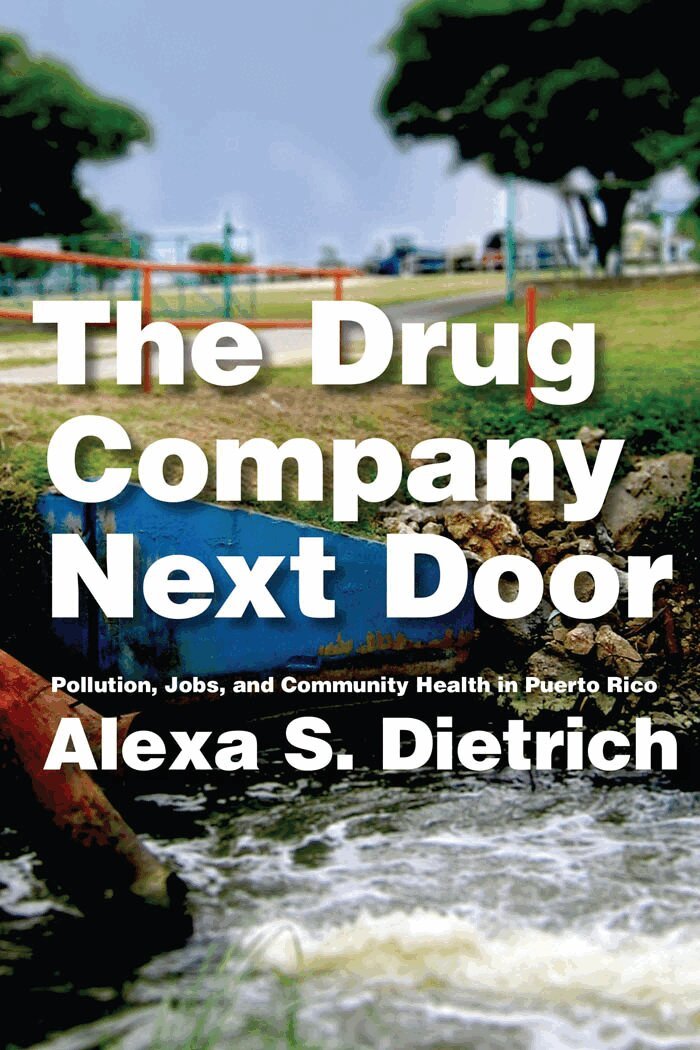
"This fascinating and most timely criticalmedical anthropology study successfully binds two still emergent areas ofcontemporary anthropological research in the global world: the nature andsignificant impact of multinational pharmaceutical manufacturers on humansocial life everywhere, and the contribution of corporations to the fast-paceddegradation of our life support system, planet Earth. . . . Focusing on apharmaceutically-impacted town on the colonized island of Puerto Rico, Dietrichably demonstrates the value of ethnography carried out in small places inframing the large issues facing humanity."—Merrill Singer, University of Connecticut The production of pharmaceuticals is among themost profitable industries on the planet. Drug companies produce chemicalsubstances that can save, extend, or substantially improve the quality of humanlife.However, even as the companiespresent themselves publicly as health and environmental stewards, theirfactories are a significant source of air and water pollution--toxic to peopleand the environment. In Puerto Rico, the pharmaceutical industry is thebackbone of the island's economy: in one small town alone, there are over adozen drug factories representing five multinationals, the highestconcentration per capita of such factories in the world. It is a place wherethe enforcement of environmental regulations and the public trust they ensureare often violated in the name of economic development. The Drug Company Next Door unites the concerns ofcritical medical anthropology with those of political ecology, investigatingthe multi-faceted role of pharmaceutical corporations as polluters, economicproviders, and social actors. Ratherthan simply demonizing the drug companies, the volume explores the dynamicsinvolved in their interactions with the local community and discusses thestrategies used by both individuals and community groups to deal with the consequencesof pollution. The Drug Company Next Door puts a human face on agrowing set of problems for communities around the world. Accessible and engaging, the book encouragesreaders to think critically about the role of corporations in everyday life,health, and culture.
914 kr
Skickas inom 10-15 vardagar
"This fascinating and most timely criticalmedical anthropology study successfully binds two still emergent areas ofcontemporary anthropological research in the global world: the nature andsignificant impact of multinational pharmaceutical manufacturers on humansocial life everywhere, and the contribution of corporations to the fast-paceddegradation of our life support system, planet Earth. . . . Focusing on apharmaceutically-impacted town on the colonized island of Puerto Rico, Dietrichably demonstrates the value of ethnography carried out in small places inframing the large issues facing humanity."—Merrill Singer, University of Connecticut The production of pharmaceuticals is among themost profitable industries on the planet. Drug companies produce chemicalsubstances that can save, extend, or substantially improve the quality of humanlife.However, even as the companiespresent themselves publicly as health and environmental stewards, theirfactories are a significant source of air and water pollution--toxic to peopleand the environment. In Puerto Rico, the pharmaceutical industry is thebackbone of the island's economy: in one small town alone, there are over adozen drug factories representing five multinationals, the highestconcentration per capita of such factories in the world. It is a place wherethe enforcement of environmental regulations and the public trust they ensureare often violated in the name of economic development. The Drug Company Next Door unites the concerns ofcritical medical anthropology with those of political ecology, investigatingthe multi-faceted role of pharmaceutical corporations as polluters, economicproviders, and social actors. Ratherthan simply demonizing the drug companies, the volume explores the dynamicsinvolved in their interactions with the local community and discusses thestrategies used by both individuals and community groups to deal with the consequencesof pollution. The Drug Company Next Door puts a human face on agrowing set of problems for communities around the world. Accessible and engaging, the book encouragesreaders to think critically about the role of corporations in everyday life,health, and culture.
733 kr
Kommande
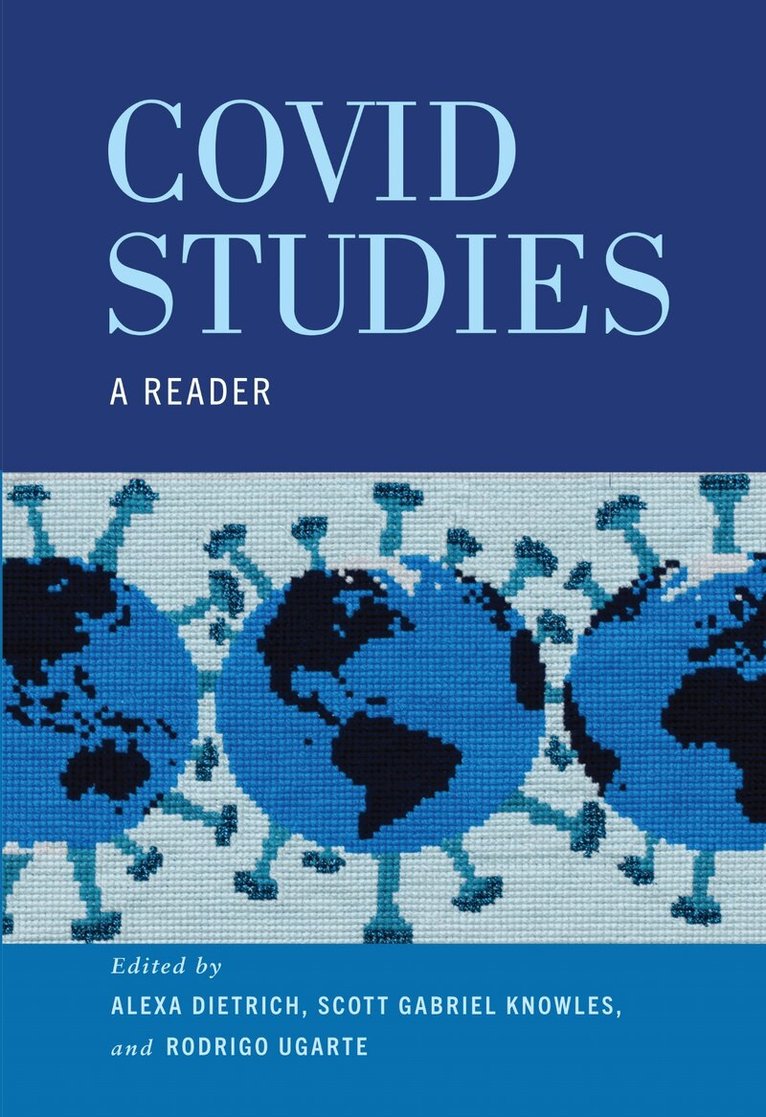
A "state of the field" collection of essays that presents the latest research on the pandemic from a range of disciplinesCOVID Studies is a "state of the field" collection of essays that presents the latest research on the pandemic from a range of disciplines, including sociology, anthropology, public policy, political science, history, and science and technology studies. Though varied in their methodologies, whether ethnography, data analysis, or archival research, the contributors together view COVID not as an isolated event with a discrete beginning and end, but rather as an ongoing crisis that resulted from and has shaped underlying social and political conditions.As the essays demonstrate, COVID is a nested disaster: a deadly and debilitating virus woven through traumatically inadequate health systems in the United States and around the world. COVID is also a compound disaster, entangled with climatic disasters of land, air, and sea, and grinding against the tragedies of migration, war, and political dysfunction. Taking COVID and its lessons out of the museum of past disasters, where powerful people and institutions want it to remain, this volume puts it right back into the middle of our lives, where it belongs for now, and surely for a very long time to come.Although no longer formally acknowledged as a pandemic by global health officials, COVID nevertheless is a continuing disaster due to its toll on life, health, economy, safety, and justice. Examining the pandemic as a process that was shaped by longer histories of what came before it and that continues to make new realities in the present, the contributors suggest that we are still researching and writing from inside the disaster.Contributors: Joie Acosta, George Aumoithe, Anirban Kapil Baishya, Tanya Buhler Corbin, Jih-Fei Cheng, Moon Choi, Vivian Choi, Nishaant Choksi, Aaron Clark-Ginsberg, Sukanya Deogam, Alexa S. Dietrich, Kim Fortun, Alice Fothergill, Danya Glabau, Monica H. Green, Dolly Jørgensen, Dani Joslyn, Christine Keeves, Hyunah Keum, Scott Gabriel Knowles, Christos Lynteris, Tyesha Maddox, Rachel Margolis, Katherine A. Mason, Luke J. Matthews, Darshana Sreedhar Mini, Samantha Montano, Courtney Page-Tan, Hyeonbin Park, Lori Peek, Elisa Perego, Kalpesh Rathwa, Rashawn Ray, Monica Sanders, Amanda Savitt, Sarah Senk, Robert Soden, Jacob Steere-Williams, Cécile Stephanie Stehrenberger, Kathleen Tierney, Rodrigo Ugarte, Kristin Urquiza, Ashton M. Verdery, Carlos Villegas, Haowei Wang, Jacqueline Wernimont, Sarah S. Willen, Heather M. Wurtz, Myungji Yang, Carl A. Zimring.