Scott Gabriel Knowles - Böcker
Visar alla böcker från författaren Scott Gabriel Knowles. Handla med fri frakt och snabb leverans.
5 produkter
5 produkter
323 kr
Skickas inom 10-15 vardagar
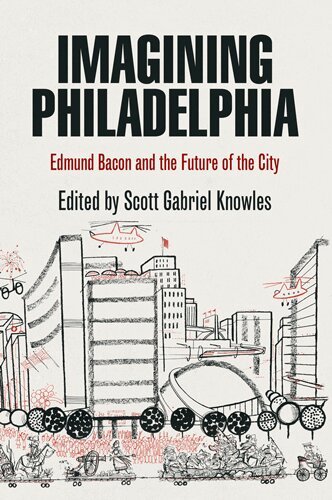
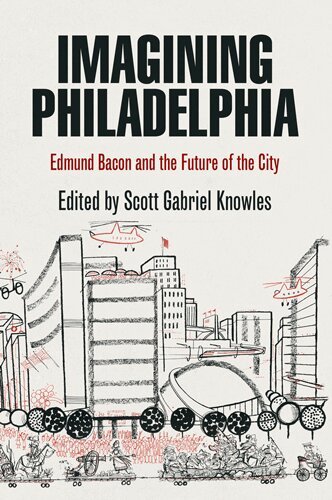
When Philadelphia's iconoclastic city planner Edmund N. Bacon looked into his crystal ball in 1959, he saw a remarkable vision: "Philadelphia as an unmatched expression of the vitality of American technology and culture." In that year Bacon penned an essay for Greater Philadelphia Magazine, originally entitled "Philadelphia in the Year 2009," in which he imagined a city remade, modernized in time to host the 1976 Philadelphia World's Fair and Bicentennial celebration, an event that would be a catalyst for a golden age of urban renewal.What Bacon did not predict was the long, bitter period of economic decline, population dispersal, and racial confrontation that Philadelphia was about to enter. As such, his essay comes to us as a time capsule, a message from one of the city's most influential and controversial shapers that prompts discussions of what was, what might have been, and what could yet be in the city's future.Imagining Philadelphia brings together Bacon's original essay, reprinted here for the first time in fifty years, and a set of original essays on the past, present, and future of urban planning in Philadelphia. In addition to examining Bacon and his motivations for writing the piece, the essays assess the wider context of Philadelphia's planning, architecture, and real estate communities at the time, how city officials were reacting to economic decline, what national precedents shaped Bacon's faith in grand forms of urban renewal, and whether or not it is desirable or even possible to adopt similarly ambitious visions for contemporary urban planning and economic development. The volume closes with a vision of what Philadelphia might look like fifty years from now.
367 kr
Skickas inom 10-15 vardagar
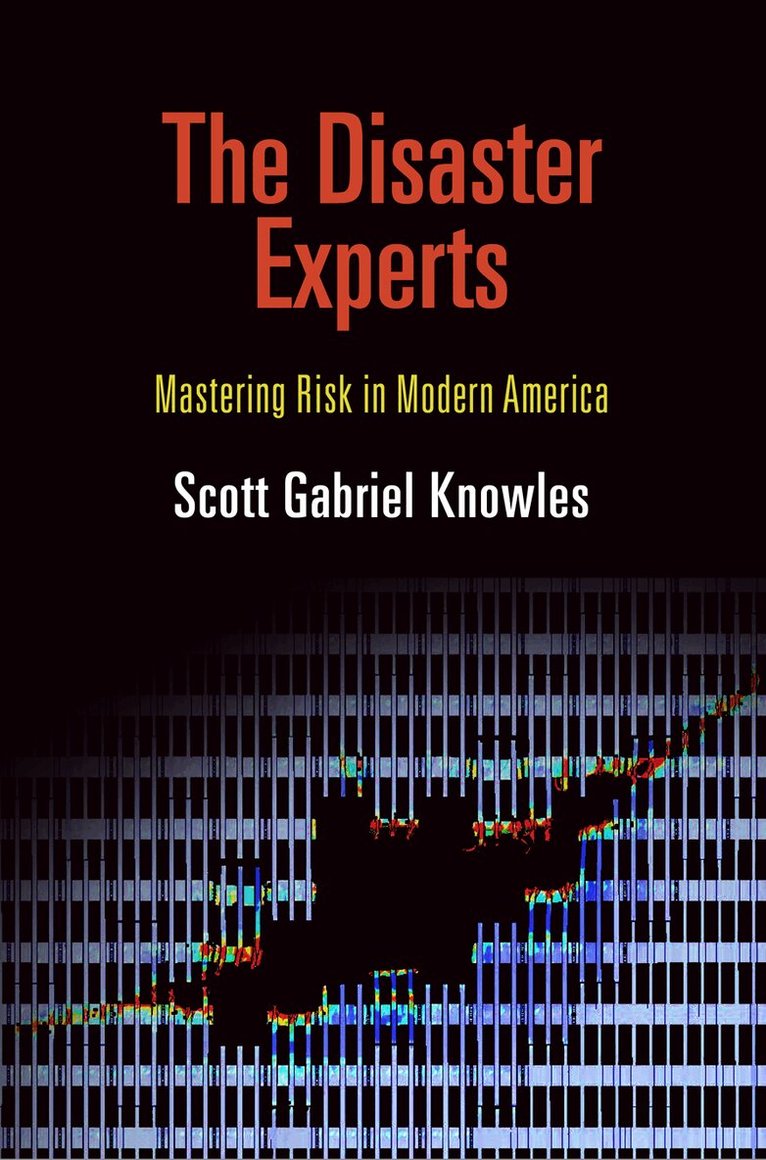
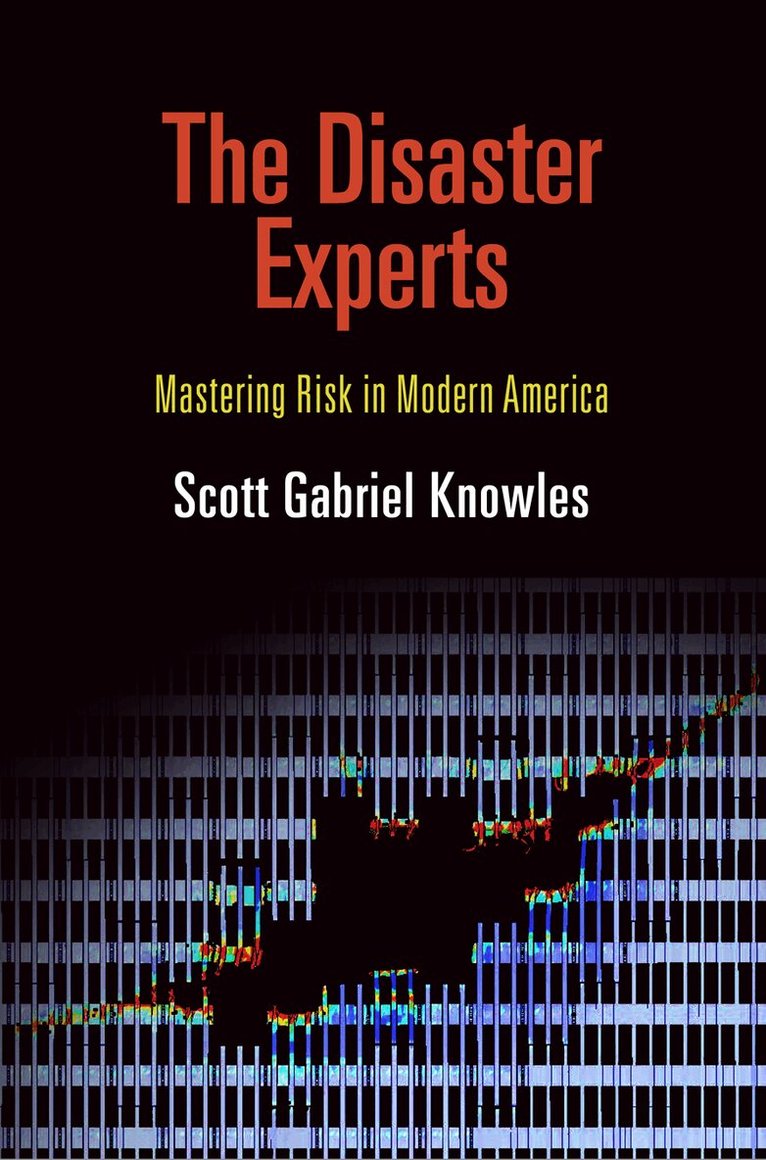
In the wake of 9/11 and Hurricane Katrina, many are asking what, if anything, can be done to prevent large-scale disasters. How is it that we know more about the hazards of modern American life than ever before, yet the nation faces ever-increasing losses from such events? History shows that disasters are not simply random acts. Where is the logic in creating an elaborate set of fire codes for buildings, and then allowing structures like the Twin Towers-tall, impressive, and risky-to go up as design experiments? Why prepare for terrorist attacks above all else when floods, fires, and earthquakes pose far more consistent threats to American life and prosperity?The Disaster Experts takes on these questions, offering historical context for understanding who the experts are that influence these decisions, how they became powerful, and why they are only slightly closer today than a decade ago to protecting the public from disasters. Tracing the intertwined development of disaster expertise, public policy, and urbanization over the past century, historian Scott Gabriel Knowles tells the fascinating story of how this diverse collection of professionals-insurance inspectors, engineers, scientists, journalists, public officials, civil defense planners, and emergency managers-emerged as the authorities on risk and disaster and, in the process, shaped modern America.
541 kr
Skickas inom 10-15 vardagar
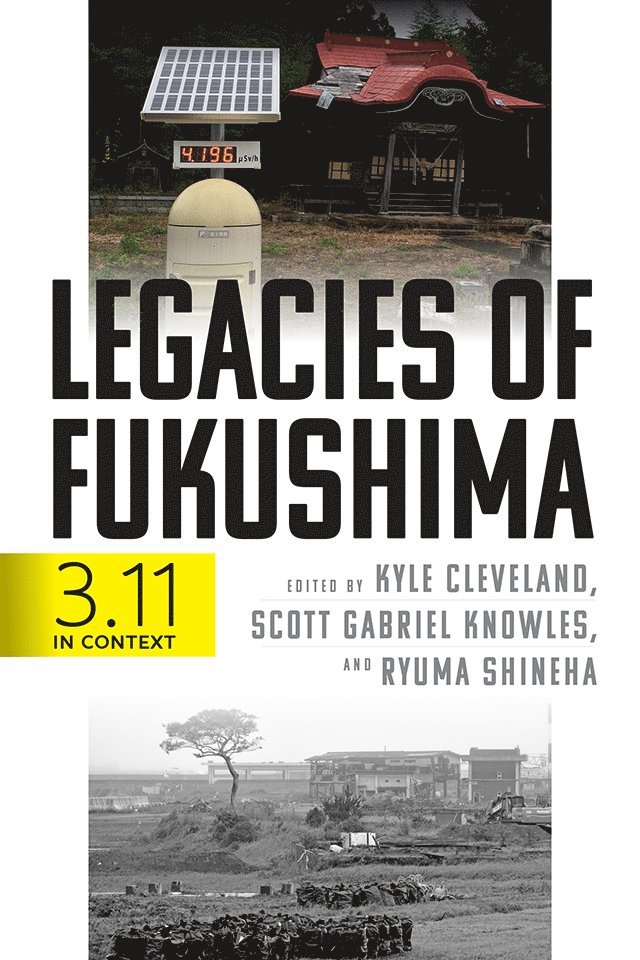
It was an unlikely convergence of events. A 9.0 magnitude earthquake, the largest in Japanese memory and the fourth largest recorded in world history; a tsunami that peaked at forty meters, devastating the seaboard of northeastern Japan; three reactors in meltdown at the Daiichi nuclear power plant in Fukushima; experts in disarray and suffering victims young and old. It was, as well, an unlikely convergence of legacies. Submerged traumas resurfaced and communities long accustomed to living quietly with hazards suddenly were heard. New legacies of disaster were handed down, unfolding slowly for generations to come.The defining disaster of contemporary Japanese history still goes by many different names: The Great East Japan Earthquake; the 2011 Tōhoku Earthquake and Tsunami; the Fukushima Daiichi Nuclear Disaster; the 3.11 Triple Disaster. Each name represents a struggle to place the disaster on a map and fix a date to a timeline. But within each of these names hides a combination of disasters and legacies that converged on March 11, 2011, before veering away in all directions: to the past, to the future, across a nation, and around the world. Which pathways from the past will continue, which pathways ended with 3.11, and how are these legacies entangled?Legacies of Fukushima places these questions front and center. The authors collected here contextualize 3.11 as a disaster with a long period of premonition and an uncertain future. The volume employs a critical disaster studies approach, and the authors are drawn from the realms of journalism and academia, science policy and citizen science, activism and governance-and they come from East Asia, America, and Europe. 3.11 is a Japanese legacy with global impact, and the authors and their methods reflect this diversity of experience.Contributors: Sean Bonner, Azby Brown, Kyle Cleveland, Martin Fackler, Robert Jacobs, Paul Jobin, Kohta Juraku, Tatsuhiro Kamisato, Jeff Kingston, William J. Kinsella, Scott Gabriel Knowles, Robert Jay Lifton, Luis Felipe R. Murillo, Başak SaraÇ-Lesavre, Sonja D. Schmid, Ryuma Shineha, James Simms, Tatsujiro Suzuki, Ekou Yagi.
2 325 kr
Kommande
This book traces the historical development of key sites of knowledge creation in science and technology and the robust traditions of scholarship around their origins, exploring commonalities, divergences, and transnational features of knowledge-making cultures from the 18th century to the present.The “space of inquiry” is a meeting of knowledge, labor, and public policy that explodes beyond the confines of lab, campus, and corporation. It is a distinct site connected, formally or informally, to pursuing, teaching, or sharing knowledge – practices which have taken many different shapes across time and around the globe. The space of inquiry ranges from microchips on one scientist’s computer to the factory that builds and sells those microchips around the world. In the Internet age, the spatial aspect of inquiry approaches immateriality, yet knowledge is still produced by people, in communities, in specific places. Through vivid case studies of place-making from East Asia to Europe to North America, this volume documents the historical processes of modernization via scientific and technological intensification in new spaces for knowledge production.Scholars of science, technology, and institutional practices will find this book essential, and its Open Access chapters are accessible for use in a variety of undergraduate and graduate classrooms.
733 kr
Kommande
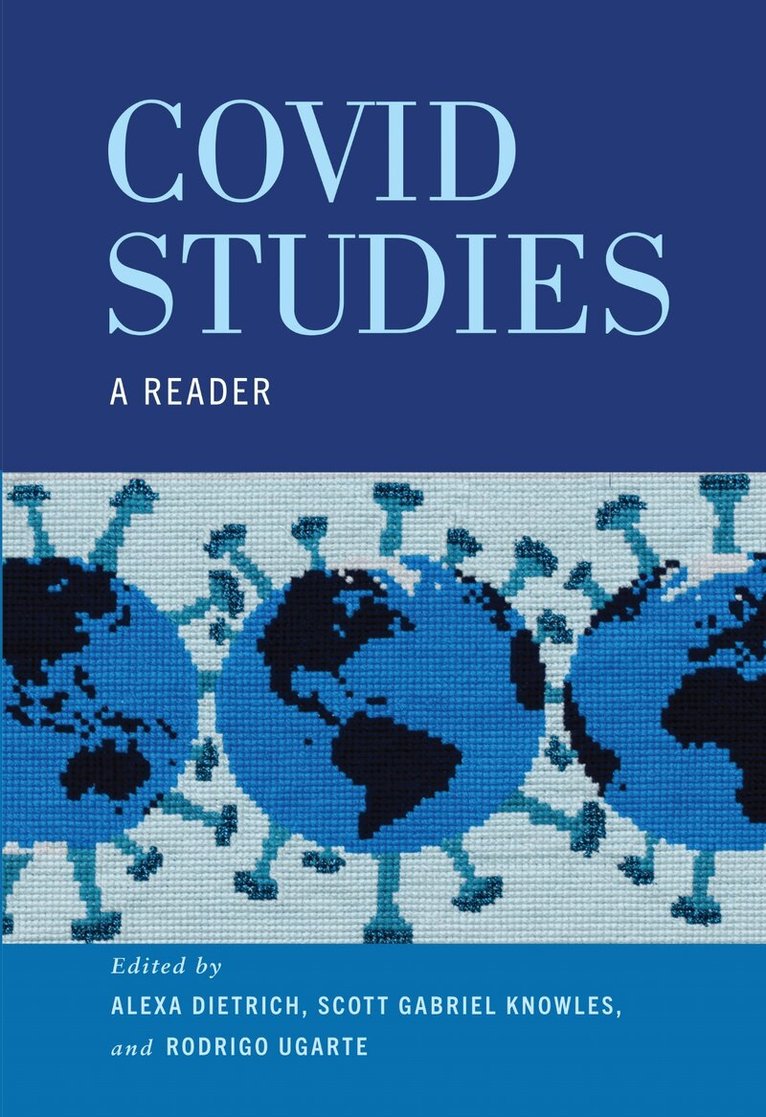
A "state of the field" collection of essays that presents the latest research on the pandemic from a range of disciplinesCOVID Studies is a "state of the field" collection of essays that presents the latest research on the pandemic from a range of disciplines, including sociology, anthropology, public policy, political science, history, and science and technology studies. Though varied in their methodologies, whether ethnography, data analysis, or archival research, the contributors together view COVID not as an isolated event with a discrete beginning and end, but rather as an ongoing crisis that resulted from and has shaped underlying social and political conditions.As the essays demonstrate, COVID is a nested disaster: a deadly and debilitating virus woven through traumatically inadequate health systems in the United States and around the world. COVID is also a compound disaster, entangled with climatic disasters of land, air, and sea, and grinding against the tragedies of migration, war, and political dysfunction. Taking COVID and its lessons out of the museum of past disasters, where powerful people and institutions want it to remain, this volume puts it right back into the middle of our lives, where it belongs for now, and surely for a very long time to come.Although no longer formally acknowledged as a pandemic by global health officials, COVID nevertheless is a continuing disaster due to its toll on life, health, economy, safety, and justice. Examining the pandemic as a process that was shaped by longer histories of what came before it and that continues to make new realities in the present, the contributors suggest that we are still researching and writing from inside the disaster.Contributors: Joie Acosta, George Aumoithe, Anirban Kapil Baishya, Tanya Buhler Corbin, Jih-Fei Cheng, Moon Choi, Vivian Choi, Nishaant Choksi, Aaron Clark-Ginsberg, Sukanya Deogam, Alexa S. Dietrich, Kim Fortun, Alice Fothergill, Danya Glabau, Monica H. Green, Dolly Jørgensen, Dani Joslyn, Christine Keeves, Hyunah Keum, Scott Gabriel Knowles, Christos Lynteris, Tyesha Maddox, Rachel Margolis, Katherine A. Mason, Luke J. Matthews, Darshana Sreedhar Mini, Samantha Montano, Courtney Page-Tan, Hyeonbin Park, Lori Peek, Elisa Perego, Kalpesh Rathwa, Rashawn Ray, Monica Sanders, Amanda Savitt, Sarah Senk, Robert Soden, Jacob Steere-Williams, Cécile Stephanie Stehrenberger, Kathleen Tierney, Rodrigo Ugarte, Kristin Urquiza, Ashton M. Verdery, Carlos Villegas, Haowei Wang, Jacqueline Wernimont, Sarah S. Willen, Heather M. Wurtz, Myungji Yang, Carl A. Zimring.