Alexander Libman – författare
1 300 kr
Läs direkt efter köp
1 371 kr
Läs direkt efter köp
1 243 kr
Skickas inom 5-8 vardagar
562 kr
Skickas inom 10-15 vardagar
706 kr
Läs direkt efter köp
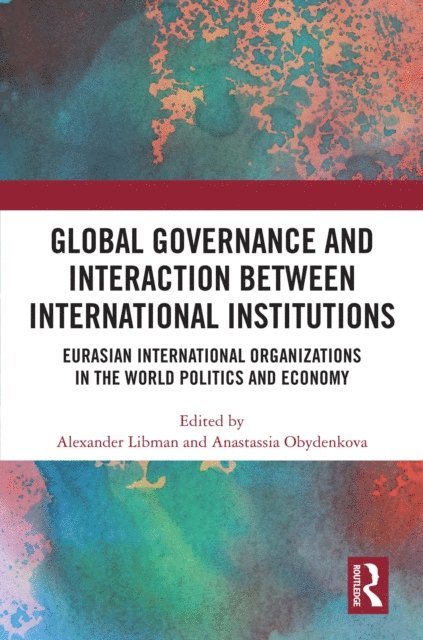
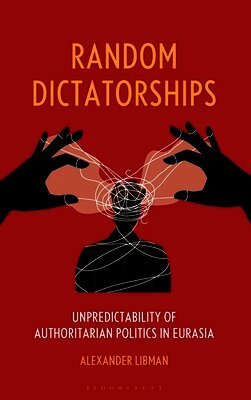
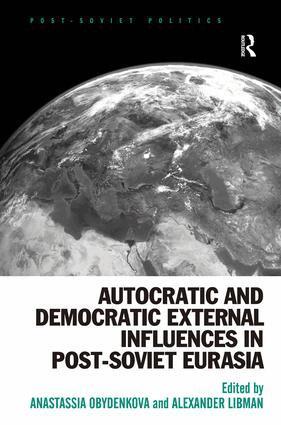
This book builds on theory of authoritarian regionalism and is the first attempt to analyse the interaction of authoritarian regional organizations in Eurasia with their global and regional counterparts (NATO, EU, WTO, IMF etc.). It analyses three decades of the development of post-Soviet regional organizations prior to the tectonic geopolitical and security changes of 2022.
Eurasian regional organizations created by Russia have been frequently perceived as attempts to establish ‘alternatives’ to the global governance institutions and to compete with other regional organizations like, for example, the European Union (EU). They are seen as a pronounced example of ‘authoritarian regionalism’, i.e., regional organizations established by non-democracies. The way they interact with global and regional institutions has, however, remained understudied. This book aims to close this gap. It places Eurasia within a global context and considers similar trends world-wide as well as outlines the agenda for future studies of global versus regional governance. The book sheds light on long-term strategies of Russia in Eurasia, in global economy and in world politics, and on the interaction between Russia and other post-Soviet states.
With an extended introduction and conclusion, this book is an insightful resource for scholars; advanced students; and researchers of politics, international relations, and Eurasian area-studies. The chapters in this book were originally published as a special issue of Post-Communist Economies.
682 kr
Läs direkt efter köp
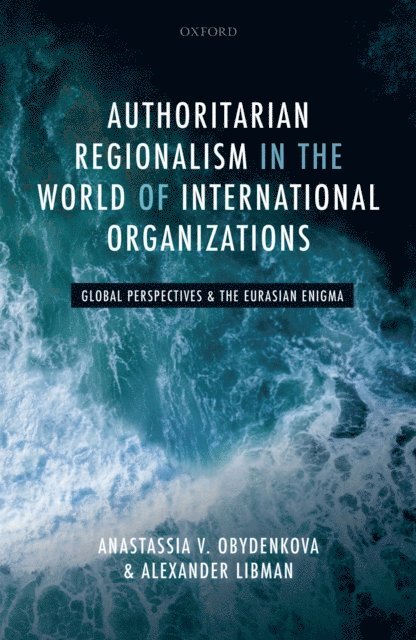
This book builds on theory of authoritarian regionalism and is the first attempt to analyse the interaction of authoritarian regional organizations in Eurasia with their global and regional counterparts (NATO, EU, WTO, IMF etc.). It analyses three decades of the development of post-Soviet regional organizations prior to the tectonic geopolitical and security changes of 2022.
Eurasian regional organizations created by Russia have been frequently perceived as attempts to establish ‘alternatives’ to the global governance institutions and to compete with other regional organizations like, for example, the European Union (EU). They are seen as a pronounced example of ‘authoritarian regionalism’, i.e., regional organizations established by non-democracies. The way they interact with global and regional institutions has, however, remained understudied. This book aims to close this gap. It places Eurasia within a global context and considers similar trends world-wide as well as outlines the agenda for future studies of global versus regional governance. The book sheds light on long-term strategies of Russia in Eurasia, in global economy and in world politics, and on the interaction between Russia and other post-Soviet states.
With an extended introduction and conclusion, this book is an insightful resource for scholars; advanced students; and researchers of politics, international relations, and Eurasian area-studies. The chapters in this book were originally published as a special issue of Post-Communist Economies.
2 438 kr
Skickas inom 10-15 vardagar
629 kr
Skickas inom 10-15 vardagar
458 kr
Skickas
1 164 kr
Skickas inom 7-10 vardagar
633 kr
Läs direkt efter köp
633 kr
Läs direkt efter köp
687 kr
Läs direkt efter köp
516 kr
Skickas inom 10-15 vardagar
1 420 kr
Skickas inom 10-15 vardagar
774 kr
Läs direkt efter köp
774 kr
Läs direkt efter köp
572 kr
Läs direkt efter köp
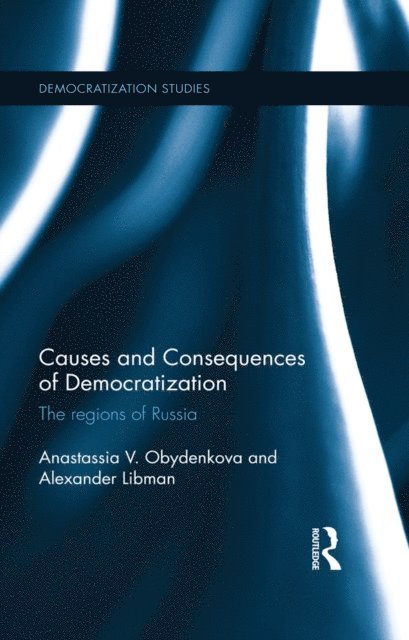
In recent decades, the regions of Russia have taken different paths of regime transition. Despite the consolidation of an autocratic regime at national level and the centralization steered by Vladimir Putin’s government, the variation across sub-national regimes persists.
Using an innovative theoretical framework, this book explores both causes and consequences of democratization in the regions of Russia. It is the first study in the field to systematically integrate structural and agency approaches in order to account for economic, social, historical and international causes of democratization and to trace its consequences. By focusing on the challenging and under-studied topic of sub-national regimes, the book provides a unique perspective on regime transition and the new theoretical framework contributes to a better understanding of democratization world-wide.
The book will be of key interest to scholars and students of democratization, sub-national regimes, East European politics, comparative politics, post-communism, and international relations.
572 kr
Läs direkt efter köp
In recent decades, the regions of Russia have taken different paths of regime transition. Despite the consolidation of an autocratic regime at national level and the centralization steered by Vladimir Putin’s government, the variation across sub-national regimes persists.
Using an innovative theoretical framework, this book explores both causes and consequences of democratization in the regions of Russia. It is the first study in the field to systematically integrate structural and agency approaches in order to account for economic, social, historical and international causes of democratization and to trace its consequences. By focusing on the challenging and under-studied topic of sub-national regimes, the book provides a unique perspective on regime transition and the new theoretical framework contributes to a better understanding of democratization world-wide.
The book will be of key interest to scholars and students of democratization, sub-national regimes, East European politics, comparative politics, post-communism, and international relations.
546 kr
Skickas inom 10-15 vardagar
2 198 kr
Skickas inom 10-15 vardagar
1 120 kr
Skickas inom 10-15 vardagar
1 712 kr
Skickas inom 5-8 vardagar
430 kr
Läs direkt efter köp
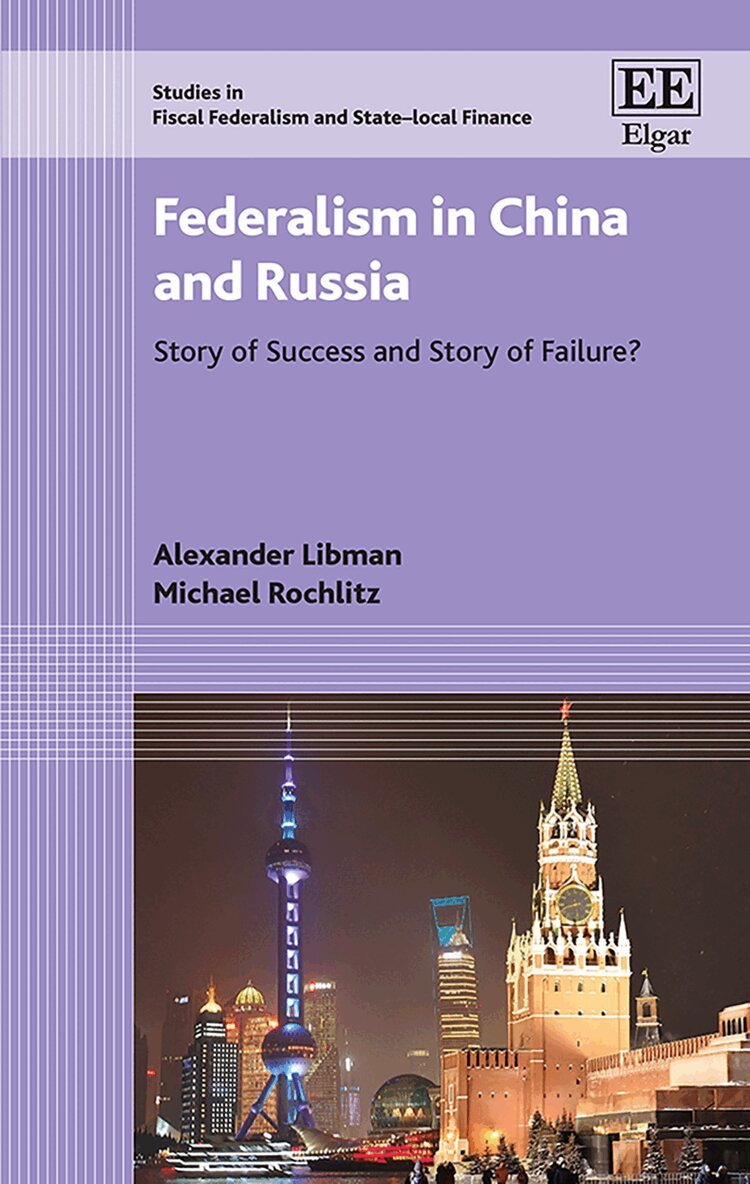
The authors offer a comparative analysis of the development of center-region relations in Russia and in China and explore several dimensions of these relations: fiscal ties and incentives; bureaucratic practices; flows of information; and local government practices, while addressing the determinants of divergence between both countries. They also examine how the Chinese system has recently started to change, by adopting several features of the Russian model, which might be one of the reasons for China''s declining growth performance in recent years.
Federalism in China and Russia should be read by scholars in public economics, political economy and comparative politics, as well as by students and policy analysts. For scholars, the book serves as a point of reference in studying the comparative evolution of the two countries. It will enrich the discussion on fiscal federalism, center-region relations and sub-national political regimes, and could potentially become an important part of syllabi in political economy, public economics and comparative politics courses. For policy analysts, the book offers a comprehensive survey of the evolution of center-periphery relations of the two countries and the differences between them, which is important to better understand the overall development of Russia and China.
3 163 kr
Skickas inom 5-8 vardagar
825 kr
Läs direkt efter köp
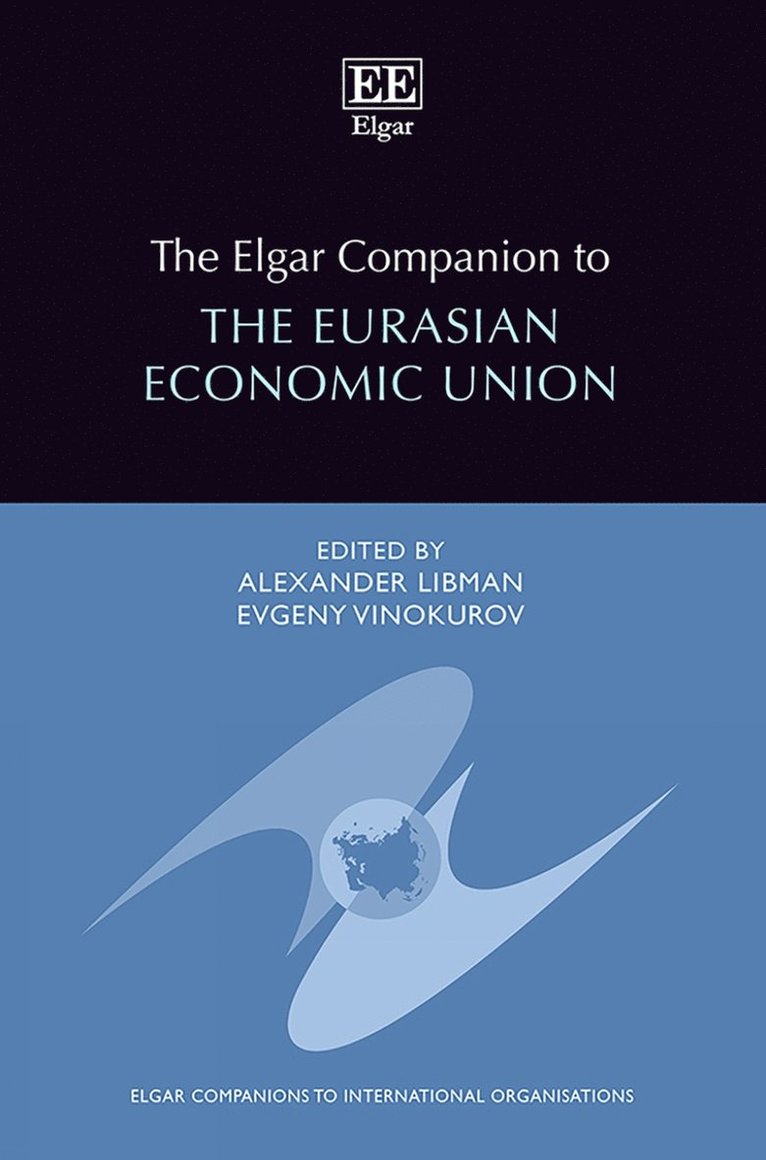
Bringing together an international collective of established academic experts on the EAEU and Eurasian regionalism, the editors showcase a diverse range of perspectives and backgrounds on the EAEU to reflect its complex reality. The Companion reviews the available evidence on the EAEU, examining its evolution, governance, policies, and outlook as well as delving into key theoretical and policy debates on this particularly contested regional organization. Taking stock of the tectonic changes occurring in the post-Soviet Eurasia, it highlights potential gaps in the collective knowledge and discusses possible scenarios for the future of the EAEU.
Exploring the EAEU’s impact on trade, migration, and foreign direct investment in the post-Soviet Eurasia, this astute Companion will prove indispensable to academics and researchers in the fields of political science and economics, particularly those with an interest in Russian and Eurasian studies and comparative regionalism. Its analysis of the challenges the EAEU is currently facing will also benefit think tank analysts with a focus on Russia, China, Central Asia and Eurasia in general.
1 211 kr
Läs direkt efter köp
1 299 kr
Skickas inom 10-15 vardagar
1 733 kr
Läs direkt efter köp
1 299 kr
Skickas inom 10-15 vardagar