1 296 kr
Läs direkt efter köp
1 296 kr
Läs direkt efter köp
1 367 kr
Läs direkt efter köp
1 965 kr
Skickas inom 3-6 vardagar
520 kr
Skickas inom 10-15 vardagar
1 161 kr
Skickas inom 10-15 vardagar
632 kr
Läs direkt efter köp
632 kr
Läs direkt efter köp
541 kr
Skickas inom 10-15 vardagar
1 467 kr
Skickas inom 10-15 vardagar
639 kr
Läs direkt efter köp
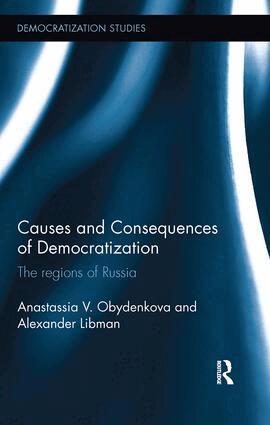
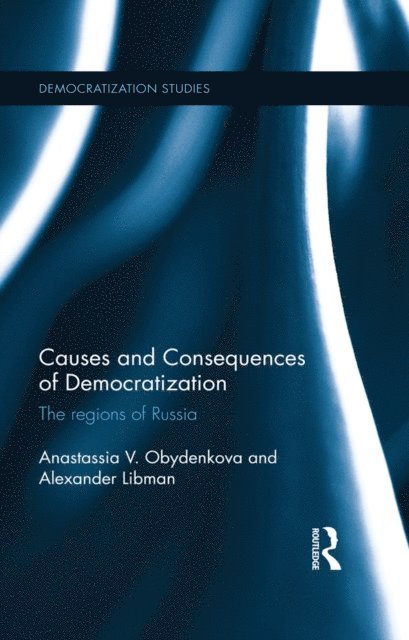
In recent decades, the regions of Russia have taken different paths of regime transition. Despite the consolidation of an autocratic regime at national level and the centralization steered by Vladimir Putin’s government, the variation across sub-national regimes persists.
Using an innovative theoretical framework, this book explores both causes and consequences of democratization in the regions of Russia. It is the first study in the field to systematically integrate structural and agency approaches in order to account for economic, social, historical and international causes of democratization and to trace its consequences. By focusing on the challenging and under-studied topic of sub-national regimes, the book provides a unique perspective on regime transition and the new theoretical framework contributes to a better understanding of democratization world-wide.
The book will be of key interest to scholars and students of democratization, sub-national regimes, East European politics, comparative politics, post-communism, and international relations.
637 kr
Läs direkt efter köp
In recent decades, the regions of Russia have taken different paths of regime transition. Despite the consolidation of an autocratic regime at national level and the centralization steered by Vladimir Putin’s government, the variation across sub-national regimes persists.
Using an innovative theoretical framework, this book explores both causes and consequences of democratization in the regions of Russia. It is the first study in the field to systematically integrate structural and agency approaches in order to account for economic, social, historical and international causes of democratization and to trace its consequences. By focusing on the challenging and under-studied topic of sub-national regimes, the book provides a unique perspective on regime transition and the new theoretical framework contributes to a better understanding of democratization world-wide.
The book will be of key interest to scholars and students of democratization, sub-national regimes, East European politics, comparative politics, post-communism, and international relations.