
Alexander X. Byrd - Böcker
Visar alla böcker från författaren Alexander X. Byrd. Handla med fri frakt och snabb leverans.
2 produkter
2 produkter
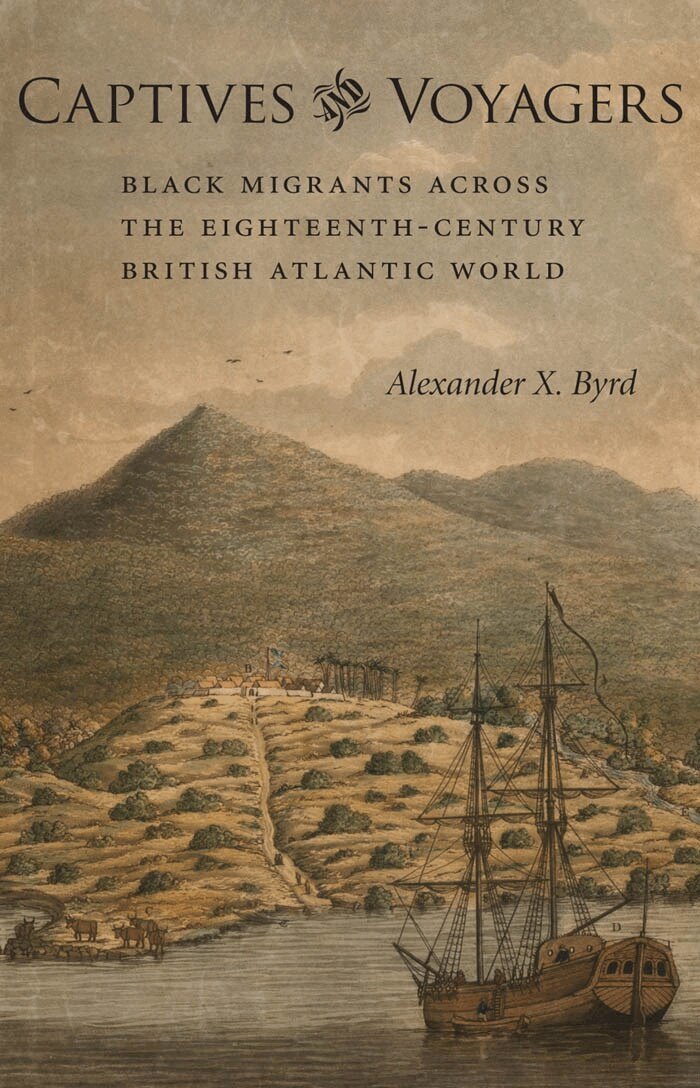
Captives and Voyagers
Black Migrants Across the Eighteenth-Century British Atlantic World
Häftad, Engelska, 2010
377 kr
Skickas inom 10-15 vardagar
Captives and Voyagers traces the departures, voyages, and landings of enslaved and free blacks who left their homelands in the eighteenth century for British colonies and examines how displacement and resettlement shaped migrant society and, in turn, Britain's Atlantic empire. Alexander X. Byrd focuses on the two largest and most significant streams of black dislocation: the forced migration of Africans from the Biafran interior of present-day southeastern Nigeria to Jamaica as part of the British slave trade and the journeys of free blacks from Great Britain and British North America to Sierra Leone in West Africa. By paying particular attention to the social and cultural effects of transatlantic migration on the groups themselves and focusing as well on their place in the British Empire, Byrd illuminates the meaning and experience of slavery and liberty for people whose movements were similarly beset by extreme violence and catastrophe.
432 kr
Skickas inom 3-6 vardagar
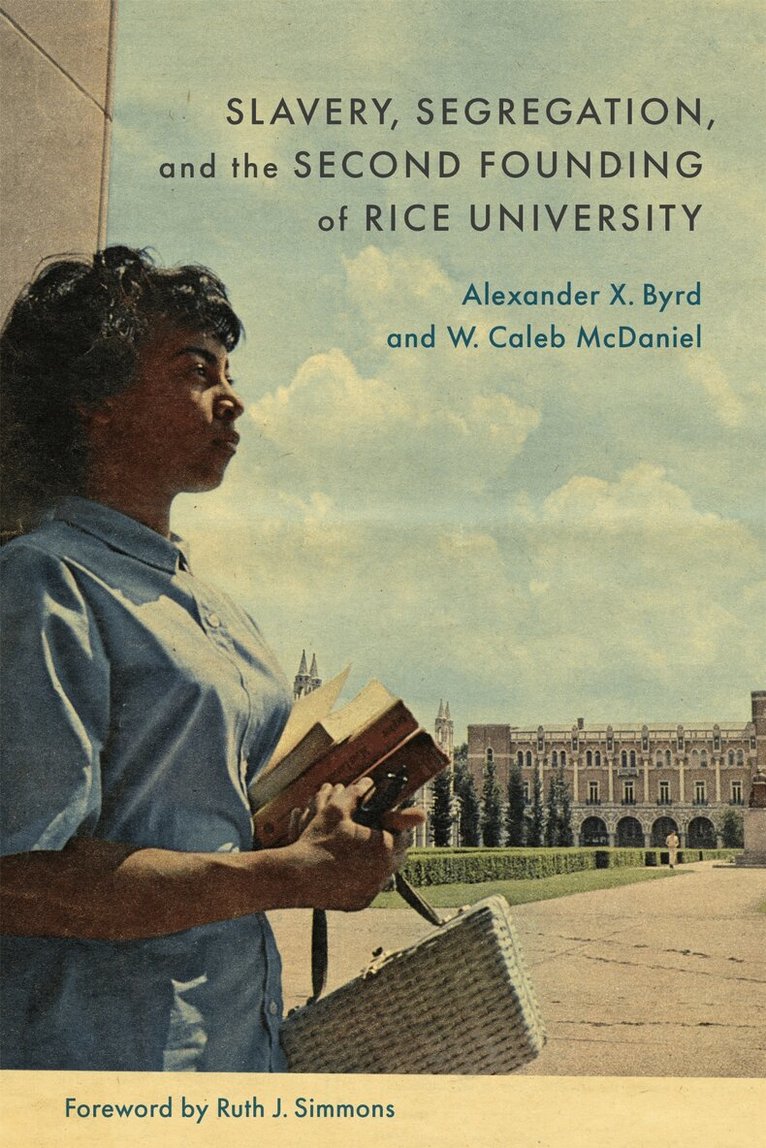
During the first quarter of the twenty-first century, more than one hundred institutions of higher education in the United States launched projects to study and share their histories concerning slavery, segregation, and racial injustice. Slavery, Segregation, and the Second Founding of Rice University joins these wider efforts. Authored by award-winning historians Alexander X. Byrd and W. Caleb McDaniel, the book engages questions specific to Rice's history as the last major private research university in the country to begin desegregation. Although Rice did not open its doors for classes until 1912, it was connected to the history of slavery through the life of its first founder and namesake, William Marsh Rice, whose fortune was deeply intertwined with the enslavement of Black people. Byrd and McDaniel place the history of one of the nation's most renowned universities within a longer and larger context, showing that desegregation required changes to Rice so fundamental that they amounted to a "second founding" of the school. Following the story from slavery through segregation to the second founding, they highlight pivotal points of intersection between the history of Black Houston and the history of Rice University, revealing the seldom acknowledged roles of Black students, Black communities, and HBCUs in creating change at and around Rice. Their study challenges readers to consider anew who counts as a university's founder—a question relevant to ongoing discussions about statues, naming, and the history of higher education. They also reveal what higher education institutions do at their best: create new knowledge and forge solutions to trenchant social problems, thus providing guidance for those committed to doing the valuable work of the "second founding" at colleges and universities today.