W. Caleb McDaniel - Böcker
Visar alla böcker från författaren W. Caleb McDaniel. Handla med fri frakt och snabb leverans.
6 produkter
6 produkter
276 kr
Skickas
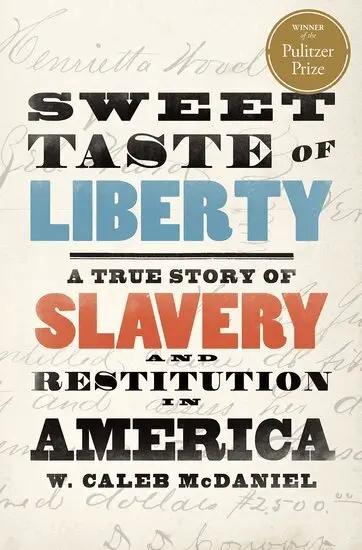
The unforgettable saga of one enslaved woman's fight for justice--and reparations Born into slavery, Henrietta Wood was taken to Cincinnati and legally freed in 1848. In 1853, a Kentucky deputy sheriff named Zebulon Ward colluded with Wood's employer, abducted her, and sold her back into bondage. She remained enslaved throughout the Civil War, giving birth to a son in Mississippi and never forgetting who had put her in this position. By 1869, Wood had obtained her freedom for a second time and returned to Cincinnati, where she sued Ward for damages in 1870. Astonishingly, after eight years of litigation, Wood won her case: in 1878, a Federal jury awarded her $2,500. The decision stuck on appeal. More important than the amount, though the largest ever awarded by an American court in restitution for slavery, was the fact that any money was awarded at all. By the time the case was decided, Ward had become a wealthy businessman and a pioneer of convict leasing in the South. Wood's son later became a prominent Chicago lawyer, and she went on to live until 1912. McDaniel's book is an epic tale of a black woman who survived slavery twice and who achieved more than merely a moral victory over one of her oppressors. Above all,Sweet Taste of Libertyis a portrait of an extraordinary individual as well as a searing reminder of the lessons of her story, which establish beyond question the connections between slavery and the prison system that rose in its place.
178 kr
Skickas
Winner of the Pulitzer Prize for HistoryThe unforgettable saga of one enslaved woman's fight for justice--and reparations Born into slavery, Henrietta Wood was taken to Cincinnati and legally freed in 1848. In 1853, a Kentucky deputy sheriff named Zebulon Ward colluded with Wood's employer, abducted her, and sold her back into bondage. She remained enslaved throughout the Civil War, giving birth to a son in Mississippi and never forgetting who had put her in this position. By 1869, Wood had obtained her freedom for a second time and returned to Cincinnati, where she sued Ward for damages in 1870. Astonishingly, after eight years of litigation, Wood won her case: in 1878, a Federal jury awarded her $2,500. The decision stuck on appeal. More important than the amount, though the largest ever awarded by an American court in restitution for slavery, was the fact that any money was awarded at all. By the time the case was decided, Ward had become a wealthy businessman and a pioneer of convict leasing in the South. Wood's son later became a prominent Chicago lawyer, and she went on to live until 1912. McDaniel's book is an epic tale of a black woman who survived slavery twice and who achieved more than merely a moral victory over one of her oppressors. Above all, Sweet Taste of Liberty is a portrait of an extraordinary individual as well as a searing reminder of the lessons of her story, which establish beyond question the connections between slavery and the prison system that rose in its place.
Problem of Democracy in the Age of Slavery
Garrisonian Abolitionists and Transatlantic Reform
Inbunden, Engelska, 2013
547 kr
Skickas inom 7-10 vardagar
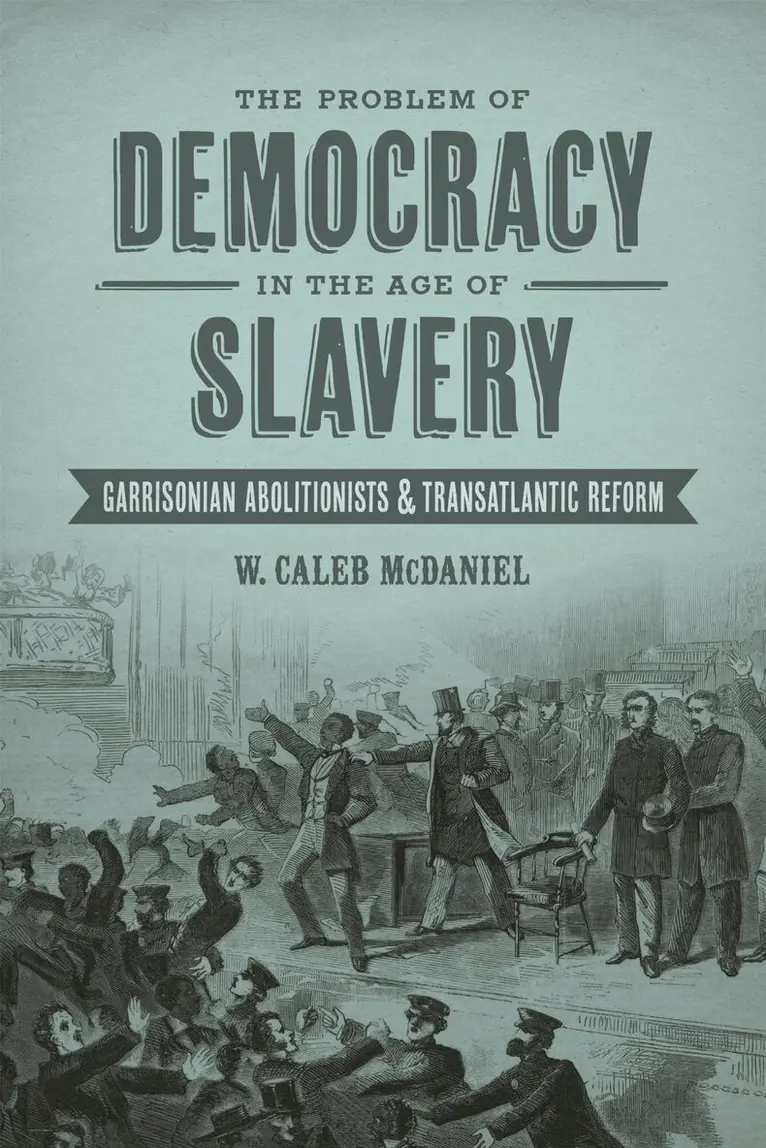
Winner of the Merle Curti Award Winner of the SHEAR James Broussard First Book PrizeIn The Problem of Democracy in the Age of Slavery, W. Caleb McDaniel sets forth a new interpretation of the Garrisonian abolitionists, stressing their deep ties to reformers and liberal thinkers in Great Britain and Europe. The group of American reformers known as ""Garrisonians"" included, at various times, some of the most significant and familiar figures in the history of the antebellum struggle over slavery: Wendell Phillips, Frederick Douglass, and William Lloyd Garrison himself. Between 1830 and 1870, American abolitionists led by Garrison developed extensive networks of friendship, correspondence, and intellectual exchange with a wide range of European reformers, Chartists, free trade advocates, Irish nationalists, and European revolutionaries. Garrison signalled the importance of these ties to his movement with the well-known cosmopolitan motto he printed on every issue of his famous newspaper, The Liberator: ""Our Country is the World, Our Countrymen are All Mankind."" That motto serves as an impetus for McDaniel's study, which shows that Garrison and his movement must be placed squarely within the context of transatlantic mid-nineteenth-century reform. Through exposure to contemporary European thinkers, such as Alexis de Tocqueville, Giuseppe Mazzini, and John Stuart Mill, Garrisonian abolitionists came to understand their own movement not only as an effort to mold public opinion about slavery but also as a measure to defend democracy in an Atlantic World still dominated by aristocracy and monarchy. While convinced that democracy offered the best form of government, Garrisonians recognised that the persistence of slavery in the United States revealed problems with the political system. They identified the participation of minority agitators as part of the process in a healthy democratic society.Ultimately, Garrisonians' transatlantic activities reveal their deep patriotism, their interest in using public opinion to affect American politics, and their similarities to other antislavery groups. By following Garrisonian abolitionists across the Atlantic Ocean and exhaustively documenting their international networks, McDaniel challenges many of the timeworn stereotypes that still cling to their movement. He argues for a new image of Garrison's band as politically savvy, intellectually sophisticated liberal reformers, who were well informed about transatlantic debates regarding the problem of democracy.
Problem of Democracy in the Age of Slavery
Garrisonian Abolitionists and Transatlantic Reform
Häftad, Engelska, 2015
431 kr
Skickas inom 10-15 vardagar
Winner of the Merle Curti Award Winner of the SHEAR James Broussard First Book PrizeIn The Problem of Democracy in the Age of Slavery, W. Caleb McDaniel sets forth a new interpretation of the Garrisonian abolitionists, stressing their deep ties to reformers and liberal thinkers in Great Britain and Europe. The group of American reformers known as ""Garrisonians"" included, at various times, some of the most significant and familiar figures in the history of the antebellum struggle over slavery: Wendell Phillips, Frederick Douglass, and William Lloyd Garrison himself. Between 1830 and 1870, American abolitionists led by Garrison developed extensive networks of friendship, correspondence, and intellectual exchange with a wide range of European reformers, Chartists, free trade advocates, Irish nationalists, and European revolutionaries. Garrison signaled the importance of these ties to his movement with the well-known cosmopolitan motto he printed on every issue of his famous newspaper, The Liberator: ""Our Country is the World, Our Countrymen are All Mankind."" That motto serves as an impetus for McDaniel's study, which shows that Garrison and his movement must be placed squarely within the context of transatlantic mid-nineteenth-century reform. Through exposure to contemporary European thinkers, such as Alexis de Tocqueville, Giuseppe Mazzini, and John Stuart Mill, Garrisonian abolitionists came to understand their own movement not only as an effort to mold public opinion about slavery but also as a measure to defend democracy in an Atlantic World still dominated by aristocracy and monarchy. While convinced that democracy offered the best form of government, Garrisonians recognised that the persistence of slavery in the United States revealed problems with the political system. They identified the participation of minority agitators as part of the process in a healthy democratic society.Ultimately, Garrisonians' transatlantic activities reveal their deep patriotism, their interest in using public opinion to affect American politics, and their similarities to other antislavery groups. By following Garrisonian abolitionists across the Atlantic Ocean and exhaustively documenting their international networks, McDaniel challenges many of the timeworn stereotypes that still cling to their movement. He argues for a new image of Garrison's band as politically savvy, intellectually sophisticated liberal reformers, who were well informed about transatlantic debates regarding the problem of democracy.
Antislavery in the Dissenting Atlantic
Archives and Unquiet Libraries, 1776-1865
Inbunden, Engelska, 2025
500 kr
Skickas inom 10-15 vardagar
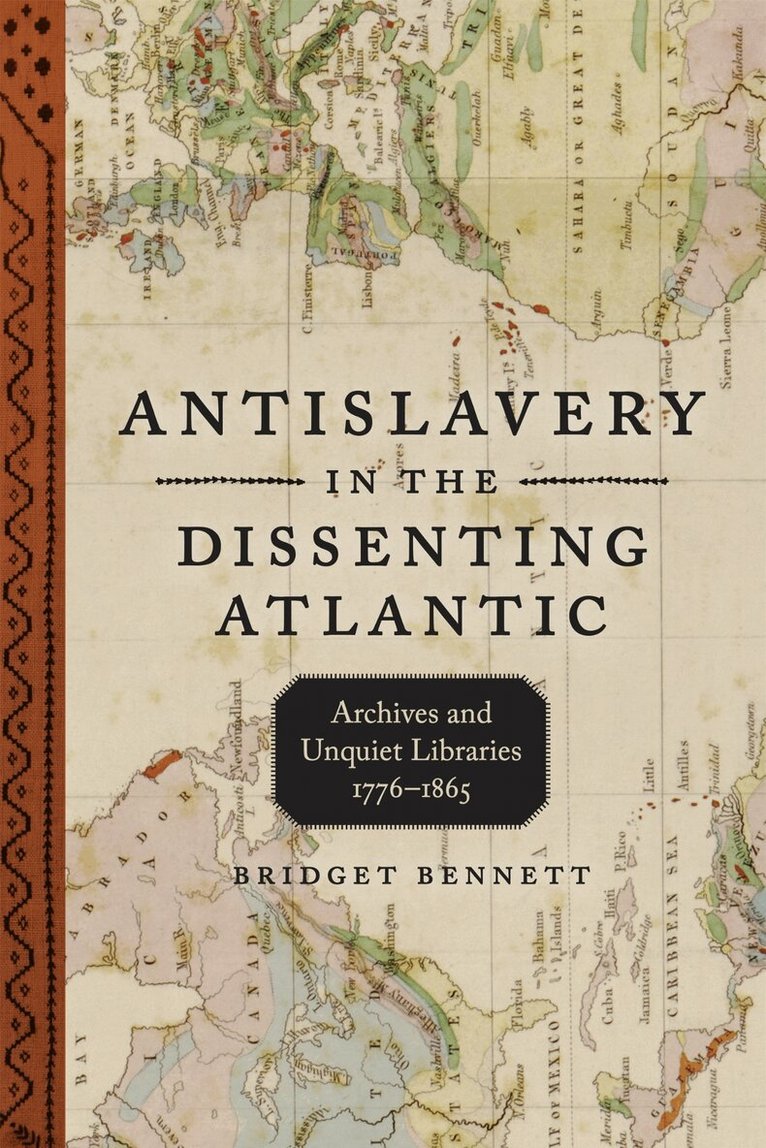
Bridget Bennett's Antislavery in the Dissenting Atlantic explores the impact of a historically situated set of transatlantic networks, chiefly centered on prominent communities of religious nonconformists in England and Pennsylvania in the decades between the American Revolution and American Civil War. The study reveals the alliances forged out of progressive religious and political commitments to dissent that enabled expansive connections across the Atlantic world. These developments emerged from local proximities and combined an optimistic devotion to social justice and education with a global vision. Bennett's work offers an original and innovative reading of transatlantic partnerships, exploring obscure writings, overlooked individuals, and the cultures of the everyday, while also affording fresh understandings of familiar antislavery texts.
432 kr
Skickas inom 3-6 vardagar
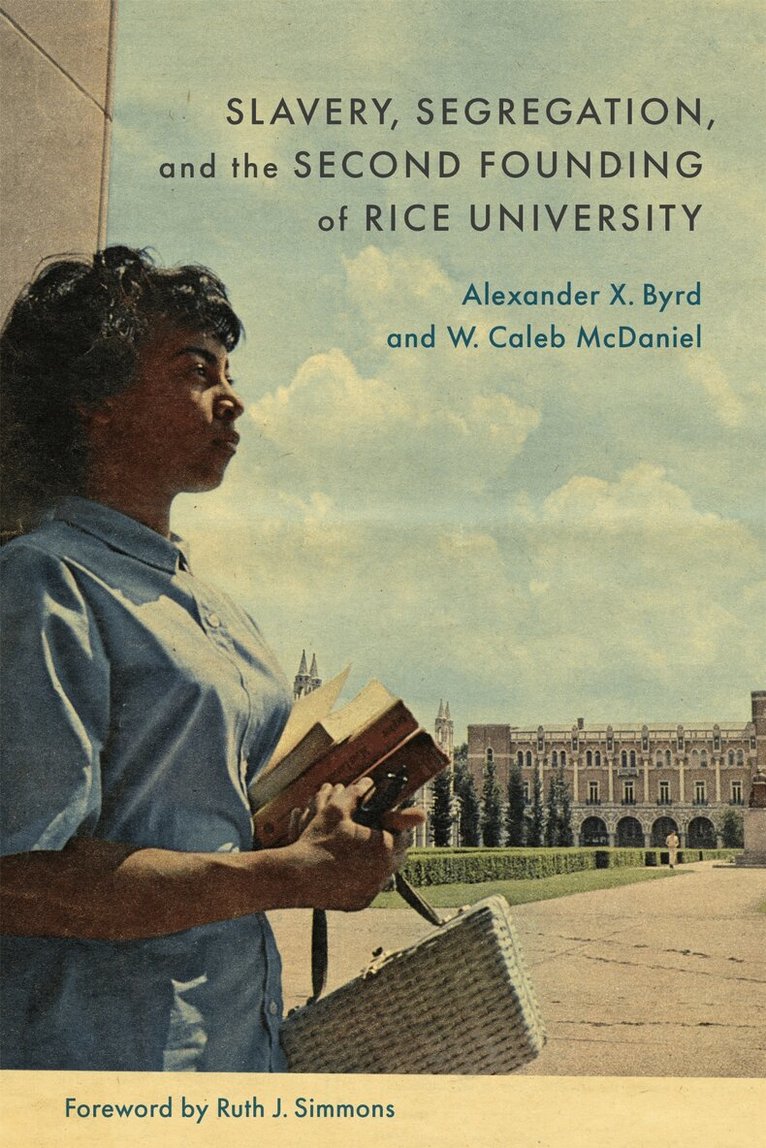
During the first quarter of the twenty-first century, more than one hundred institutions of higher education in the United States launched projects to study and share their histories concerning slavery, segregation, and racial injustice. Slavery, Segregation, and the Second Founding of Rice University joins these wider efforts. Authored by award-winning historians Alexander X. Byrd and W. Caleb McDaniel, the book engages questions specific to Rice's history as the last major private research university in the country to begin desegregation. Although Rice did not open its doors for classes until 1912, it was connected to the history of slavery through the life of its first founder and namesake, William Marsh Rice, whose fortune was deeply intertwined with the enslavement of Black people. Byrd and McDaniel place the history of one of the nation's most renowned universities within a longer and larger context, showing that desegregation required changes to Rice so fundamental that they amounted to a "second founding" of the school. Following the story from slavery through segregation to the second founding, they highlight pivotal points of intersection between the history of Black Houston and the history of Rice University, revealing the seldom acknowledged roles of Black students, Black communities, and HBCUs in creating change at and around Rice. Their study challenges readers to consider anew who counts as a university's founder—a question relevant to ongoing discussions about statues, naming, and the history of higher education. They also reveal what higher education institutions do at their best: create new knowledge and forge solutions to trenchant social problems, thus providing guidance for those committed to doing the valuable work of the "second founding" at colleges and universities today.