Algis Uzdavinys – författare
Visar alla böcker från författaren Algis Uzdavinys. Handla med fri frakt och snabb leverans.
9 produkter
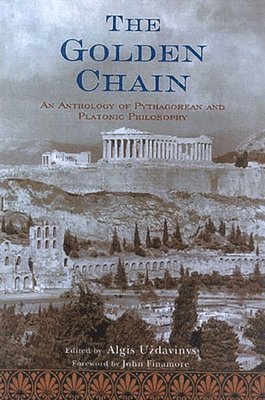
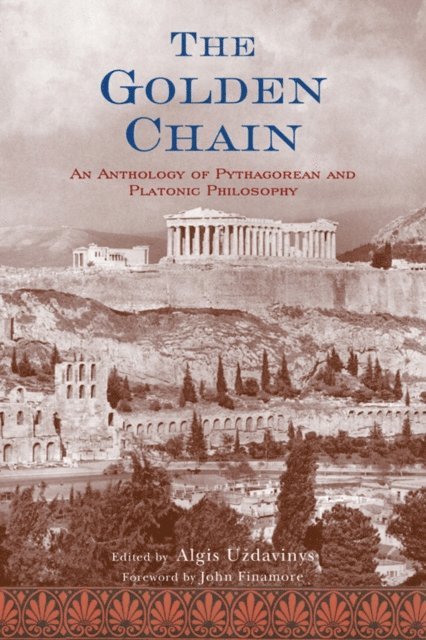
Golden Chain
An Anthology of Pythagorean and Platonic Philosophy
Häftad, 2004
208 kr
Lägg i varukorg
This anthology of Pythagorean and Platonic philosophy promotes a new and fresh view of what Hellenic philosophy is and what kind of wisdom it offers us. The book demonstrates through excerpts from the great Pythagorean and Platonic writers that to these thinkers philosophy is a way of life and a …
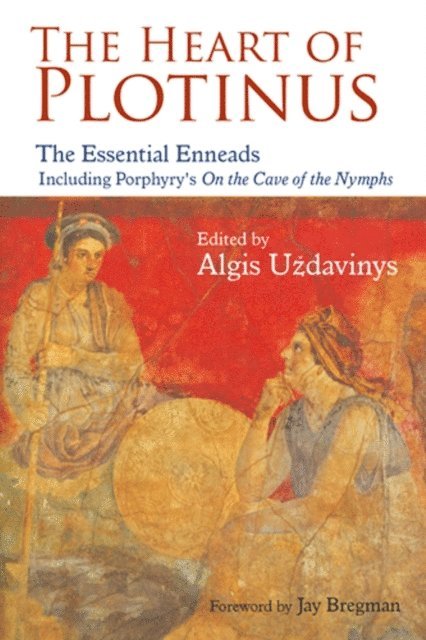
Heart of Plotinus
The Essential Enneads
Av Algis Uzdavinys, Aldis Uzdavinys
Häftad, 2009
325 kr
Lägg i varukorg
Drawing parallels with other traditions, Uzdavinys emphasizes that Plotinus' philosophy was not a purely mental or rational exercise, but a complete way of life incorporating the spiritual virtues. Plotinus is widely regarded as the founder of the school of Neo-Platonism and this book provides an …
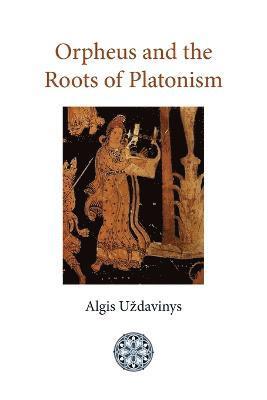
Orpheus and the Roots of Platonism
Häftad, 2011
100 kr
Lägg i varukorg
A book on the religious, mystic origins and substance of philosophy. This is a critical survey of ancient and modern sources and of scholarly works dealing with Orpheus and everything related to this major figure of ancient Greek myth, religion and philosophy. Here poetic madness meets religious …
Heart of Plotinus
The Essential Enneads
E-bok, 2009
153 kr
Lägg i varukorg
Drawing parallels with other traditions, U davinys emphasizes that Plotinus'''' philosophy was not a purely mental or rational exercise, but a complete way of life incorporating the spiritual virtues. Plotinus is widely regarded as the founder of the school of Neo-Platonism and this book provides …
Golden Chain
An Anthology of Pythagorean and Platonic Philosophy
E-bok, 2004
153 kr
Lägg i varukorg
The goal of the ancient philosophers was to understand how to live in harmony with nature and to transcend the limitations imposed by sense experience and discursive reasoning.