
Alice Wilson – författare
Visar alla böcker från författaren Alice Wilson. Handla med fri frakt och snabb leverans.
5 produkter
5 produkter
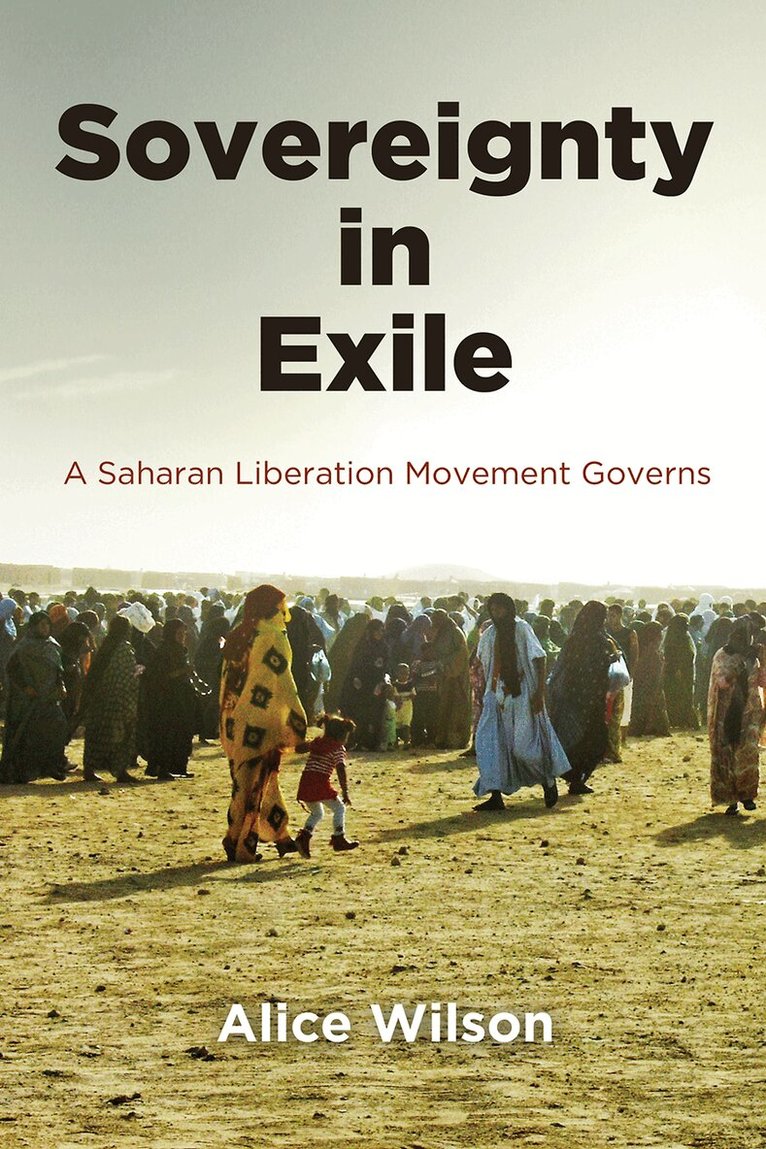
Inbunden, Engelska, 2016
841 kr
Skickas inom 10-15 vardagar
Traces social, political, and economic changes among Sahrawi refugees in North AfricaSovereignty in Exile explores sovereignty and state power through the case of a liberation movement that set out to make itself into a state. The Sahrawi Arab Democratic Republic (SADR) was founded by the Polisario Front in the wake of Spain's abandonment of its former colony, the disputed Western Sahara. Morocco laid claim to the same territory, and the conflict has locked Polisario and Morocco in a political stalemate that has lasted forty years. Complicating the situation is the fact that Polisario conducts its day-to-day operations in refugee camps near Tindouf, in Algeria, which house most of the Sahrawi exile community. SADR (a partially recognized state) and Polisario (Western Sahara's liberation movement) together form an unusual governing authority, originally premised on the dismantling of a perceived threat to national (Sahrawi) unity: tribes.Drawing on unprecedented long-term research gained by living with Sahrawi refugee families, Alice Wilson examines how tribal social relations are undermined, recycled, and have reemerged as the refugee community negotiates governance, resolves disputes, manages social inequalities, and improvises alternatives to taxation. Wilson trains an ethnographic lens on the creation of administrative categories, legal reforms, aid distribution, marriage practices, local markets, and contested elections within the camps. Tracing social, political, and economic changes among Sahrawi refugees, Sovereignty in Exile reveals the dynamics of a postcolonial liberation movement that has endured for decades in the deserts of North Africa while trying to bring about the revolutionary transformation of a society which identifies with a Bedouin past.

Häftad, Engelska, 2008
294 kr
Skickas inom 3-6 vardagar
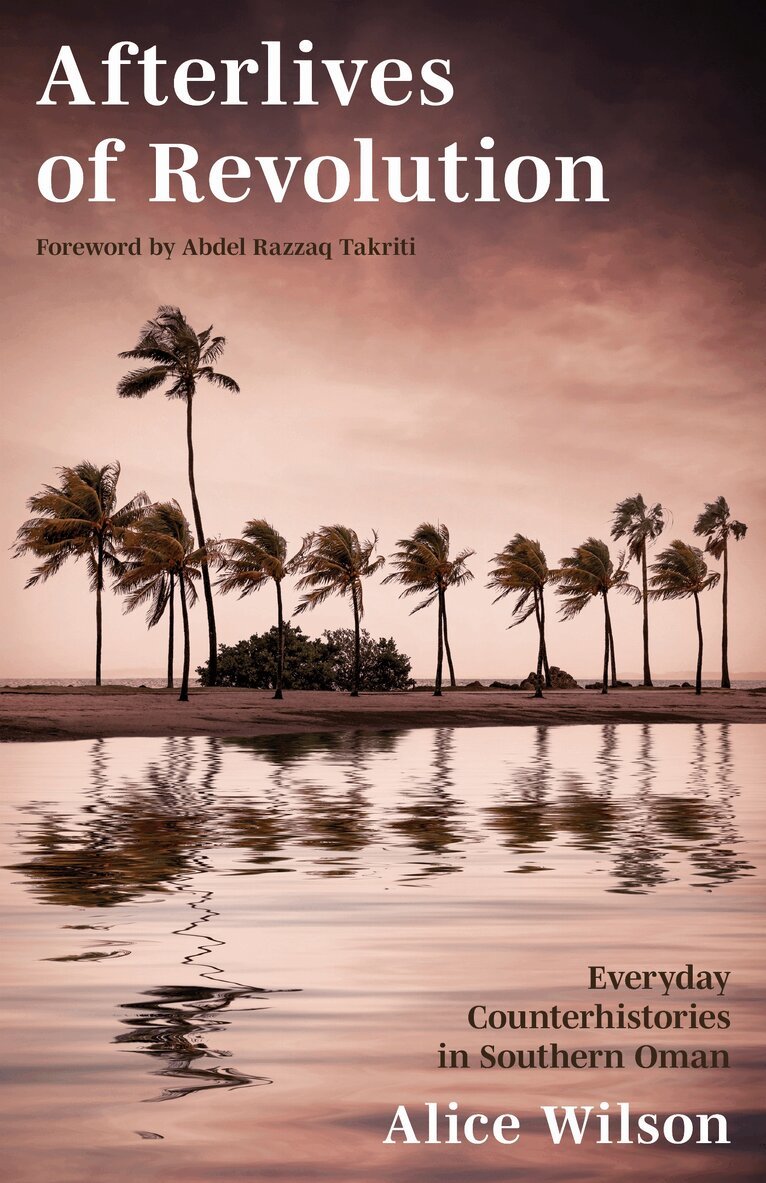
Inbunden, Engelska, 2023
724 kr
Skickas
The Dhufar Revolution was fought between 1965–1976, in an attempt to depose Oman's British-backed Sultan and advance social ideals of egalitarianism and gender equality. Dhufar, the southernmost governorate in today's Sultanate, captured global attention for its revolutionaries and their liberation movement's Marxist-inspired social change. But following counterinsurgency victory, Oman's government expunged the revolution from sanctioned historical narratives. Afterlives of Revolution offers a groundbreaking study of the legacies of officially silenced revolutionaries. How do their underlying convictions survive and inspire platforms for progressive politics in the wake of disappointment, defeat, and repression?Alice Wilson considers the "social afterlives" of revolutionary values and networks. Veteran militants have used kinship and daily socializing to reproduce networks of social egalitarianism and commemorate the revolution in unofficial ways. These afterlives revise conventional wartime and postwar histories. They highlight lasting engagement with revolutionary values, the agency of former militants in postwar modernization, and the limitations of government patronage for eliciting conformity. Recognizing that those typically depicted as coopted can still reproduce counterhegemonic values, this book considers a condition all too common across Southwest Asia and North Africa: the experience of defeated revolutionaries living under the authoritarian state they once contested.
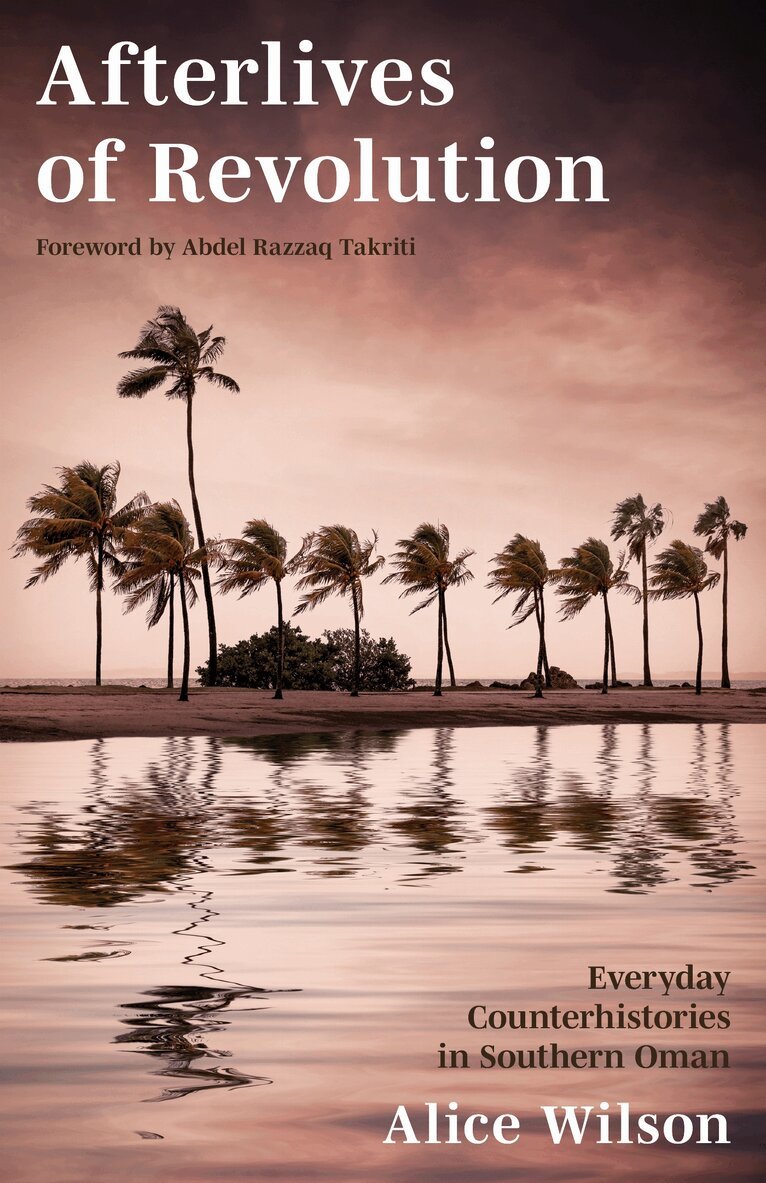
Häftad, Engelska, 2023
323 kr
Skickas inom 5-8 vardagar
The Dhufar Revolution was fought between 1965–1976, in an attempt to depose Oman's British-backed Sultan and advance social ideals of egalitarianism and gender equality. Dhufar, the southernmost governorate in today's Sultanate, captured global attention for its revolutionaries and their liberation movement's Marxist-inspired social change. But following counterinsurgency victory, Oman's government expunged the revolution from sanctioned historical narratives. Afterlives of Revolution offers a groundbreaking study of the legacies of officially silenced revolutionaries. How do their underlying convictions survive and inspire platforms for progressive politics in the wake of disappointment, defeat, and repression?Alice Wilson considers the "social afterlives" of revolutionary values and networks. Veteran militants have used kinship and daily socializing to reproduce networks of social egalitarianism and commemorate the revolution in unofficial ways. These afterlives revise conventional wartime and postwar histories. They highlight lasting engagement with revolutionary values, the agency of former militants in postwar modernization, and the limitations of government patronage for eliciting conformity. Recognizing that those typically depicted as coopted can still reproduce counterhegemonic values, this book considers a condition all too common across Southwest Asia and North Africa: the experience of defeated revolutionaries living under the authoritarian state they once contested.
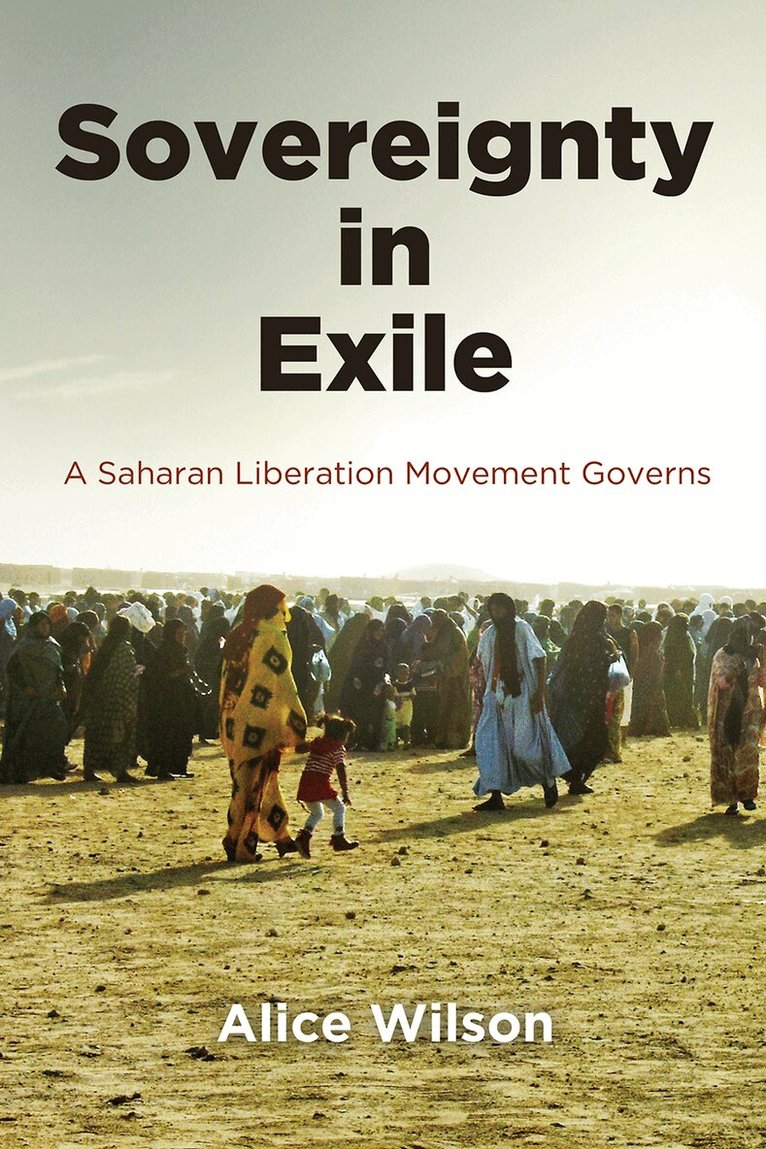
Häftad, Engelska, 2025
292 kr
Skickas
Traces social, political, and economic changes among Sahrawi refugees in North AfricaSovereignty in Exile explores sovereignty and state power through the case of a liberation movement that set out to make itself into a state. The Sahrawi Arab Democratic Republic (SADR) was founded by the Polisario Front in the wake of Spain's abandonment of its former colony, the disputed Western Sahara. Morocco laid claim to the same territory, and the conflict has locked Polisario and Morocco in a political stalemate that has lasted forty years. Complicating the situation is the fact that Polisario conducts its day-to-day operations in refugee camps near Tindouf, in Algeria, which house most of the Sahrawi exile community. SADR (a partially recognized state) and Polisario (Western Sahara's liberation movement) together form an unusual governing authority, originally premised on the dismantling of a perceived threat to national (Sahrawi) unity: tribes.Drawing on unprecedented long-term research gained by living with Sahrawi refugee families, Alice Wilson examines how tribal social relations are undermined, recycled, and have reemerged as the refugee community negotiates governance, resolves disputes, manages social inequalities, and improvises alternatives to taxation. Wilson trains an ethnographic lens on the creation of administrative categories, legal reforms, aid distribution, marriage practices, local markets, and contested elections within the camps. Tracing social, political, and economic changes among Sahrawi refugees, Sovereignty in Exile reveals the dynamics of a postcolonial liberation movement that has endured for decades in the deserts of North Africa while trying to bring about the revolutionary transformation of a society which identifies with a Bedouin past.