Alondra Nelson - Böcker
Visar alla böcker från författaren Alondra Nelson. Handla med fri frakt och snabb leverans.
6 produkter
6 produkter
1 391 kr
Skickas inom 5-8 vardagar
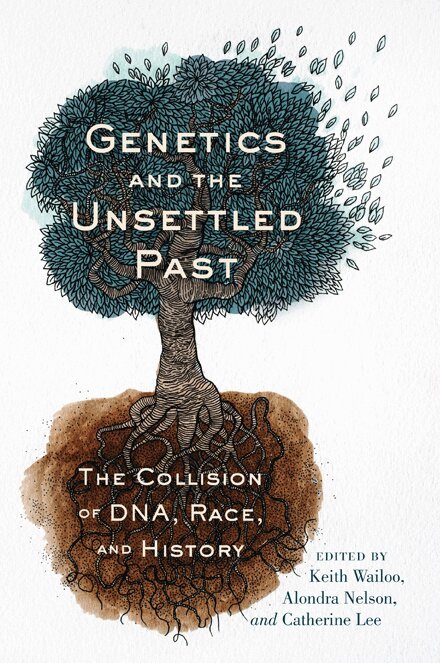
Our genetic markers have come to be regarded as portals to the past. Analysis of these markers is increasingly used to tell the story of human migration; to investigate and judge issues of social membership and kinship; to rewrite history and collective memory; to right past wrongs and to arbitrate legal claims and human rights controversies; and to open new thinking about health and well-being. At the same time, in many societies genetic evidence is being called upon to perform a kind of racially charged cultural work: to repair the racial past and to transform scholarly and popular opinion about the “nature” of identity in the present.Genetics and the Unsettled Past considers the alignment of genetic science with commercial genealogy, with legal and forensic developments, and with pharmaceutical innovation to examine how these trends lend renewed authority to biological understandings of race and history.This unique collection brings together scholars from a wide range of disciplines-biology, history, cultural studies, law, medicine, anthropology, ethnic studies, sociology-to explore the emerging and often contested connections among race, DNA, and history. Written for a general audience, the book’s essays touch upon a variety of topics, including the rise and implications of DNA in genealogy, law, and other fields; the cultural and political uses and misuses of genetic information; the way in which DNA testing is reshaping understandings of group identity for French Canadians, Native Americans, South Africans, and many others within and across cultural and national boundaries; and the sweeping implications of genetics for society today.
432 kr
Skickas inom 5-8 vardagar
Our genetic markers have come to be regarded as portals to the past. Analysis of these markers is increasingly used to tell the story of human migration; to investigate and judge issues of social membership and kinship; to rewrite history and collective memory; to right past wrongs and to arbitrate legal claims and human rights controversies; and to open new thinking about health and well-being. At the same time, in many societies genetic evidence is being called upon to perform a kind of racially charged cultural work: to repair the racial past and to transform scholarly and popular opinion about the “nature” of identity in the present.Genetics and the Unsettled Past considers the alignment of genetic science with commercial genealogy, with legal and forensic developments, and with pharmaceutical innovation to examine how these trends lend renewed authority to biological understandings of race and history.This unique collection brings together scholars from a wide range of disciplines-biology, history, cultural studies, law, medicine, anthropology, ethnic studies, sociology-to explore the emerging and often contested connections among race, DNA, and history. Written for a general audience, the book’s essays touch upon a variety of topics, including the rise and implications of DNA in genealogy, law, and other fields; the cultural and political uses and misuses of genetic information; the way in which DNA testing is reshaping understandings of group identity for French Canadians, Native Americans, South Africans, and many others within and across cultural and national boundaries; and the sweeping implications of genetics for society today.
1 160 kr
Skickas inom 10-15 vardagar
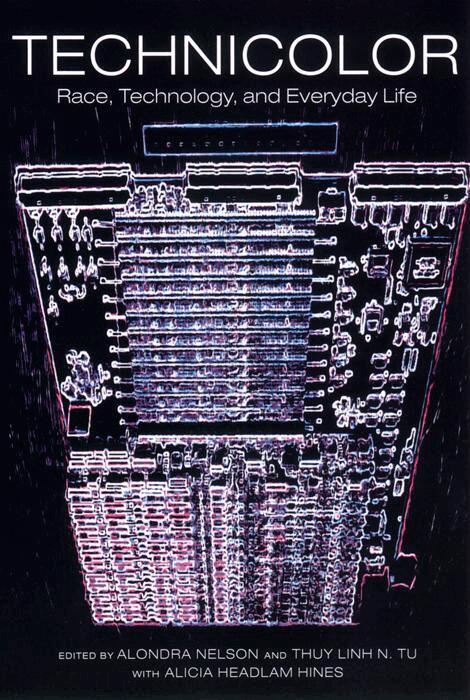
The cultural impact of new information and communication technologies has been a constant topic of debate, but questions of race and ethnicity remain a critical absence. TechniColor fills this gap by exploring the relationship between race and technology.From Indian H-1B Workers and Detroit techno music to karaoke and the Chicano interneta, TechniColor's specific case studies document the ways in which people of color actually use technology. The results rupture such racial stereotypes as Asian whiz-kids and Black and Latino techno-phobes, while fundamentally challenging many widely-held theoretical and political assumptions.Incorporating a broader definition of technology and technological practices--to include not only those technologies thought to create "revolutions" (computer hardware and software) but also cars, cellular phones, and other everyday technologies--TechniColor reflects the larger history of technology use by people of color.Contributors: Vivek Bald, Ben Chappell, Beth Coleman, McLean Greaves, Logan Hill, Alicia Headlam Hines, Karen Hossfeld, Amitava Kumar, Casey Man Kong Lum, Alondra Nelson, Mimi Nguyen, Guillermo GomÉz-PeÑa, Tricia Rose, Andrew Ross, Thuy Linh Nguyen Tu, and Ben Williams.
403 kr
Skickas inom 7-10 vardagar
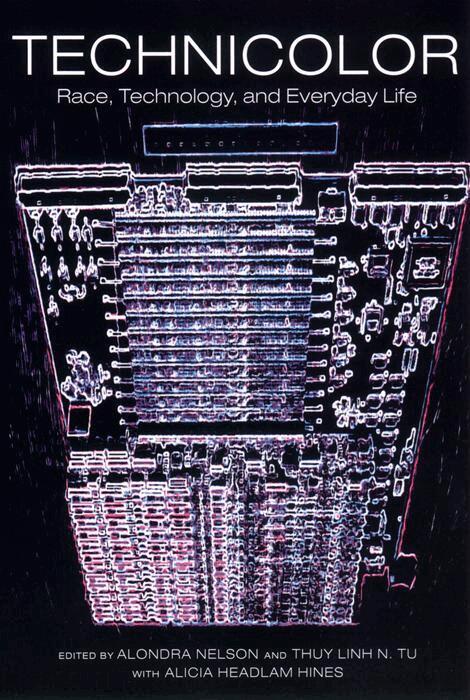
The cultural impact of new information and communication technologies has been a constant topic of debate, but questions of race and ethnicity remain a critical absence. TechniColor fills this gap by exploring the relationship between race and technology.From Indian H-1B Workers and Detroit techno music to karaoke and the Chicano interneta, TechniColor's specific case studies document the ways in which people of color actually use technology. The results rupture such racial stereotypes as Asian whiz-kids and Black and Latino techno-phobes, while fundamentally challenging many widely-held theoretical and political assumptions.Incorporating a broader definition of technology and technological practices--to include not only those technologies thought to create "revolutions" (computer hardware and software) but also cars, cellular phones, and other everyday technologies--TechniColor reflects the larger history of technology use by people of color.Contributors: Vivek Bald, Ben Chappell, Beth Coleman, McLean Greaves, Logan Hill, Alicia Headlam Hines, Karen Hossfeld, Amitava Kumar, Casey Man Kong Lum, Alondra Nelson, Mimi Nguyen, Guillermo GomÉz-PeÑa, Tricia Rose, Andrew Ross, Thuy Linh Nguyen Tu, and Ben Williams.
Body and Soul
The Black Panther Party and the Fight Against Medical Discrimination
Häftad, Engelska, 2013
198 kr
Skickas inom 7-10 vardagar
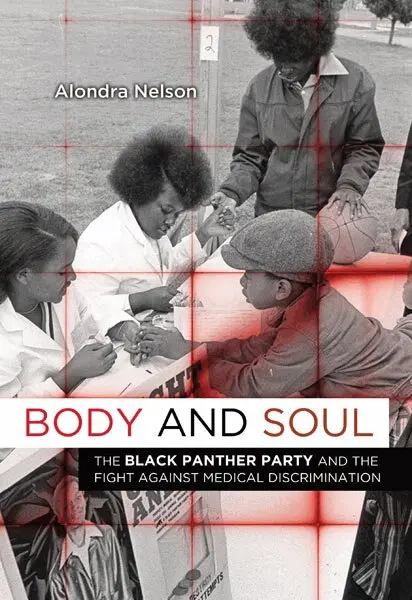
Between its founding in 1966 and its formal end in 1980, the Black Panther Party blazed a distinctive trail in American political culture. The Black Panthers are most often remembered for their revolutionary rhetoric and militant action. Here Alondra Nelson deftly recovers an indispensable but lesser-known aspect of the organization’s broader struggle for social justice: health care. The Black Panther Party’s health activism-its network of free health clinics, its campaign to raise awareness about genetic disease, and its challenges to medical discrimination-was an expression of its founding political philosophy and also a recognition that poor blacks were both underserved by mainstream medicine and overexposed to its harms.Drawing on extensive historical research as well as interviews with former members of the Black Panther Party, Nelson argues that the Party’s focus on health care was both practical and ideological. Building on a long tradition of medical self-sufficiency among African Americans, the Panthers’ People’s Free Medical Clinics administered basic preventive care, tested for lead poisoning and hypertension, and helped with housing, employment, and social services. In 1971, the party launched a campaign to address sickle-cell anemia. In addition to establishing screening programs and educational outreach efforts, it exposed the racial biases of the medical system that had largely ignored sickle-cell anemia, a disease that predominantly affected people of African descent.The Black Panther Party’s understanding of health as a basic human right and its engagement with the social implications of genetics anticipated current debates about the politics of health and race. That legacy-and that struggle-continues today in the commitment of health activists and the fight for universal health care.
154 kr
Skickas inom 5-8 vardagar
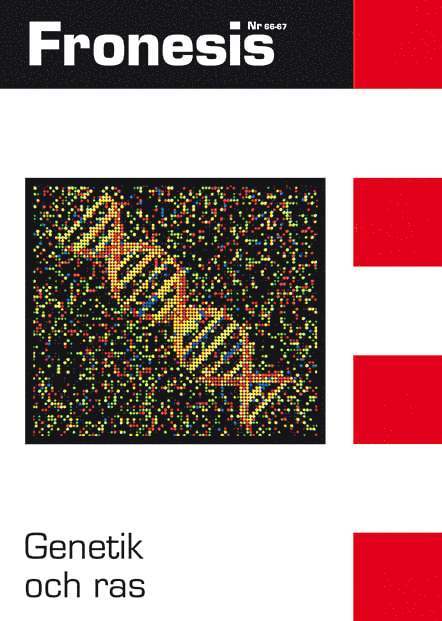
GENETIK OCH RAS I Fronesis nr 66–67 undersöker vi förhållandet mellan genetik och ras i en rad översatta och nyskrivna texter av såväl genetiker som samhälls- och kulturvetare. Syftet är att introducera en tvärvetenskaplig debatt som i Sverige inte förts utanför akademin. Vi har översatt två texter av den banbrytande amerikanske populationsgenetikern och marxisten Richard Lewontin, vars kritiska analys av rasbegreppet inbegriper både dess vetenskapliga och dess sociala komponenter. Den svenske genetikern Bengt Olle Bengtsson ger i en intervju en bakgrund till Lewontins gärning samt till frågan om ras inom den genetiska forskningen. I och med den fullständiga sekvenseringen av det mänskliga genomet, som slutfördes några år efter millennieskiftet, skedde ett paradigmskifte inom de medicinska vetenskaperna. Bland annat ökade intresset för genetisk variation både inom och mellan olika grupper, ofta kategoriserade utifrån ras, nation eller etnicitet. Med bakgrund i kritisk etnicitetsforskning och medicinsk sociologi undersöker Anna Bredström och Shai Mulinari populationsgenetiska kartläggningar av den »svenska populationen«. De ställer frågan vad som händer med den sociala kategorin svensk när den tillskrivs en genetisk komponent. I numret diskuteras även de genetiska teknikernas inverkan på vår förståelse av ursprung och gemenskap. Flera kommersiella företag erbjuder i dag DNA-testning för släktforskare eller nyfikna privatpersoner på jakt efter sitt »sanna genetiska ursprung«. Inom forskningsfältet arkeogenetik har populationsgenetik och DNA-analys blivit viktiga verktyg i utforskandet av mänsklighetens tidiga historia. Anna Källén, arkeolog med inriktning mot kritiska kulturarvsstudier, diskuterar hur föreställningar om svenskhet konstrueras med hjälp av genetiska begrepp och teorier. Den kanadensiska antropologen och vetenskapsforskaren Kim TallBear granskar synen på ursprunglighet inom populationsgenetiken och hur denna förhåller sig till ursprungsbefolkningarnas egna definitioner av tillhörighet och identitet. Innehåll i Fronesis nr 66–67 (197 sidor): Shabane Barot, Anna Bredström, Shai Mulinari och Mani Shutzberg: Ras i genetikens tidevarv Shai Mulinari: Ras och genetiska skillnader. Introduktion till avsnittets texter Bengt Olle Bengtsson intervjuad av Shai Mulinari: Om genetisk likhet och skillnad Richard Lewontin: Rasmässig variation hos människan Richard Lewontin: Den förvirrade diskussionen om mänskliga raser Steven Rose: Begreppet heritabilitet har passerat bäst före-datum Mani Shutzberg: Medicin, ras och genetik i den postgenomiska epoken. Introduktion till avsnittets texter Anna Bredström och Shai Mulinari: Svenska gener? Om stratifierad precisionsmedicin och genetikens etniska gränsdragningar Catherine Bliss: Hälsorättvisa i postgenomikens epok Anna Bredström: Arkeogenetikens berättelser om identitet, blandning och ursprung. Introduktion till avsnittets texter Anna Källén: De första svenskarna – arkeogenetik och historisk identitet Daniel Strand: 0,01 procent. Genetik, ras och åtskillnadens metodologi Kim TallBear: Det genografiska projektet Anna Bredström: DNA bortom genetiken. Introduktion till avsnittets texter Disa Helander: DNA-test som migrationskontroll. Ett sätt att »göra familjer« Alondra Nelson: Försoningsprojekt Redaktörer: Shabane Barot, Anna Bredström, Shai Mulinari och Mani Shutzberg.