Thuy Linh Nguyen Tu - Böcker
Visar alla böcker från författaren Thuy Linh Nguyen Tu. Handla med fri frakt och snabb leverans.
8 produkter
8 produkter
1 148 kr
Skickas inom 10-15 vardagar
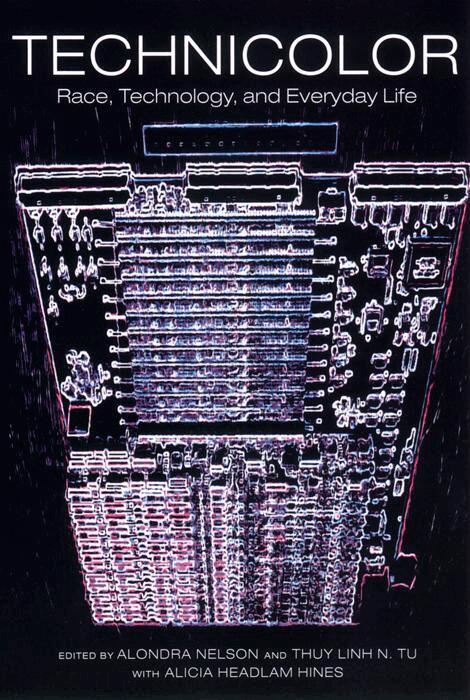
The cultural impact of new information and communication technologies has been a constant topic of debate, but questions of race and ethnicity remain a critical absence. TechniColor fills this gap by exploring the relationship between race and technology.From Indian H-1B Workers and Detroit techno music to karaoke and the Chicano interneta, TechniColor's specific case studies document the ways in which people of color actually use technology. The results rupture such racial stereotypes as Asian whiz-kids and Black and Latino techno-phobes, while fundamentally challenging many widely-held theoretical and political assumptions.Incorporating a broader definition of technology and technological practices--to include not only those technologies thought to create "revolutions" (computer hardware and software) but also cars, cellular phones, and other everyday technologies--TechniColor reflects the larger history of technology use by people of color.Contributors: Vivek Bald, Ben Chappell, Beth Coleman, McLean Greaves, Logan Hill, Alicia Headlam Hines, Karen Hossfeld, Amitava Kumar, Casey Man Kong Lum, Alondra Nelson, Mimi Nguyen, Guillermo GomÉz-PeÑa, Tricia Rose, Andrew Ross, Thuy Linh Nguyen Tu, and Ben Williams.
399 kr
Skickas inom 7-10 vardagar
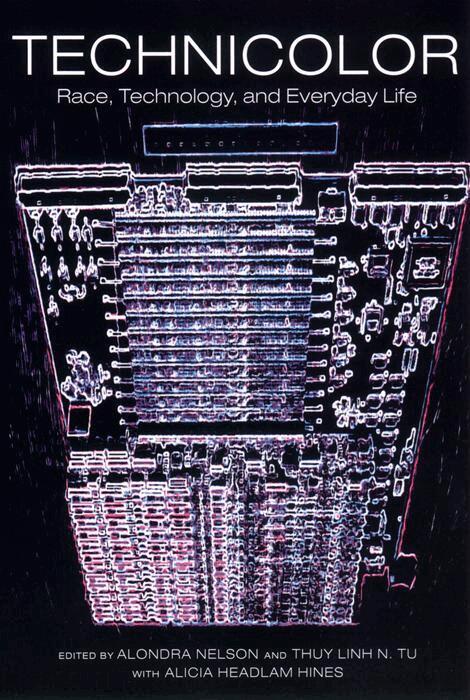
The cultural impact of new information and communication technologies has been a constant topic of debate, but questions of race and ethnicity remain a critical absence. TechniColor fills this gap by exploring the relationship between race and technology.From Indian H-1B Workers and Detroit techno music to karaoke and the Chicano interneta, TechniColor's specific case studies document the ways in which people of color actually use technology. The results rupture such racial stereotypes as Asian whiz-kids and Black and Latino techno-phobes, while fundamentally challenging many widely-held theoretical and political assumptions.Incorporating a broader definition of technology and technological practices--to include not only those technologies thought to create "revolutions" (computer hardware and software) but also cars, cellular phones, and other everyday technologies--TechniColor reflects the larger history of technology use by people of color.Contributors: Vivek Bald, Ben Chappell, Beth Coleman, McLean Greaves, Logan Hill, Alicia Headlam Hines, Karen Hossfeld, Amitava Kumar, Casey Man Kong Lum, Alondra Nelson, Mimi Nguyen, Guillermo GomÉz-PeÑa, Tricia Rose, Andrew Ross, Thuy Linh Nguyen Tu, and Ben Williams.
606 kr
Skickas inom 3-6 vardagar
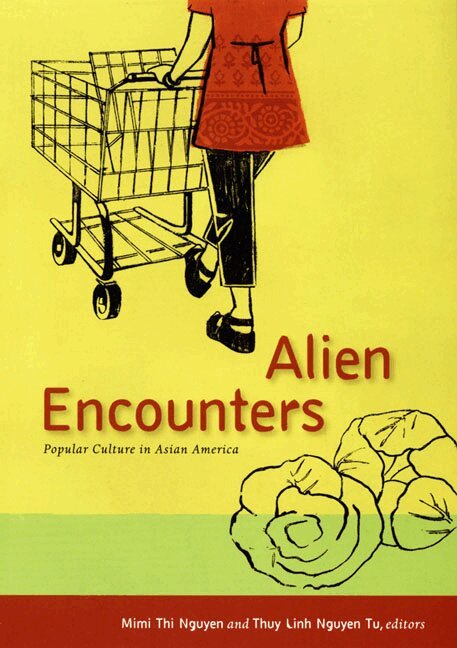
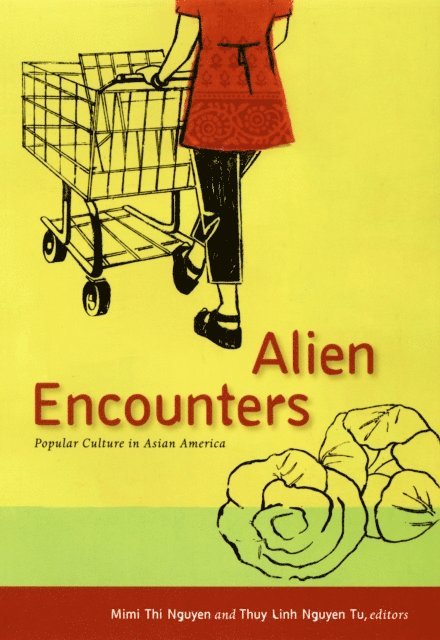
Alien Encounters showcases innovative directions in Asian American cultural studies. In essays exploring topics ranging from pulp fiction to multimedia art to import-car subcultures, contributors analyze Asian Americans’ interactions with popular culture as both creators and consumers. Written by a new generation of cultural critics, these essays reflect post-1965 Asian America; the contributors pay nuanced attention to issues of gender, sexuality, transnationality, and citizenship, and they unabashedly take pleasure in pop culture.This interdisciplinary collection brings together contributors working in Asian American studies, English, anthropology, sociology, and art history. They consider issues of cultural authenticity raised by Asian American participation in hip hop and jazz, the emergence of an orientalist “Indo-chic” in U.S. youth culture, and the circulation of Vietnamese music variety shows. They examine the relationship between Chinese restaurants and American culture, issues of sexuality and race brought to the fore in the video performance art of a Bruce Lee–channeling drag king, and immigrant television viewers’ dismayed reactions to a Chinese American chef who is “not Chinese enough.” The essays in Alien Encounters demonstrate the importance of scholarly engagement with popular culture. Taking popular culture seriously reveals how people imagine and express their affective relationships to history, identity, and belonging.Contributors. Wendy Hui Kyong Chun, Kevin Fellezs, Vernadette VicuÑa Gonzalez, Joan Kee, Nhi T. Lieu, Sunaina Maira, Martin F. Manalansan IV, Mimi Thi Nguyen, Robyn Magalit Rodriguez, Sukhdev Sandhu, Christopher A. Shinn, Indigo Som, Thuy Linh Nguyen Tu, Oliver Wang
290 kr
Skickas inom 7-10 vardagar
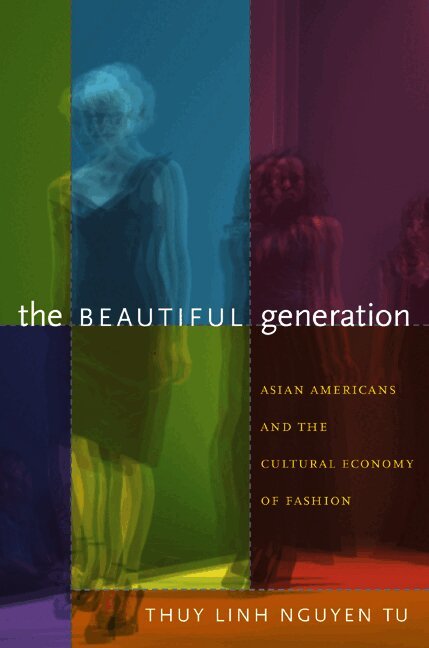
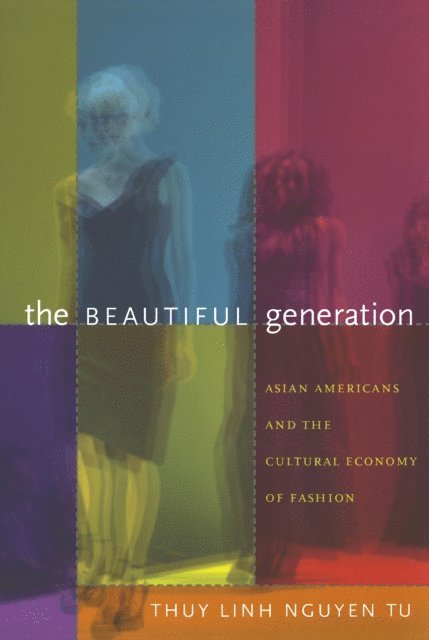
Since the 1990s, young Asian Americans including Doo-Ri Chung, Derek Lam, Thakoon Panichgul, Alexander Wang, and Jason Wu have emerged as leading fashion designers. They have won prestigious awards, been chosen to head major clothing labels, and had their designs featured in Vogue, Harper’s Bazaar, and other fashion magazines. At the same time that these designers were rising to prominence, the fashion world was embracing Asian chic. During the 1990s, “Asian” shapes, fabrics, iconography, and colors filled couture runways and mass-market clothing racks. In The Beautiful Generation, Thuy Linh Nguyen Tu explores the role of Asian American designers in New York’s fashion industry, paying particular attention to how they relate to the garment workers who produce their goods and to Asianness as a fashionable commodity. She draws on conversations with design students, fashion curators, and fashion publicists; interviews with nearly thirty Asian American designers who have their own labels; and time spent with those designers in their shops and studios, on their factory visits, and at their fashion shows. The Beautiful Generation links the rise of Asian American designers to historical patterns of immigration, racial formation, and globalized labor, and to familial and family-like connections between designers and garment workers.
1 113 kr
Skickas inom 7-10 vardagar
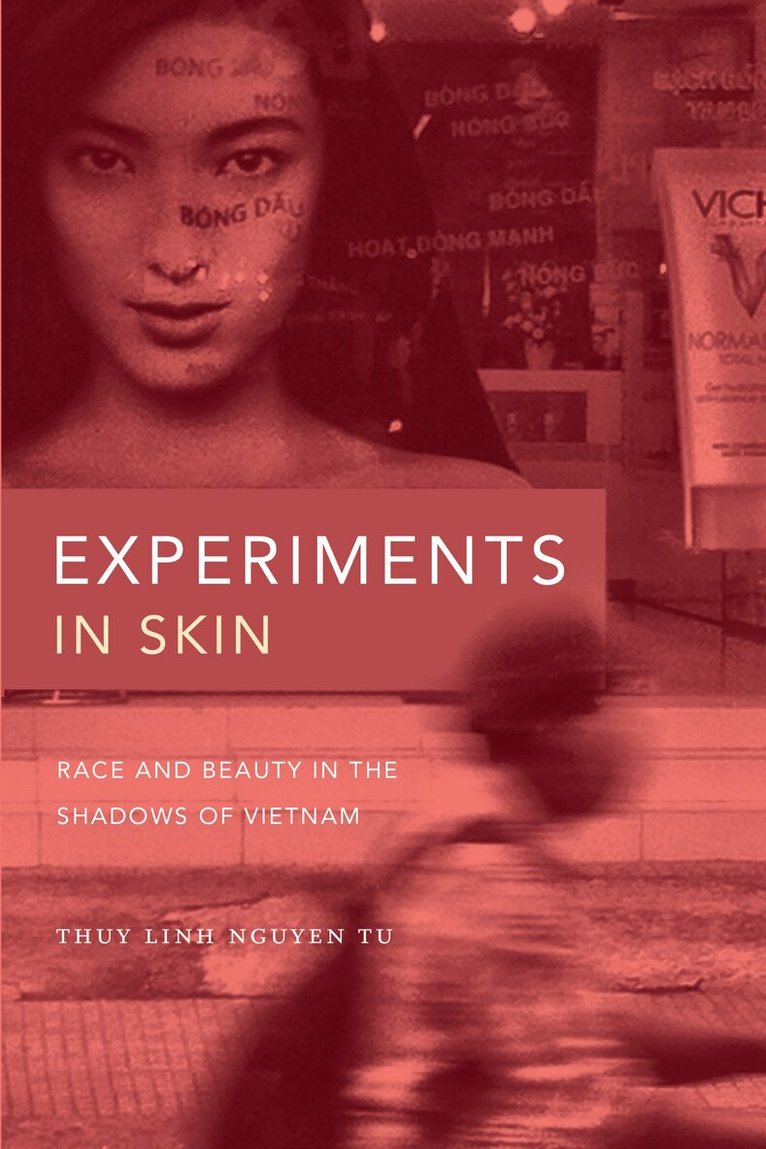
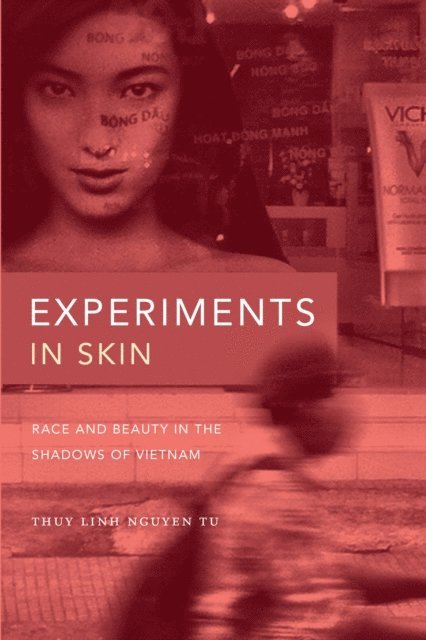
In Experiments in Skin Thuy Linh Nguyen Tu examines the ongoing influence of the Vietnam War on contemporary ideas about race and beauty. Framing skin as the site around which these ideas have been formed, Tu foregrounds the histories of militarism in the production of US biomedical knowledge and commercial cosmetics. She uncovers the efforts of wartime scientists in the US Military Dermatology Research Program to alleviate the environmental and chemical risks to soldiers' skin. These dermatologists sought relief for white soldiers while denying that African American soldiers and Vietnamese civilians were also vulnerable to harm. Their experiments led to the development of pharmaceutical cosmetics, now used by women in Ho Chi Minh City to tend to their skin, and to grapple with the damage caused by the war's lingering toxicity. In showing how the US military laid the foundations for contemporary Vietnamese consumption of cosmetics and practices of beauty, Tu shows how the intersecting histories of militarism, biomedicine, race, and aesthetics become materially and metaphorically visible on skin.
277 kr
Skickas inom 7-10 vardagar
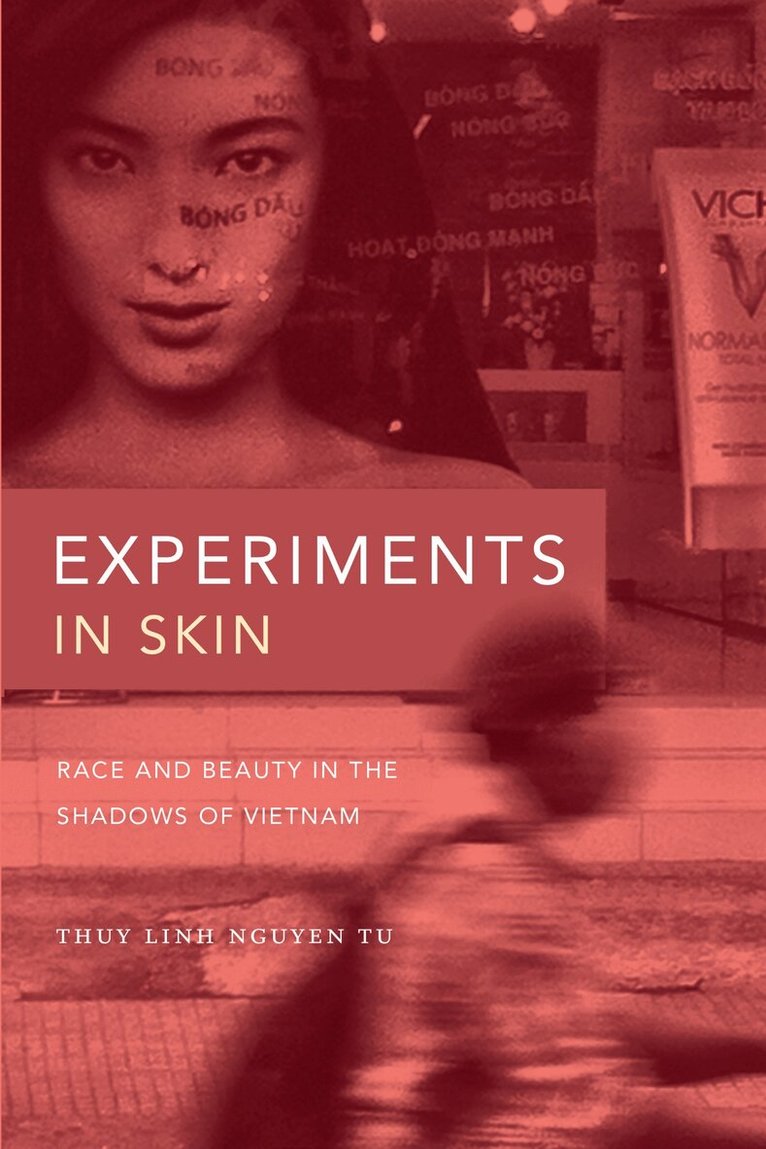
In Experiments in Skin Thuy Linh Nguyen Tu examines the ongoing influence of the Vietnam War on contemporary ideas about race and beauty. Framing skin as the site around which these ideas have been formed, Tu foregrounds the histories of militarism in the production of US biomedical knowledge and commercial cosmetics. She uncovers the efforts of wartime scientists in the US Military Dermatology Research Program to alleviate the environmental and chemical risks to soldiers' skin. These dermatologists sought relief for white soldiers while denying that African American soldiers and Vietnamese civilians were also vulnerable to harm. Their experiments led to the development of pharmaceutical cosmetics, now used by women in Ho Chi Minh City to tend to their skin, and to grapple with the damage caused by the war's lingering toxicity. In showing how the US military laid the foundations for contemporary Vietnamese consumption of cosmetics and practices of beauty, Tu shows how the intersecting histories of militarism, biomedicine, race, and aesthetics become materially and metaphorically visible on skin.
979 kr
Skickas inom 10-15 vardagar
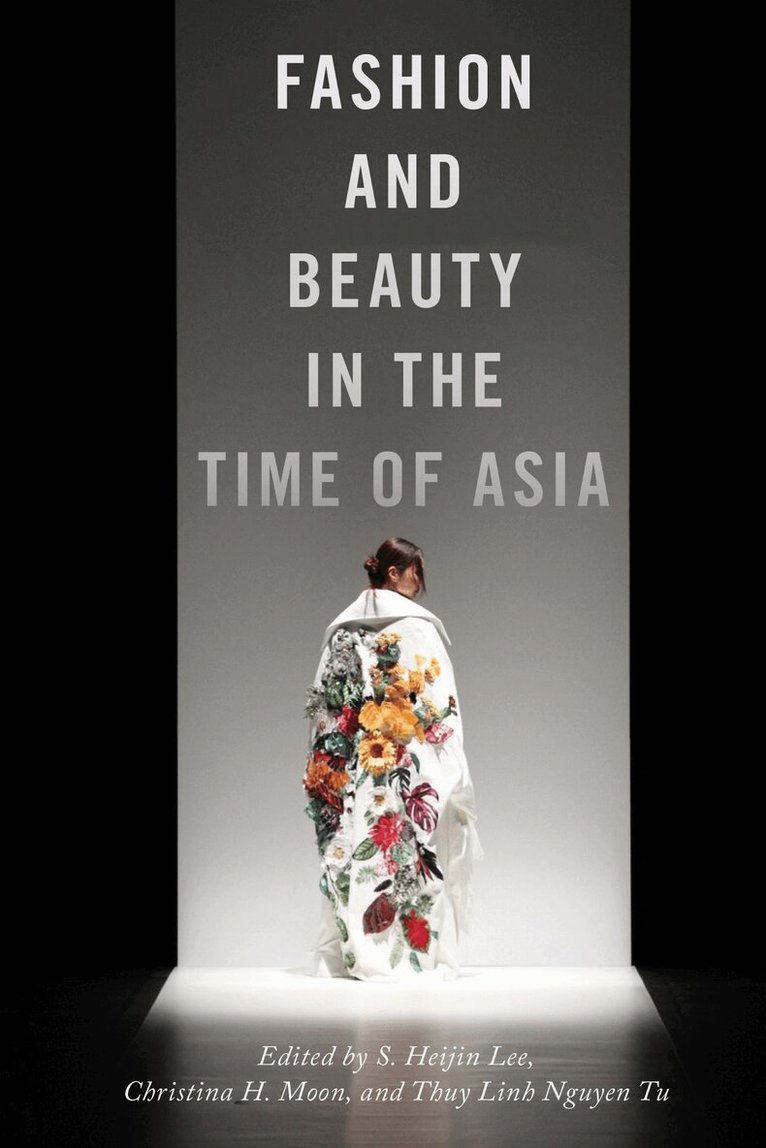
How transnational modernity is taking shape in and in relation to AsiaFashion and Beauty in the Time of Asia considers the role of bodily aesthetics in the shaping of Asian modernities and the formation of the so-called "Asian Century." S. Heijin Lee, Christina H. Moon, and Thuy Linh Nguyen Tu train our eyes on sites as far-flung, varied, and intimate as Guangzhou and Los Angeles, Saigon and Seoul, New York and Toronto. They map the transregional connections, ever-evolving aspirations and sensibilities, and new worlds and life paths forged through engagements with fashion and beauty.Contributors consider American influence on plastic surgery in Korea, Vietnamese debates about "the fashionable," and the costs and commitments demanded of those who make and wear fast fashion, from Chinese garment workers to Nepalese nail technicians in New York who are mandated to dress "fashionably." In doing so, this interdisciplinary anthology moves beyond common characterizations of Asians and the Asian diaspora as simply abject laborers or frenzied consumers, analyzing who the modern Asian subject is now: what they wear and how they work, move, eat, and shop.
371 kr
Skickas inom 7-10 vardagar
How transnational modernity is taking shape in and in relation to AsiaFashion and Beauty in the Time of Asia considers the role of bodily aesthetics in the shaping of Asian modernities and the formation of the so-called "Asian Century." S. Heijin Lee, Christina H. Moon, and Thuy Linh Nguyen Tu train our eyes on sites as far-flung, varied, and intimate as Guangzhou and Los Angeles, Saigon and Seoul, New York and Toronto. They map the transregional connections, ever-evolving aspirations and sensibilities, and new worlds and life paths forged through engagements with fashion and beauty.Contributors consider American influence on plastic surgery in Korea, Vietnamese debates about "the fashionable," and the costs and commitments demanded of those who make and wear fast fashion, from Chinese garment workers to Nepalese nail technicians in New York who are mandated to dress "fashionably." In doing so, this interdisciplinary anthology moves beyond common characterizations of Asians and the Asian diaspora as simply abject laborers or frenzied consumers, analyzing who the modern Asian subject is now: what they wear and how they work, move, eat, and shop.