Catherine Bliss - Böcker
Visar alla böcker från författaren Catherine Bliss. Handla med fri frakt och snabb leverans.
4 produkter
4 produkter
1 170 kr
Skickas inom 7-10 vardagar
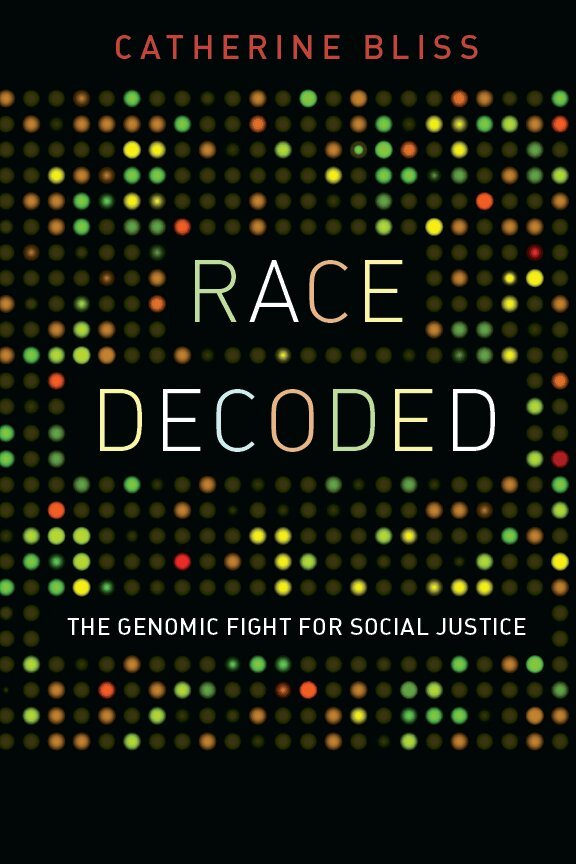
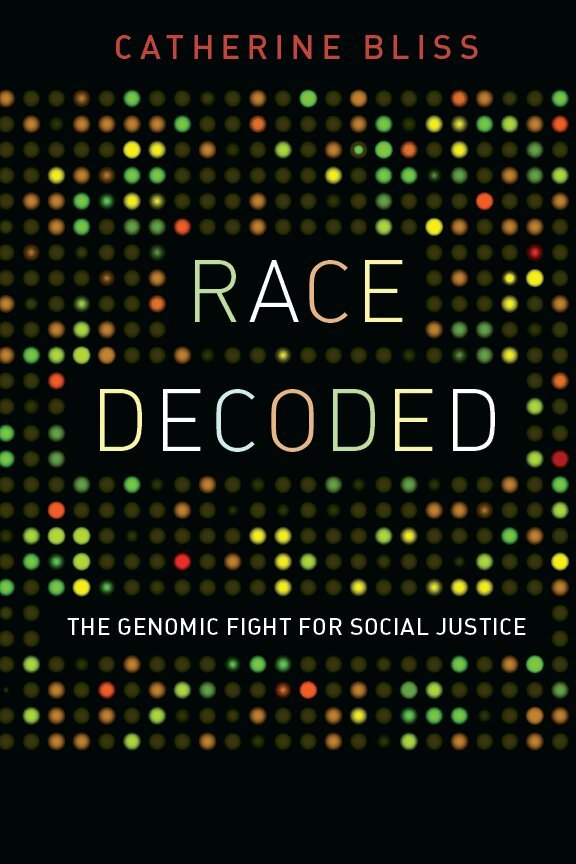
In 2000, with the success of the Human Genome Project, scientists declared the death of race in biology and medicine. But within five years, many of these same scientists had reversed course and embarked upon a new hunt for the biological meaning of race. Drawing on personal interviews and life stories, Race Decoded takes us into the world of elite genome scientists—including Francis Collins, director of the NIH; Craig Venter, the first person to create a synthetic genome; and Spencer Wells, National Geographic Society explorer-in-residence, among others—to show how and why they are formulating new ways of thinking about race. In this original exploration, Catherine Bliss reveals a paradigm shift, both at the level of science and society, from colorblindness to racial consciousness. Scientists have been fighting older understandings of race in biology while simultaneously promoting a new grand-scale program of minority inclusion. In selecting research topics or considering research design, scientists routinely draw upon personal experience of race to push the public to think about race as a biosocial entity, and even those of the most privileged racial and social backgrounds incorporate identity politics in the scientific process. Though individual scientists may view their positions differently—whether as a black civil rights activist or a white bench scientist—all stakeholders in the scientific debates are drawing on memories of racial discrimination to fashion a science-based activism to fight for social justice.
284 kr
Skickas inom 7-10 vardagar
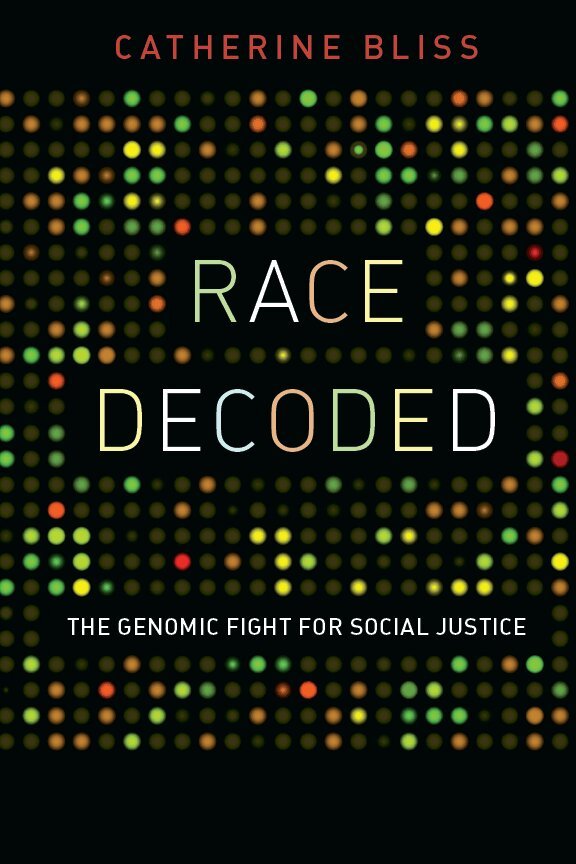
In 2000, with the success of the Human Genome Project, scientists declared the death of race in biology and medicine. But within five years, many of these same scientists had reversed course and embarked upon a new hunt for the biological meaning of race. Drawing on personal interviews and life stories, Race Decoded takes us into the world of elite genome scientists—including Francis Collins, director of the NIH; Craig Venter, the first person to create a synthetic genome; and Spencer Wells, National Geographic Society explorer-in-residence, among others—to show how and why they are formulating new ways of thinking about race. In this original exploration, Catherine Bliss reveals a paradigm shift, both at the level of science and society, from colorblindness to racial consciousness. Scientists have been fighting older understandings of race in biology while simultaneously promoting a new grand-scale program of minority inclusion. In selecting research topics or considering research design, scientists routinely draw upon personal experience of race to push the public to think about race as a biosocial entity, and even those of the most privileged racial and social backgrounds incorporate identity politics in the scientific process. Though individual scientists may view their positions differently—whether as a black civil rights activist or a white bench scientist—all stakeholders in the scientific debates are drawing on memories of racial discrimination to fashion a science-based activism to fight for social justice.
342 kr
Skickas inom 10-15 vardagar
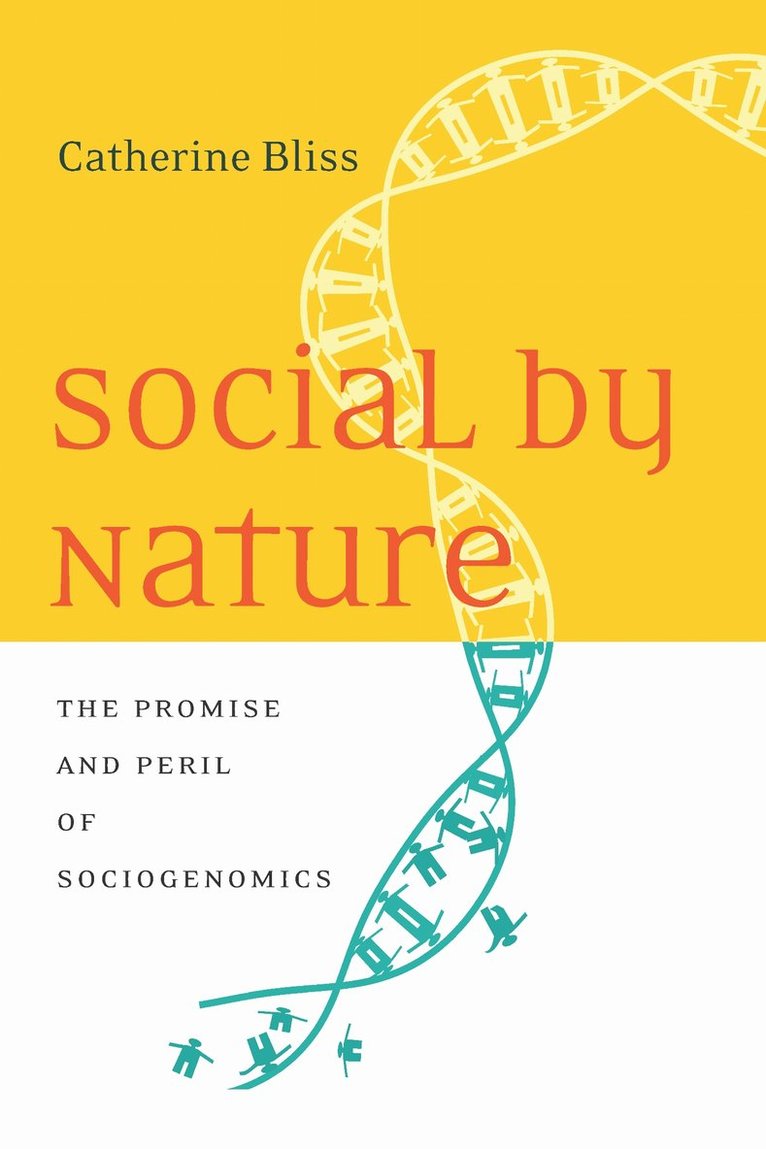
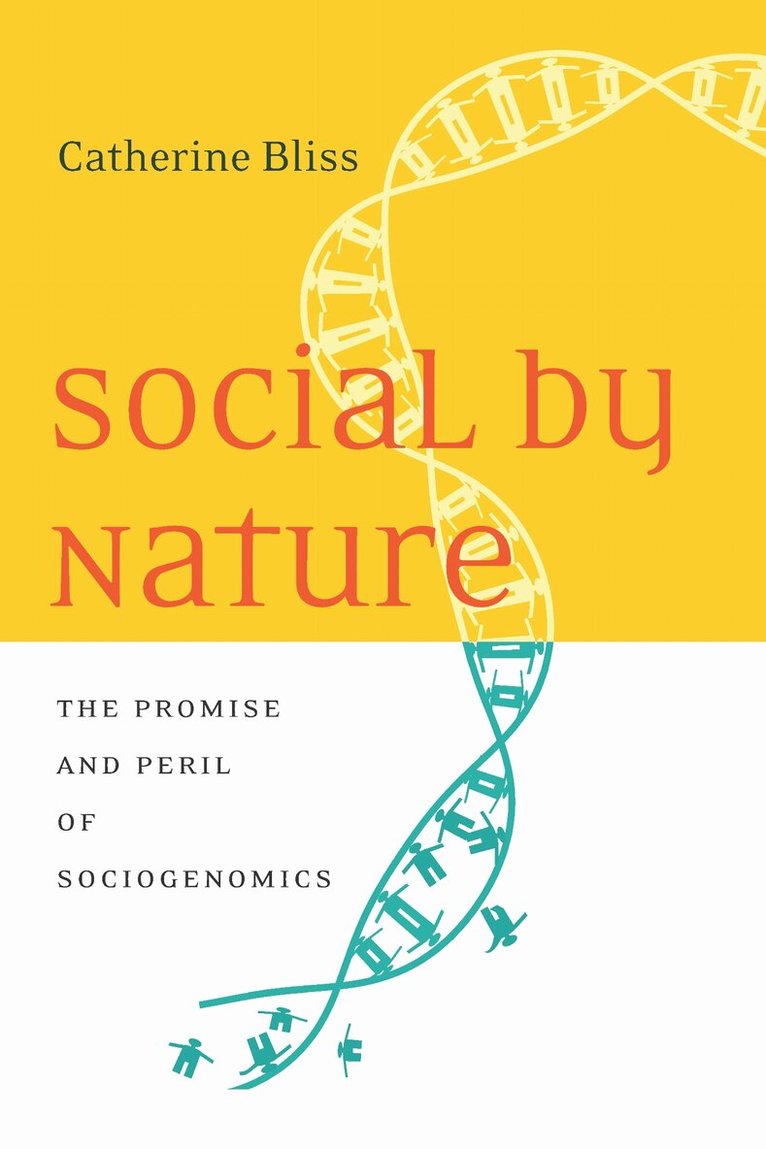
Sociogenomics has rapidly become one of the trendiest sciences of the new millennium. Practitioners view human nature and life outcomes as the result of genetic and social factors. In Social by Nature, Catherine Bliss recognizes the promise of this interdisciplinary young science, but also questions its implications for the future. As she points out, the claim that genetic similarities cause groups of people to behave in similar ways is not new—and a dark history of eugenics warns us of its dangers. Over the last decade, sociogenomics has enjoyed a largely uncritical rise to prominence and acceptance in popular culture. Researchers have published studies showing that things like educational attainment, gang membership, and life satisfaction are encoded in our DNA long before we say our first word. Strangely, unlike the racial debates over IQ scores in the '70s and '90s, sociogenomics has not received any major backlash. By exposing the shocking parallels between sociogenomics and older, long-discredited, sciences, Bliss persuasively argues for a more thoughtful public reception of any study that reduces human nature to a mere sequence of genes.This book is a powerful call for researchers to approach their work in more socially responsible ways, and a must-read for anyone who wants to better understand the scholarship that impacts how we see ourselves and our society.
154 kr
Skickas inom 5-8 vardagar
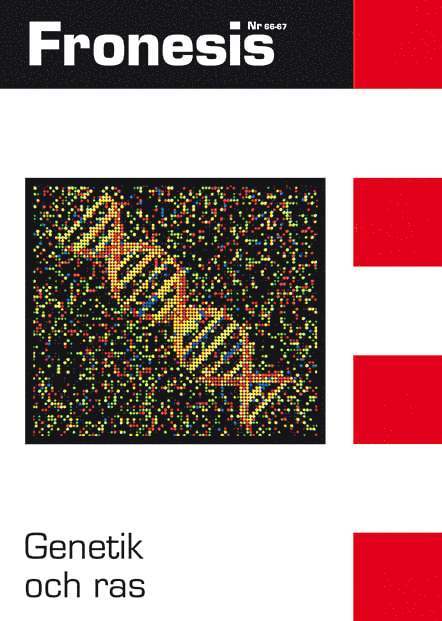
GENETIK OCH RAS I Fronesis nr 66–67 undersöker vi förhållandet mellan genetik och ras i en rad översatta och nyskrivna texter av såväl genetiker som samhälls- och kulturvetare. Syftet är att introducera en tvärvetenskaplig debatt som i Sverige inte förts utanför akademin. Vi har översatt två texter av den banbrytande amerikanske populationsgenetikern och marxisten Richard Lewontin, vars kritiska analys av rasbegreppet inbegriper både dess vetenskapliga och dess sociala komponenter. Den svenske genetikern Bengt Olle Bengtsson ger i en intervju en bakgrund till Lewontins gärning samt till frågan om ras inom den genetiska forskningen. I och med den fullständiga sekvenseringen av det mänskliga genomet, som slutfördes några år efter millennieskiftet, skedde ett paradigmskifte inom de medicinska vetenskaperna. Bland annat ökade intresset för genetisk variation både inom och mellan olika grupper, ofta kategoriserade utifrån ras, nation eller etnicitet. Med bakgrund i kritisk etnicitetsforskning och medicinsk sociologi undersöker Anna Bredström och Shai Mulinari populationsgenetiska kartläggningar av den »svenska populationen«. De ställer frågan vad som händer med den sociala kategorin svensk när den tillskrivs en genetisk komponent. I numret diskuteras även de genetiska teknikernas inverkan på vår förståelse av ursprung och gemenskap. Flera kommersiella företag erbjuder i dag DNA-testning för släktforskare eller nyfikna privatpersoner på jakt efter sitt »sanna genetiska ursprung«. Inom forskningsfältet arkeogenetik har populationsgenetik och DNA-analys blivit viktiga verktyg i utforskandet av mänsklighetens tidiga historia. Anna Källén, arkeolog med inriktning mot kritiska kulturarvsstudier, diskuterar hur föreställningar om svenskhet konstrueras med hjälp av genetiska begrepp och teorier. Den kanadensiska antropologen och vetenskapsforskaren Kim TallBear granskar synen på ursprunglighet inom populationsgenetiken och hur denna förhåller sig till ursprungsbefolkningarnas egna definitioner av tillhörighet och identitet. Innehåll i Fronesis nr 66–67 (197 sidor): Shabane Barot, Anna Bredström, Shai Mulinari och Mani Shutzberg: Ras i genetikens tidevarv Shai Mulinari: Ras och genetiska skillnader. Introduktion till avsnittets texter Bengt Olle Bengtsson intervjuad av Shai Mulinari: Om genetisk likhet och skillnad Richard Lewontin: Rasmässig variation hos människan Richard Lewontin: Den förvirrade diskussionen om mänskliga raser Steven Rose: Begreppet heritabilitet har passerat bäst före-datum Mani Shutzberg: Medicin, ras och genetik i den postgenomiska epoken. Introduktion till avsnittets texter Anna Bredström och Shai Mulinari: Svenska gener? Om stratifierad precisionsmedicin och genetikens etniska gränsdragningar Catherine Bliss: Hälsorättvisa i postgenomikens epok Anna Bredström: Arkeogenetikens berättelser om identitet, blandning och ursprung. Introduktion till avsnittets texter Anna Källén: De första svenskarna – arkeogenetik och historisk identitet Daniel Strand: 0,01 procent. Genetik, ras och åtskillnadens metodologi Kim TallBear: Det genografiska projektet Anna Bredström: DNA bortom genetiken. Introduktion till avsnittets texter Disa Helander: DNA-test som migrationskontroll. Ett sätt att »göra familjer« Alondra Nelson: Försoningsprojekt Redaktörer: Shabane Barot, Anna Bredström, Shai Mulinari och Mani Shutzberg.