
A.M. Martin – författare
Visar alla böcker från författaren A.M. Martin. Handla med fri frakt och snabb leverans.
5 produkter
5 produkter
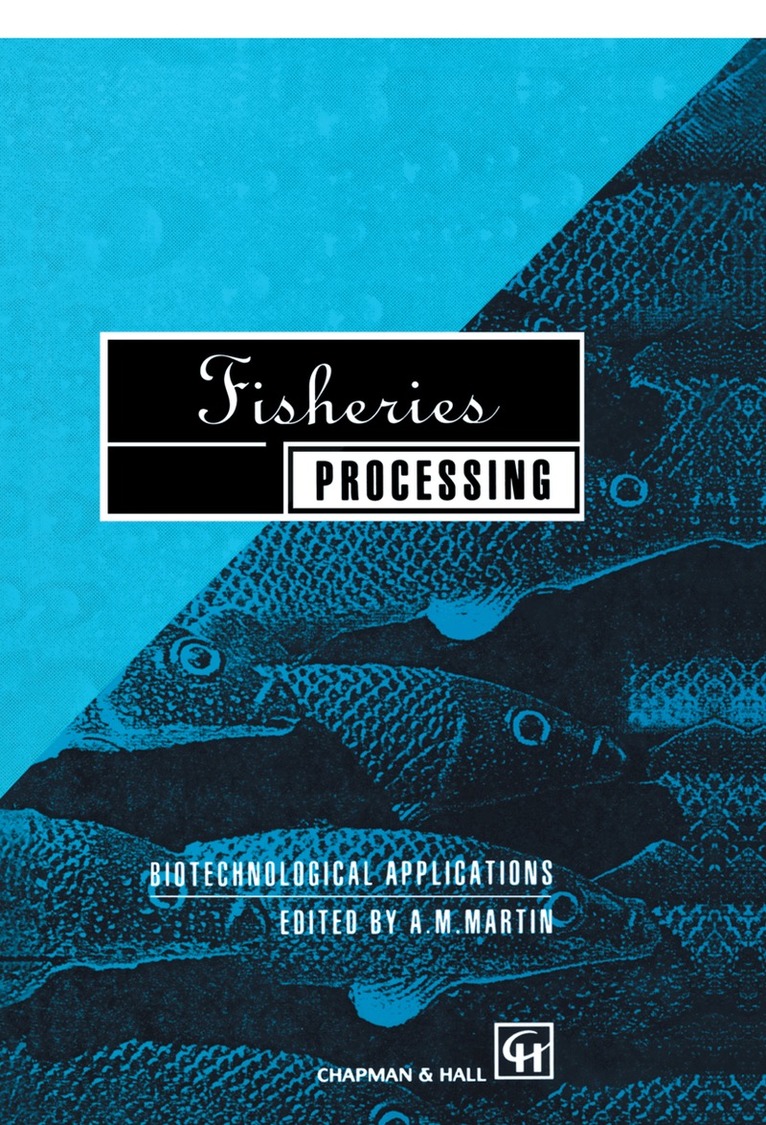
Inbunden, Engelska, 1999
1 603 kr
Skickas inom 10-15 vardagar
The fish processing industry has generally been slow in finding uses for by-products and processing wastes; the application of modern techniques would potentially increases profitability of this sector of the industry. In seeking to redress this, "Fisheries Processing" concentrates on the application of bioprocessing methods to the enhancement of the seafood industry and to the area of recovery and processing of the marine biomass not utilized in traditional fisheries processing operations.
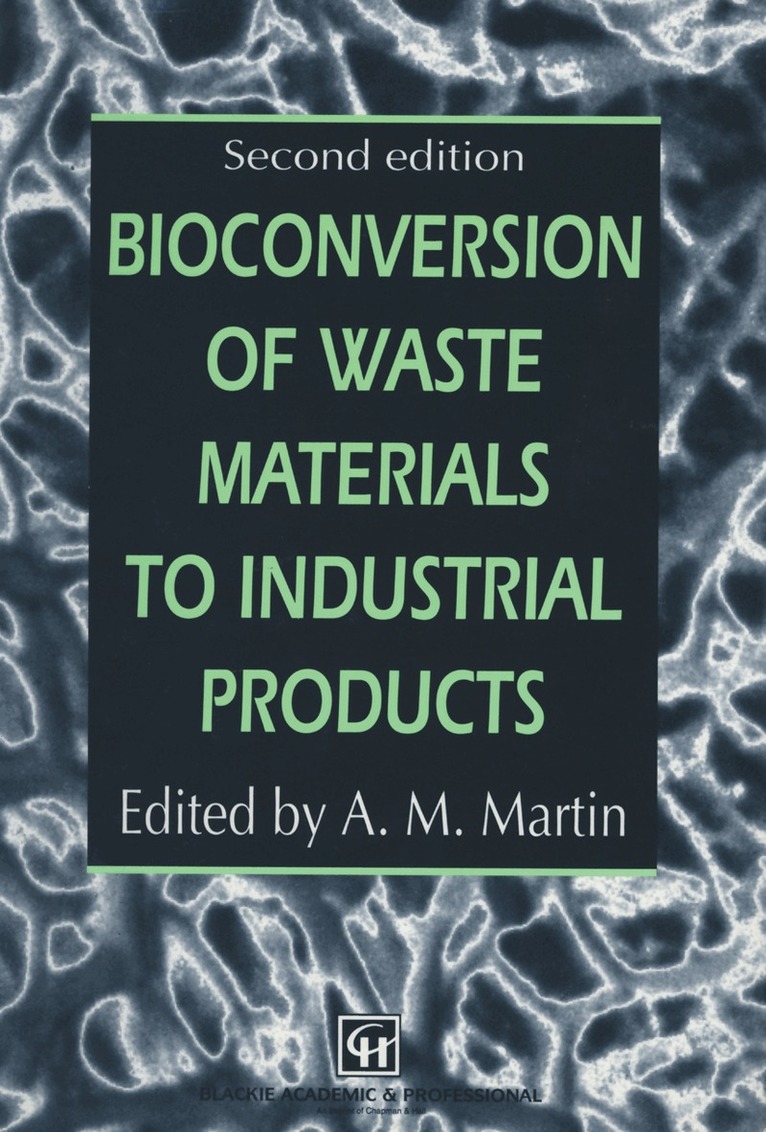
Inbunden, Engelska, 1997
2 135 kr
Skickas inom 10-15 vardagar
The production of waste materials during the processing of food, agricultural produce and industrial products is recognized as a significant problem. Public opinion, increasing legislation and economic arguments seem certain to restrict the options for simple disposal of wastes, so alternative technologies will be required. In general, this problem can be addressed by either minimizing the waste produced or by recycling the waste in some way, and it seems likely that a combination of the two approaches will be the most practical solution for most industries. Bioprocessing represents a efficient method of eliminating some waste materials, with the benefit that useful products can be produced. This updated and revised edition provides an overview of the biotechnological methods of recovering useful materials from wastes. By covering both the general principles of bioconversion and the specific characteristics of the main groups of waste materials amenable to bioconversion methods, this book provides the chemical, biochemical, agrochemical and process engineer with guidance on the use of these methods in devising a solution to the problem of industrial waste products.
Häftad, Engelska, 2012
1 603 kr
Skickas inom 10-15 vardagar
The fish processing industry is still far from the levels of scientific and technological development that characterize other food processing oper ations. It has also been slow in finding uses for by-products and processing wastes, compared with the meat and poultry industries. The utilization of fisheries by-products or wastes constitutes an area in which the application of modern techniques could potentially improve profitability. At present, increased attention is being focused on the application of new biotechnological methods to operations related to the seafood industry, with the objective of increasing its general efficiency. Because fish processing operations are commonly carried out in the vicinity of the sea, most of the resulting fish wastes have been disposed of by returning them to it. Pollution control measures and a better understanding of the valuable composition of the products extracted from the sea are expected to encourage their recovery and the develop ment of new products from them. In the past, fisheries wastes and species not used for food have been generally utilized through techno logical processes with a low level of sophistication, such as those for the production of animal feed and fertilizer. Limited economic success has accompanied the application of physi cal and chemical processes for the recovery of non-utilized fisheries biomass and for the production of quality products from them.
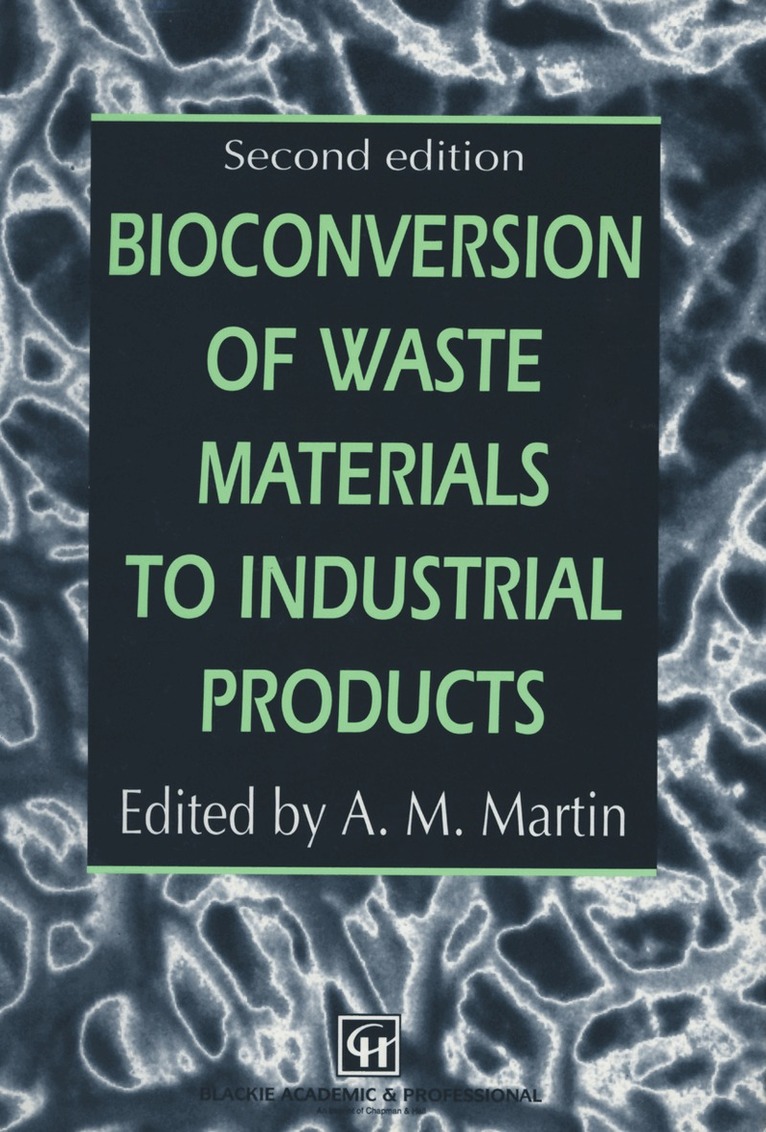
Häftad, Engelska, 2012
2 135 kr
Skickas inom 10-15 vardagar
By covering both the general principles of bioconversion and the specific characteristics of the main groups of waste materials amenable to bioconversion methods, this new book provides the chemical, biochemical, agrochemical and process engineer with clear guidance on the use of these methods in devising a solution to the problem of industrial waste products.
Häftad, Engelska, 2014
539 kr
Skickas inom 10-15 vardagar
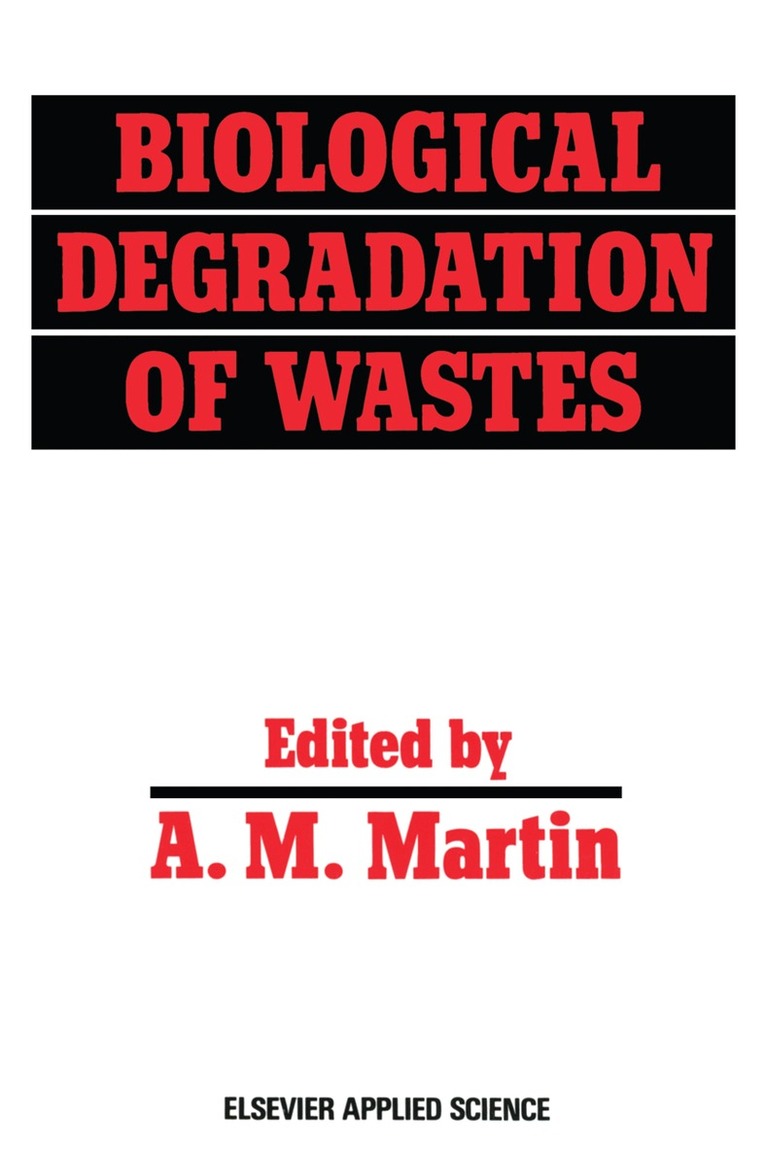
The cumulative effects of pollution have led, in recent years, to increased public concern, which is resulting in stricter legislation on the discharge of wastes in whatever state they are present: gaseous, liquid or solid. The treatment and disposal of wastes has become one of the most important problems facing mankind. This is a problem which will not disappear, and could even worsen, if it is not faced with resolution by all the main parties involved: consumers, governments, producers and scientists. Some wastes could be reused, producing some economic return which could pay for the waste-treatment process. In the best of cases, this could become an economically attractive recycling operation. However, in many situations, waste treatment is considered to be an unproductive process which entails additional costs to an otherwise productive operation. Methods for the removal and purification of wastes (including those considered to be 'toxic wastes', the most dreaded form of pollution), if developed at all, suffer from serious limitations. Two of these are the high energy input into the process and, after the contaminants have been removed, the lingering problem of what to do with them, as they will then exist as some kind of concentrate. The ideal solution is none other than a natural, biological process to degrade wastes. Fortunately, mankind is increasingly choosing that option, as exemplified by the general acceptance of the role of biotechnology in modern society.