Amanda Cachia - Böcker
Visar alla böcker från författaren Amanda Cachia. Handla med fri frakt och snabb leverans.
6 produkter
6 produkter
339 kr
Skickas
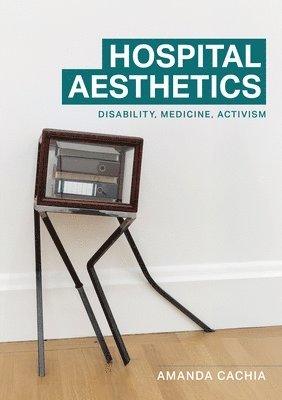
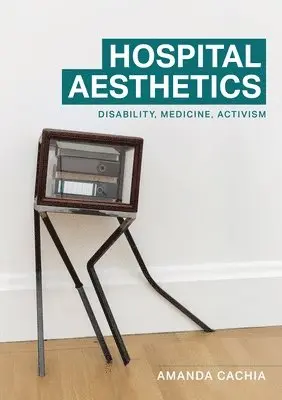
Hospital aesthetics: Disability, medicine, activism argues that contemporary disabled artists are offering a new hospital aesthetics, where health and care are being taken into their own hands and body-minds. Hospital aesthetics is defined as artwork that explores the ever-subjective experience of illness, set apart from and outside of a clinical or therapeutic setting, and in opposition to the medical model of disability. The author examines the work of nine contemporary disabled artists and four care collectives from the United States, Canada, and Europe across five chapters, utilising a range of mediums including drawing, sculpture, installation, painting, performance, video, and socially engaged art practice to illustrate “hospital aesthetics.”The visual culture of medicine typically undermines and controls disabled bodies, often resulting in unfavourable physical and psychological outcomes. It is therefore imperative that disabled artists establish a hospital aesthetics to rescript medical images of disability, both past and present, particularly in the context of the COVID-19 pandemic. In doing so, contemporary disabled artists contribute to a form of disability activism that seeks to improve mainstream bioethics as well as ableist museum and gallery culture. Hospital aesthetics presents a different perspective on disabled bodies, aiming to undo the social and cultural impacts hospitals have had on disabled patients, both historically and today.
2 150 kr
Skickas inom 10-15 vardagar
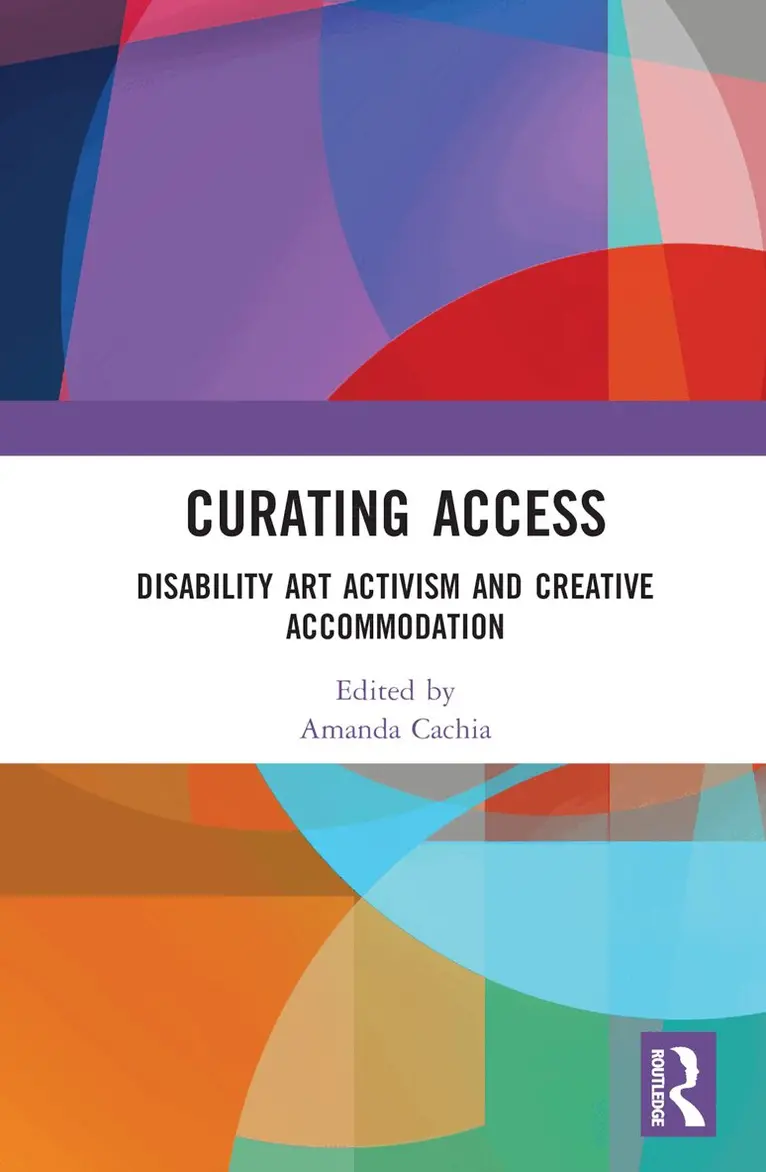
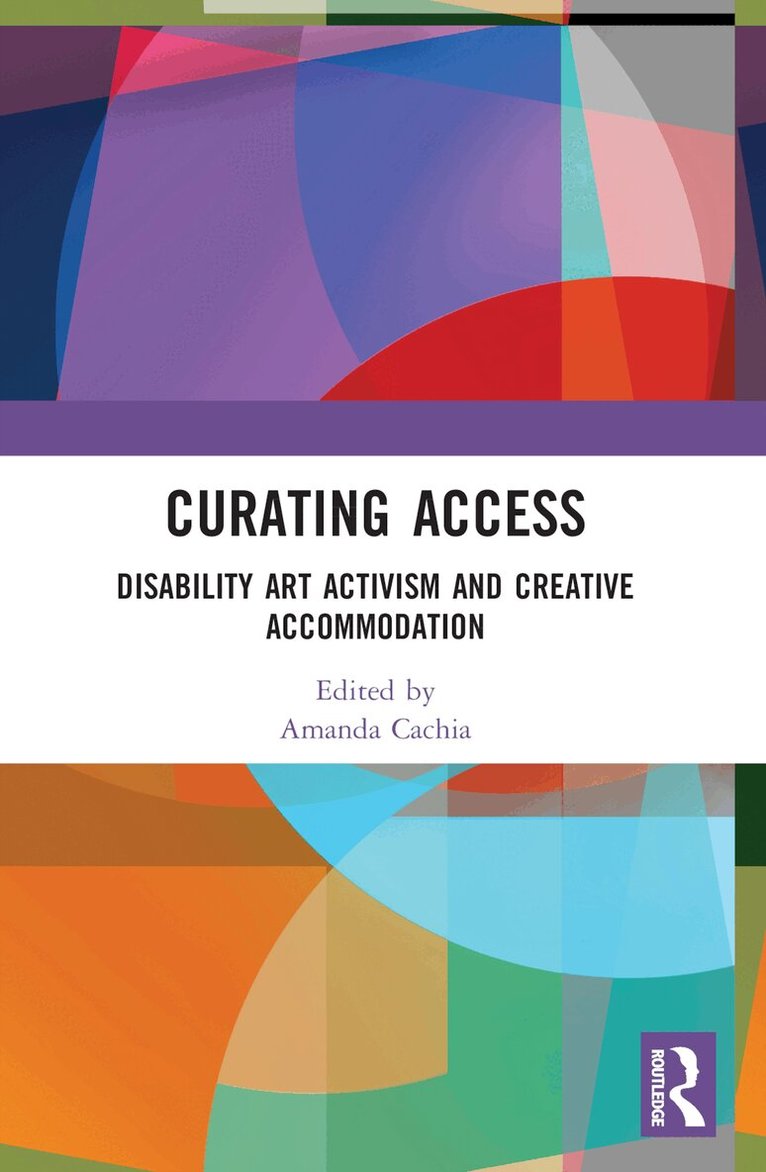
This book is an interdisciplinary collection of twenty-four essays which critically examine contemporary exhibitions and artistic practices that focus on conceptual and creative aspects of access.Oftentimes exhibitions tack on access once the artwork has already been executed and ready to be installed in the museum or gallery. But what if the artists were to ponder access as an integral and critical part of their artwork? Can access be creative and experimental? And furthermore, can the curator also fold access into their practice, while working collaboratively with artists, considering it as a theoretical and practical generative force that seeks to make an exhibition more engaging for a wider diversity of audiences? This volume includes essays by a growing number of artists, curators, and scholars who ponder these ideas of ad-hoc, experimental and underground approaches within exhibition-making and artistic practices. It considers how, through these nascent exhibition models and art practices, enhanced experiences of access in the museum can be a shared responsibility amongst museum workers, curators, and artists, in tandem with the public, so that access becomes a zone of intellectual and creative "accommodation," rather than strictly a discourse on policy. The book provides innovative case studies which provide a template for how access might be implemented by individuals, artists, curators, museum administrators and educators given the growing need to offer as many modalities of access as possible within cultural institutions.This book shows that anyone can be a curator of access and demonstrates how to approach access in a way that goes beyond protocol and policy. It will thus be of interest to students and scholars engaged in the study of museums, art history and visual culture, disability, culture, and communication.
593 kr
Skickas inom 10-15 vardagar
This book is an interdisciplinary collection of twenty-four essays which critically examine contemporary exhibitions and artistic practices that focus on conceptual and creative aspects of access.Oftentimes exhibitions tack on access once the artwork has already been executed and ready to be installed in the museum or gallery. But what if the artists were to ponder access as an integral and critical part of their artwork? Can access be creative and experimental? And furthermore, can the curator also fold access into their practice, while working collaboratively with artists, considering it as a theoretical and practical generative force that seeks to make an exhibition more engaging for a wider diversity of audiences? This volume includes essays by a growing number of artists, curators, and scholars who ponder these ideas of ad-hoc, experimental and underground approaches within exhibition-making and artistic practices. It considers how, through these nascent exhibition models and art practices, enhanced experiences of access in the museum can be a shared responsibility amongst museum workers, curators, and artists, in tandem with the public, so that access becomes a zone of intellectual and creative "accommodation," rather than strictly a discourse on policy. The book provides innovative case studies which provide a template for how access might be implemented by individuals, artists, curators, museum administrators and educators given the growing need to offer as many modalities of access as possible within cultural institutions.This book shows that anyone can be a curator of access and demonstrates how to approach access in a way that goes beyond protocol and policy. It will thus be of interest to students and scholars engaged in the study of museums, art history and visual culture, disability, culture, and communication.
1 036 kr
Skickas inom 7-10 vardagar
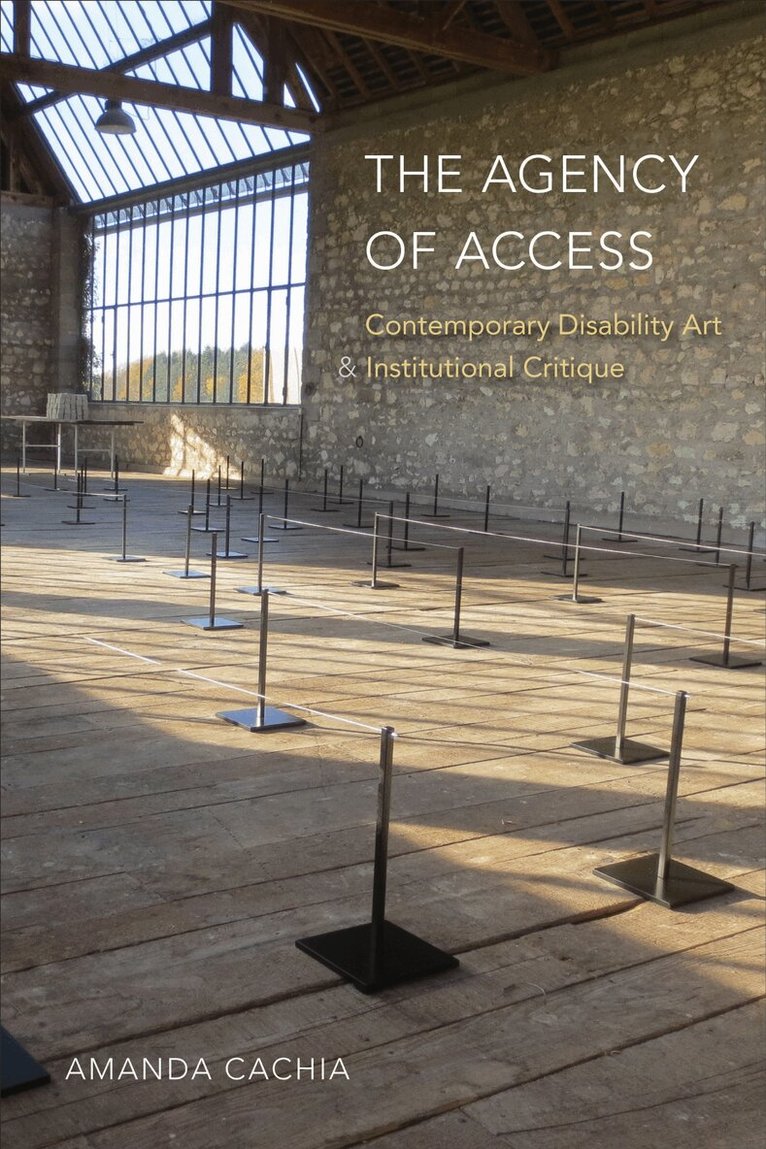
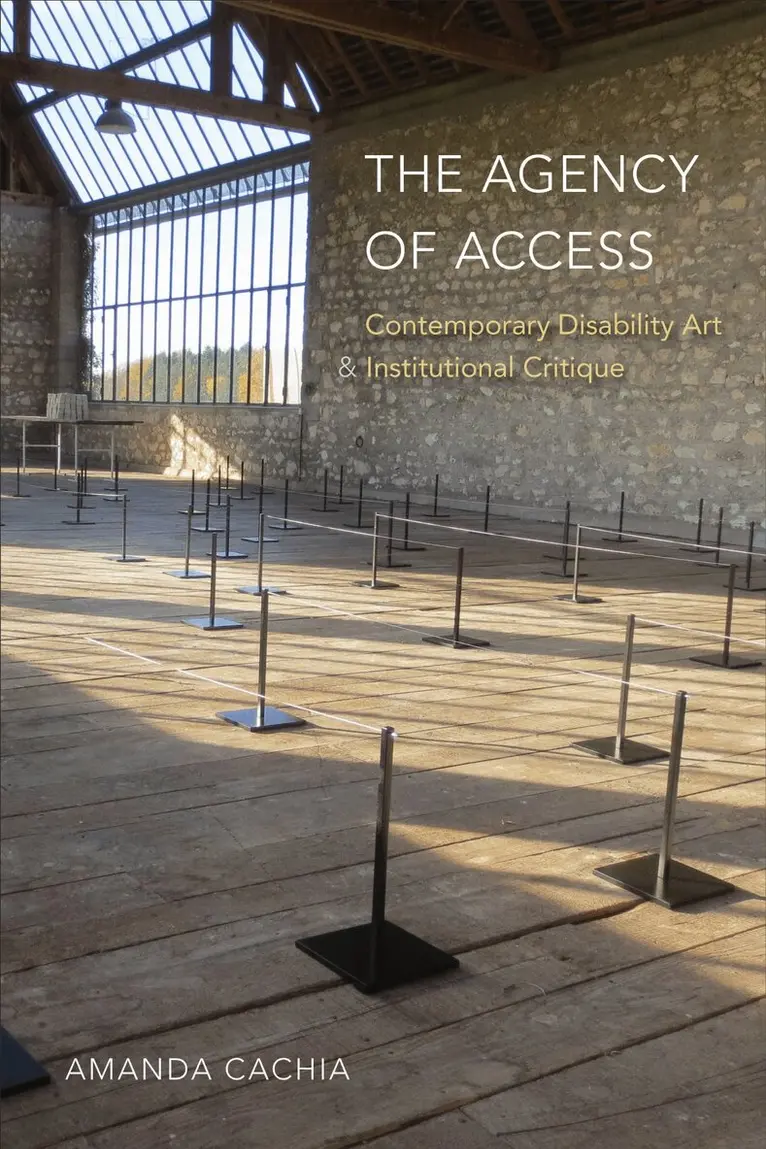
The Agency of Access examines how access can be employed as a methodology for curating art exhibitions using a multi-sensorial approach. Crip curator and art historian Amanda Cachia illustrates how bodies take in information and process stimuli, making the inequities in museums and galleries more transparent. She also argues that, as contemporary disabled artists move away from representations of disability, they create an art of access, or access aesthetics, through works that center translation, sensory expansion, touch, and movement for audiences and offer an experience of “being with” disability.Showcasing artwork by contemporary disabled artists Corban Walker, Christine Sun Kim, and Carmen Papalia, among others, The Agency of Access inscribes contemporary disability art in the broad canon of contemporary art, where the artistic past is regarded differently.Cachia is an outspoken advocate for artists living with sensory disabilities. She understands disabled artists’ experiences in both the world and the gallery. The artists she has curated make bold, astonishing, and compelling statements about interdependency, care, and the ways in which our environment affects disabled, ill, and immunocompromised bodies.
210 kr
Skickas inom 7-10 vardagar
The Agency of Access examines how access can be employed as a methodology for curating art exhibitions using a multi-sensorial approach. Crip curator and art historian Amanda Cachia illustrates how bodies take in information and process stimuli, making the inequities in museums and galleries more transparent. She also argues that, as contemporary disabled artists move away from representations of disability, they create an art of access, or access aesthetics, through works that center translation, sensory expansion, touch, and movement for audiences and offer an experience of “being with” disability.Showcasing artwork by contemporary disabled artists Corban Walker, Christine Sun Kim, and Carmen Papalia, among others, The Agency of Access inscribes contemporary disability art in the broad canon of contemporary art, where the artistic past is regarded differently.Cachia is an outspoken advocate for artists living with sensory disabilities. She understands disabled artists’ experiences in both the world and the gallery. The artists she has curated make bold, astonishing, and compelling statements about interdependency, care, and the ways in which our environment affects disabled, ill, and immunocompromised bodies.
1 202 kr
Skickas inom 5-8 vardagar
Hospital aesthetics: Disability, medicine, activism argues that contemporary disabled artists are offering a new hospital aesthetics, where health and care are being taken into their own hands and body-minds. Hospital aesthetics is defined as artwork that explores the ever-subjective experience of illness, set apart from and outside of a clinical or therapeutic setting, and in opposition to the medical model of disability. The author examines the work of nine contemporary disabled artists and four care collectives from the United States, Canada, and Europe across five chapters, utilising a range of mediums including drawing, sculpture, installation, painting, performance, video, and socially engaged art practice to illustrate “hospital aesthetics.”The visual culture of medicine typically undermines and controls disabled bodies, often resulting in unfavourable physical and psychological outcomes. It is therefore imperative that disabled artists establish a hospital aesthetics to rescript medical images of disability, both past and present, particularly in the context of the COVID-19 pandemic. In doing so, contemporary disabled artists contribute to a form of disability activism that seeks to improve mainstream bioethics as well as ableist museum and gallery culture. Hospital aesthetics presents a different perspective on disabled bodies, aiming to undo the social and cultural impacts hospitals have had on disabled patients, both historically and today.