Amelia Bonea – författare
Visar alla böcker från författaren Amelia Bonea. Handla med fri frakt och snabb leverans.
4 produkter
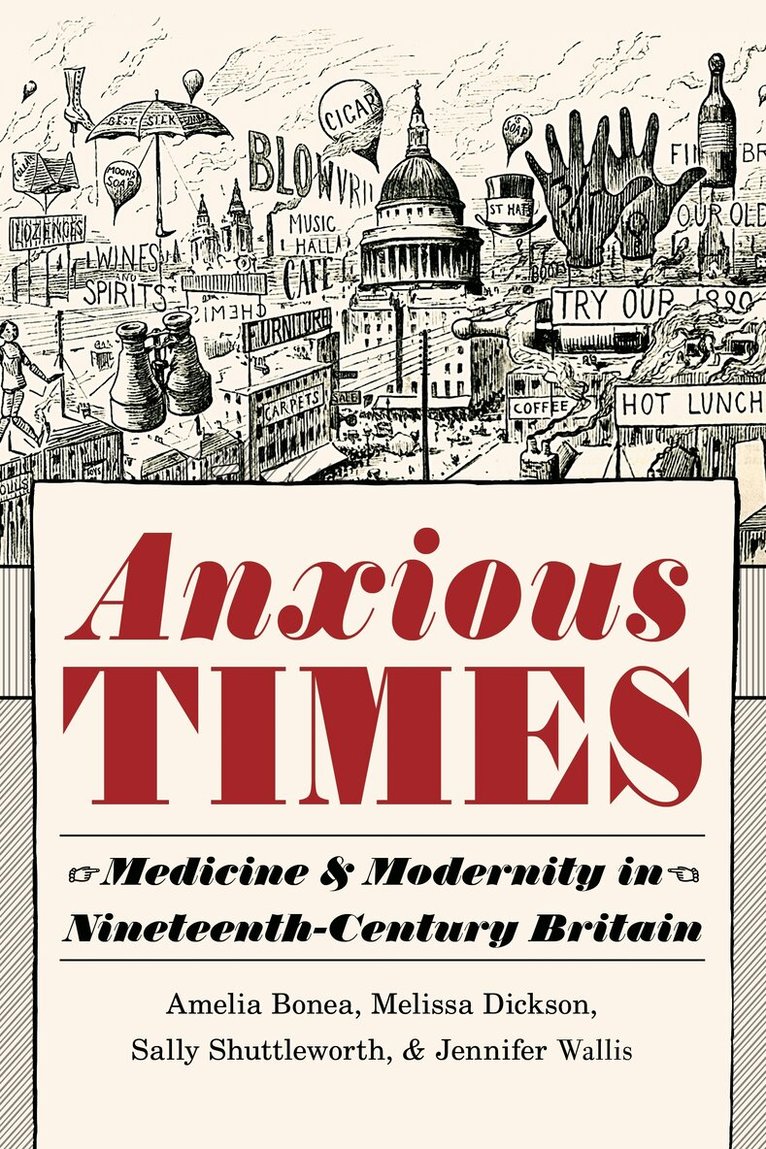
Anxious Times
Medicine and Modernity in Nineteenth-Century Britain
Av Amelia Bonea, Melissa Dickson m. fl.
Inbunden, 2019
935 kr
Lägg i varukorg
Much like the Information Age of the twenty-first century, the Industrial Age was a period of great social changes brought about by rapid industrialization and urbanization, speed of travel, and global communications. The literature, medicine, science, and popular journalism of the nineteenth …
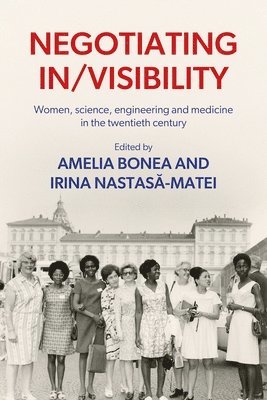
Negotiating in/visibility
Women, science, engineering and medicine in the twentieth century
Av Amelia Bonea, Irina Nastasa-Matei
Inbunden, 2025
448 kr
Lägg i varukorg
This volume brings together scholars from different disciplinary backgrounds to discuss how women contributed to the making, pedagogy, institutionalisation and communication of scientific knowledge in the twentieth century, and to reflect on the theoretical and methodological challenges of …
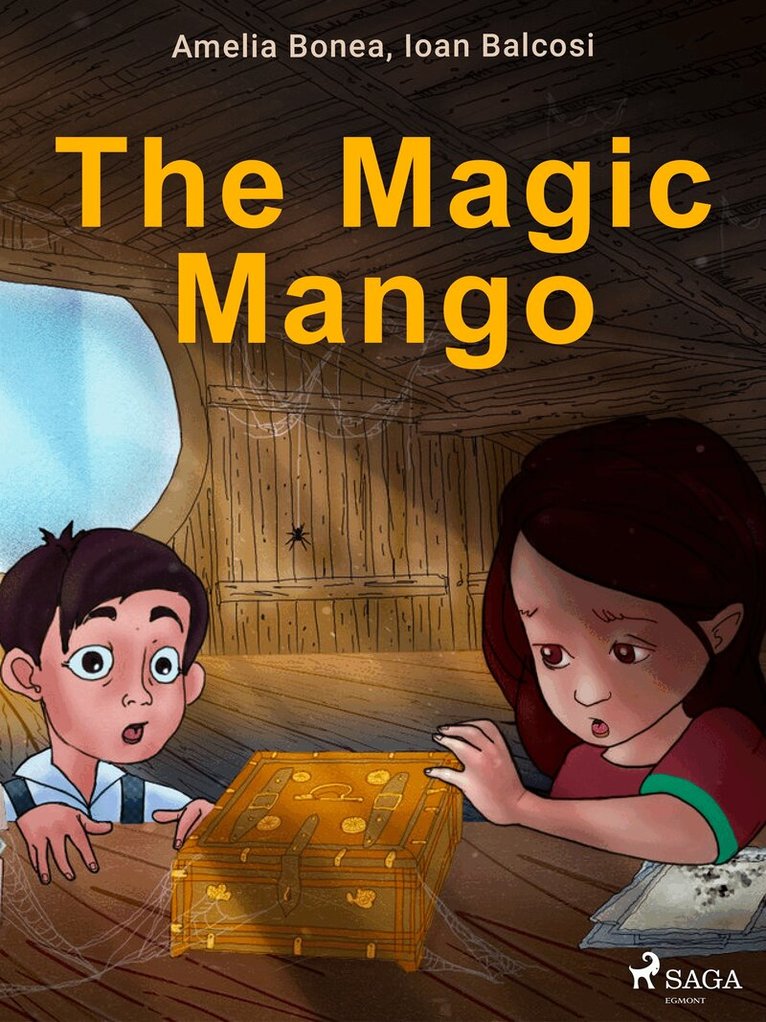
The Magic Mango
E-bok, 2021
38 kr
Lägg i varukorg
One day, Tara and Arun discover an old newspaper in their grandmother's attic. They open it and embark on a historical adventure about a magic mango seed and a little boy who tried to telegraph it from India to London. 'The Magic Mango' (English), written by Amelia Bonea, (© Amelia Bonea, 2018), …
The Magic Mango
Ljudbok, 2021
38 kr
Lägg i varukorg
One day, Tara and Arun discover an old newspaper in their grandmother's attic. They open it and embark on a historical adventure about a magic mango seed and a little boy who tried to telegraph it from India to London. 'The Magic Mango' (English), written by Amelia Bonea, (© Amelia Bonea, 2018), …