Amra Hadžimuhamedović – författare
Visar alla böcker från författaren Amra Hadžimuhamedović. Handla med fri frakt och snabb leverans.
6 produkter
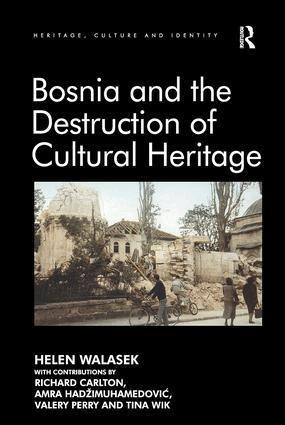
Bosnia and the Destruction of Cultural Heritage
Av Helen Walasek, contributions by Richard Carlton m. fl.
Häftad, 2018
772 kr
Lägg i varukorg
The massive intentional destruction of cultural heritage during the 1992-1995 Bosnian War targeting a historically diverse identity provoked global condemnation and became a seminal marker in the discourse on cultural heritage. It prompted an urgent reassessment of how cultural property could be …
Bosnia and the Destruction of Cultural Heritage
Av Tina Wik, Valery Perry m. fl.
E-bok, 2016
910 kr
Lägg i varukorg
The massive intentional destruction of cultural heritage during the 1992-1995 Bosnian War targeting a historically diverse identity provoked global condemnation and became a seminal marker in the discourse on cultural heritage. It prompted an urgent reassessment of how cultural property could be …
Bosnia and the Destruction of Cultural Heritage
Av Tina Wik, Valery Perry m. fl.
E-bok, 2016
910 kr
Lägg i varukorg
The massive intentional destruction of cultural heritage during the 1992-1995 Bosnian War targeting a historically diverse identity provoked global condemnation and became a seminal marker in the discourse on cultural heritage. It prompted an urgent reassessment of how cultural property could be …
Bosnia and the Destruction of Cultural Heritage
Av Helen Walasek, contributions by Richard Carlton m. fl.
Inbunden, 2015
2504 kr
Lägg i varukorg
The massive intentional destruction of cultural heritage during the 1992-1995 Bosnian War targeting a historically diverse identity provoked global condemnation and became a seminal marker in the discourse on cultural heritage. It prompted an urgent reassessment of how cultural property could be …
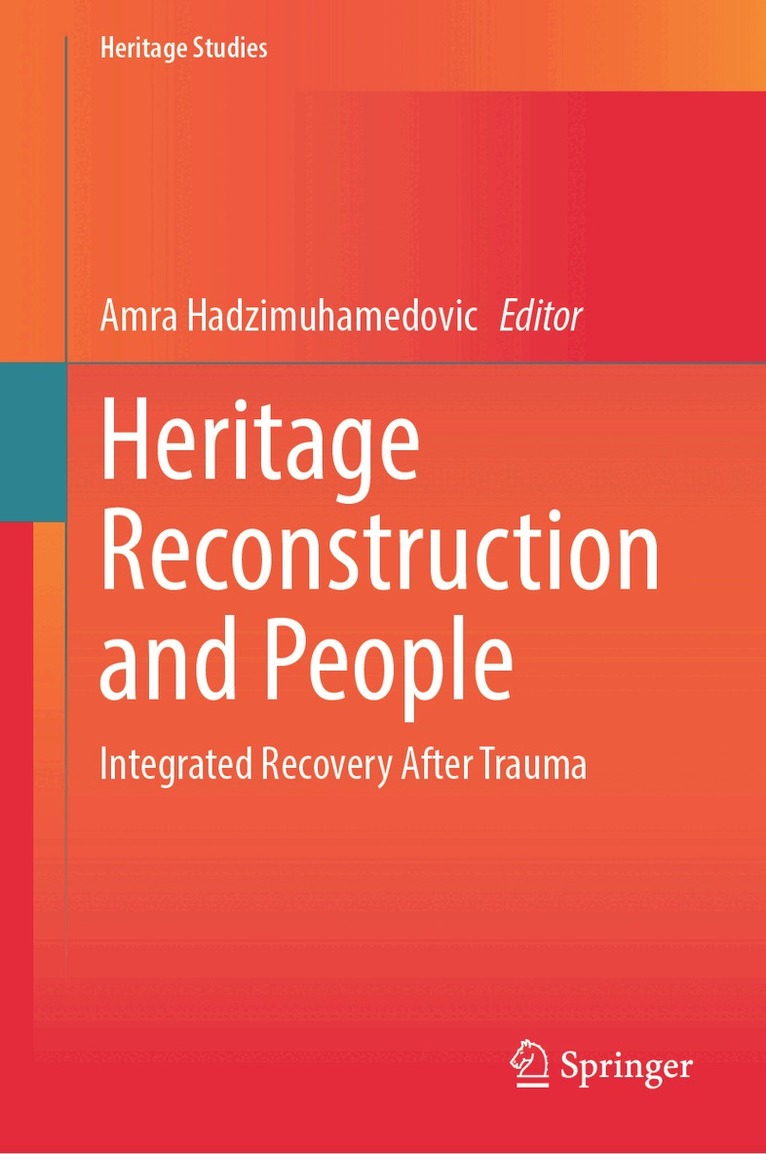
Heritage Reconstruction and People
Integrated Recovery After Trauma
Inbunden, 2027
1795 kr
Kommande
This book examines heritage reconstruction and its relationship to community recovery after cultural trauma. Its content and structure situate it within a new body of theory concerned to shift focus from physical buildings and ensembles to people, from the material to the social. The contributions …
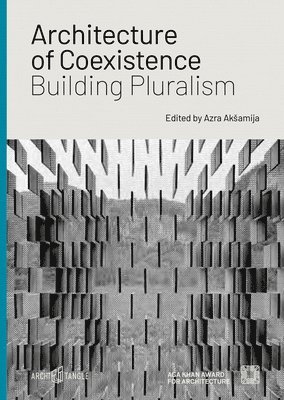
Architecture of Coexistence: Building Pluralism
Av Mohammad al-Asad, Ali S. Asani m. fl.
Inbunden, 2020
734 kr
Lägg i varukorg
Architecture of Coexistence: Building PluralismThis book investigates how architecture can shape an open-minded and inclusive society, highlighting three internationally renowned projects: the White Mosque in Visoko, Bosnia-Herzegovina (1980); the Islamic Cemetery Altach in Altach, Austria (2012); …