Ana Kladnik - Böcker
Visar alla böcker från författaren Ana Kladnik. Handla med fri frakt och snabb leverans.
3 produkter
3 produkter
1 448 kr
Kommande
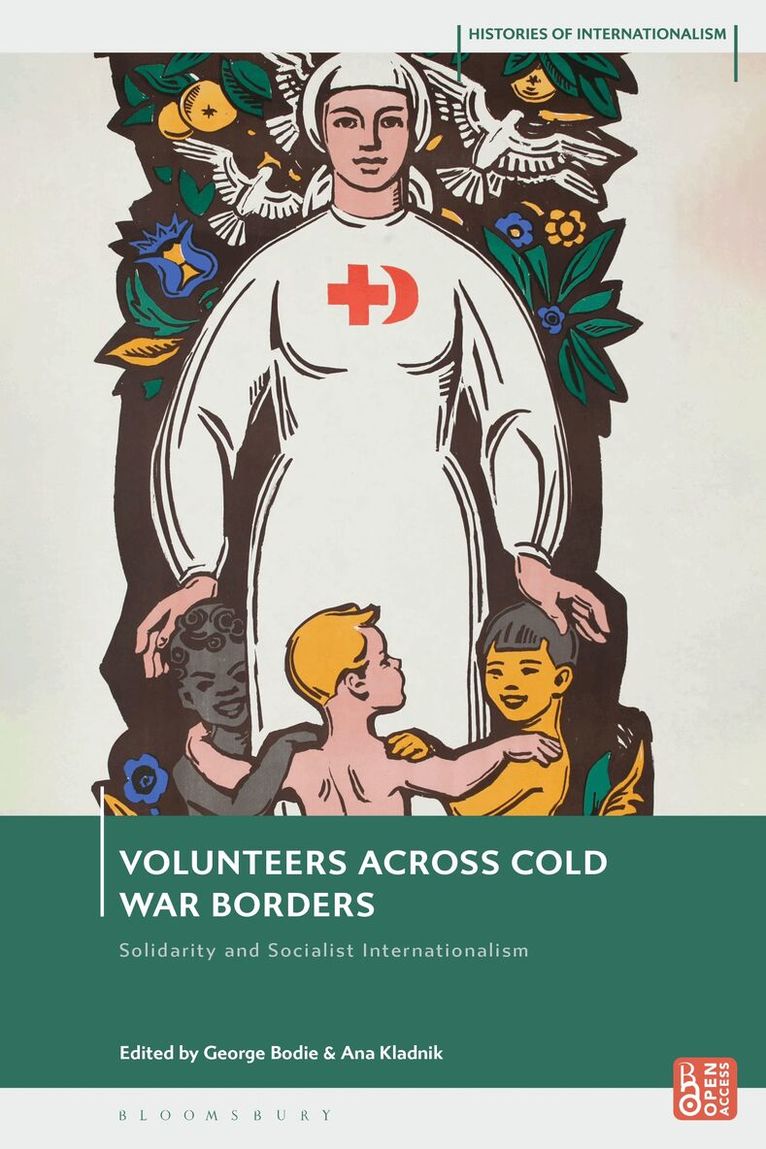
Building on recent advances in our understanding of the history of internationalism in the socialist world, this open access book explores how far the practices of international solidarity were underpinned by voluntarism in multiple contexts. As a fundamental component of everyday life in socialist societies, from the Bolshevik revolution onward, the concept drove a myriad range of activities from shock work and Stakhanovism to local fundraising for civic projects. Through a mixture of compulsion, enticement, social pressure and full-on enforcement alongside popular enthusiasm, it was socialist citizens that drove internationalism; paying for it by donating money, joining solidarity committees or attending meetings.Drawing upon a range of examples and with an expansive geographical focus, this edited volume will return voluntarism to the fore of studies of socialist internationalism, opening up new pathways in the study of the topic and shedding light on the everyday realities of such practices. While existing studies have drawn attention to the official, state-led iterations of internationalism, this volume will instead zoom in on the ordinary citizens who made it happen.The ebook editions of this book are available open access under a CC BY-NC-ND 4.0 licence on bloomsburycollections.com. Open access was funded by University of Graz.
556 kr
Skickas inom 10-15 vardagar
This open access book explores how socialist and post-colonial states envisioned and practised democracy for themselves after the Second World War. While scholarship on democracy has tended to focus on Western political traditions, this book demonstrates that the alternatives to liberal parliamentary democracy were not only widely debated in the countries of the ‘second’ and ‘third’ world, but also put into practice. Contributing to a fertile area of research, this edited collection explores what democracy meant in socialist and post-colonial countries. The chapters focus on the period following the Second World War, when beliefs about democracy included the notion that popular sovereignty should extend beyond the nation-state, that social justice should be enhanced, and that working people were the true bearers of sovereignty. The thirteen chapters in this volume, written by an international team of scholars, include countries in Africa, Asia, Europe and Latin America, and adopt a wide array of methods, ranging from political and social history, social anthropology, and the history of political thought, in order to explore how various meanings and practices of democracy have shaped historical experiences and political order.
Making Sense of Dictatorship
Domination and Everyday Life in East Central Europe after 1945
Inbunden, Engelska, 2022
1 706 kr
Skickas inom 10-15 vardagar
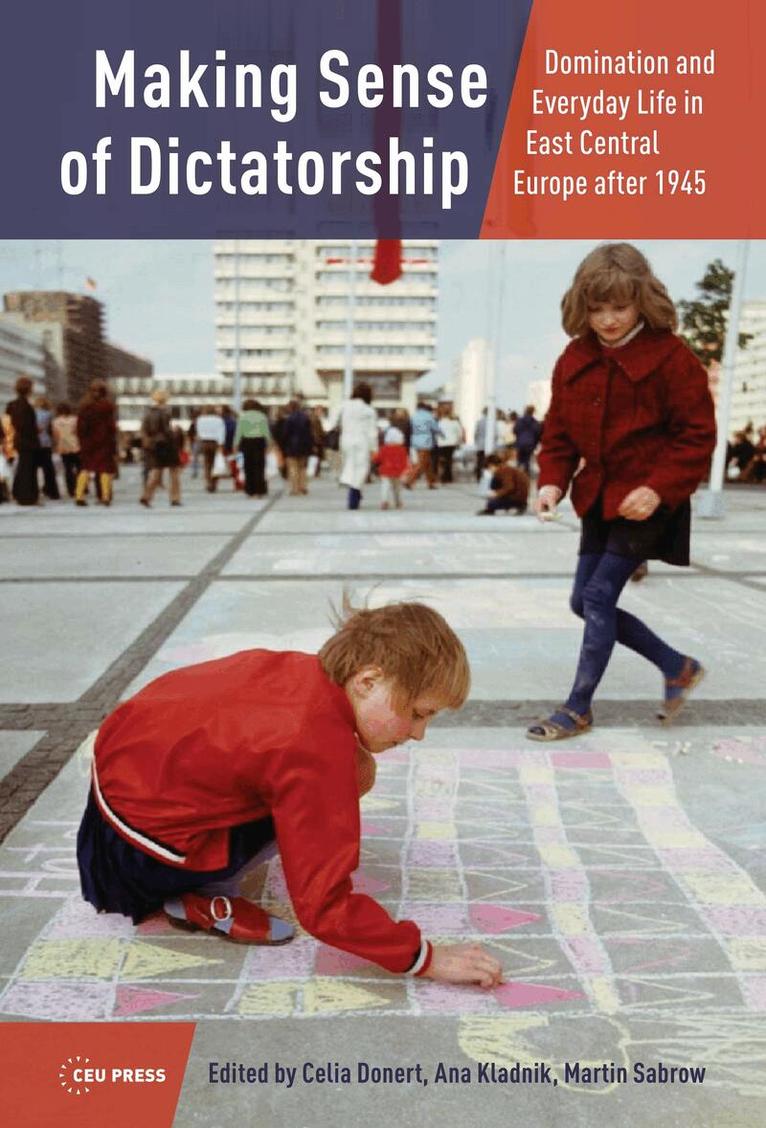
How did political power function in the communist regimes of East Central Europe after 1945? Making Sense of Dictatorship addresses this question with a particular focus on the acquiescent behavior of the majority of the population until, at the end of the 1980s, their rejection of state socialism and its authoritarian world.The authors refer to the concept of Sinnwelt, the way in which groups and individuals made sense of the world around them. The essays focus on the dynamics of everyday life and the extent to which the relationship between citizens and the state was collaborative or antagonistic. Each chapter addresses a different aspect of life in this period, including modernization, consumption and leisure, and the everyday experiences of “ordinary people,” single mothers, or those adopting alternative lifestyles.Empirically rich and conceptually original, the essays in this volume suggest new ways to understand how people make sense of everyday life under dictatorial regimes.