Celia Donert – författare
Visar alla böcker från författaren Celia Donert. Handla med fri frakt och snabb leverans.
8 produkter
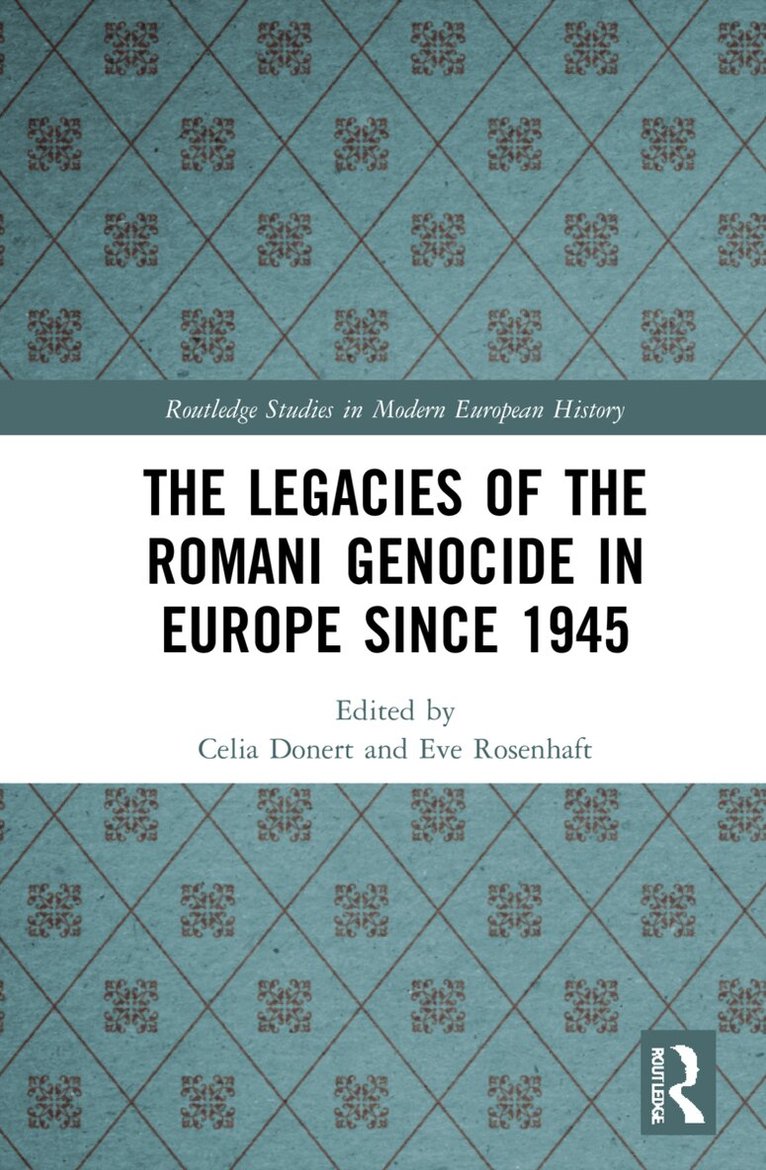
Legacies of the Romani Genocide in Europe since 1945
Av Celia Donert, Eve Rosenhaft
Inbunden, 2021
2586 kr
Lägg i varukorg
This book explores the legacies of the genocide of Roma in Europe after the end of the Second World War. Hundreds of thousands of people labelled as ‘Gypsies’ were persecuted or killed in Nazi Germany and across occupied Europe between 1933 and 1945. In many places, discrimination continued after …
Legacies of the Romani Genocide in Europe since 1945
Av Eve Rosenhaft, Celia Donert
E-bok, 2021
760 kr
Lägg i varukorg
This book explores the legacies of the genocide of Roma in Europe after the end of the Second World War. Hundreds of thousands of people labelled as ‘Gypsies’ were persecuted or killed in Nazi Germany and across occupied Europe between 1933 and 1945. In many places, discrimination continued after …
Legacies of the Romani Genocide in Europe since 1945
Av Eve Rosenhaft, Celia Donert
E-bok, 2021
785 kr
Lägg i varukorg
This book explores the legacies of the genocide of Roma in Europe after the end of the Second World War. Hundreds of thousands of people labelled as ‘Gypsies’ were persecuted or killed in Nazi Germany and across occupied Europe between 1933 and 1945. In many places, discrimination continued after …
Women's Rights and Global Socialism: Volume 30, Part 1
Av Celia Donert, Christine Moll-Murata
Häftad, 2022
346 kr
Lägg i varukorg
Women's emancipation was a central but contested pillar of socialist and communist internationalism during the twentieth century. The collapse of state socialism has led to renewed interest in the history and legacies of women's movements across the former socialist world during the era of …
Legacies of the Romani Genocide in Europe since 1945
Av Celia Donert, Eve Rosenhaft
Häftad, 2023
667 kr
Lägg i varukorg
This book explores the legacies of the genocide of Roma in Europe after the end of the Second World War. Hundreds of thousands of people labelled as ‘Gypsies’ were persecuted or killed in Nazi Germany and across occupied Europe between 1933 and 1945. In many places, discrimination continued after …
The Rights of the Roma
The Struggle for Citizenship in Postwar Czechoslovakia
Av Celia Donert
Inbunden, 2017
1643 kr
Lägg i varukorg
The Rights of the Roma writes Romani struggles for citizenship into the history of human rights in socialist and post-socialist Eastern Europe. If Roma have typically appeared in human rights narratives as victims, Celia Donert here draws on extensive original research in Czech and Slovak archives, …
The Rights of the Roma
The Struggle for Citizenship in Postwar Czechoslovakia
Av Celia Donert
Häftad, 2020
586 kr
Lägg i varukorg
The Rights of the Roma writes Romani struggles for citizenship into the history of human rights in socialist and post-socialist Eastern Europe. If Roma have typically appeared in human rights narratives as victims, Celia Donert here draws on extensive original research in Czech and Slovak archives, …
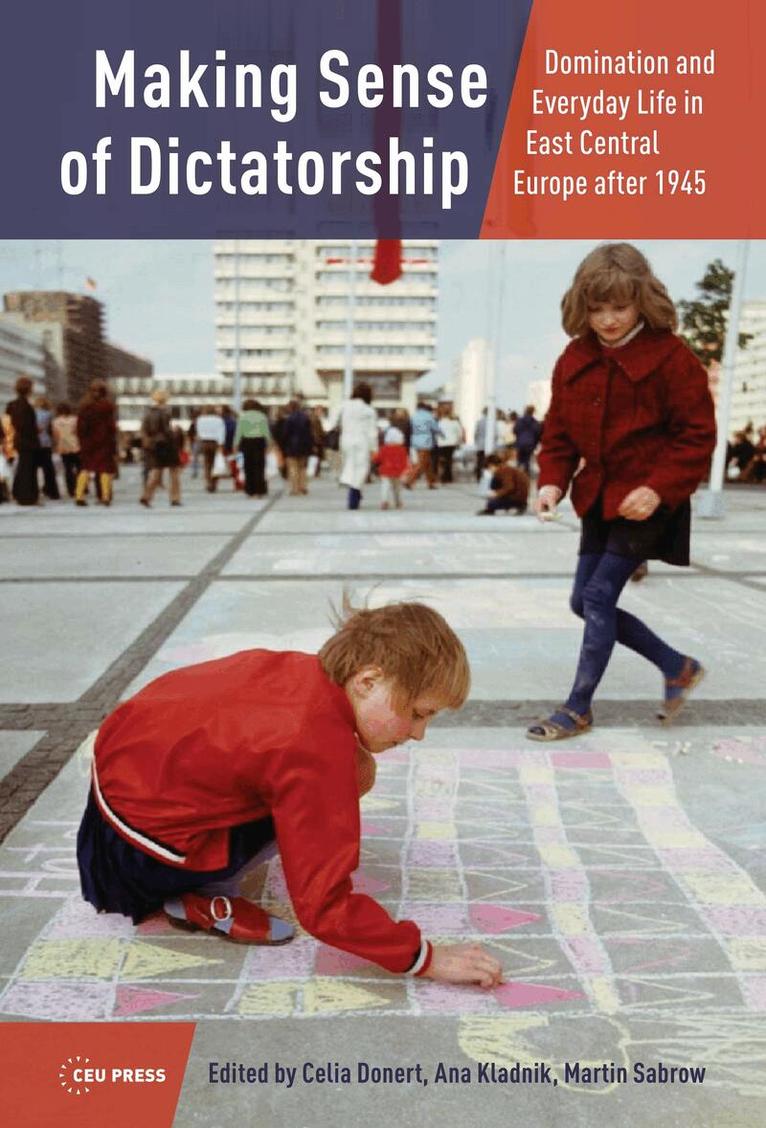
Making Sense of Dictatorship
Domination and Everyday Life in East Central Europe after 1945
Av Celia Donert, Ana Kladnik m. fl.
Inbunden, 2022
1846 kr
Lägg i varukorg
How did political power function in the communist regimes of East Central Europe after 1945? Making Sense of Dictatorship addresses this question with a particular focus on the acquiescent behavior of the majority of the population until, at the end of the 1980s, their rejection of state socialism …