Ana María León - Böcker
Visar alla böcker från författaren Ana María León. Handla med fri frakt och snabb leverans.
3 produkter
3 produkter
1 890 kr
Kommande
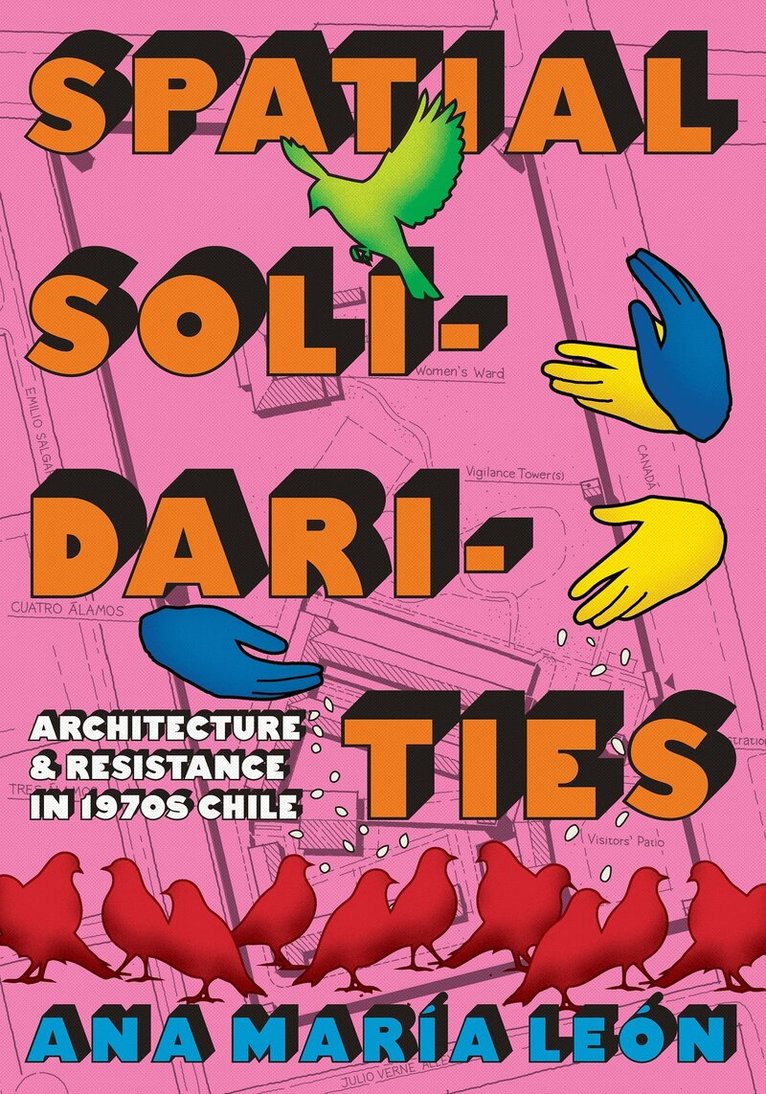
Between 1973 and 1990, the authoritarian military dictatorship of Chile maintained its control through a network of detention and torture centers designed to create fear and isolation. Spatial Solidarities illuminates how architects, artists, activists, and other political agents resisted the Chilean regime through spatial practices. Within these spaces, prisoners responded creatively: producing drawings, performances, and architectural projects; rearranging their bodies and living areas; and connecting through songs, shadows, and mutual care. They collected resources, created systems of mutual aid, and smuggled out site plans and names to expose the regime’s crimes. Some imagined their detention centers as free towns, reversing the logic of imprisonment through theatrical acts. These cultural responses, Ana María León argues, are forms of spatial solidarity—acts of connection, care, and imagination. By focusing on spatial history, León reclaims the experiences of the disappeared through the spaces they shaped, conveying how architecture can be a tool for resistance, justice, and collective survival.
625 kr
Kommande
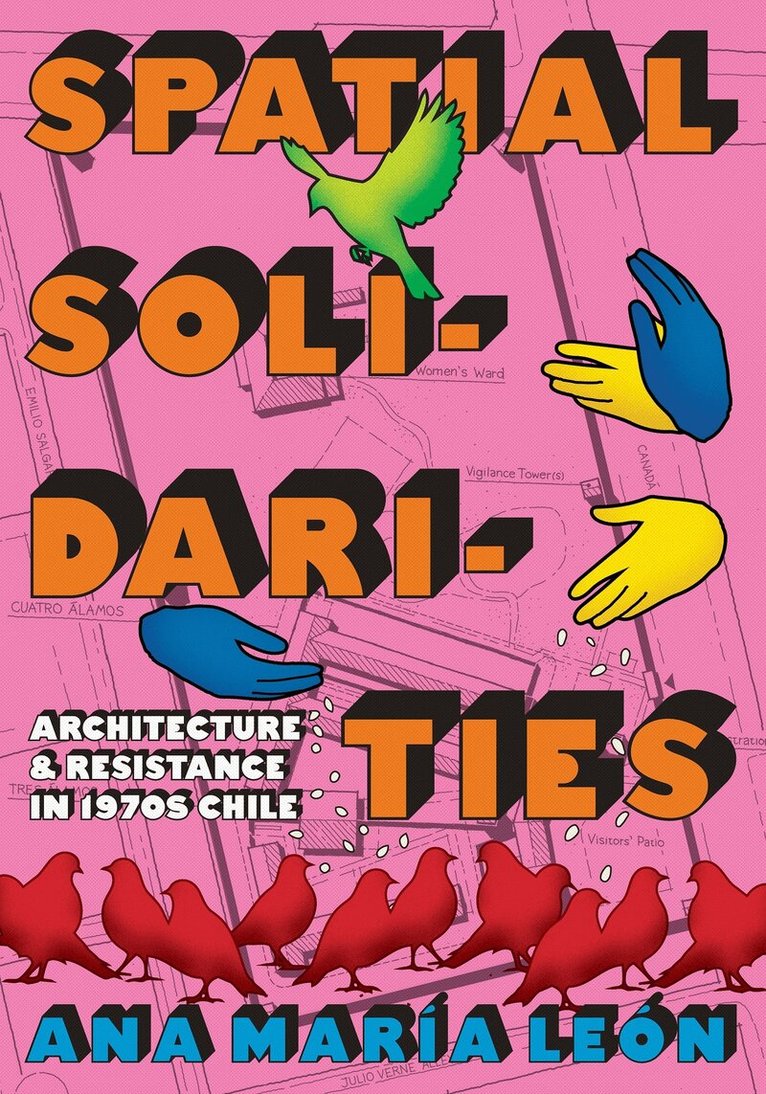
Between 1973 and 1990, the authoritarian military dictatorship of Chile maintained its control through a network of detention and torture centers designed to create fear and isolation. Spatial Solidarities illuminates how architects, artists, activists, and other political agents resisted the Chilean regime through spatial practices. Within these spaces, prisoners responded creatively: producing drawings, performances, and architectural projects; rearranging their bodies and living areas; and connecting through songs, shadows, and mutual care. They collected resources, created systems of mutual aid, and smuggled out site plans and names to expose the regime’s crimes. Some imagined their detention centers as free towns, reversing the logic of imprisonment through theatrical acts. These cultural responses, Ana María León argues, are forms of spatial solidarity—acts of connection, care, and imagination. By focusing on spatial history, León reclaims the experiences of the disappeared through the spaces they shaped, conveying how architecture can be a tool for resistance, justice, and collective survival.
566 kr
Skickas inom 11-20 vardagar
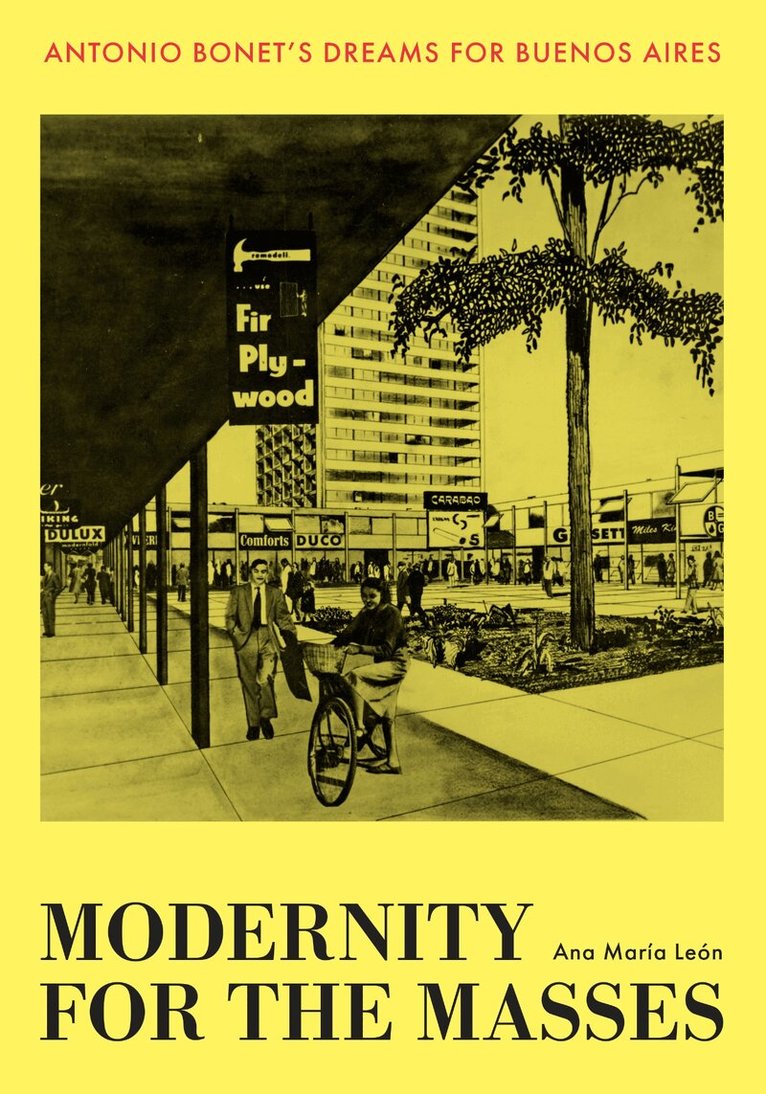
2022 PROSE Award Finalist in Architecture and Urban Planning2022 Association for Latin American Art Arvey Foundation Book Award, Honorable MentionThroughout the early twentieth century, waves of migration brought working-class people to the outskirts of Buenos Aires. This prompted a dilemma: Where should these restive populations be situated relative to the city’s spatial politics? Might housing serve as a tool to discipline their behavior?Enter Antonio Bonet, a Catalan architect inspired by the transatlantic modernist and surrealist movements. Ana MarÍa LeÓn follows Bonet's decades-long, state-backed quest to house Buenos Aires's diverse and fractious population. Working with totalitarian and populist regimes, Bonet developed three large-scale housing plans, each scuttled as a new government took over. Yet these incomplete plans-Bonet's dreams-teach us much about the relationship between modernism and state power.Modernity for the Masses finds in Bonet's projects the disconnect between modern architecture’s discourse of emancipation and the reality of its rationalizing control. Although he and his patrons constantly glorified the people and depicted them in housing plans, Bonet never consulted them. Instead he succumbed to official and elite fears of the people's latent political power. In careful readings of Bonet's work, LeÓn discovers the progressive erasure of surrealism's psychological sensitivity, replaced with an impulse, realized in modernist design, to contain the increasingly empowered population.