Ana Rodríguez Navas - Böcker
Visar alla böcker från författaren Ana Rodríguez Navas. Handla med fri frakt och snabb leverans.
3 produkter
3 produkter
1 067 kr
Skickas inom 10-15 vardagar
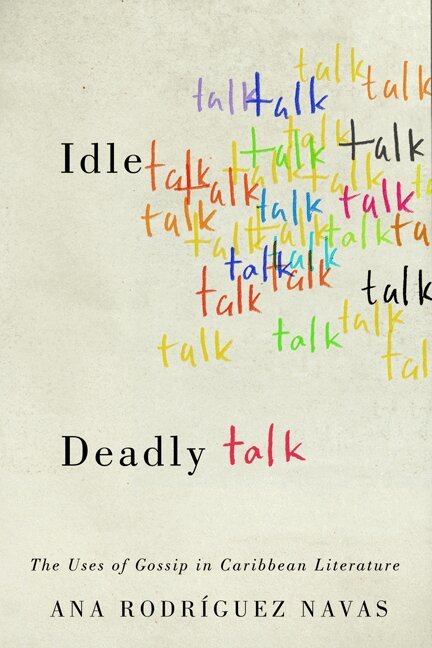
Chaucer called it ""spiritual manslaughter""; Barthes and Benjamin deemed it dangerous linguistic nihilism. But gossip-long derided and dismissed by writers and intellectuals-is far from frivolous. In Idle Talk, Deadly Talk, Ana Rodríguez Navas reveals gossip to be an urgent, utilitarian, and deeply political practice-a means of staging the narrative tensions, and waging the narrative battles, that mark Caribbean politics and culture. From the calypso singer's superficially innocent rhymes to the vicious slanders published in Trujillo-era gossip columns, words have been weapons, elevating one person or group at the expense of another. Revising the overly gendered existing critical frame, Rodríguez Navas argues that gossip is a fundamentally adversarial practice. Just as whispers and hearsay corrosively define and surveil identities, they also empower writers to skirt sanitized, monolithic historical accounts by weaving alternative versions of their nations' histories from this self-governing discursive material. Reading recent fiction from the Hispanic, Anglophone, and Francophone Caribbean and their diasporas, alongside poetry, song lyrics, journalism, memoirs, and political essays, Idle Talk, Deadly Talk maps gossip's place in the Caribbean and reveals its rich possibilities as both literary theme and narrative device. As a means for mediating contested narratives, both public and private, gossip emerges as a vital resource for scholars and writers grappling with the region's troubled history.
484 kr
Skickas inom 10-15 vardagar
Chaucer called it ""spiritual manslaughter""; Barthes and Benjamin deemed it dangerous linguistic nihilism. But gossip-long derided and dismissed by writers and intellectuals-is far from frivolous. In Idle Talk, Deadly Talk, Ana Rodríguez Navas reveals gossip to be an urgent, utilitarian, and deeply political practice-a means of staging the narrative tensions, and waging the narrative battles, that mark Caribbean politics and culture. From the calypso singer's superficially innocent rhymes to the vicious slanders published in Trujillo-era gossip columns, words have been weapons, elevating one person or group at the expense of another. Revising the overly gendered existing critical frame, Rodríguez Navas argues that gossip is a fundamentally adversarial practice. Just as whispers and hearsay corrosively define and surveil identities, they also empower writers to skirt sanitized, monolithic historical accounts by weaving alternative versions of their nations' histories from this self-governing discursive material. Reading recent fiction from the Hispanic, Anglophone, and Francophone Caribbean and their diasporas, alongside poetry, song lyrics, journalism, memoirs, and political essays, Idle Talk, Deadly Talk maps gossip's place in the Caribbean and reveals its rich possibilities as both literary theme and narrative device. As a means for mediating contested narratives, both public and private, gossip emerges as a vital resource for scholars and writers grappling with the region's troubled history.
1 324 kr
Skickas inom 10-15 vardagar
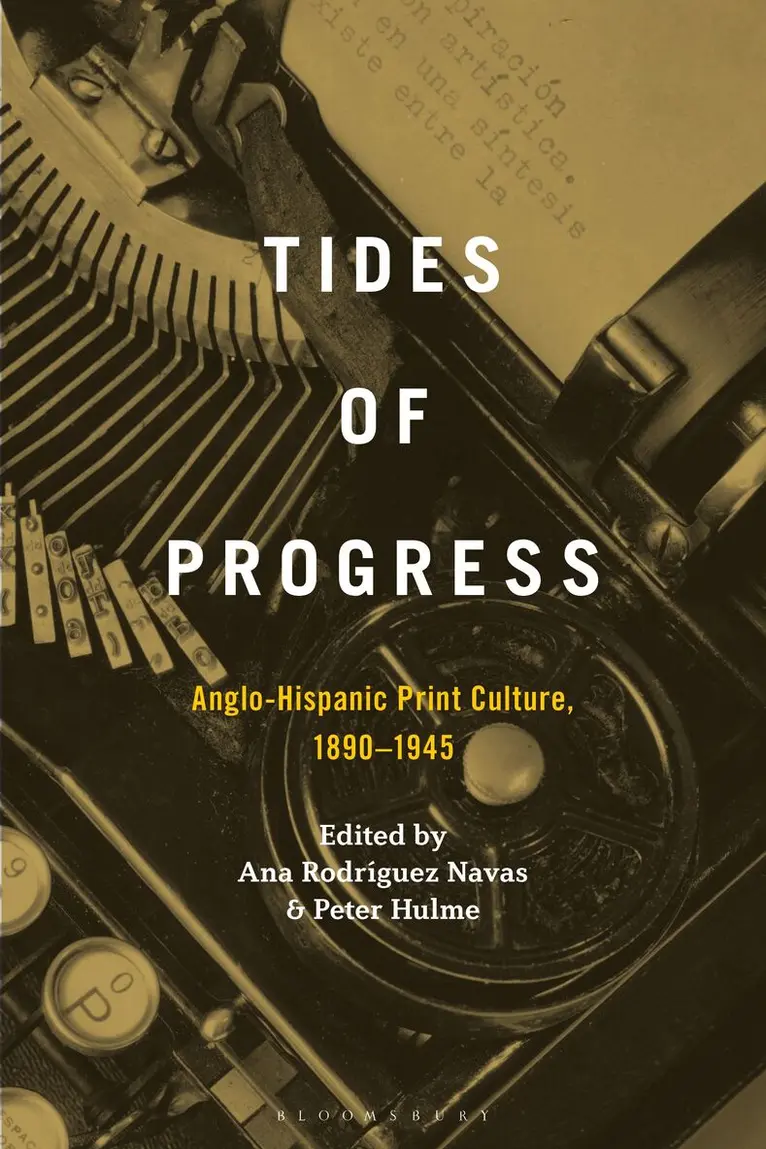
The first study of Anglo-Hispanic exchanges in print culture between the Spanish-American War and the Spanish Civil War, surfacing new archival materials to shed light on global modernities and regional interactions.Tides of Progress studies the connections, interactions, and mutual appraisals between the Hispanic and Anglo spheres during a critical period in which print culture evolved from the province of the lettered few into a mass-media phenomenon. Print culture is increasingly gaining recognition as a fruitful area for literary study and literary history, and this volume’s comparative approach significantly expands the scope of current scholarship. Across all the main venues of the book – New York, Mexico City, San Juan, Buenos Aires, Kingston, Panama City, Guadalajara – periodicals flourished, borrowing and translating freely across linguistic boundaries. In some cases, they simply imported ideas; in others, they offered translated texts, ran columns in the other language, or even produced fully bilingual editions. Ideas of progress were reframed by translation, and they were often coded as ‘modernity’ in terms of consumer products or ‘modernism’ in literary texts, in contradistinction to more local forms such as literary modernismo.Tides of Progress provides compelling insights into – and challenges assumptions about – some of the region’s key literary figures while also surfacing significant new archival materials. The volume’s authors collectively present print culture as becoming one of the most visible ways through which modernity and ideas of progress were encountered, consumed, shared, and assimilated by the public, in both the Anglo and Hispanic spheres.