Anastasia Salter - Böcker
Visar alla böcker från författaren Anastasia Salter. Handla med fri frakt och snabb leverans.
17 produkter
17 produkter
149 kr
Skickas inom 7-10 vardagar
A powerful exploration of the importance and social complexity of the indie gaming sensation On the surface, the 2015 game Undertale didn’t seem like much, supported by fan funding and with minimalist retro graphics. But despite its pixelated monsters and dated role-playing mechanics, Undertale invited fans and players to rethink their very relationship with gaming and game characters. Players encountered an extraordinary range of possible play experiences, with paths through the game’s unassuming world leading to both empathy and extreme violence, offering room for reflection and growth. Players could befriend (sometimes queer) monsters or kill them, for instance, appealing to each monster’s unique personality to negotiate survival and find community. Contextualizing this game’s success in the wake of the Gamergate online harassment campaign and meditating on questions of violence and authenticity, writer and game scholar Anastasia Salter offers a profound exploration of this game sensation and a personal story of hope at a time when Salter was otherwise “done” with games. Undertale’s unique structure helped make it synonymous with “indie” games, built outside of the studio as a passion project and inspiring similar passion among its many fans even a decade later. But Undertale’s story also speaks to an auteur dream: What game developer Toby Fox and his collaborators accomplished on a small budget, with relatively simple tools, has left people replaying, arguing, and creating in its wake. As we enter a cultural moment where intense interest is shifting towards flashy creativity, powered by generative artificial intelligence, Undertale reminds fans and newcomers of the power of thoughtful and intentional human design.
912 kr
Skickas inom 7-10 vardagar
A powerful exploration of the importance and social complexity of the indie gaming sensation On the surface, the 2015 game Undertale didn’t seem like much, supported by fan funding and with minimalist retro graphics. But despite its pixelated monsters and dated role-playing mechanics, Undertale invited fans and players to rethink their very relationship with gaming and game characters. Players encountered an extraordinary range of possible play experiences, with paths through the game’s unassuming world leading to both empathy and extreme violence, offering room for reflection and growth. Players could befriend (sometimes queer) monsters or kill them, for instance, appealing to each monster’s unique personality to negotiate survival and find community. Contextualizing this game’s success in the wake of the Gamergate online harassment campaign and meditating on questions of violence and authenticity, writer and game scholar Anastasia Salter offers a profound exploration of this game sensation and a personal story of hope at a time when Salter was otherwise “done” with games. Undertale’s unique structure helped make it synonymous with “indie” games, built outside of the studio as a passion project and inspiring similar passion among its many fans even a decade later. But Undertale’s story also speaks to an auteur dream: What game developer Toby Fox and his collaborators accomplished on a small budget, with relatively simple tools, has left people replaying, arguing, and creating in its wake. As we enter a cultural moment where intense interest is shifting towards flashy creativity, powered by generative artificial intelligence, Undertale reminds fans and newcomers of the power of thoughtful and intentional human design.
255 kr
Tillfälligt slut
2 029 kr
Skickas inom 10-15 vardagar
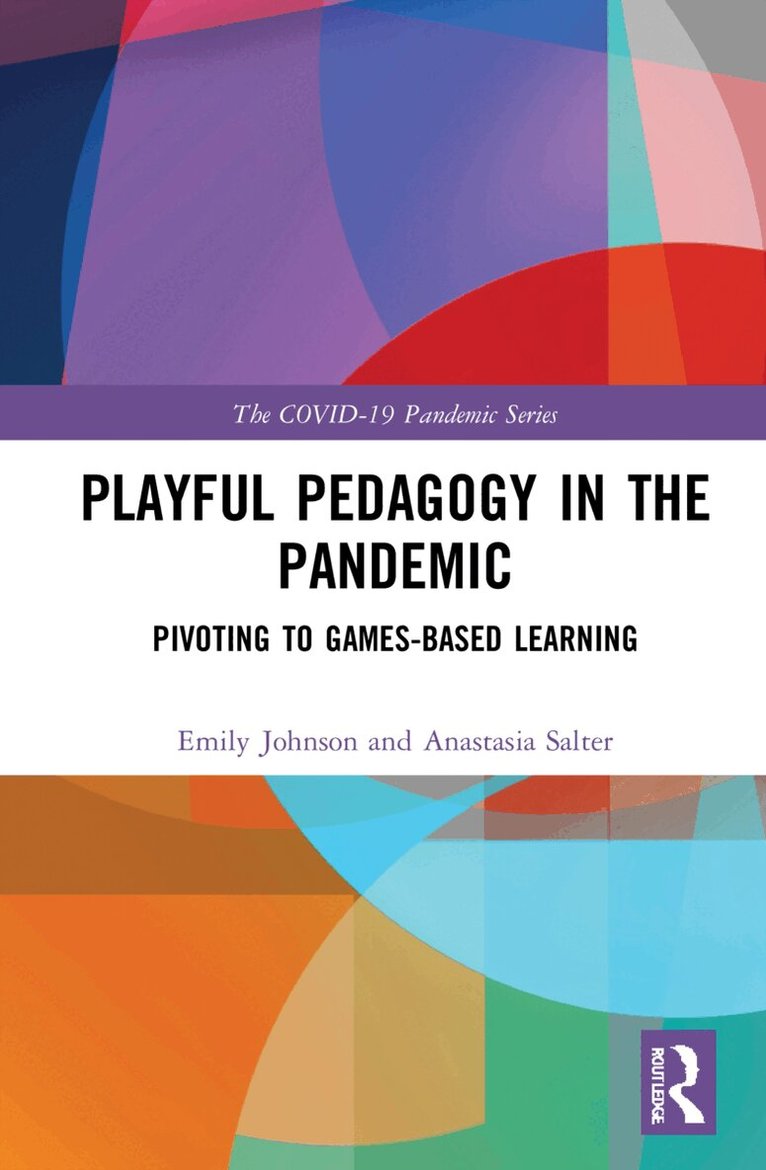
Educational technology adoption is more widespread than ever in the wake of COVID-19, as corporations have commodified student engagement in makeshift packages marketed as gamification. This book seeks to create a space for playful learning in higher education, asserting the need for a pedagogy of care and engagement as well as collaboration with students to help us reimagine education outside of prescriptive educational technology. Virtual learning has turned the course management system into the classroom, and business platforms for streaming video have become awkward substitutions for lecture and discussion. Gaming, once heralded as a potential tool for rethinking our relationship with educational technology, is now inextricably linked in our collective understanding to challenges of misogyny, white supremacy, and the circulation of misinformation. The initial promise of games-based learning seems to linger only as gamification, a form of structuring that creates mechanisms and incentives but limits opportunity for play. As higher education teeters on the brink of unprecedented crisis, this book proclaims the urgent need to find a space for playful learning and to find new inspiration in the platforms and interventions of personal gaming, and in turn restructure the corporatized, surveilling classroom of a gamified world.Through an in-depth analysis of the challenges and opportunities presented by pandemic pedagogy, this book reveals the conditions that led to the widespread failure of adoption of games-based learning and offers a model of hope for a future driven by new tools and platforms for personal, experimental game-making as intellectual inquiry.
560 kr
Skickas inom 10-15 vardagar
Educational technology adoption is more widespread than ever in the wake of COVID-19, as corporations have commodified student engagement in makeshift packages marketed as gamification. This book seeks to create a space for playful learning in higher education, asserting the need for a pedagogy of care and engagement as well as collaboration with students to help us reimagine education outside of prescriptive educational technology. Virtual learning has turned the course management system into the classroom, and business platforms for streaming video have become awkward substitutions for lecture and discussion. Gaming, once heralded as a potential tool for rethinking our relationship with educational technology, is now inextricably linked in our collective understanding to challenges of misogyny, white supremacy, and the circulation of misinformation. The initial promise of games-based learning seems to linger only as gamification, a form of structuring that creates mechanisms and incentives but limits opportunity for play. As higher education teeters on the brink of unprecedented crisis, this book proclaims the urgent need to find a space for playful learning and to find new inspiration in the platforms and interventions of personal gaming, and in turn restructure the corporatized, surveilling classroom of a gamified world.Through an in-depth analysis of the challenges and opportunities presented by pandemic pedagogy, this book reveals the conditions that led to the widespread failure of adoption of games-based learning and offers a model of hope for a future driven by new tools and platforms for personal, experimental game-making as intellectual inquiry.
Portrait of the Auteur As Fanboy
The Construction of Authorship in Transmedia Franchises
Inbunden, Engelska, 2020
1 181 kr
Skickas inom 10-15 vardagar
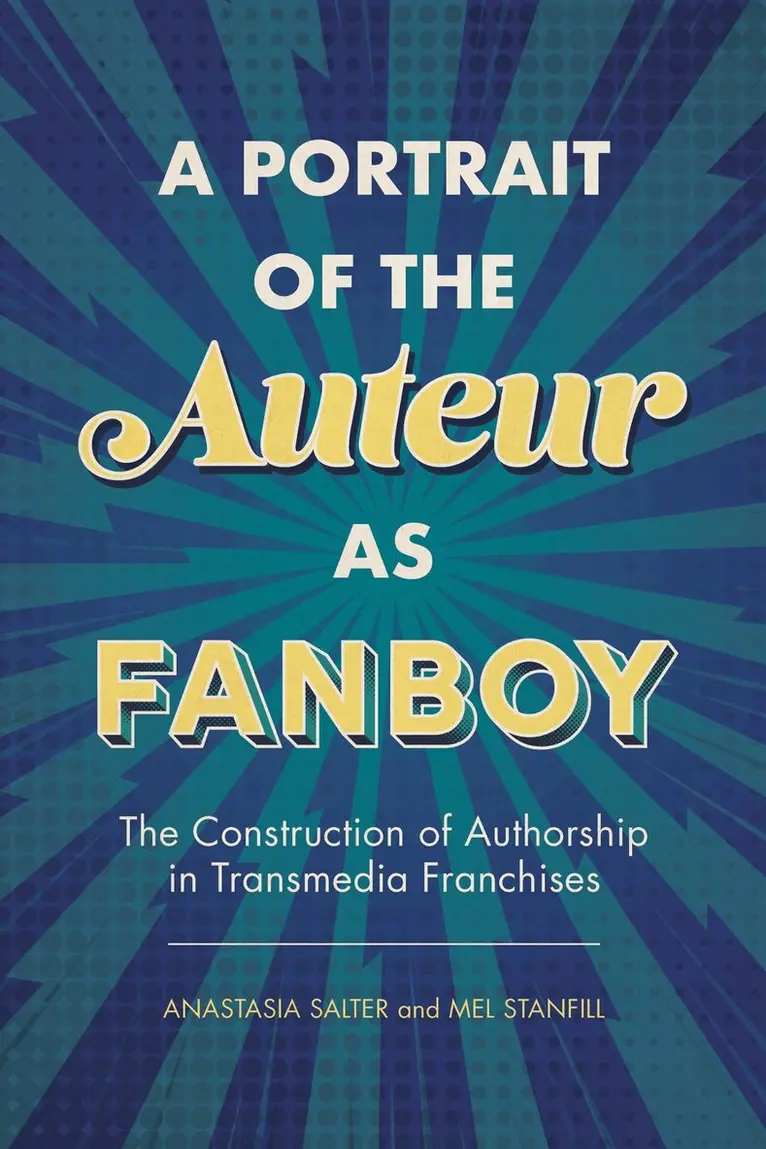
Increasingly over the past decade, fan credentials on the part of writers, directors, and producers have come to be seen as a guarantee of quality media making - the "fanboy auteur". Figures like Joss Whedon are both one of "us" and one of "them". This is a strategy of marketing and branding - it is a claim from the auteur himself or industry PR machines that the presence of an auteur who is also a fan means the product is worth consuming. Such claims that fan credentials guarantee quality are often contested, with fans and critics alike rejecting various auteur figures as the true leader of their respective franchises. That split, between assertions of fan and auteur status and acceptance (or not) of that status, is key to unravelling the fan auteur.In A Portrait of the Auteur as Fanboy: The Construction of Authorship in Transmedia Franchises, authors Anastasia Salter and Mel Stanfill examine this phenomenon through a series of case studies featuring fanboys. The volume discusses both popular fanboys, such as J.J. Abrams, Kevin Smith, and Joss Whedon, as well as fangirls like J.K. Rowling, E.L. James, and Patty Jenkins, and dissects how the fanboy-fangirl auteur dichotomy is constructed and defended by popular media and fans in online spaces, and how this discourse has played in maintaining the exclusionary status quo of geek culture.This book is particularly timely given current discourse, including such incidents as the controversy surrounding Joss Whedon's so-called feminism, the publication of Harry Potter and the Cursed Child, and contestation over authorial voices in the DC cinematic universe, as well as broader conversations about toxic masculinity and sexual harassment in Hollywood.
Portrait of the Auteur As Fanboy
The Construction of Authorship in Transmedia Franchises
Häftad, Engelska, 2020
367 kr
Skickas inom 10-15 vardagar
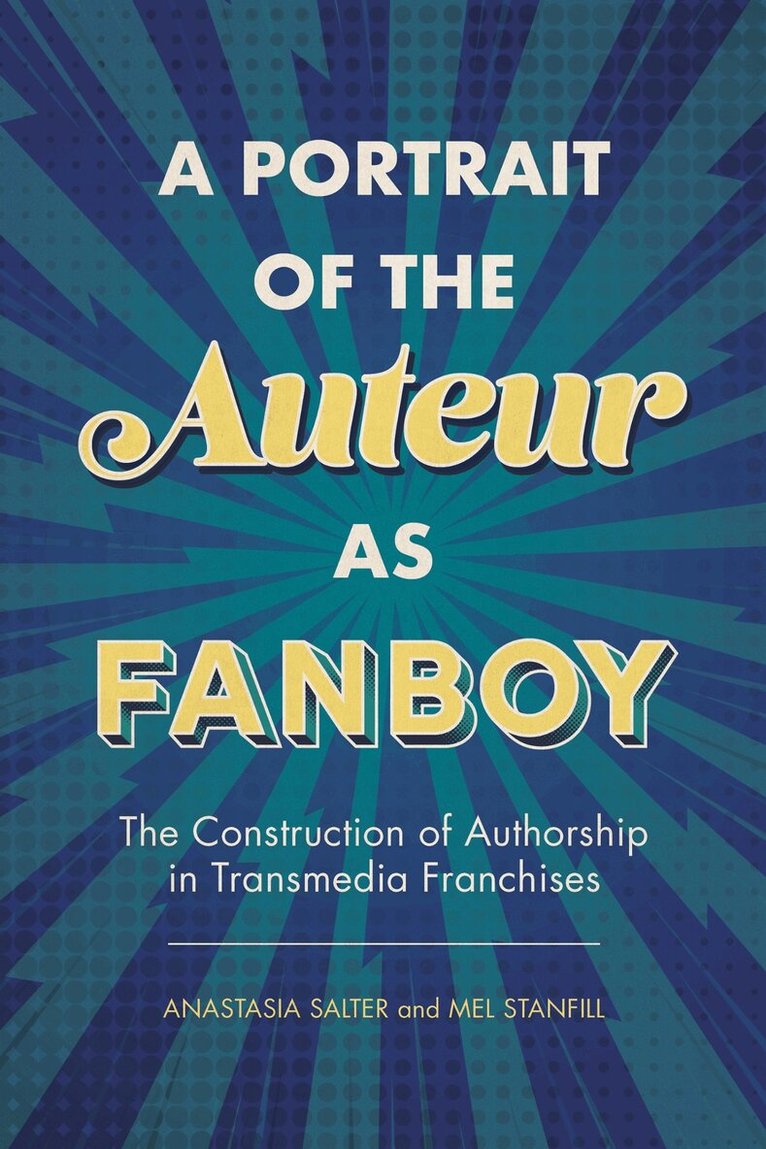
Increasingly over the past decade, fan credentials on the part of writers, directors, and producers have come to be seen as a guarantee of quality media making - the "fanboy auteur". Figures like Joss Whedon are both one of "us" and one of "them". This is a strategy of marketing and branding - it is a claim from the auteur himself or industry PR machines that the presence of an auteur who is also a fan means the product is worth consuming. Such claims that fan credentials guarantee quality are often contested, with fans and critics alike rejecting various auteur figures as the true leader of their respective franchises. That split, between assertions of fan and auteur status and acceptance (or not) of that status, is key to unravelling the fan auteur.In A Portrait of the Auteur as Fanboy: The Construction of Authorship in Transmedia Franchises, authors Anastasia Salter and Mel Stanfill examine this phenomenon through a series of case studies featuring fanboys. The volume discusses both popular fanboys, such as J.J. Abrams, Kevin Smith, and Joss Whedon, as well as fangirls like J.K. Rowling, E.L. James, and Patty Jenkins, and dissects how the fanboy-fangirl auteur dichotomy is constructed and defended by popular media and fans in online spaces, and how this discourse has played in maintaining the exclusionary status quo of geek culture.This book is particularly timely given current discourse, including such incidents as the controversy surrounding Joss Whedon's so-called feminism, the publication of Harry Potter and the Cursed Child, and contestation over authorial voices in the DC cinematic universe, as well as broader conversations about toxic masculinity and sexual harassment in Hollywood.
1 383 kr
Skickas inom 10-15 vardagar
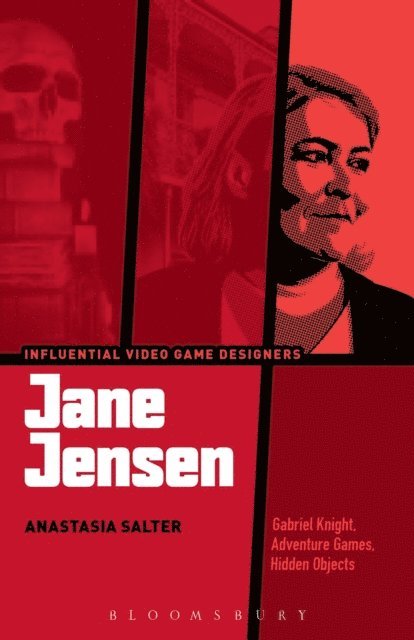
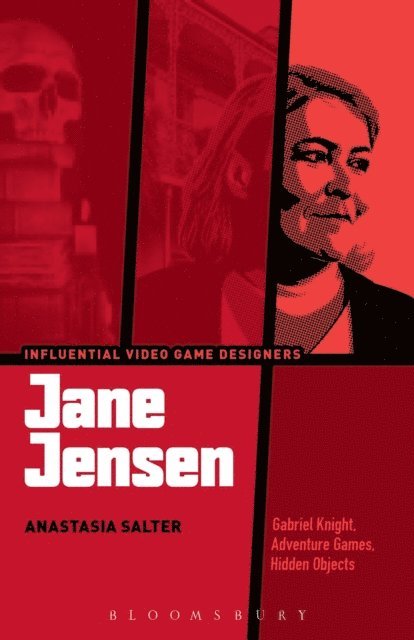
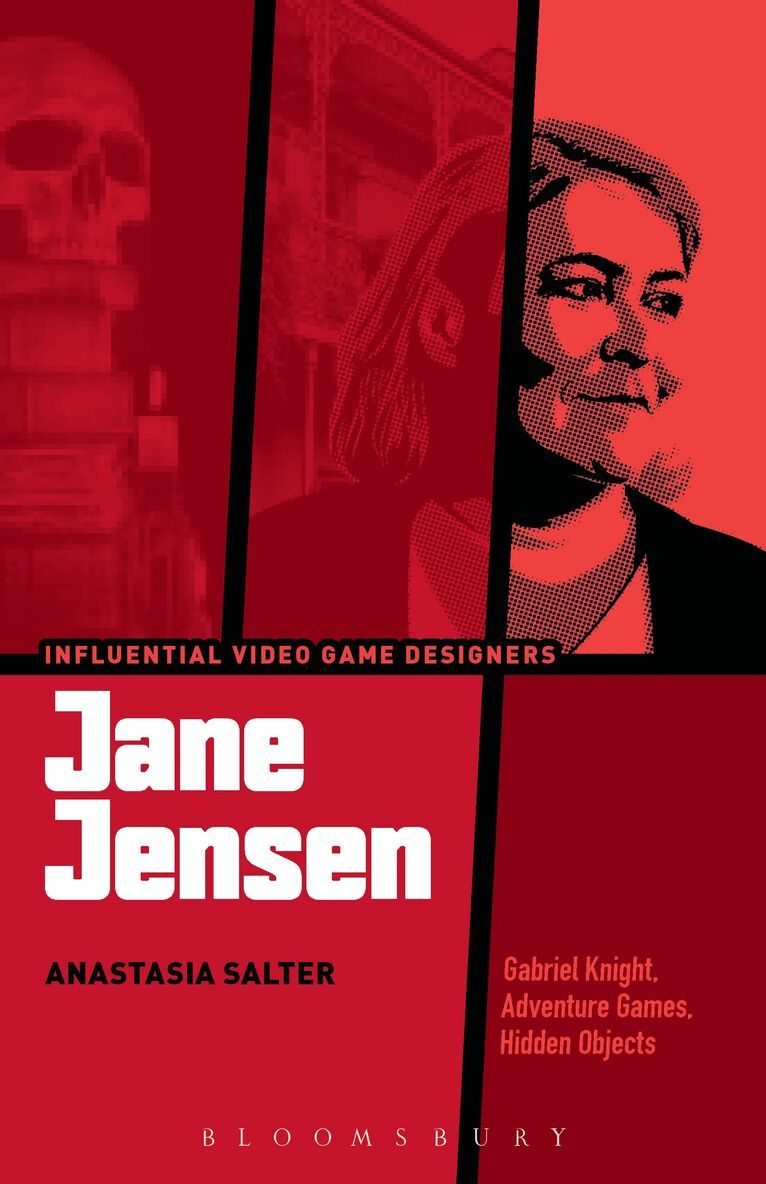
In the 1990s, the Personal Computer (or PC) was on the rise in homes, and with it came new genres of play. Yet most of the games in these new genres featured fantasylands or humorous science fiction landscapes with low stakes and little to suggest the potential of the PC as a serious space for art and play. Jane Jensen’s work and landmark Gabriel Knight series brought a new darkness and personality to PC gaming, offering a first powerful glimpse of what games could be as they came of age. As an author and designer, Jensen brought her approach as a designer-writer hybrid to the forefront of game design, with an approach to developing environments through detailed research to make game settings come to life, an attention to mature dilemmas and complex character development, and an audience-driven vision for genres reaching beyond the typical market approaches of the gaming industry. With a brand new interview with Jensen herself, Anastasia Salter provides the first ever look Jensen’s impact and role in advancing interactive narrative and writing in the game design process.
365 kr
Skickas inom 10-15 vardagar
In the 1990s, the Personal Computer (or PC) was on the rise in homes, and with it came new genres of play. Yet most of the games in these new genres featured fantasylands or humorous science fiction landscapes with low stakes and little to suggest the potential of the PC as a serious space for art and play. Jane Jensen’s work and landmark Gabriel Knight series brought a new darkness and personality to PC gaming, offering a first powerful glimpse of what games could be as they came of age. As an author and designer, Jensen brought her approach as a designer-writer hybrid to the forefront of game design, with an approach to developing environments through detailed research to make game settings come to life, an attention to mature dilemmas and complex character development, and an audience-driven vision for genres reaching beyond the typical market approaches of the gaming industry. With a brand new interview with Jensen herself, Anastasia Salter provides the first ever look Jensen’s impact and role in advancing interactive narrative and writing in the game design process.
1 572 kr
Skickas inom 10-15 vardagar
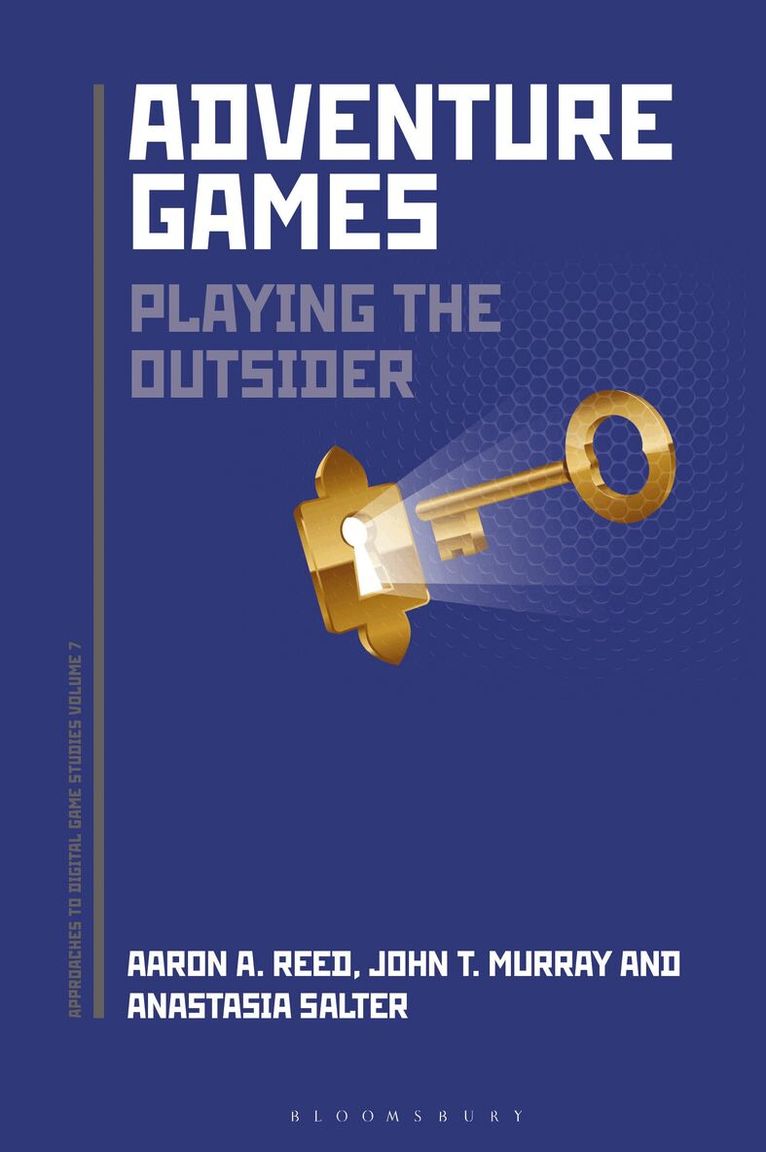
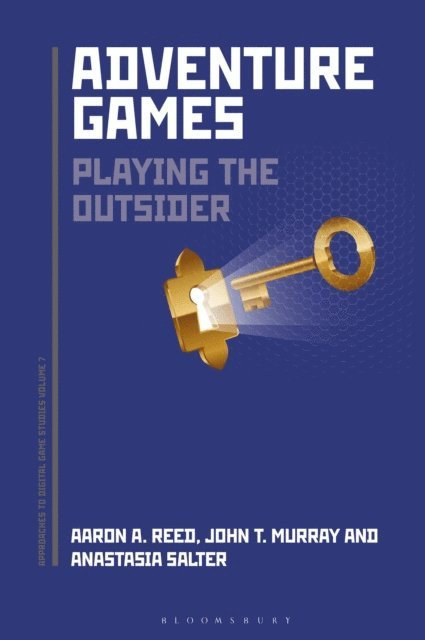
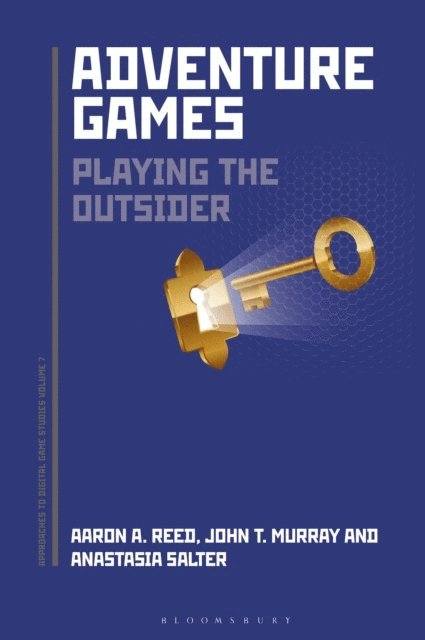
The genre of adventure games is frequently overlooked. Lacking the constantly-evolving graphics and graphic violence of their counterparts in first-person and third-person shooters or role-playing games, they are often marketed to and beloved by players outside of mainstream game communities. While often forgotten by both the industry and academia, adventure games have had (and continue to have) a surprisingly wide influence on contemporary games, in categories including walking simulators, hidden object games, visual novels, and bestselling titles from companies like Telltale and Campo Santo. In this examination of heirs to the genre’s legacy, the authors examine the genre from multiple perspectives, connecting technical analysis with critical commentary and social context. This will be the first book to consider this important genre from a comprehensive and transdisciplinary perspective. Drawing upon methods from platform studies, software studies, media studies, and literary studies, they reveal the genre’s ludic and narrative origins and patterns, where character (and the player’s embodiment of a character) is essential to the experience of play and the choices within a game. A deep structural analysis of adventure games also uncovers an unsteady balance between sometimes contradictory elements of story, exploration, and puzzles: with different games and creators employing a multitude of different solutions to resolving this tension.
448 kr
Skickas inom 10-15 vardagar
The genre of adventure games is frequently overlooked. Lacking the constantly-evolving graphics and graphic violence of their counterparts in first-person and third-person shooters or role-playing games, they are often marketed to and beloved by players outside of mainstream game communities. While often forgotten by both the industry and academia, adventure games have had (and continue to have) a surprisingly wide influence on contemporary games, in categories including walking simulators, hidden object games, visual novels, and bestselling titles from companies like Telltale and Campo Santo. In this examination of heirs to the genre’s legacy, the authors examine the genre from multiple perspectives, connecting technical analysis with critical commentary and social context. This will be the first book to consider this important genre from a comprehensive and transdisciplinary perspective. Drawing upon methods from platform studies, software studies, media studies, and literary studies, they reveal the genre’s ludic and narrative origins and patterns, where character (and the player’s embodiment of a character) is essential to the experience of play and the choices within a game. A deep structural analysis of adventure games also uncovers an unsteady balance between sometimes contradictory elements of story, exploration, and puzzles: with different games and creators employing a multitude of different solutions to resolving this tension.
223 kr
Skickas inom 7-10 vardagar
451 kr
Skickas inom 5-8 vardagar
432 kr
Skickas inom 3-6 vardagar
Hypertext is now commonplace: links and linking structure nearly all of our experiences online. Yet the literary, as opposed to commercial, potential of hypertext has receded. One of the few tools still focused on hypertext as a means for digital storytelling is Twine, a platform for building choice-driven stories without relying heavily on code. In Twining, Anastasia Salter and Stuart Moulthrop lead readers on a journey at once technical, critical, contextual, and personal. The book’s chapters alternate careful, stepwise discussion of adaptable Twine projects, offer commentary on exemplary Twine works, and discuss Twine’s technological and cultural background. Beyond telling the story of Twine and how to make Twine stories, Twining reflects on the ongoing process of making."While there have certainly been attempts to study Twine historically and theoretically... no single publication has provided such a detailed account of it. And no publication has even attempted to situate Twine amongst its many different conversations and traditions, something this book does masterfully." —James Brown, Rutgers University, Camden
487 kr
Skickas inom 7-10 vardagar
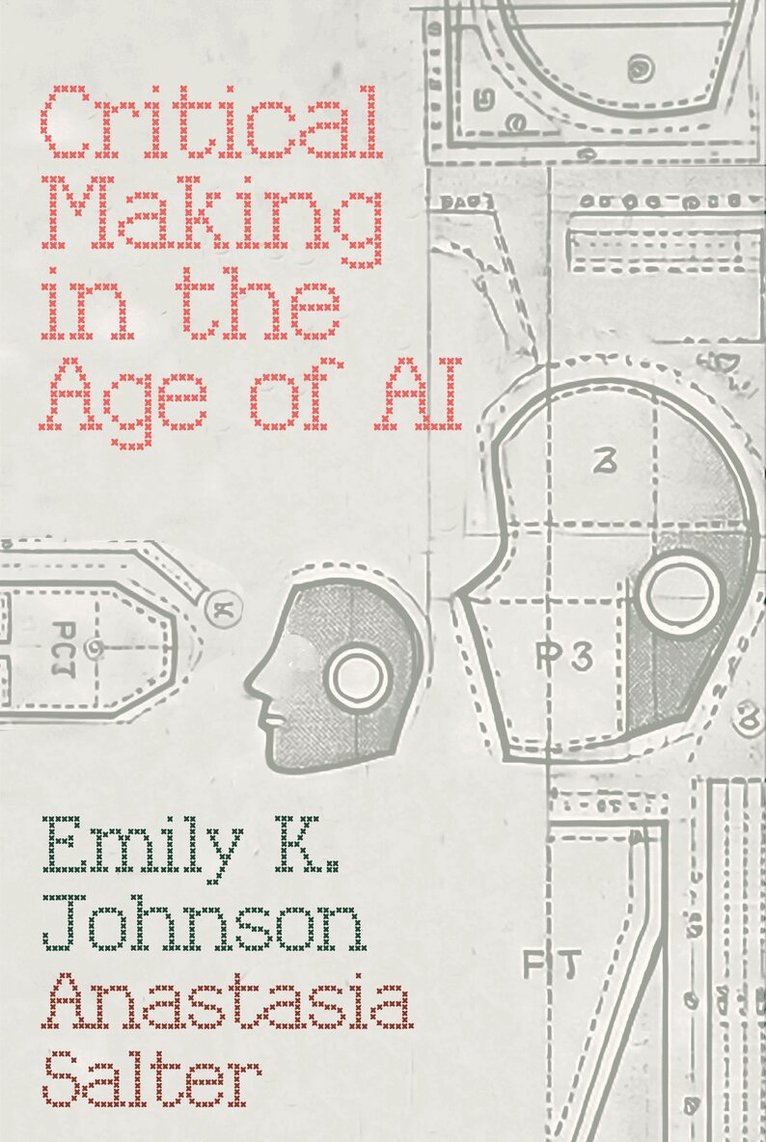
Critical Making in the Age of AI invites students, teachers, learners, and digital humanists to explore making as scholarship. Inspired by the craft traditions of textile arts, this book combines a survey of forms of alternative scholarly communication—such as comics, GIFs, maps, games, and generative AI—and a pattern book, where patterns serve as starting points that makers can reimagine and remix. Firmly grounded in the humanities and utilizing free tools and platforms (including Twine, Voyant, and Tracery) wherever possible, this engaging and accessible guide to digital methods introduces and puts into practice concepts that are essential to preparing students to navigate a changing landscape of media and information without investing in proprietary software, dedicated lab space, or expensive creative tools.The book’s eight patterns are especially appropriate for those just beginning to explore digital scholarly methods, and one goal of Critical Making in the Age of AI is to provide structure for work that is both meaningful and achievable with limited resources and time. By centering critical making through a design-justice and feminist lens, the coauthors model how inclusive and expansive approaches to making in research and teaching are vital to shaping the humanities of the future.
986 kr
Skickas inom 3-6 vardagar
Critical Making in the Age of AI invites students, teachers, learners, and digital humanists to explore making as scholarship. Inspired by the craft traditions of textile arts, this book combines a survey of forms of alternative scholarly communication—such as comics, GIFs, maps, games, and generative AI—and a pattern book, where patterns serve as starting points that makers can reimagine and remix. Firmly grounded in the humanities and utilizing free tools and platforms (including Twine, Voyant, and Tracery) wherever possible, this engaging and accessible guide to digital methods introduces and puts into practice concepts that are essential to preparing students to navigate a changing landscape of media and information without investing in proprietary software, dedicated lab space, or expensive creative tools.The book’s eight patterns are especially appropriate for those just beginning to explore digital scholarly methods, and one goal of Critical Making in the Age of AI is to provide structure for work that is both meaningful and achievable with limited resources and time. By centering critical making through a design-justice and feminist lens, the coauthors model how inclusive and expansive approaches to making in research and teaching are vital to shaping the humanities of the future.
401 kr
Skickas inom 5-8 vardagar
This book examines changing representations of masculinity in geek media, during a time of transition in which “geek” has not only gone mainstream but also become a more contested space than ever, with continual clashes such as Gamergate, the Rabid and Sad Puppies’ attacks on the Hugo Awards, and battles at conventions over “fake geek girls.” Anastasia Salter and Bridget Blodgett critique both gendered depictions of geeks, including shows like Chuck and The Big Bang Theory, and aspirational geek heroes, ranging from the Winchester brothers of Supernatural to BBC’s Sherlock and the varied superheroes of the Marvel Cinematic Universe. Through this analysis, the authors argue that toxic masculinity is deeply embedded in geek culture, and that the identity of geek as victimized other must be redefined before geek culture and media can ever become an inclusive space.