Andrea Rizzi – författare
Visar alla böcker från författaren Andrea Rizzi. Handla med fri frakt och snabb leverans.
10 produkter
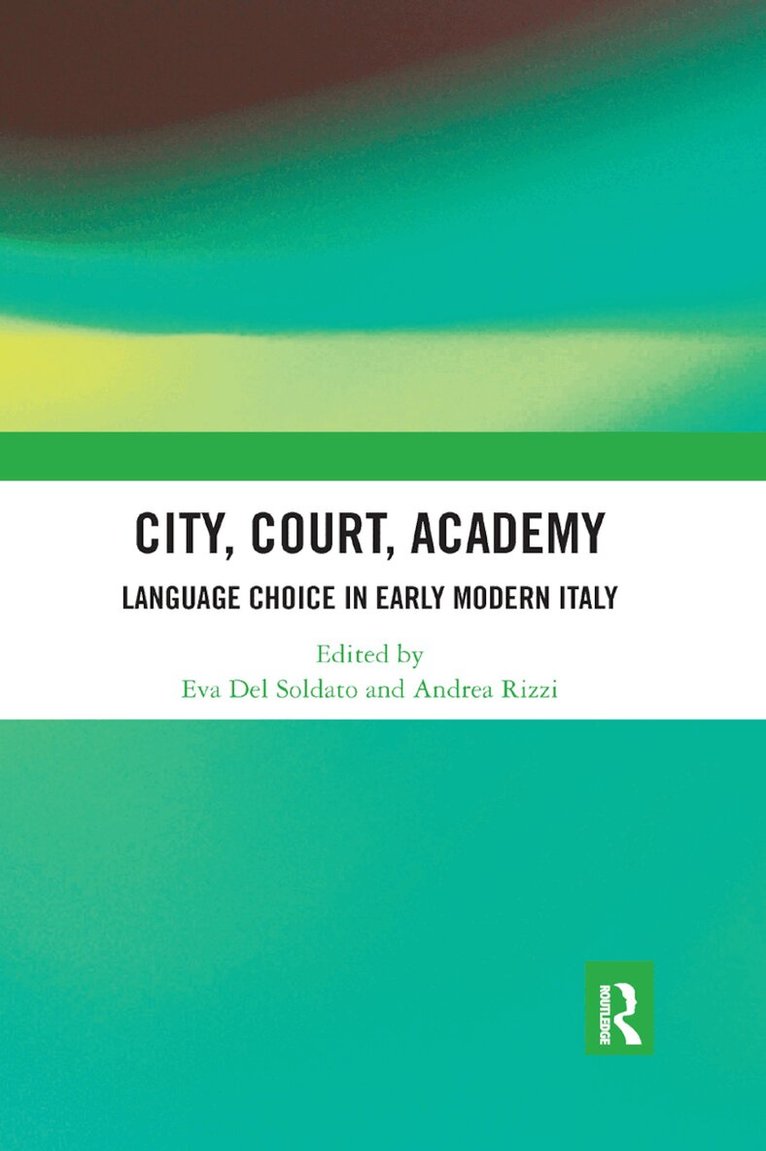
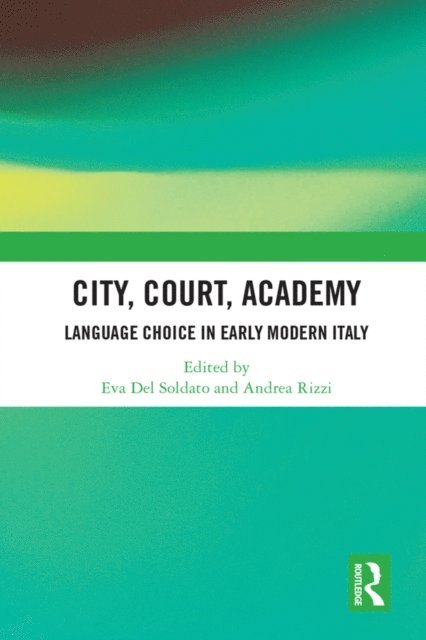
City, Court, Academy
Language Choice in Early Modern Italy
Av Eva Del Soldato, Andrea Rizzi
Häftad, 2019
812 kr
Lägg i varukorg
This volume focuses on early modern Italy and some of its key multilingual zones: Venice, Florence, and Rome. It offers a novel insight into the interplay and dynamic exchange of languages in the Italian peninsula, from the early fifteenth to the early seventeenth centuries. In particular, it …
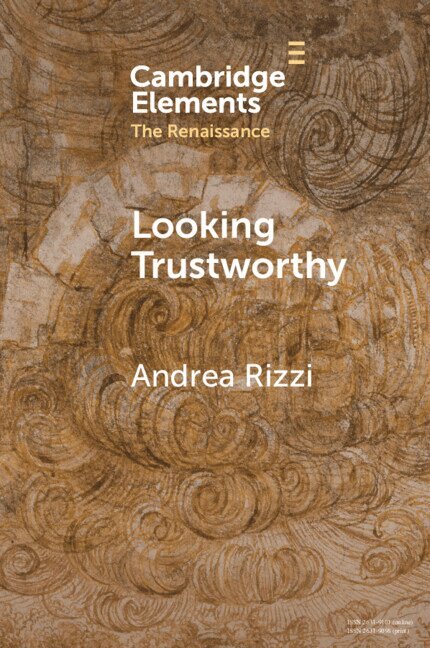
Looking Trustworthy
Portraits and Textual Poses of Humanist Translators in the Renaissance
Av Andrea Rizzi
E-bok, 2026
296 kr
Lägg i varukorg
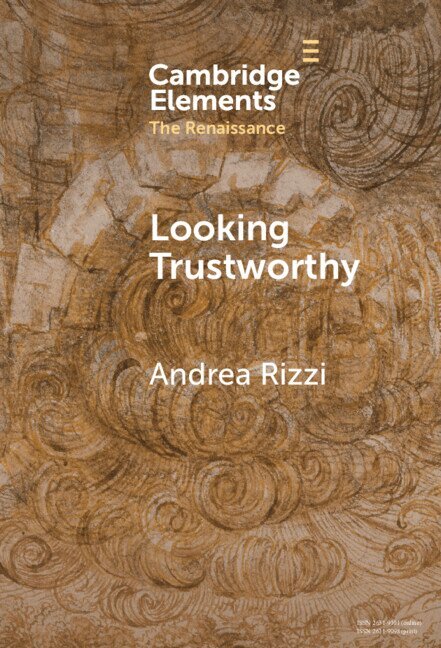
Looking Trustworthy
Portraits and Textual Poses of Humanist Translators in the Renaissance
Av Andrea Rizzi
E-bok, 2026
303 kr
Lägg i varukorg
Looking Trustworthy
Portraits and Textual Poses of Humanist Translators in the Renaissance
Av Andrea Rizzi
Häftad, 2026
291 kr
Lägg i varukorg
In this Element I investigate how Renaissance humanist translators used the printed page to construct a trustworthy persona and persuade readers of their translations' value. These portraits did more than decorate books - they shaped the public identity of translators, lent credibility to their …
Looking Trustworthy
Portraits and Textual Poses of Humanist Translators in the Renaissance
Av Andrea Rizzi
Inbunden, 2026
938 kr
Lägg i varukorg
In this Element I investigate how Renaissance humanist translators used the printed page to construct a trustworthy persona and persuade readers of their translations' value. These portraits did more than decorate books - they shaped the public identity of translators, lent credibility to their …
City, Court, Academy
Language Choice in Early Modern Italy
Av Andrea Rizzi, Eva Del Soldato
E-bok, 2017
838 kr
Lägg i varukorg
This volume focuses on early modern Italy and some of its key multilingual zones: Venice, Florence, and Rome. It offers a novel insight into the interplay and dynamic exchange of languages in the Italian peninsula, from the early fifteenth to the early seventeenth centuries. In particular, it …
City, Court, Academy
Language Choice in Early Modern Italy
Av Andrea Rizzi, Eva Del Soldato
E-bok, 2017
856 kr
Lägg i varukorg
This volume focuses on early modern Italy and some of its key multilingual zones: Venice, Florence, and Rome. It offers a novel insight into the interplay and dynamic exchange of languages in the Italian peninsula, from the early fifteenth to the early seventeenth centuries. In particular, it …
City, Court, Academy
Language Choice in Early Modern Italy
Av Eva Del Soldato, Andrea Rizzi
Inbunden, 2017
2898 kr
Lägg i varukorg
This volume focuses on early modern Italy and some of its key multilingual zones: Venice, Florence, and Rome. It offers a novel insight into the interplay and dynamic exchange of languages in the Italian peninsula, from the early fifteenth to the early seventeenth centuries. In particular, it …
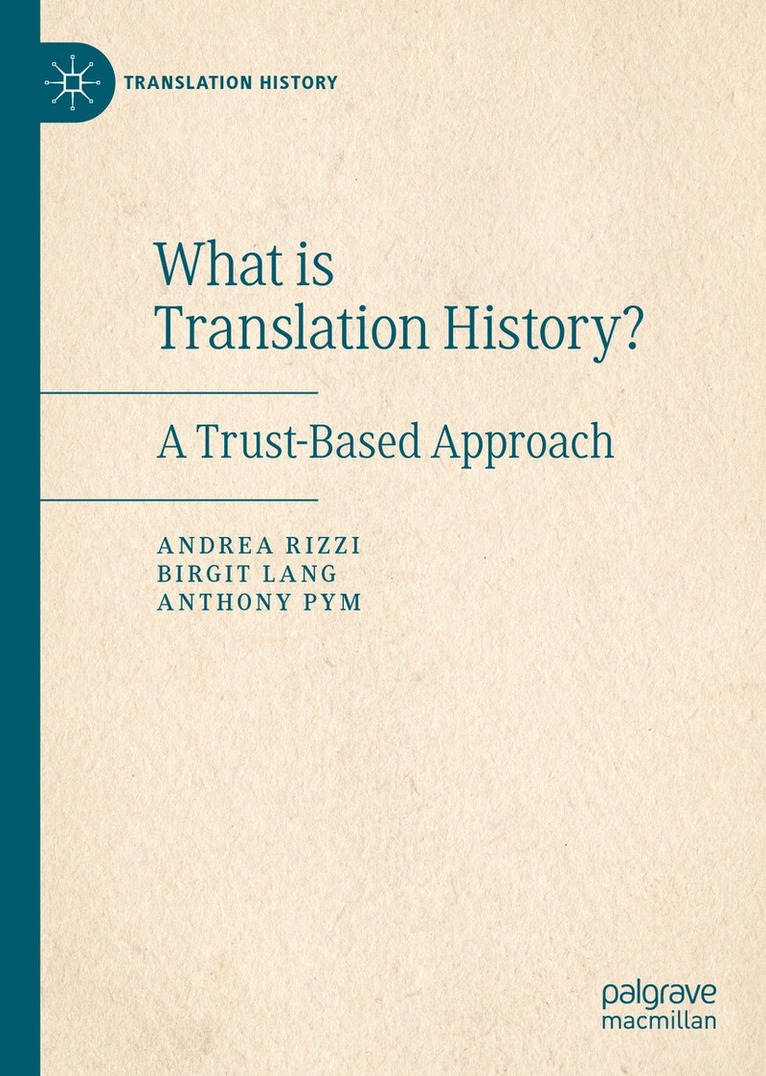
What is Translation History?
A Trust-Based Approach
Av Andrea Rizzi, Birgit Lang m. fl.
Inbunden, 2019
727 kr
Lägg i varukorg
This book presents a dynamic history of the ways in which translators are trusted and distrusted. Working from this premise, the authors develop an approach to translation that speaks to historians of literature, language, culture, society, science, translation and interpreting. By examining …
What is Translation History?
A Trust-Based Approach
Av Anthony Pym, Birgit Lang m. fl.
E-bok, 2019
961 kr
Lägg i varukorg
This book presents a dynamic history of the ways in which translators are trusted and distrusted. Working from this premise, the authors develop an approach to translation that speaks to historians of literature, language, culture, society, science, translation and interpreting. By examining …