Andrew B. Liu - Böcker
Visar alla böcker från författaren Andrew B. Liu. Handla med fri frakt och snabb leverans.
3 produkter
3 produkter
1 452 kr
Kommande
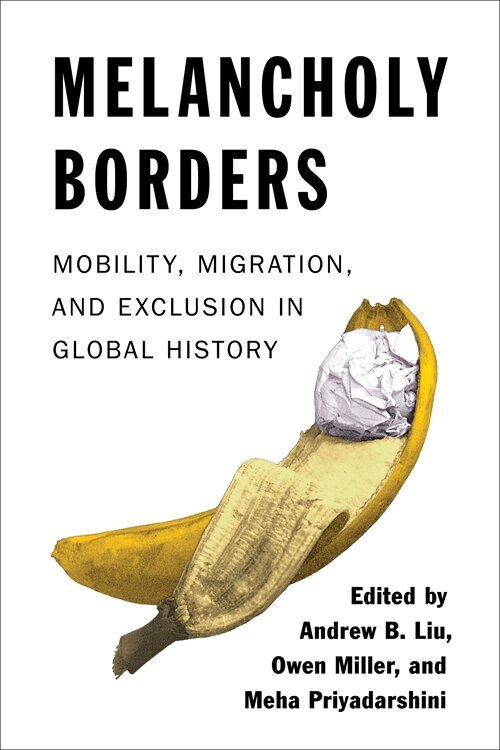
A major contribution to the burgeoning field of global migration history, this book explores the historical clash between transnational networks of migrant mobility with state attempts to control them. Showcasing the latest research in the field, Melancholy Borders brings together a wide range of scholarship that illuminates the crucial role played by migration and migration regulation in the creation of the modern world.Taking inspiration from the scholarship of historian Adam McKeown (1965–2017), contributors push migration history beyond its long-standing focus on the North Atlantic by spotlighting transnational networks across the Americas, Africa, and Eurasia. At the same time, they demonstrate that consequent efforts to arrest the movement of people were foundational for the rise of the modern global order, international law, and the standardization of the nation-state. Nationalist efforts to restrict migration became a global phenomenon. Melancholy Borders presents case studies that offer different approaches to studying migration and its regulation, featuring conceptual richness as well as geographical and temporal diversity. This book at once marks the advances in the field of global migration history, takes stock of new directions, and opens up new trajectories for future research.
384 kr
Kommande
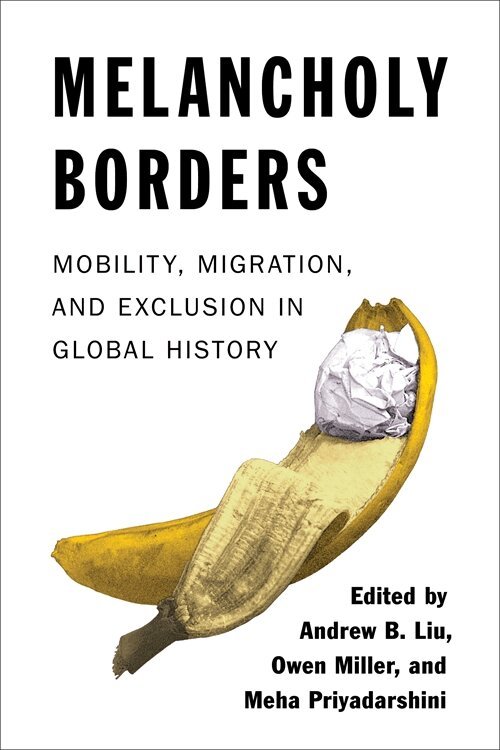
A major contribution to the burgeoning field of global migration history, this book explores the historical clash between transnational networks of migrant mobility with state attempts to control them. Showcasing the latest research in the field, Melancholy Borders brings together a wide range of scholarship that illuminates the crucial role played by migration and migration regulation in the creation of the modern world.Taking inspiration from the scholarship of historian Adam McKeown (1965–2017), contributors push migration history beyond its long-standing focus on the North Atlantic by spotlighting transnational networks across the Americas, Africa, and Eurasia. At the same time, they demonstrate that consequent efforts to arrest the movement of people were foundational for the rise of the modern global order, international law, and the standardization of the nation-state. Nationalist efforts to restrict migration became a global phenomenon. Melancholy Borders presents case studies that offer different approaches to studying migration and its regulation, featuring conceptual richness as well as geographical and temporal diversity. This book at once marks the advances in the field of global migration history, takes stock of new directions, and opens up new trajectories for future research.
433 kr
Skickas inom 7-10 vardagar
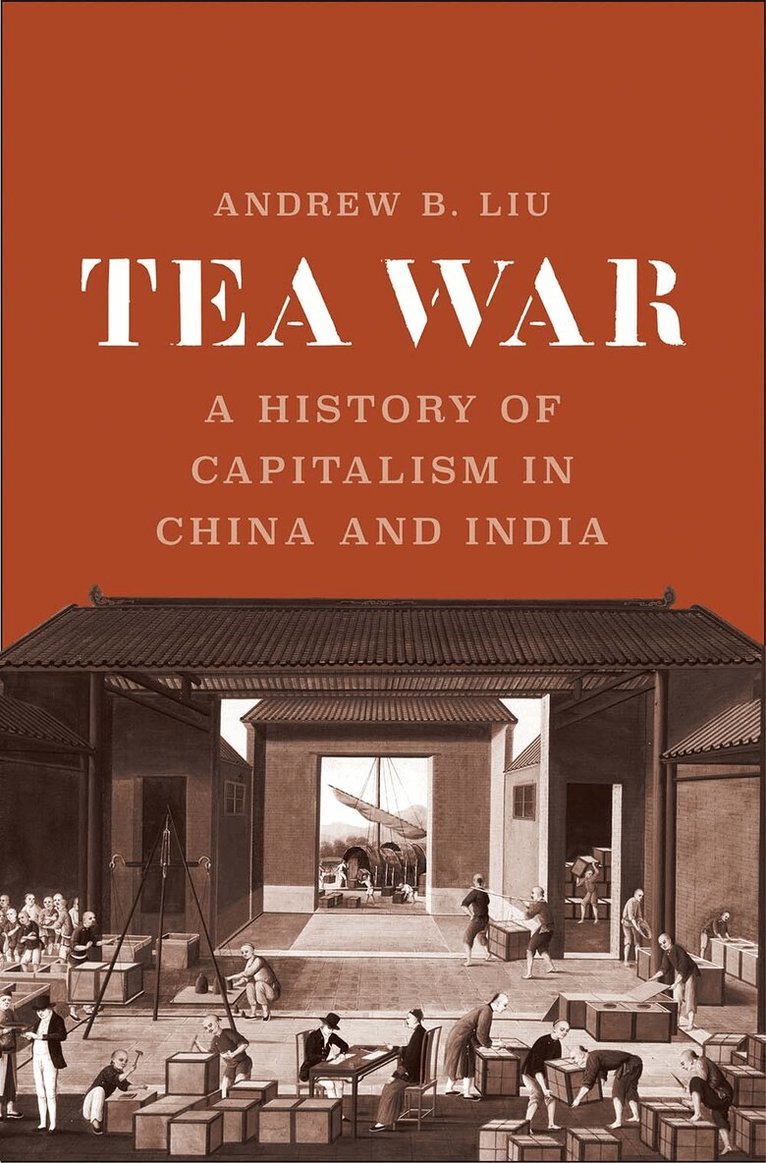
A history of capitalism in nineteenth‑ and twentieth‑century China and India that explores the competition between their tea industries “Tea War is not only a detailed comparative history of the transformation of tea production in the 19th and early 20th centuries, but it also intervenes in larger debates about the nature of capitalism, global modernity, and global history.”— Alexander F. Day, Occidental CollegeTea remains the world’s most popular commercial drink today, and at the turn of the twentieth century, it represented the largest export industry of both China and colonial India. In analyzing the global competition between Chinese and Indian tea, Andrew B. Liu challenges past economic histories premised on the technical “divergence” between the West and the Rest, arguing instead that seemingly traditional technologies and practices were central to modern capital accumulation across Asia. He shows how competitive pressures compelled Chinese merchants to adopt abstract industrial conceptions of time, while colonial planters in India pushed for labor indenture laws to support factory-style tea plantations. Characterizations of China and India as premodern backwaters, he explains, were themselves the historical result of new notions of political economy adopted by Chinese and Indian nationalists, who discovered that these abstract ideas corresponded to concrete social changes in their local surroundings. Together, these stories point toward a more flexible and globally oriented conceptualization of the history of capitalism in China and India.