Andrew Finegold - Böcker
Visar alla böcker från författaren Andrew Finegold. Handla med fri frakt och snabb leverans.
2 produkter
2 produkter
454 kr
Skickas inom 11-20 vardagar
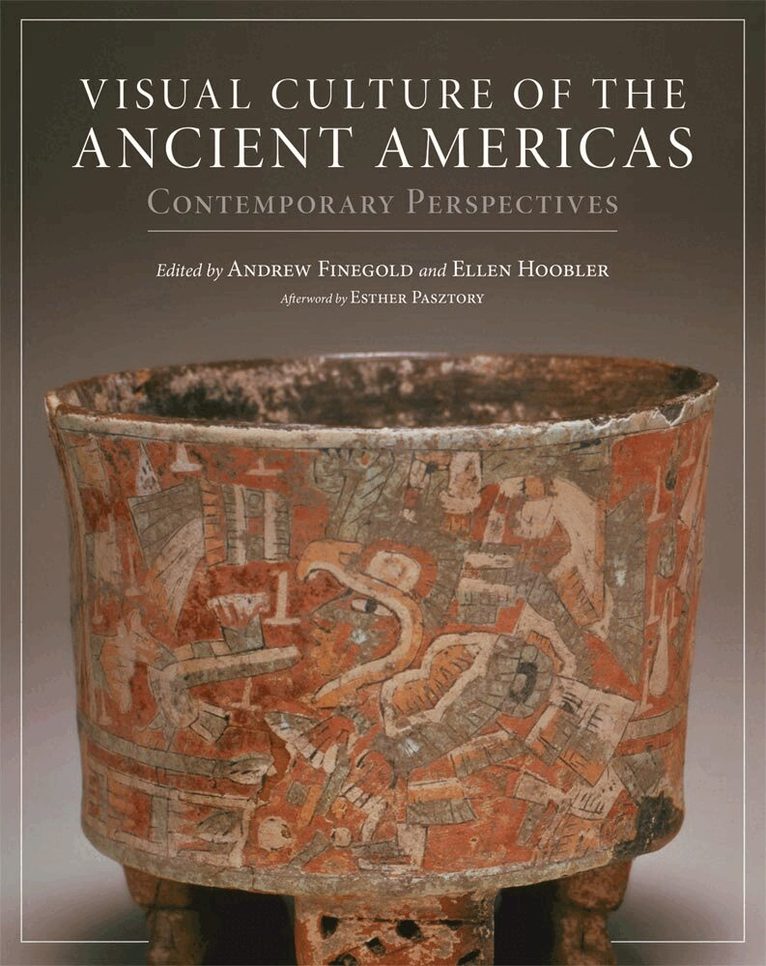
In the past fifty years, the study of indigenous and pre-Columbian art has evolved from a groundbreaking area of inquiry in the mid-1960s to an established field of research. This period also spans the career of art historian Esther Pasztory. Few scholars have made such a broad and lasting impact as Pasztory, both in terms of our understanding of specific facets of ancient American art as well as in our appreciation of the evolving analytical tendencies related to the broader field of study as it developed and matured. The essays collected in this volume reflect scholarly rigor and new perspectives on ancient American art and are contributed by many of Pasztory's former students and colleagues.A testament to the sheer breadth of Pasztory's accomplishments, Visual Culture of the Ancient Americas covers a wide range of topics, from Aztec picture-writing to nineteenth-century European scientific illustration of Andean sites in Peru. The essays, written by both established and rising scholars from across the field, focus on three areas: the ancient Andes, including its representation by European explorers and scholars of the nineteenth century; Classic period Mesoamerica and its uses within the cultural heritage debate of the twentieth and twenty-first centuries; and Postclassic Mesoamerica, particularly the deeper and heretofore often hidden meanings of its cultural production. Figures, maps, and color plates demonstrate the vibrancy and continued allure of indigenous artworks from the ancient Americas.""Pre-Columbian art can give more,"" Pasztory declares, and the scholars featured here make a compelling case for its incorporation into art theory as a whole. The result is a collection of essays that celebrates Pasztory's central role in the development of the field of Ancient American visual studies, even as it looks toward the future of the discipline.
655 kr
Skickas inom 7-10 vardagar
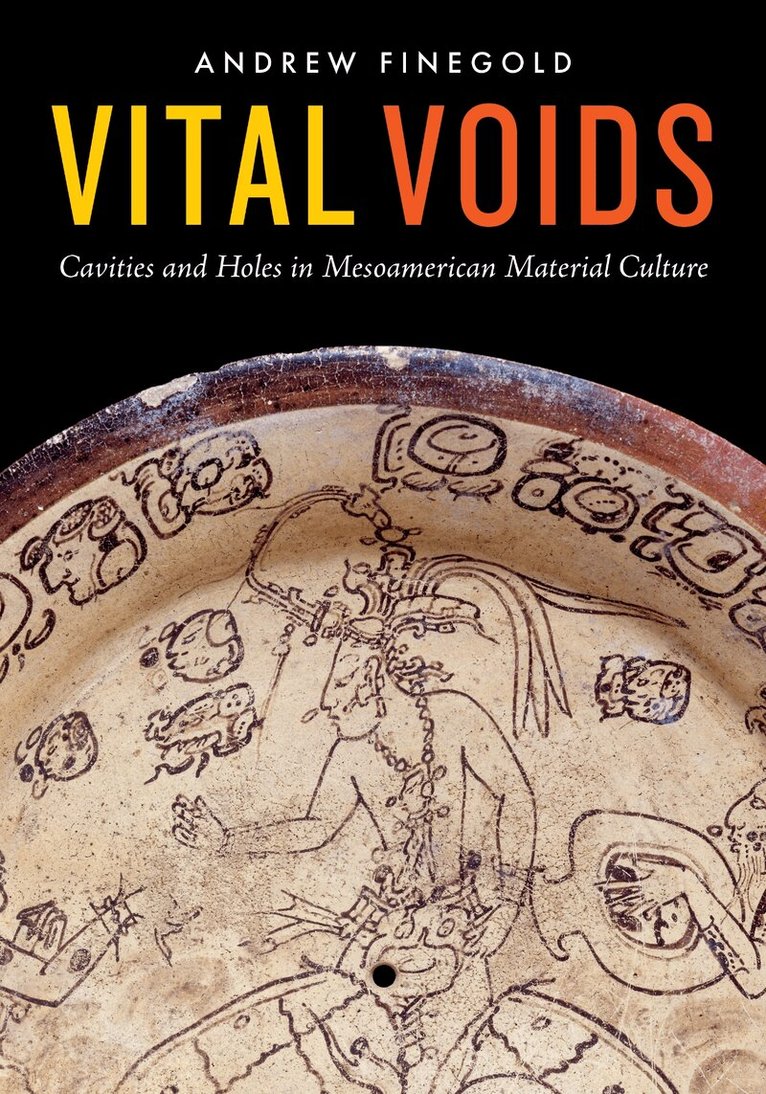
The Resurrection Plate, a Late Classic Maya dish, is decorated with an arresting scene. The Maize God, assisted by two other deities, emerges reborn from a turtle shell. At the center of the plate, in the middle of the god’s body and aligned with the point of emergence, there is a curious sight: a small, neatly drilled hole.Art historian Andrew Finegold explores the meanings attributed to this and other holes in Mesoamerican material culture, arguing that such spaces were broadly understood as conduits of vital forces and material abundance, prerequisites for the emergence of life. Beginning with, and repeatedly returning to, the Resurrection Plate, this study explores the generative potential attributed to a wide variety of cavities and holes in Mesoamerica, ranging from the perforated dishes placed in Classic Maya burials, to caves and architectural voids, to the piercing of human flesh. Holes are also discussed in relation to fire, based on the common means through which both were produced: drilling. Ultimately, by attending to what is not there, Vital Voids offers a fascinating approach to Mesoamerican cosmology and material culture.